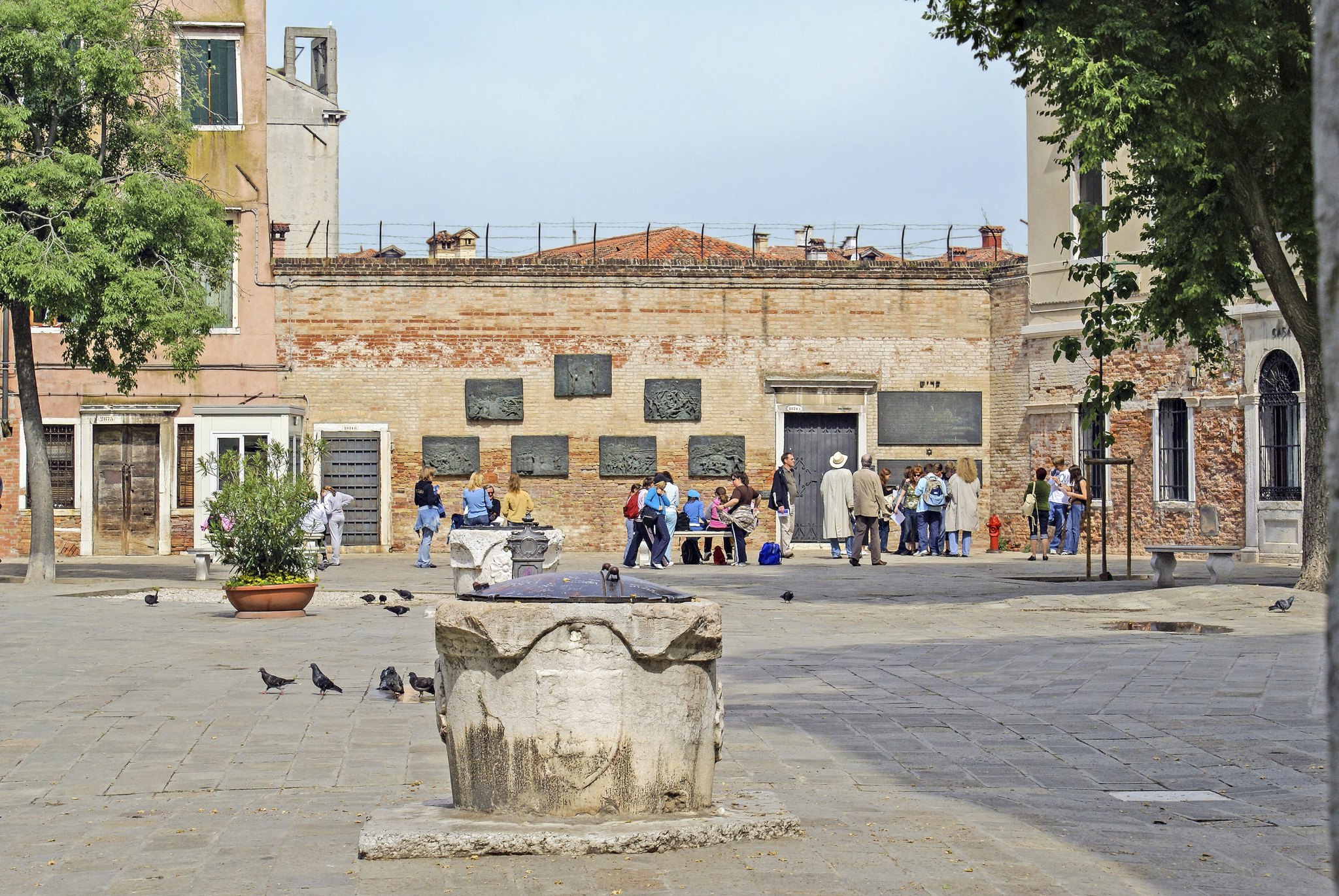

The first place in the world to be called a ghetto, and the origin of the word. In 1516 the Republic confined its Jewish residents to a small island in Cannaregio that had held a foundry — geto, a casting — and locked the gates at night.
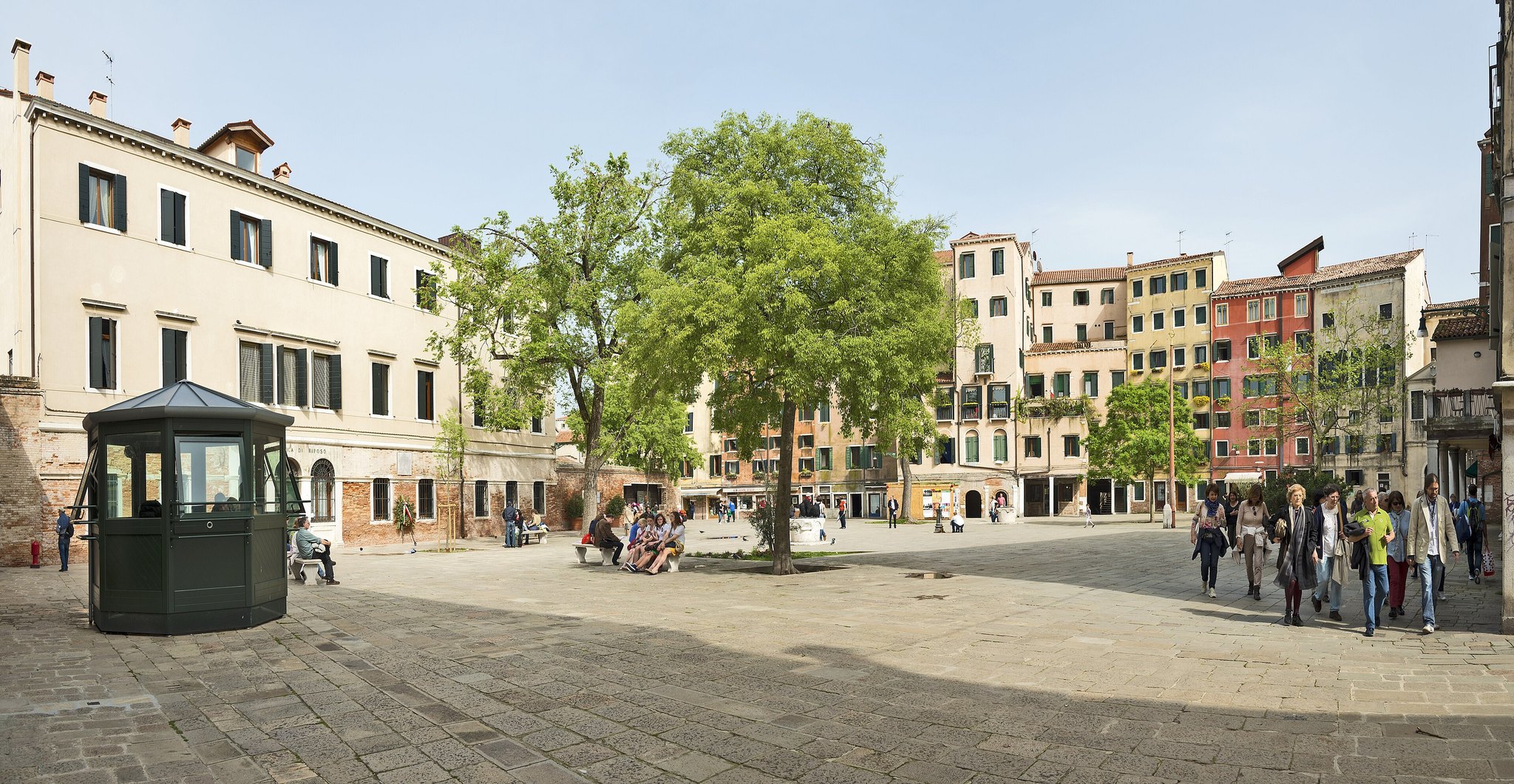
Because they could not build outwards they built upwards, so the Campo del Ghetto Nuovo is ringed by the tallest ordinary houses in Venice, some of seven and eight storeys with very low ceilings.
What it costs
The campo and the streets are free and open, and people live in them. The Jewish Museum and the guided visit to the synagogues are ticketed.
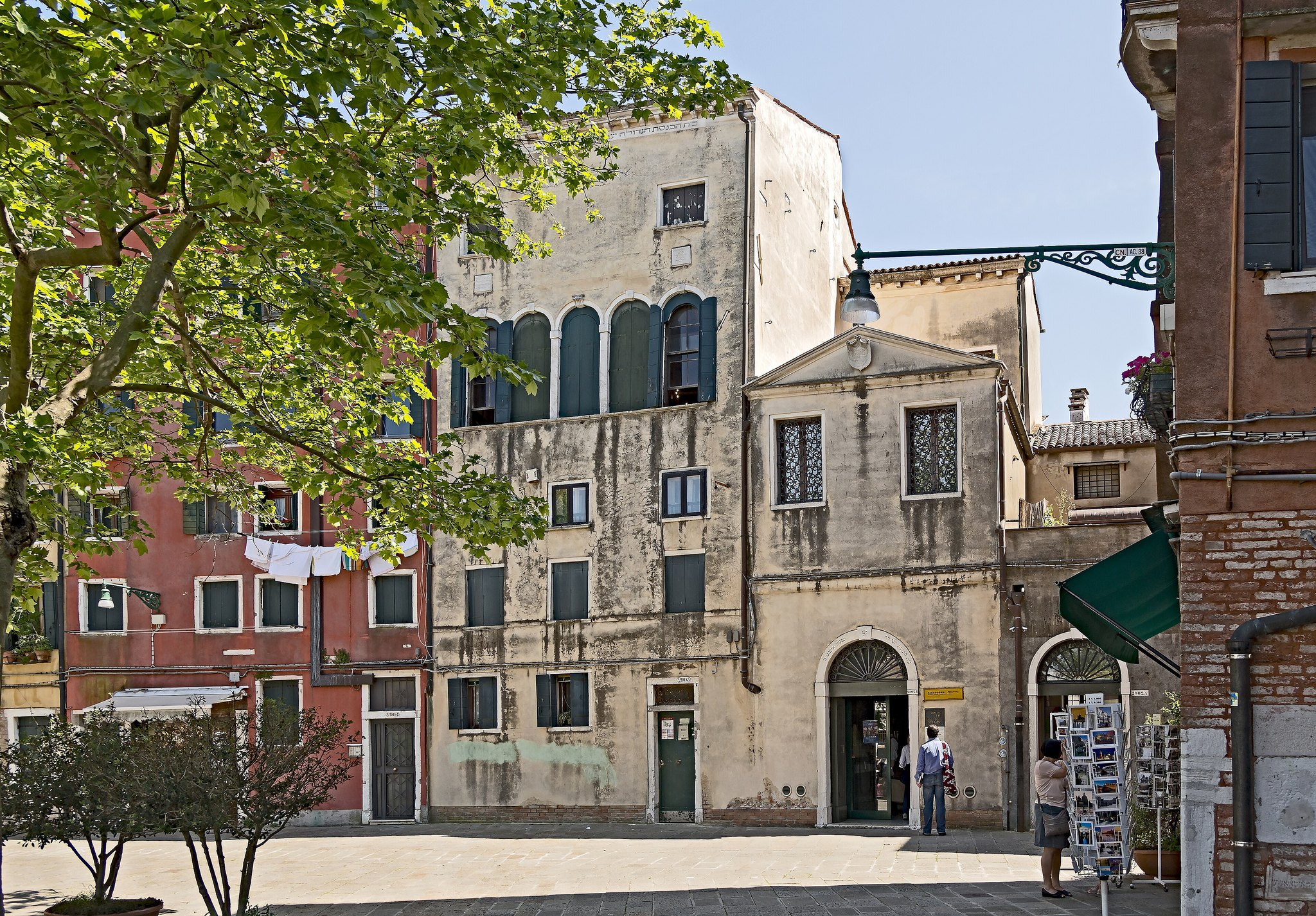
The five synagogues can only be seen on that guided visit. They are on upper floors and deliberately invisible from the street, because they were required to be.
When to go
Any weekday. ⚠️ The museum and the synagogue tours close on Saturdays and on Jewish holidays, which catches out a great many weekend itineraries.
The neighbourhood around it, Cannaregio, is one of the few parts of central Venice with an ordinary evening life, so the walk out here pairs well with dinner rather than with more sightseeing.

Getting there
Vaporetto to Guglie or San Marcuola, then a few minutes on foot. It is about ten minutes’ walk from the station and almost nobody makes it.
_Panorama.jpg)
If you only have an hour
Stand in the middle of the Campo del Ghetto Nuovo and look up at the height of the houses — that is the whole history of the place in one glance. Then find the holocaust memorial reliefs on the north wall, and the plaque of 1704 setting out the penalties for converts who returned.
What people get wrong
Treating it as a monument. It is a residential neighbourhood with a working community, and the campo is somebody’s front garden.

Nearby
Ticketing arrangements, closing days and boat timetables as published and checked on 5 September 2026. These change without much warning — confirm with the place itself before you travel. More sights, and how they fit together, in Landmarks & Sights.