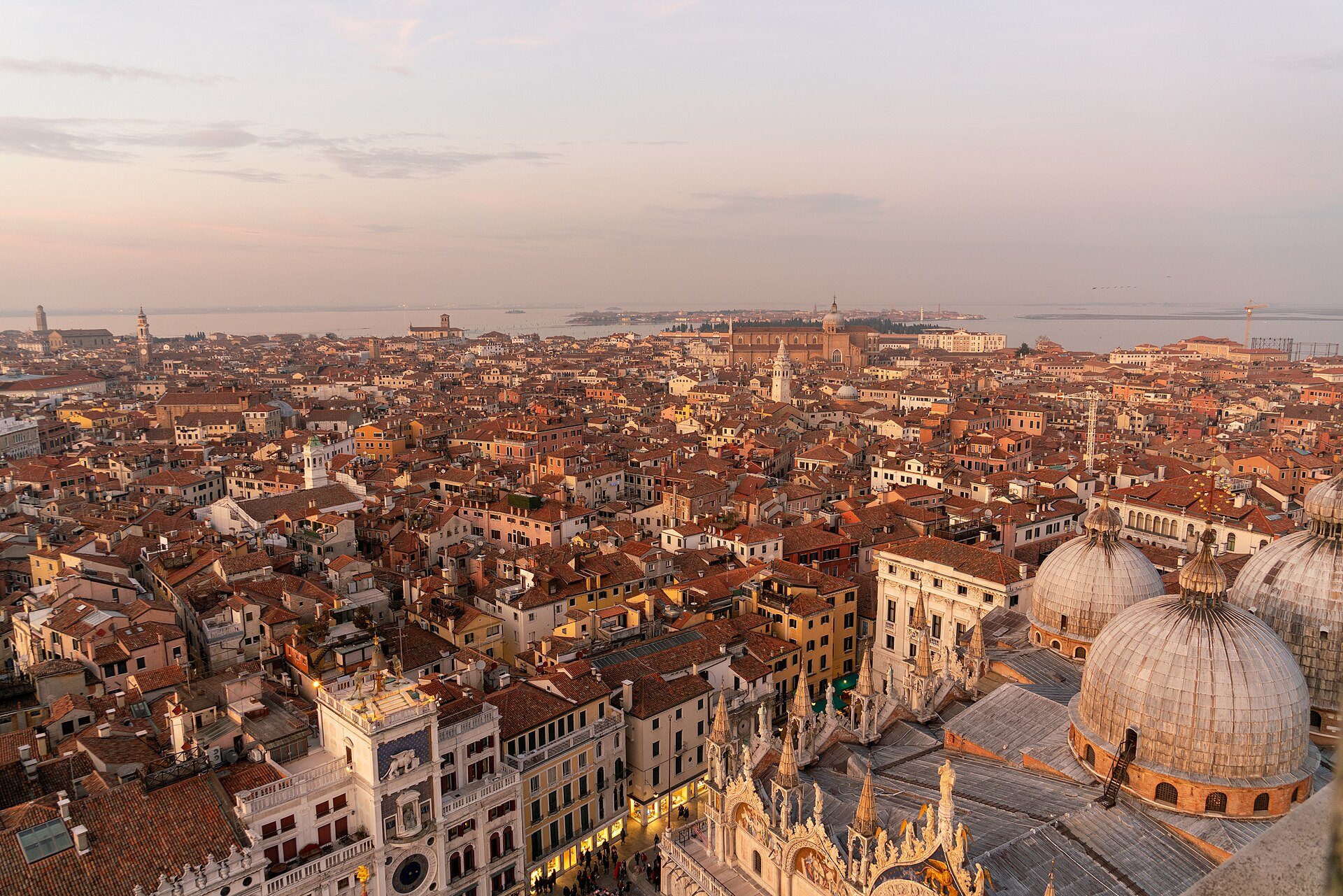
Home · The Sights
All twentyI
The sights, from the Piazza out to the lagoon
Around the Piazza
San Marco, the square Venetians call simply la Piazza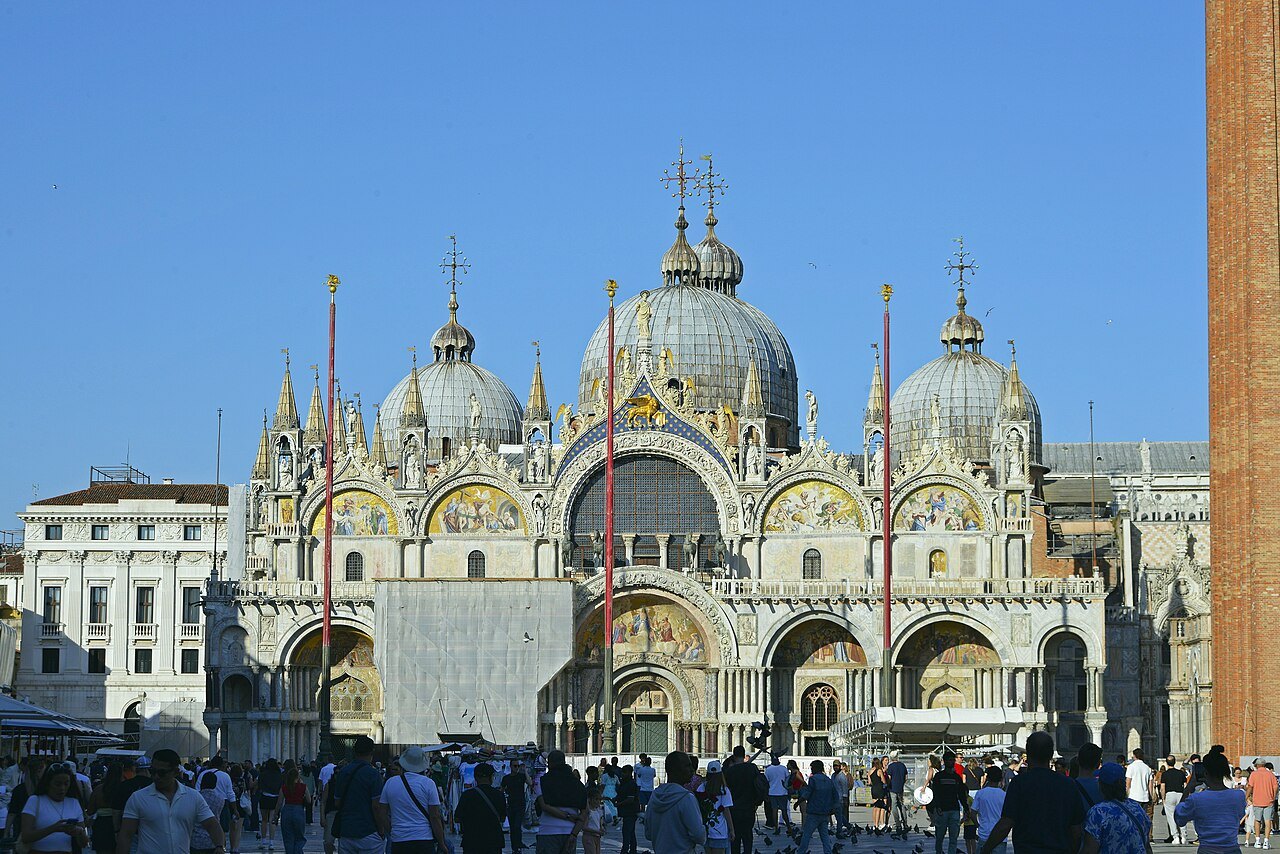 San Marco1St Mark's BasilicaThe third church on the site, begun probably in 1063 on the model of a church in Constantinople, and the doge's own chapel until 1797.
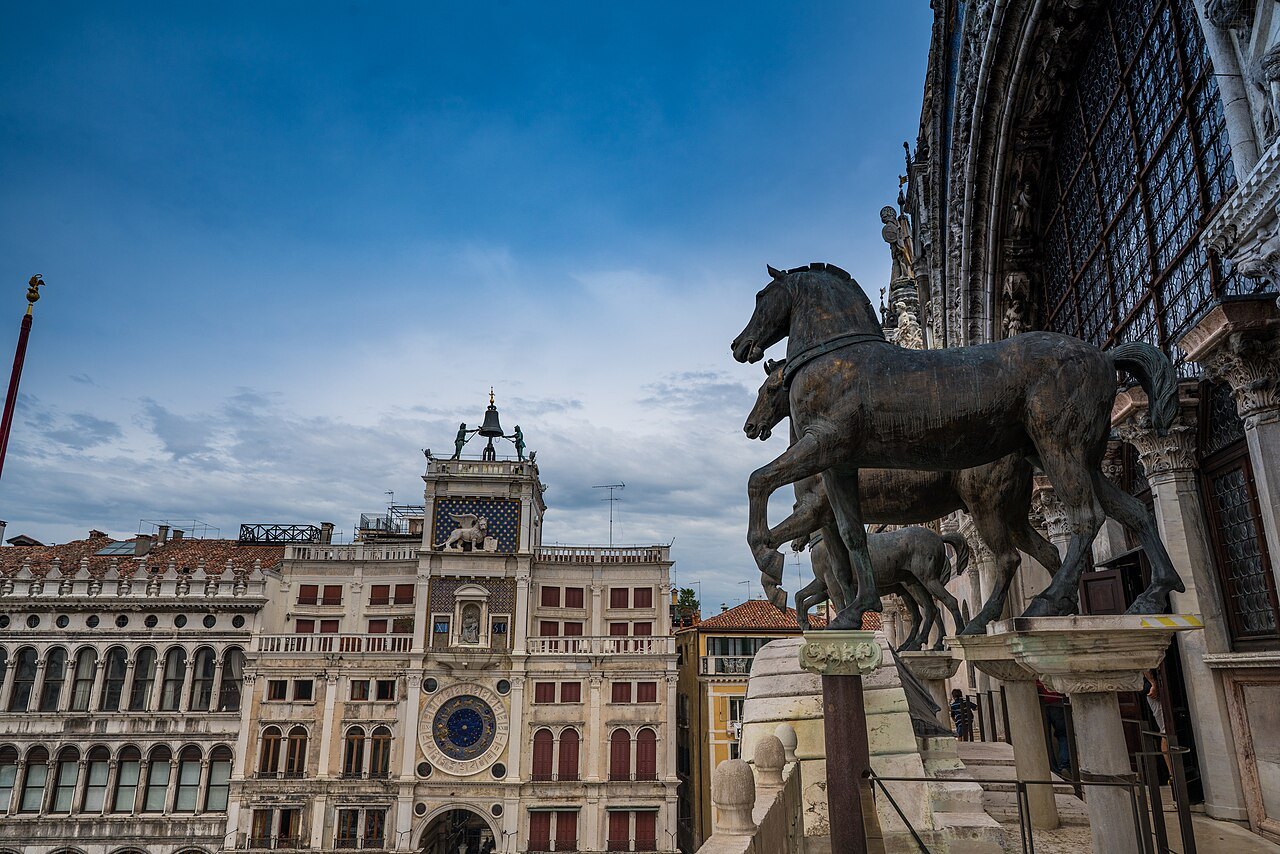 San Marco2Piazza San MarcoThe principal square of Venice, known simply as la Piazza, with the Piazzetta opening from it to the water.
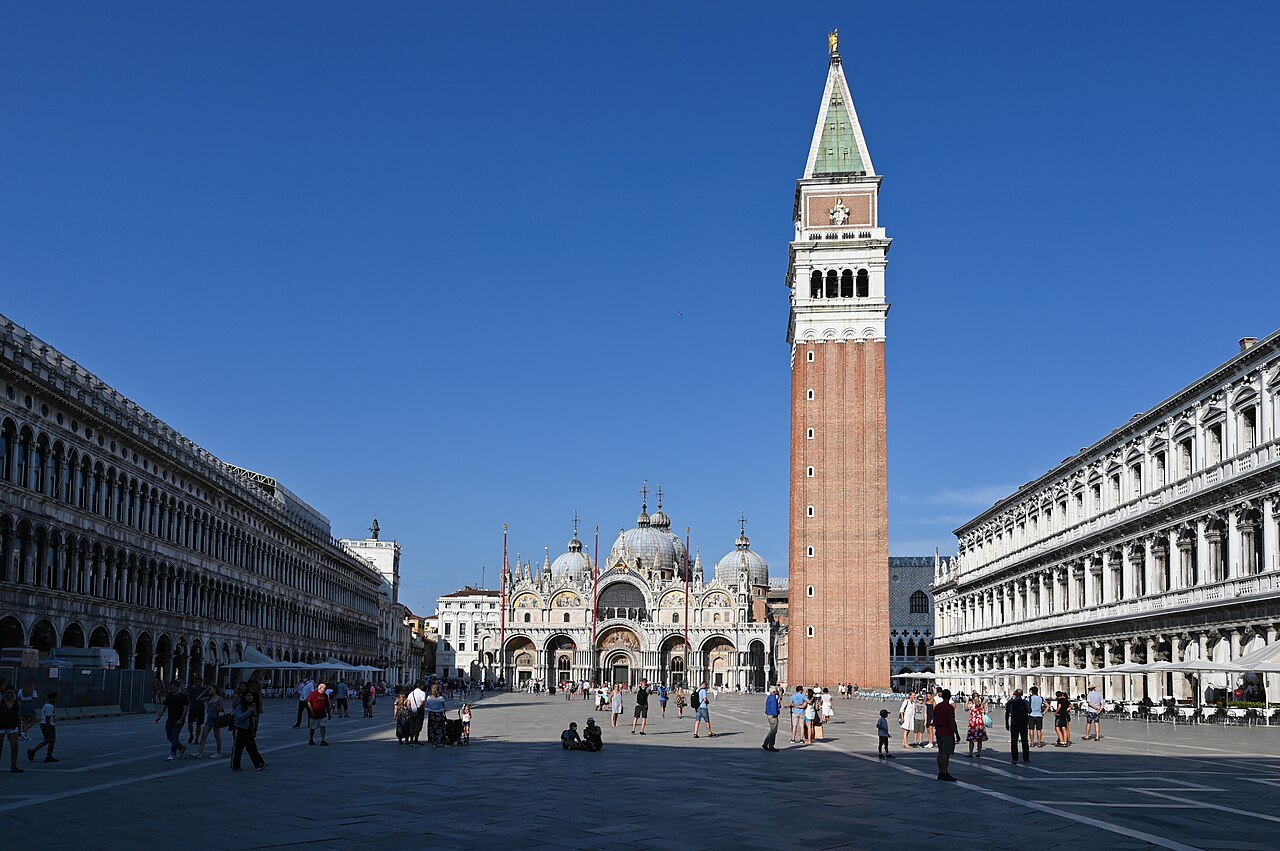 San Marco3The CampanileThe tallest structure in Venice at 323 feet, rebuilt by 1912 after the old tower fell in 1902.
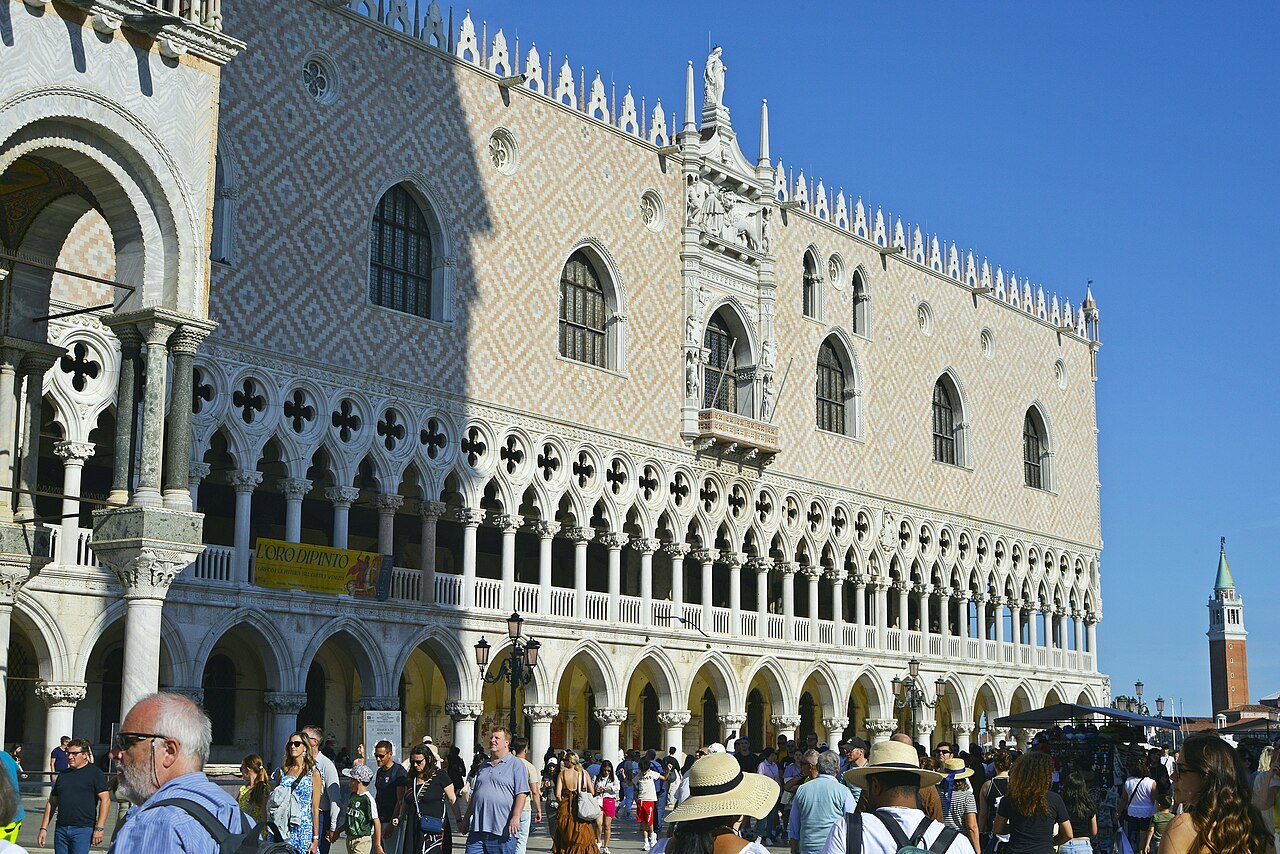 San Marco4The Doge's PalaceGovernment offices, a jail and the doge's home in one Gothic palace, rebuilt from 1340 and a museum since 1923.
On the Grand Canal
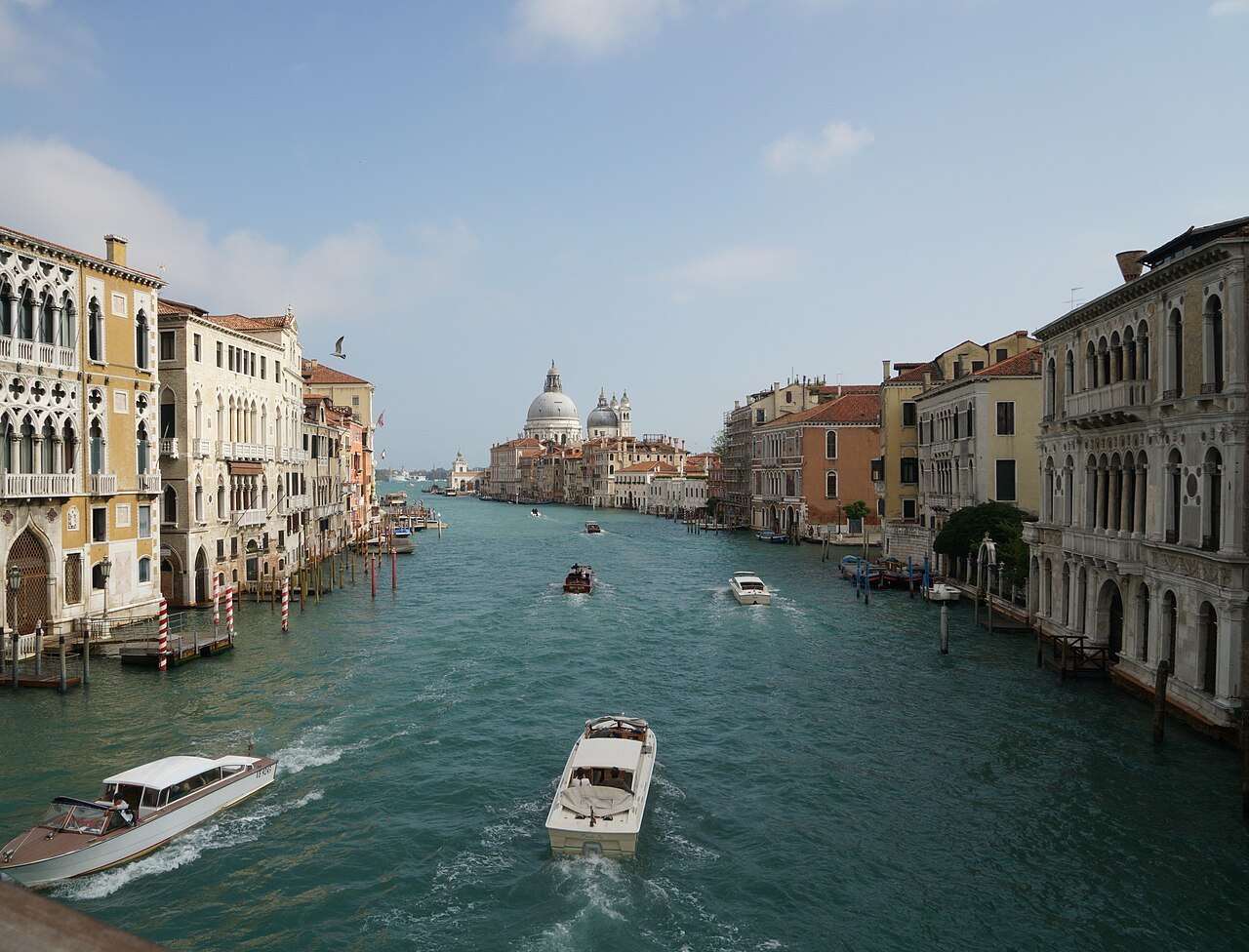
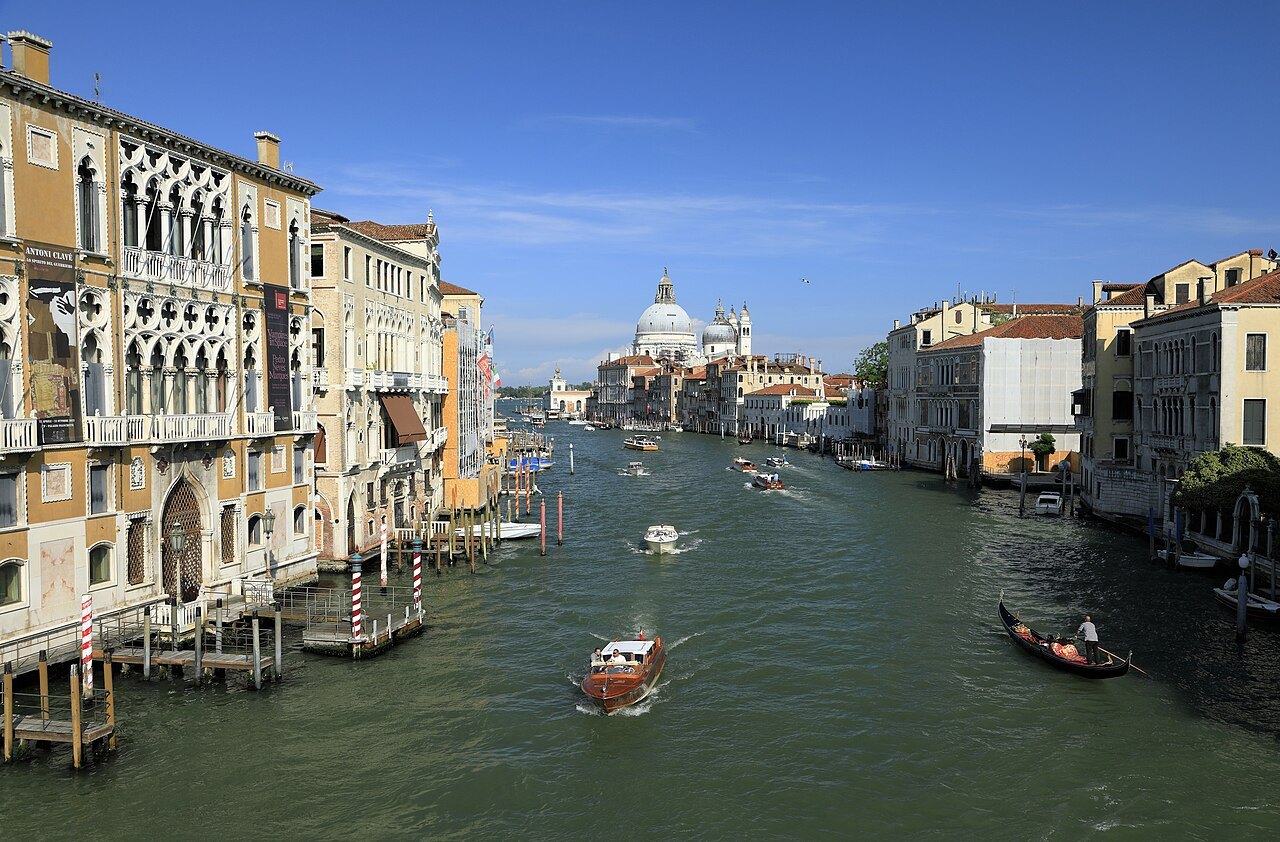
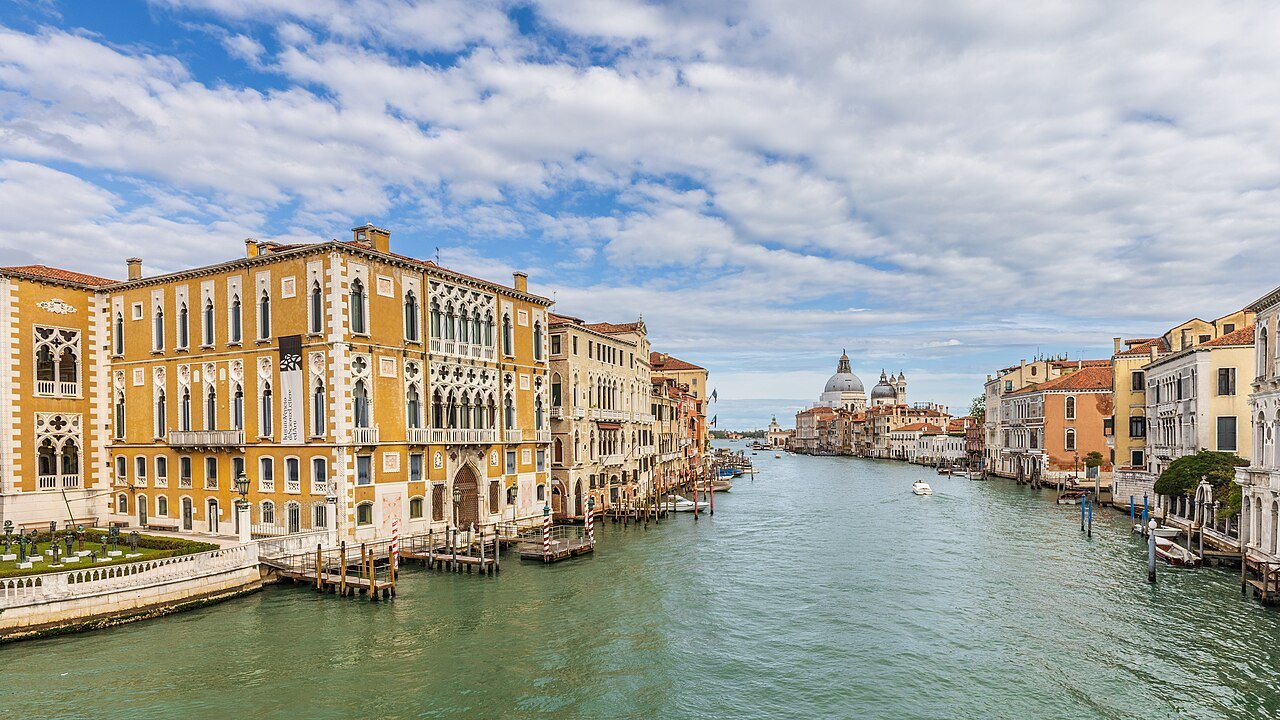
The main street, its oldest bridge and its market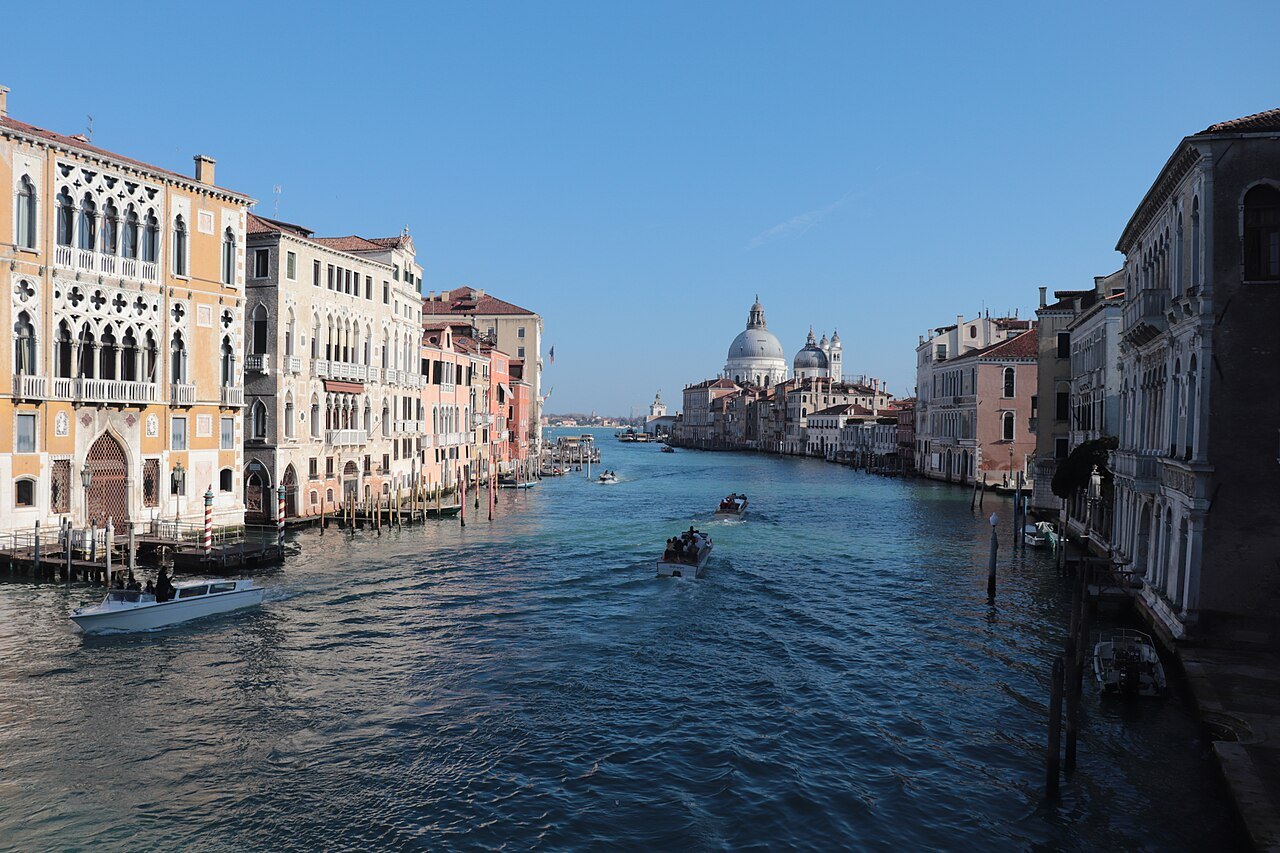 San Marco · San Polo · Dorsoduro5The Grand CanalThe city's main street, a reverse S nearly two and a half miles long, lined with more than 170 buildings.
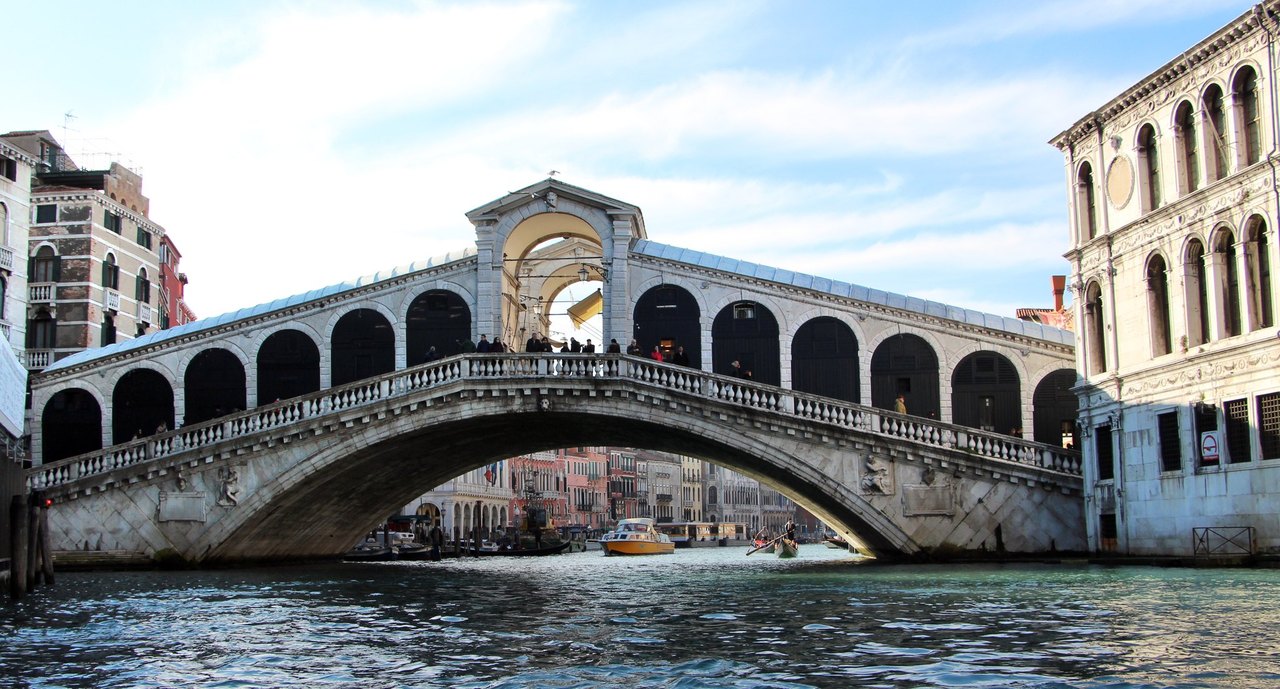 San Marco · San Polo6The Rialto BridgeThe oldest of the four bridges over the Grand Canal: one stone span, built from 1588 to 1591.
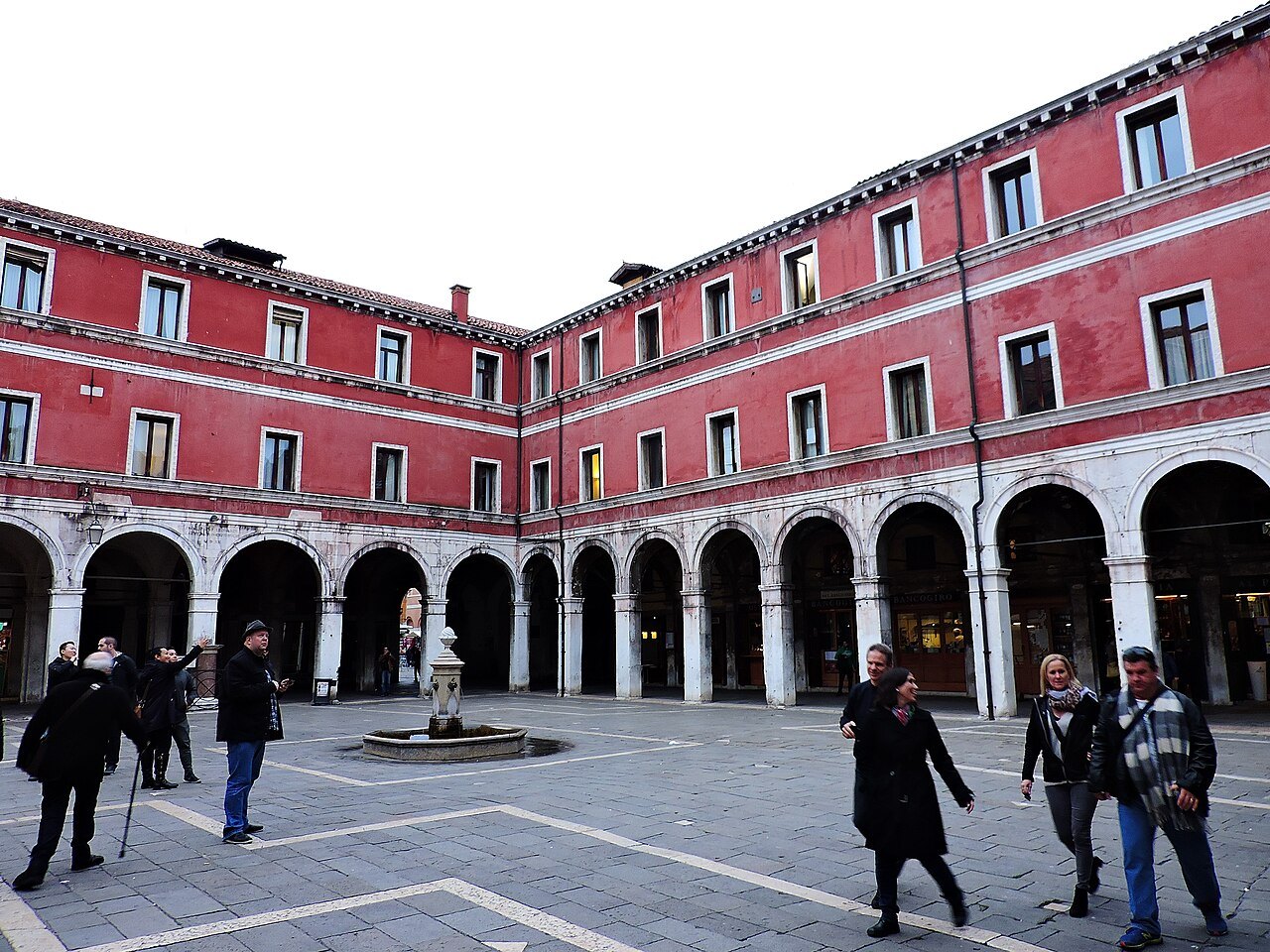 San Polo7The Rialto MarketA market on this bank since 1097, in the oldest part of the city — fish in the arcaded Pescaria, fruit and vegetables beside it.
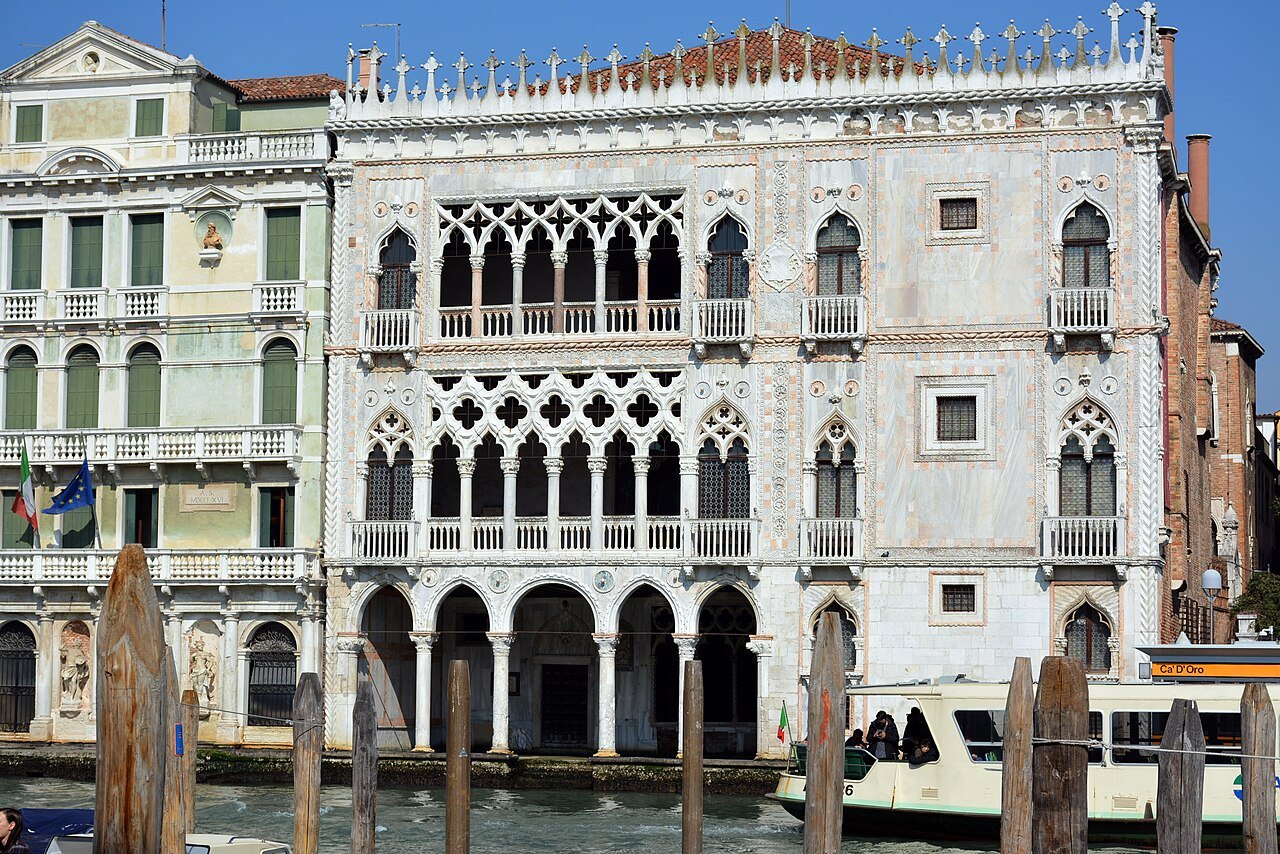 Cannaregio8The Ca' d'OroThe House of Gold, the best-surviving Gothic palace on the Grand Canal and a museum since 1927.
Across the canal
San Polo and Dorsoduro, the churches and the galleries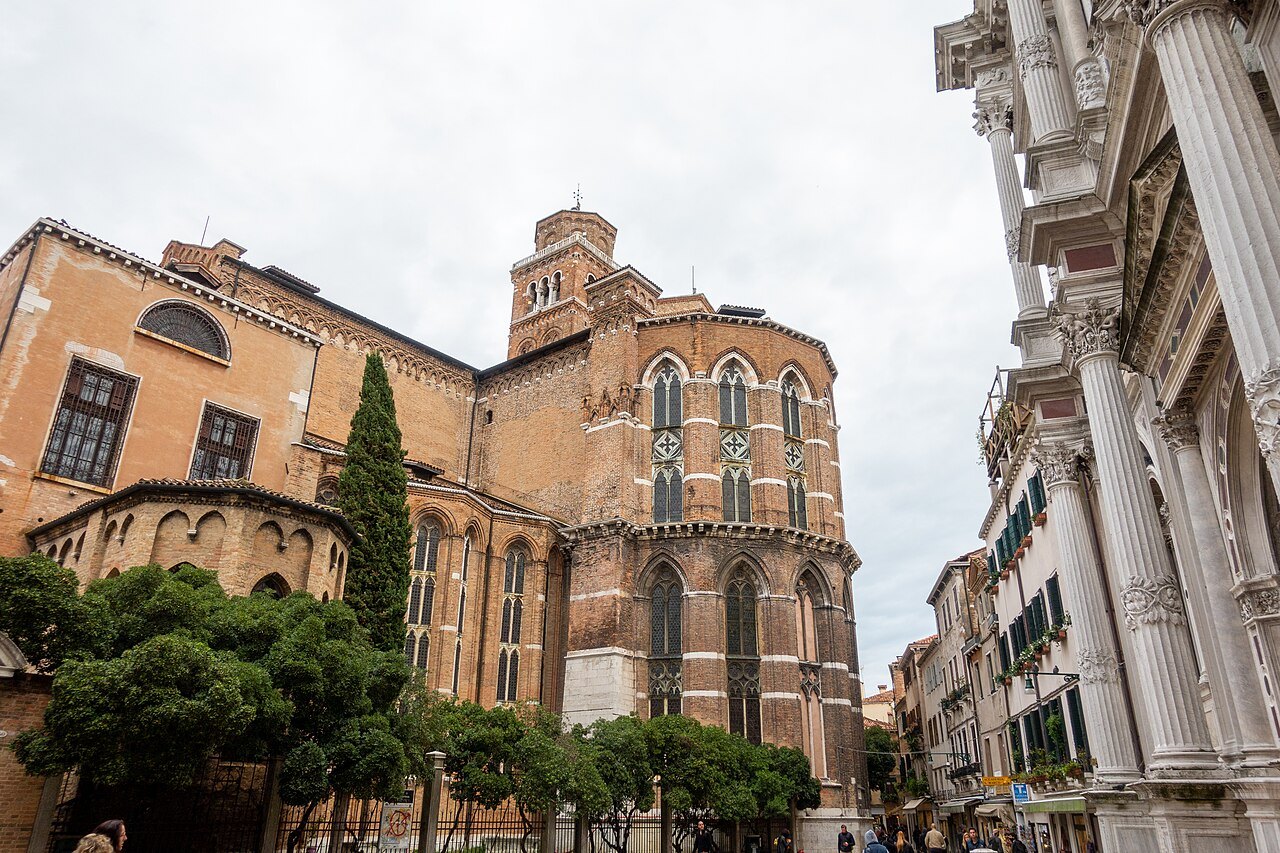 San Polo9The FrariA Franciscan brick giant with Titian's Assumption over the high altar and the only rood screen still in place in Venice.
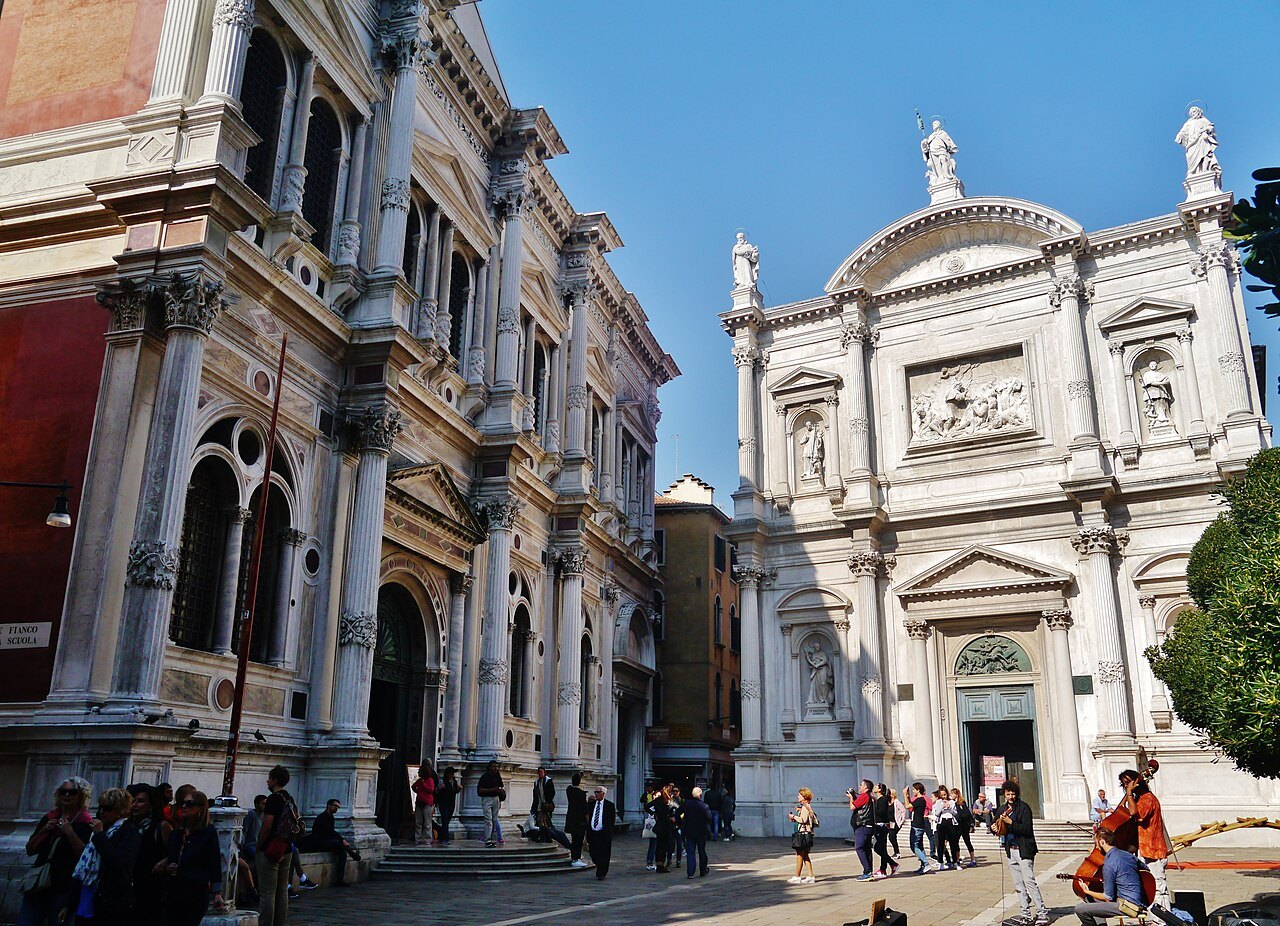 San Polo10Scuola Grande di San RoccoThe meeting house of a confraternity founded in 1478, its halls painted by Tintoretto.
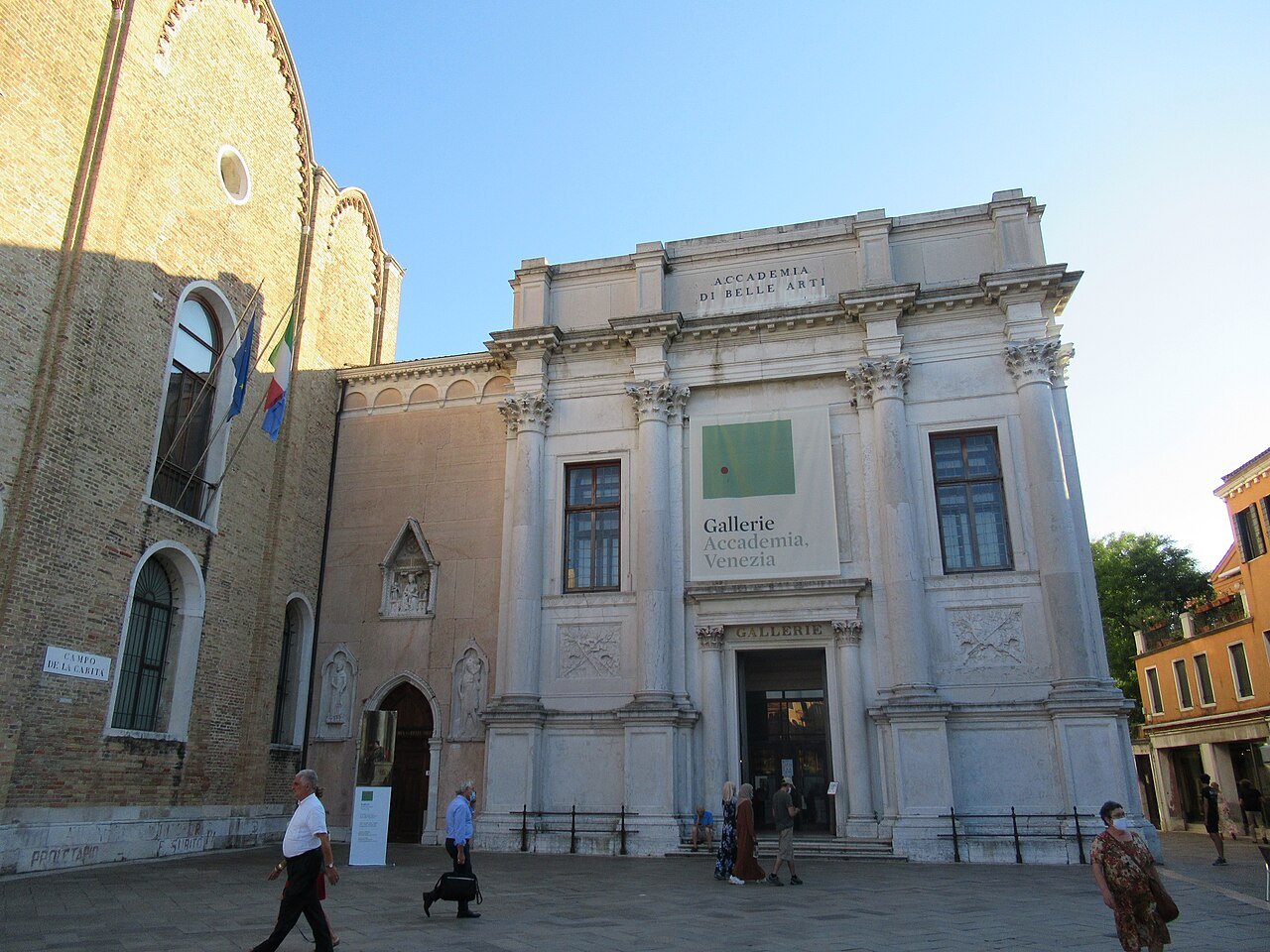 Dorsoduro11The AccademiaVenetian painting before the nineteenth century, in the old Scuola della Carità on the south bank of the Grand Canal.
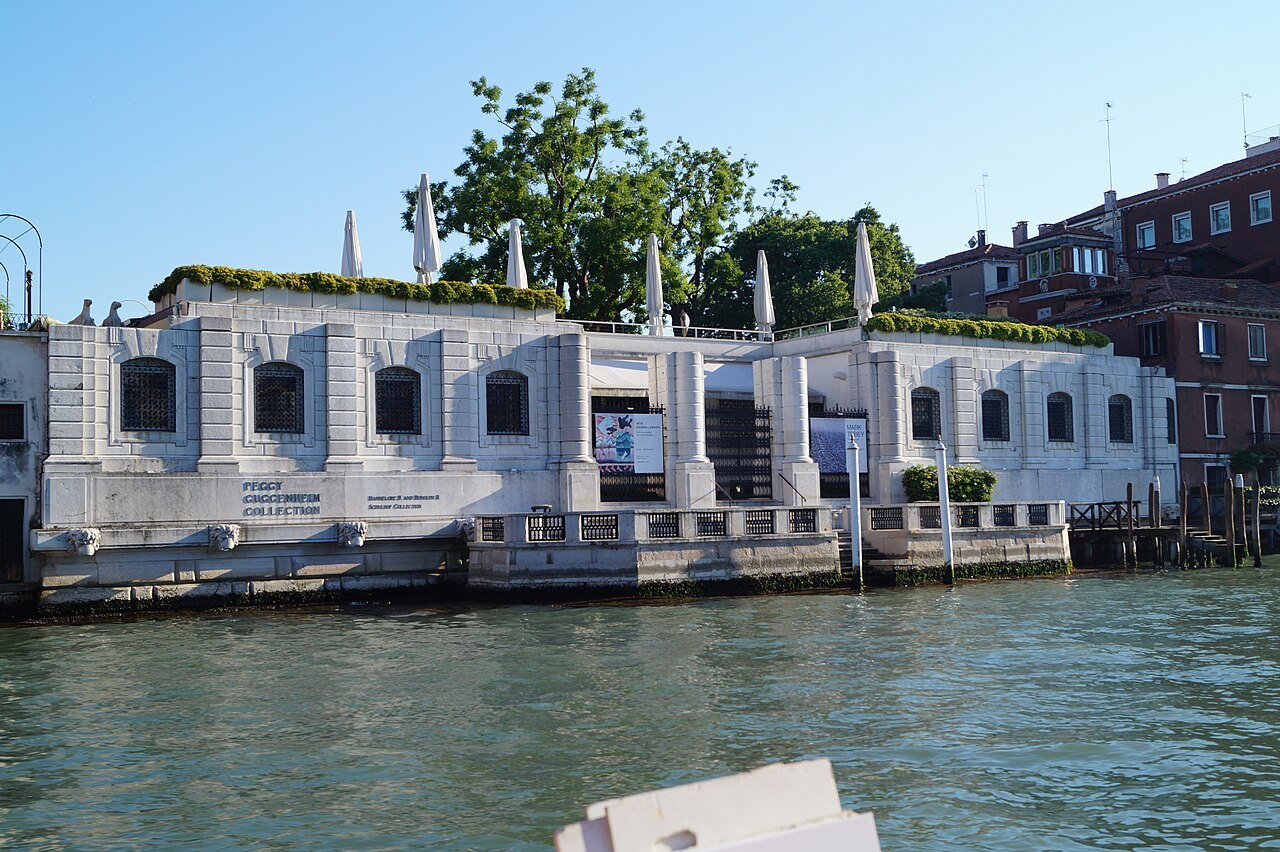 Dorsoduro12The Peggy Guggenheim CollectionModern art in the unfinished palace where Peggy Guggenheim lived for three decades.
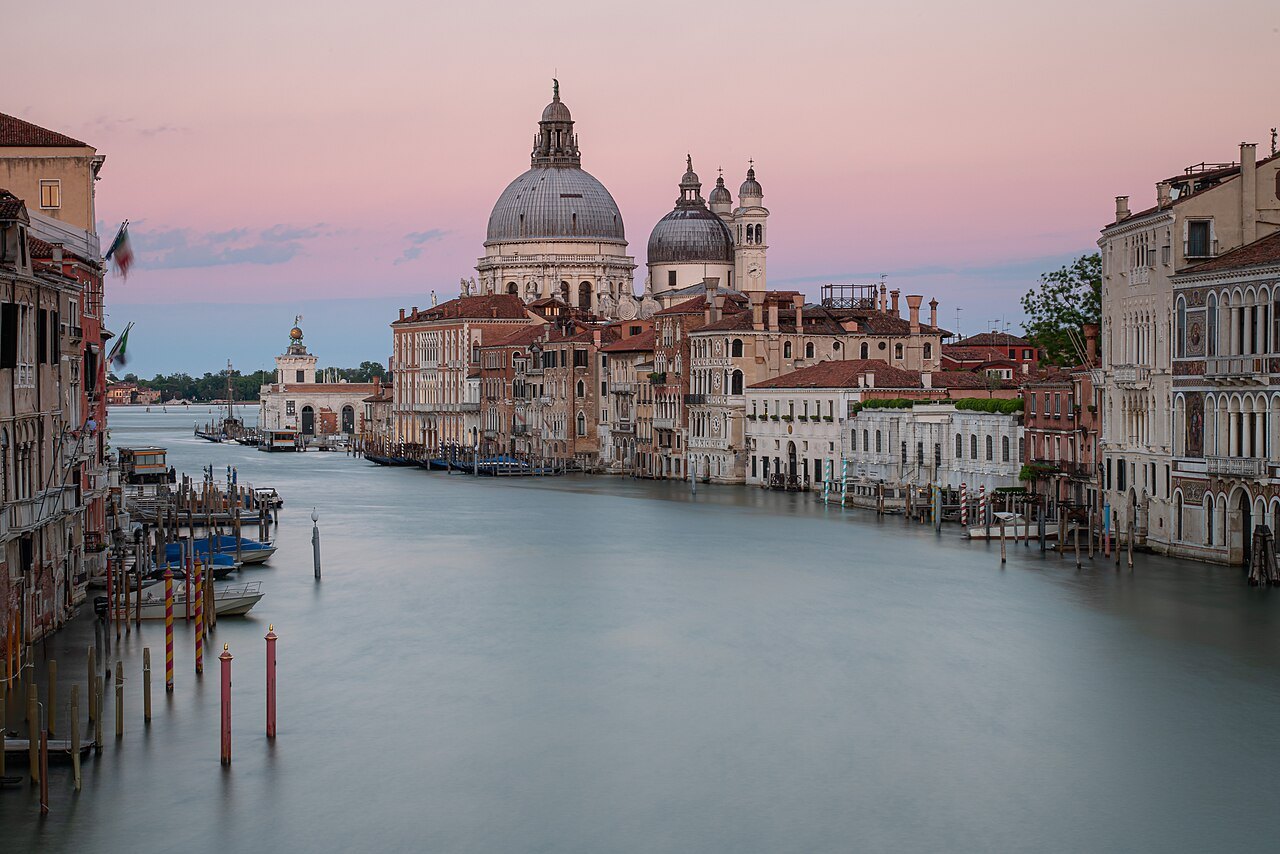
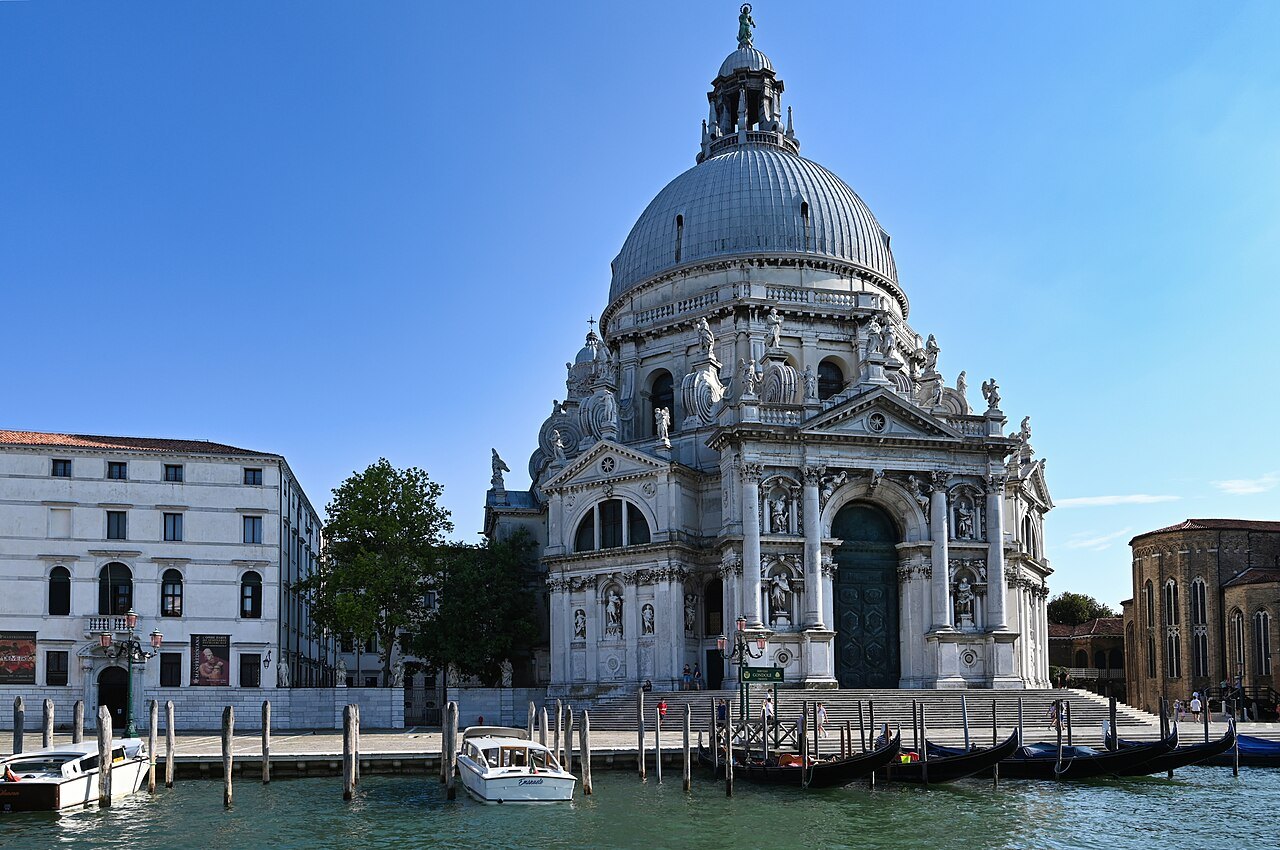 Dorsoduro13Santa Maria della SaluteA votive church begun in 1631, after the plague of 1630, on the point where the Grand Canal meets the basin.
East and north
Castello and Cannaregio, the shipyard and the Ghetto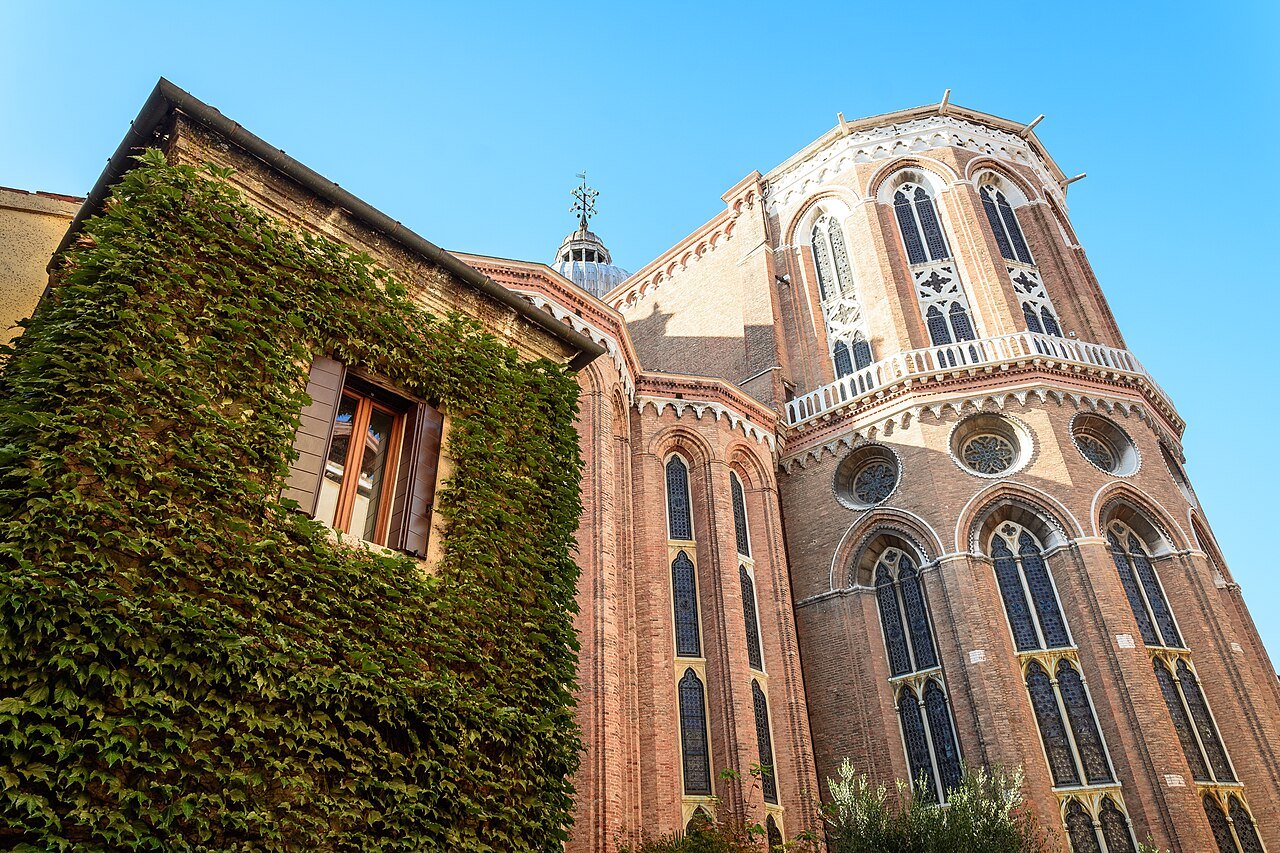 Castello14Santi Giovanni e PaoloThe Dominicans' vast brick church, consecrated in 1430, where twenty-five doges are buried.
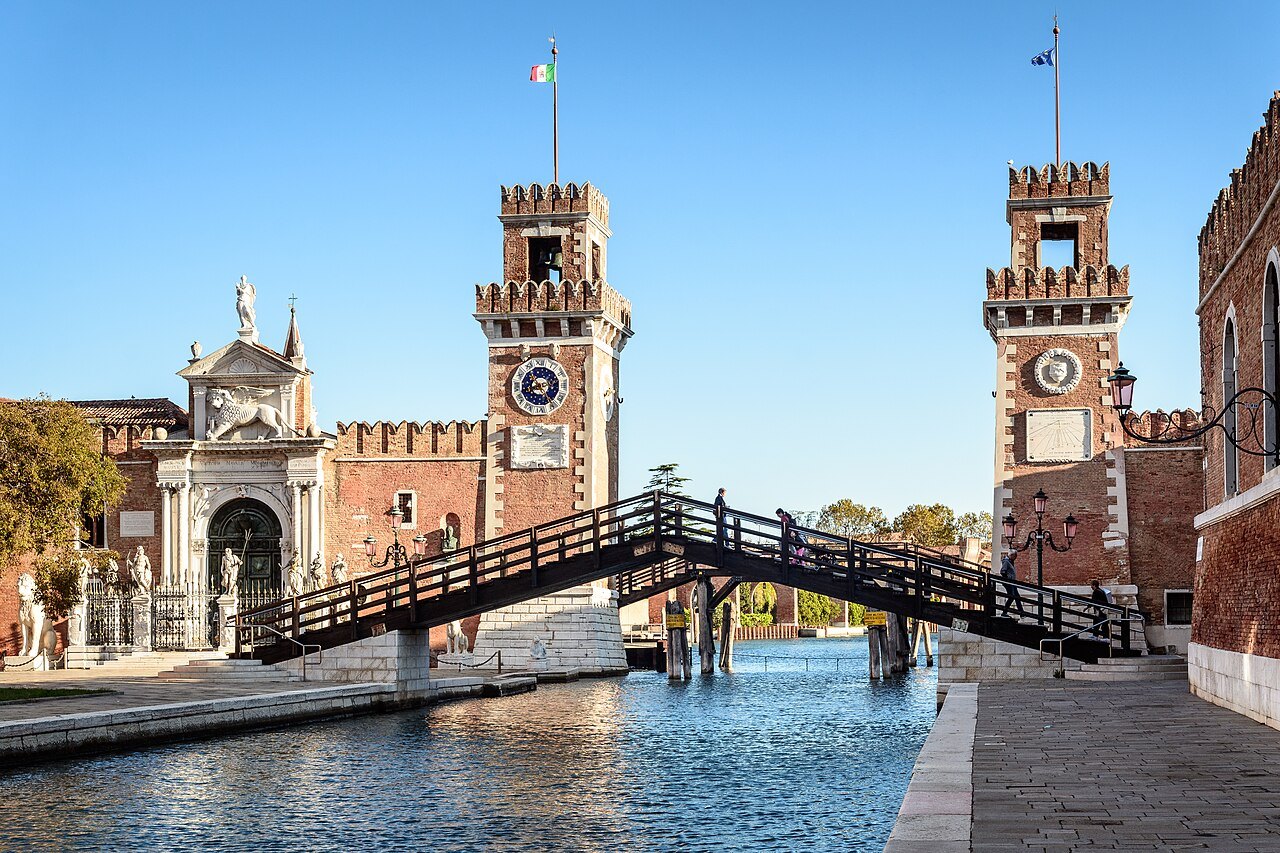 Castello15The ArsenaleThe Republic's shipyard, begun around 1104 — at its height the largest industrial complex in Europe.
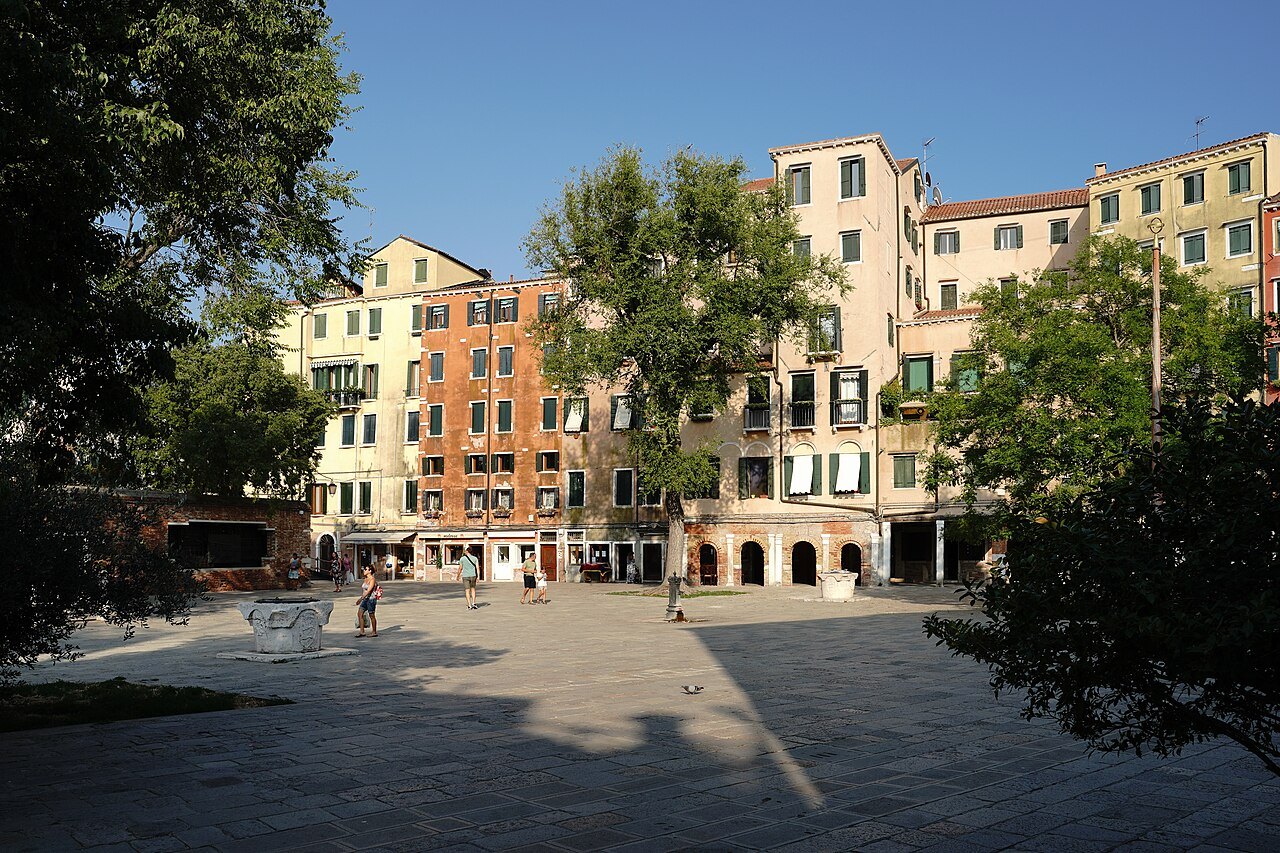 Cannaregio16The GhettoInstituted on 29 March 1516, the place that gave the English language the word ghetto.
Out on the water
An island across the basin and three in the northern lagoon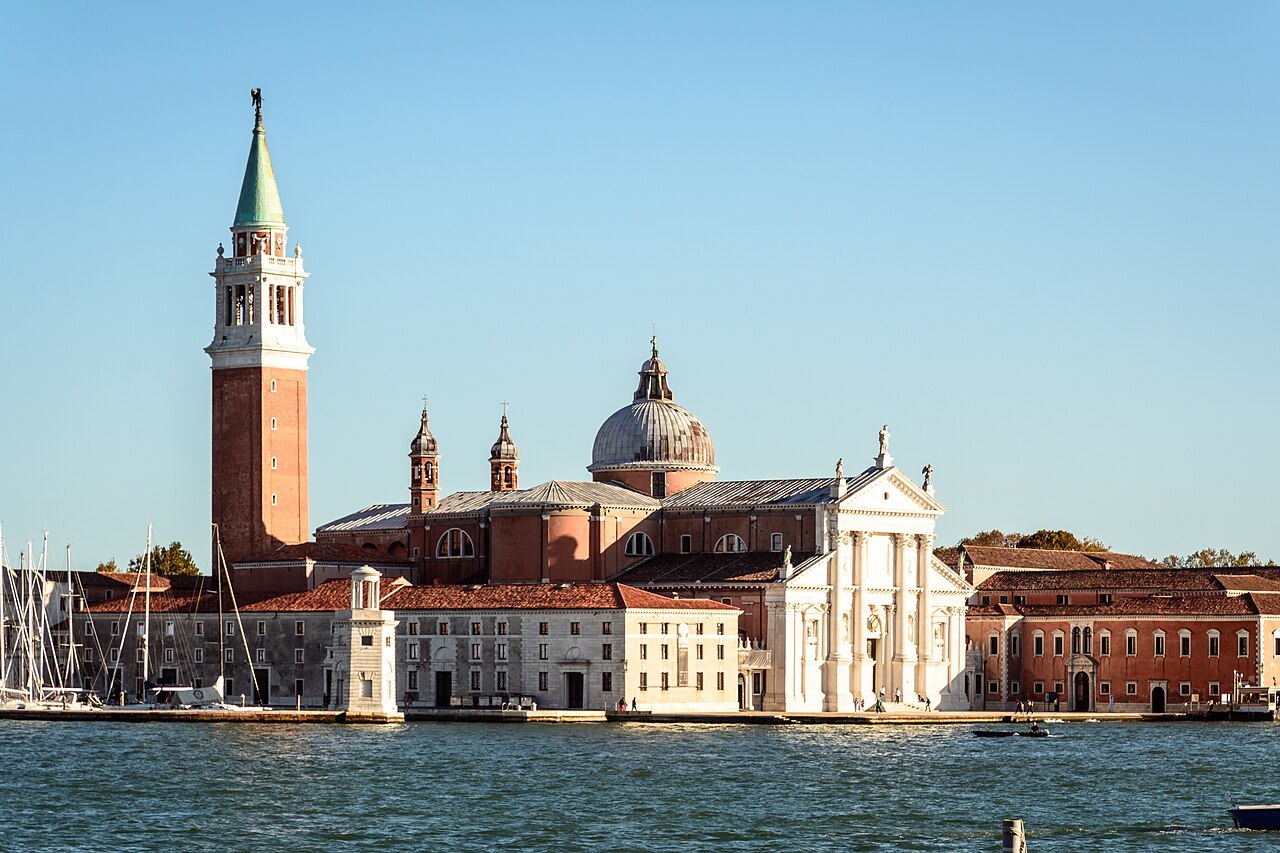 Isola di San Giorgio17San Giorgio MaggiorePalladio's white church on its own island across the basin, built between 1566 and 1610.
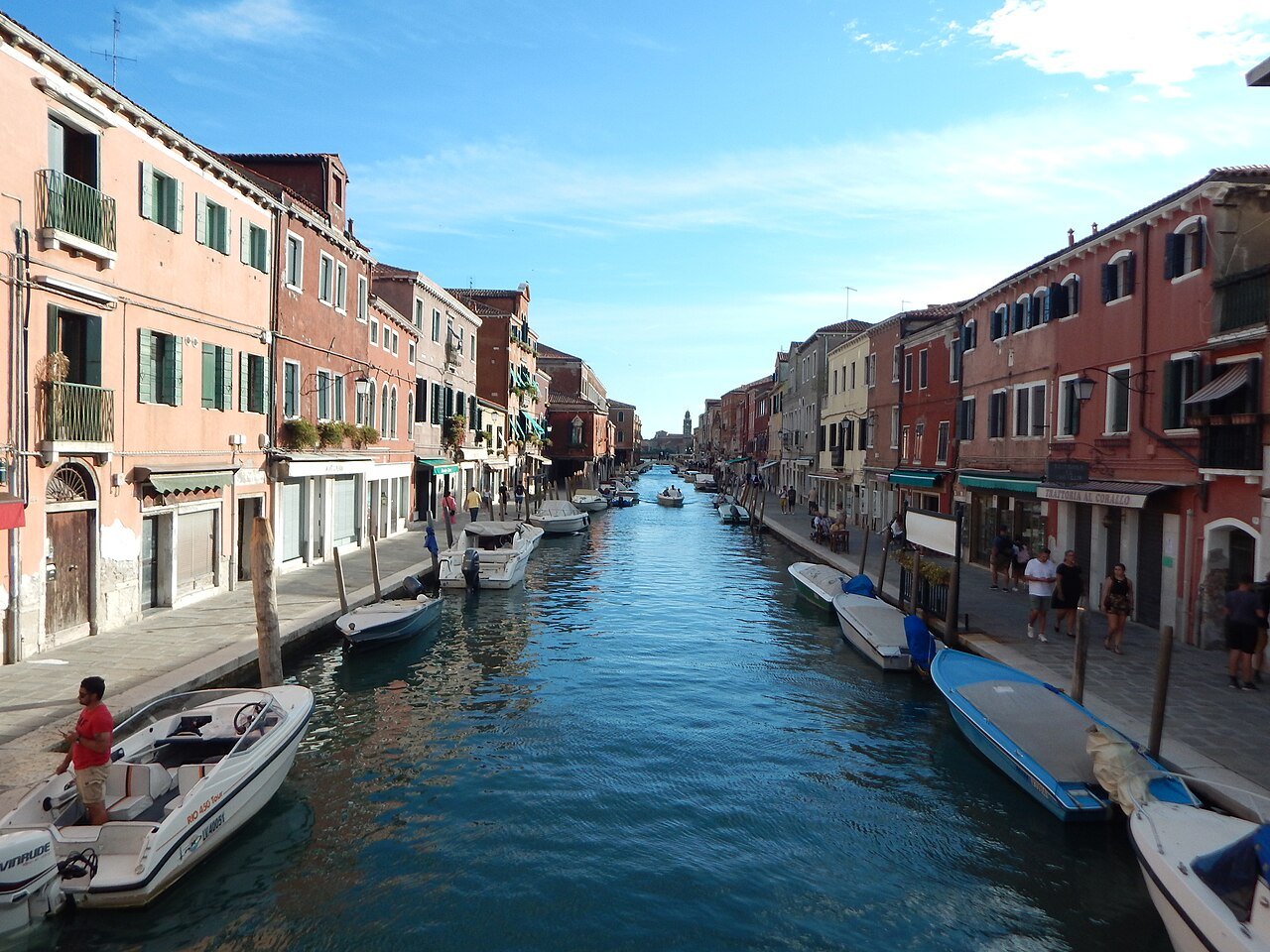 The lagoon18MuranoA cluster of islands about a mile north of the city, famous for its glass furnaces.
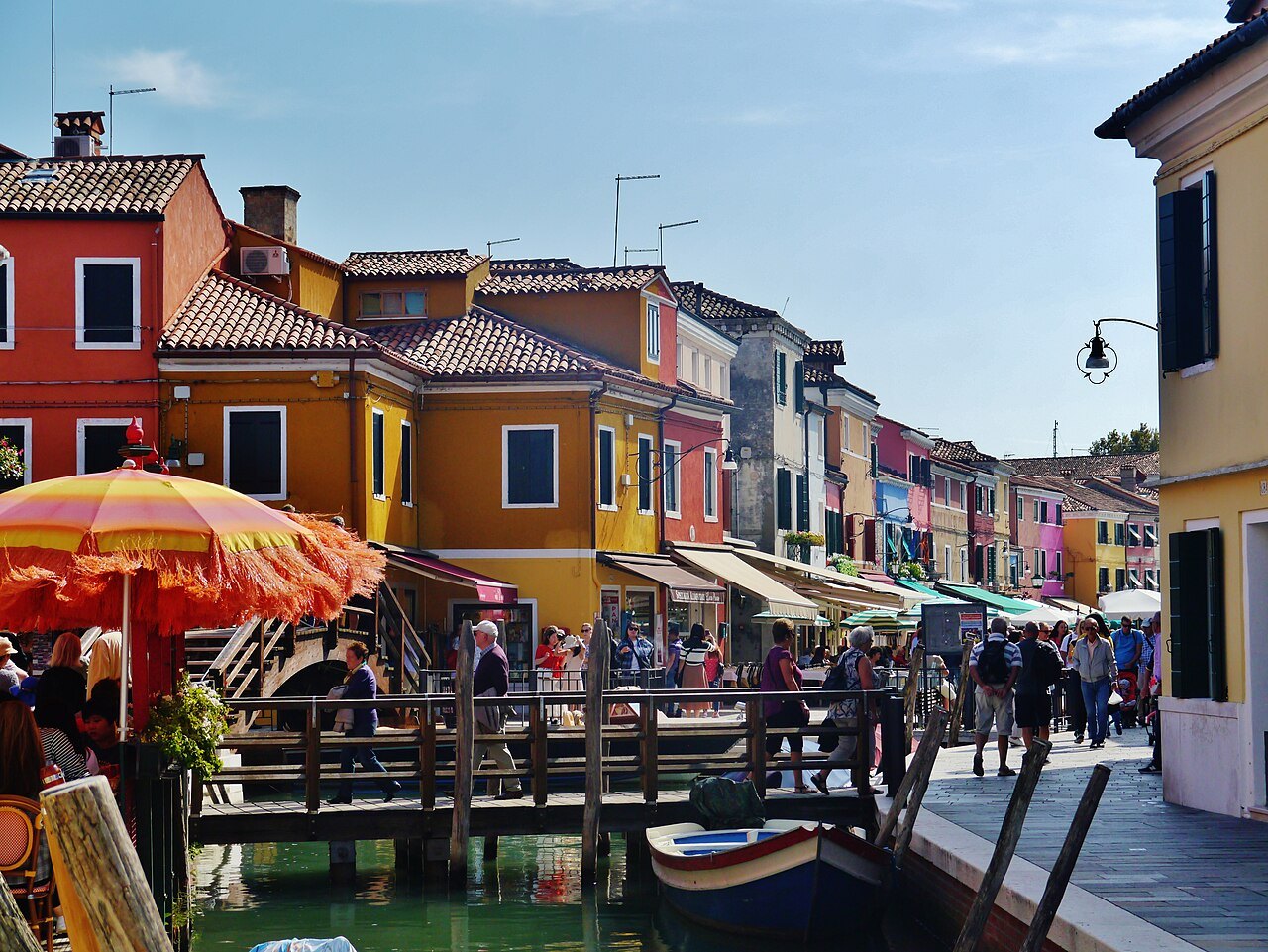 The lagoon19BuranoLace and brightly painted houses, 45 minutes from St Mark's by water bus.
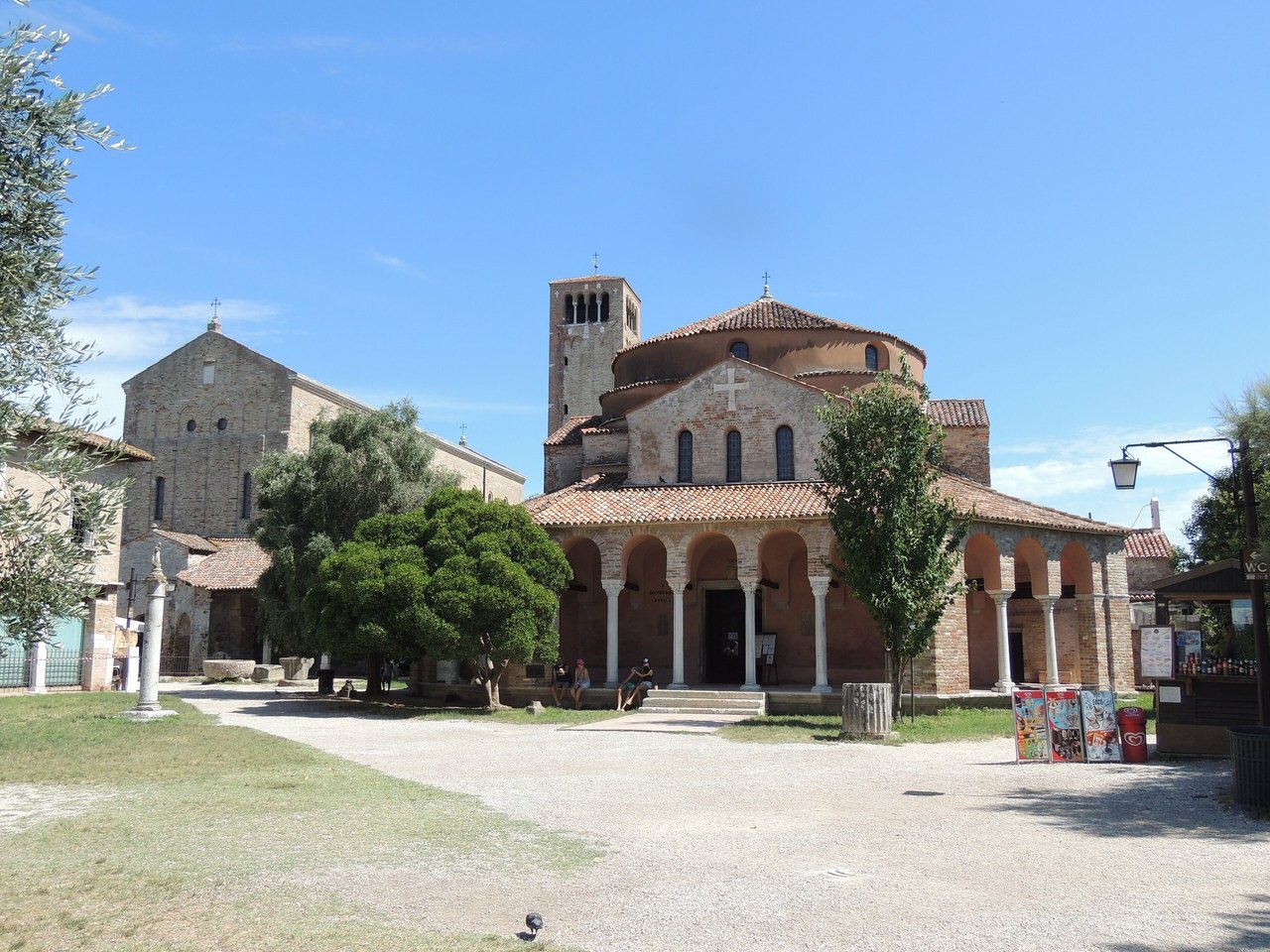 The lagoon20TorcelloFirst settled in 452, it had a cathedral and bishops before St Mark's was built.
In fullII
The Sights
How the sights are grouped
The twenty sights below are grouped the way you will visit them, by place rather than by type. Venice is a city of districts, and a day spent among neighboring sights is spent looking rather than walking back and forth (see the sestieri and itineraries). Each page gives the history, what you see and how to visit, and each ends with the sights nearest to it.
Almost everything here was built while Venice was an independent republic, which lasted until Napoleon's army ended it in 1797, and much of it is far older than that. Many of its paintings still hang in the churches and meeting houses they were painted for, which is the great pleasure of seeing art in Venice: at the Frari, at San Rocco or at San Giorgio, you see a picture where its painter meant it to be seen, in the light he painted it for.
Around the Piazza
Piazza San Marco is the only square in Venice called a piazza, and the place where the Republic showed itself to the world, closed on three sides by the long arcades of the Procuratie, with the Torre dell'Orologio and its great clock over the gateway to the Mercerie. At its eastern end stands St Mark's Basilica, the doges' chapel built to hold the relics of the evangelist brought from Alexandria in 828, and rebuilt from 1063 on the model of a church in Constantinople, its domes and vaults lined with gold mosaic.
Beside it, the Doge's Palace was the seat of the government for centuries, its Gothic arcades facing the lagoon and its council halls hung with Tintoretto and Veronese, with the Bridge of Sighs leading to the prisons across the canal. Across the square, the Campanile is not the tower the Venetians built: the original collapsed in 1902 and was rebuilt as it had been by 1912. Its lift takes you up for the clearest view of how the city is laid out.
On the Grand Canal
The Grand Canal is the city's main street, a reverse S nearly four kilometers long, lined with palaces and crossed by only four bridges. The oldest crossing is the Rialto Bridge, the stone arch by Antonio da Ponte completed in 1591 on a site crossed by bridges since the twelfth century. Beside it, the Rialto market has fed the city since 1097, with its fish market under the Pescaria and its fruit and vegetables in the Erbaria. Seeing the canal is simple: ride Line 1 of the water bus its whole length, slowly, from the station to San Marco. Upstream from the market, the Ca' d'Oro, the golden house, is the finest Gothic palace on the canal and now a gallery.
Across the canal
The two great churches of the friars hold much of the best painting in Venice. The Frari, the Franciscans' church in San Polo, has Titian's Assumption over its high altar and his tomb, and Canova's. Next door, the Scuola Grande di San Rocco is Tintoretto's great work, the meeting house of a confraternity he decorated over more than twenty years, from 1564.
In Dorsoduro, the Gallerie dell'Accademia is the collection of Venetian painting from its beginnings to the eighteenth century, from Bellini and Giorgione to Titian, Veronese and Tintoretto. The Peggy Guggenheim Collection, in her unfinished palace on the Grand Canal, holds her collection of twentieth-century art, Cubists, Surrealists, Italian Futurists and the Americans she championed, Jackson Pollock among them, and is one of the most visited places in the city. And at the mouth of the canal, the Salute, Longhena's great domed church, was vowed in 1630 for the end of a plague.
East and north
In Castello, Santi Giovanni e Paolo, the Dominicans' great Gothic church, is the burial place of twenty-five doges, and Verrocchio's equestrian statue of Colleoni stands in the campo outside. Farther east, the Arsenale was the Republic's shipyard, founded in 1104 and once the largest industrial site in Europe, behind its walls, towers and the Porta Magna guarded by stone lions.
In Cannaregio, the Ghetto is the quarter where the Republic confined the Jews of Venice from 1516 until 1797, and the place that gave the world the word ghetto. Its tall houses, five historic synagogues and museum make it one of the most moving places in the city.
Out on the water
Across the basin from the Piazzetta, San Giorgio Maggiore is Palladio's white church on its own island, built between 1566 and 1610, with Tintoretto's Last Supper inside and the best view of the city from its bell tower.
In the northern lagoon, Murano has been the island of glass since the Republic moved its furnaces there in 1291, and its glassworks still let visitors watch a master shape molten glass at the furnace. Burano, farther out, is the fishing village of lace and painted houses. And Torcello, almost empty now, is where the story began: settled in 452, it had a cathedral before Venice did, and its mosaics of the Last Judgement are among the finest in the lagoon (see the lagoon).
Before you go
A handful of these sights are worth booking ahead, above all the basilica, the Campanile, the Doge's Palace and the Guggenheim; most of the rest you can simply walk into (see booking ahead). Many are working churches, which close to visitors for services and ask for modest dress. Check each place's official site for its hours on the day you go; this guide gives no opening times or prices, because they change and the official sites are the only reliable source.
Twenty sights are not all of Venice. The civic museums of the Museo Correr on the Piazza and Ca' Rezzonico, a palace on the Grand Canal given over to eighteenth-century Venice, the opera house of La Fenice, the Scuola Grande di San Marco and dozens of parish churches, each with a painting or two worth the detour, are waiting in the lanes between them. Use these pages as a frame, and fill it by walking.