THE DAY-VISITOR FEE · DATES, EXEMPTIONS AND THE QR CODEI
The Venice Access Fee: Who Pays, Who Registers, and When
On its busiest days, Venice charges day visitors a fee to enter the historic center, and asks nearly everyone else to register an exemption. How the fee works, who pays, who is exempt, who must still register, where it applies, and how to check the rules for your dates.
The answer in fullII
Read on
The short answer
On a published list of busy days, mostly weekends and holidays from spring into early summer, the city of Venice charges day visitors a fee to enter the historic center during the daytime hours it sets. You register online in advance and receive a QR code, which you show if you are checked.
Many visitors are exempt, above all anyone staying the night in the municipality, and children under fourteen. But being exempt is not the same as doing nothing: most exempt visitors, overnight guests among them, still have to register their exemption and carry a code. If you are coming on a fee day, check the city's official access-fee site for your dates, and register whether or not you expect to pay.
Some links on this page are affiliate links. If you book through one we may earn a commission, at no extra cost to you. It does not affect what is recommended here, and no sight page on this site carries one.
Somewhere to leave a suitcase on the last day.
Why Venice charges it
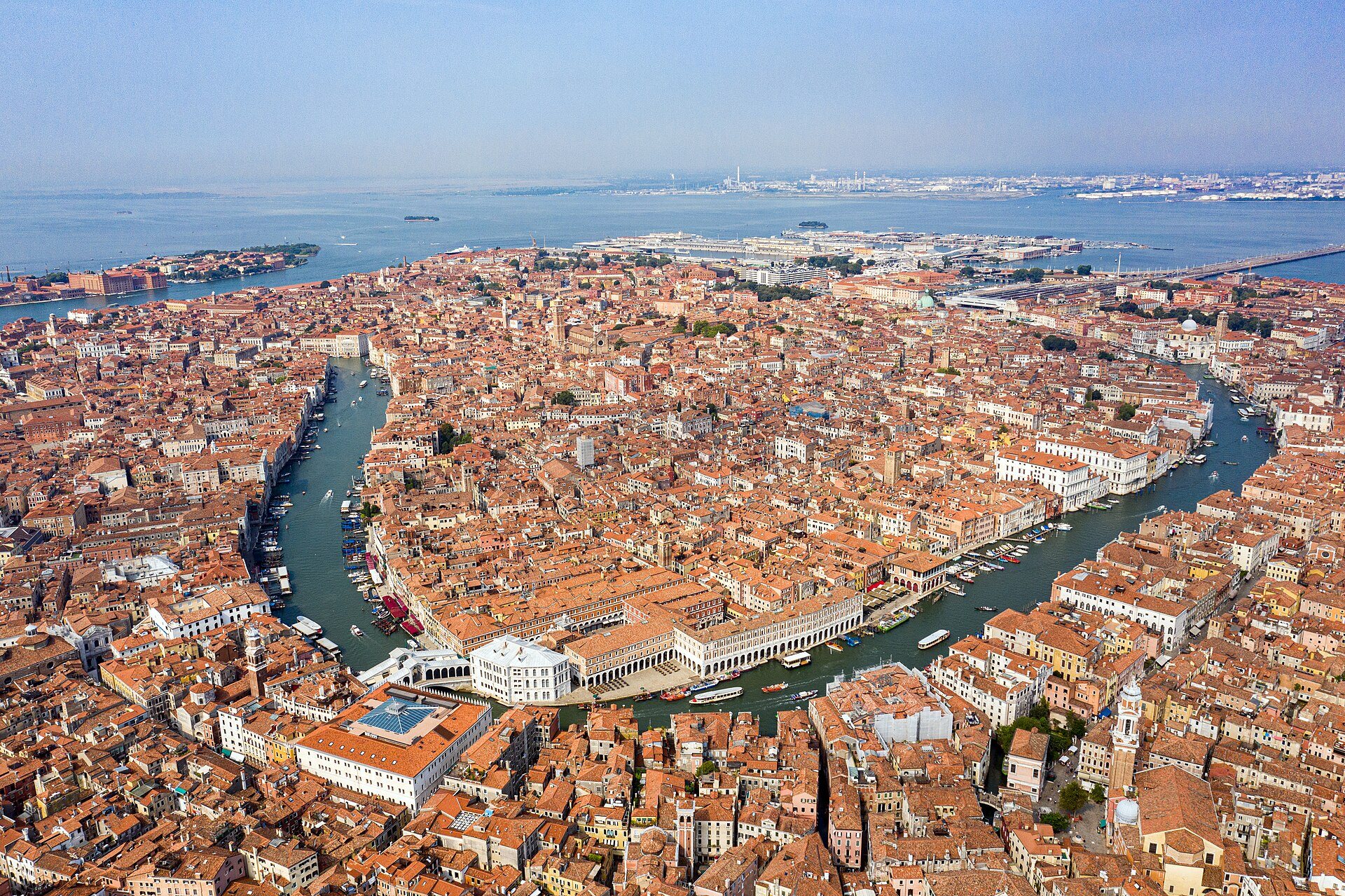
Venice receives many millions of visitors a year, and a large share of them come only for the day. In the peak season Piazza San Marco and the approaches to the Rialto can become too crowded to walk through, and day visitors spend relatively little in the few hours they stay, while the city bears the cost of cleaning and managing the crowds.
The numbers explain the design. When the fee was first proposed, the city counted around twenty-eight million visitors a year, of whom overnight guests, already paying a tax on every night they stay, made up only around forty percent. The rest were day visitors, and the fee was meant to fall on them, and to spread them away from the busiest days, without charging those who sleep in the city.
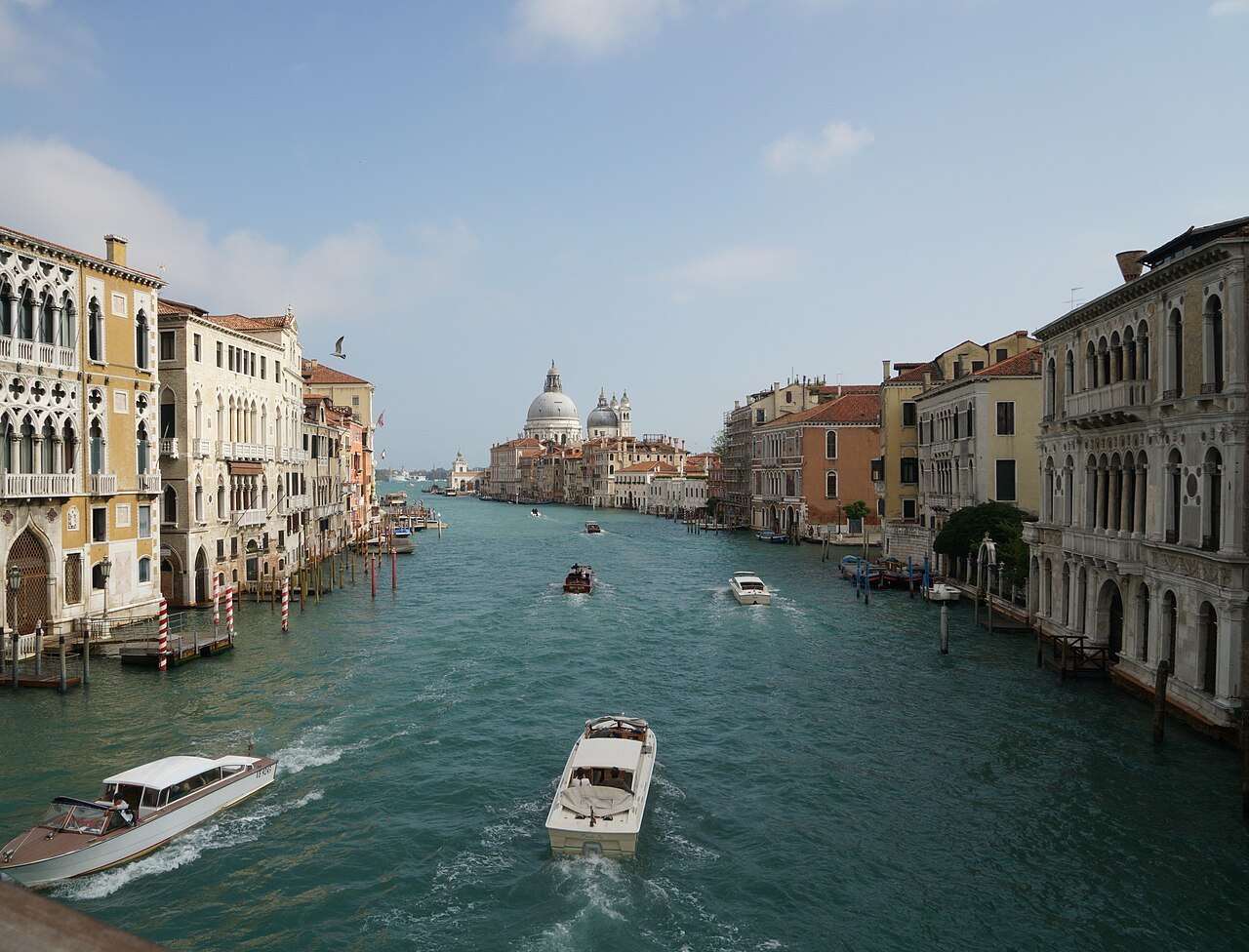
The city council voted for an access fee in February 2019, meaning to charge day visitors to the historic center while exempting overnight guests, who already pay a lodging tax. The start was postponed more than once, not least by the pandemic, and the fee was first tried in 2024. The 2025 season extended it to more days, and from season to season the city has adjusted the dates, the amount and the rules. Critics say it makes Venice feel like a theme park with an entrance; the city says it is a way to manage the crowds on the worst days.
When and where it applies
The fee applies only on the days the city publishes for each season, which have so far fallen mostly between April and July, with weekends at their core and some whole weeks around holidays. On those days it applies during set daytime hours; arriving outside them, or on any other day of the year, costs nothing.

It covers the historic city, the six sestieri on their islands. It does not apply to the other islands of the lagoon, such as the Lido, Pellestrina, Murano, Burano and Torcello, nor to the transport hubs at the edge of the city: a traveler changing trains at Santa Lucia or passing through Piazzale Roma without entering the city is outside it. If your day on a fee date is spent only on the islands, check the rules for how to reach them without entering the historic center (see the lagoon).
Who pays
Visitors aged fourteen and over who come into the historic center for the day, on a fee day, during the hours it applies, pay the fee, unless they fall into one of the exempt groups. The amount is set by the city for each season, and in recent seasons it has been lower for those who register several days ahead than for those who register at the last minute. This article gives no figures, because they have changed every year; the official site has the current ones.
Registration is online, on the city's official access-fee site. You give your details and your date, pay if you owe the fee, and receive a QR code to keep on your phone or on paper.
Who is exempt, and who must still register
The largest exempt group is overnight guests: anyone staying the night in accommodation anywhere in the municipality of Venice, including Mestre and the Lido, pays a lodging tax instead. Children under fourteen are exempt. So are residents of the Veneto region, students at the city's schools and universities, people who work or commute in the city, people with disabilities, and relatives visiting residents, along with smaller groups listed in the city's rules, such as people attending medical appointments or funerals.
Exempt does not mean invisible. Overnight guests must still register their stay to obtain a free code, usually by giving the name of their accommodation and a booking reference on the official site; some accommodation providers help guests do it. Some other groups need only show an identity document, a badge or a card if they are checked, while others must file an exemption request in advance. The official site says which applies to whom; check it rather than assuming.
Checks and what happens without a code

On fee days, staff working for the city check codes at the main points of arrival and make random checks in the city during the hours the fee applies. Show your QR code, paid or exempt, when asked.
The city's rules provide for a penalty for visitors who should have paid and have not, on top of the fee itself. The penalties, like the fee, are set by the city and have been revised; this article does not repeat them. The simple way to avoid the question is to register before you travel.
How it fits with everything else
The access fee is a charge for entering the historic center on certain days, and nothing more. It does not include transport: the water bus, run by ACTV, has its own tickets and travel cards, and paying one does not cover the other (see the vaporetto). Nor does it include entry to any museum or church.
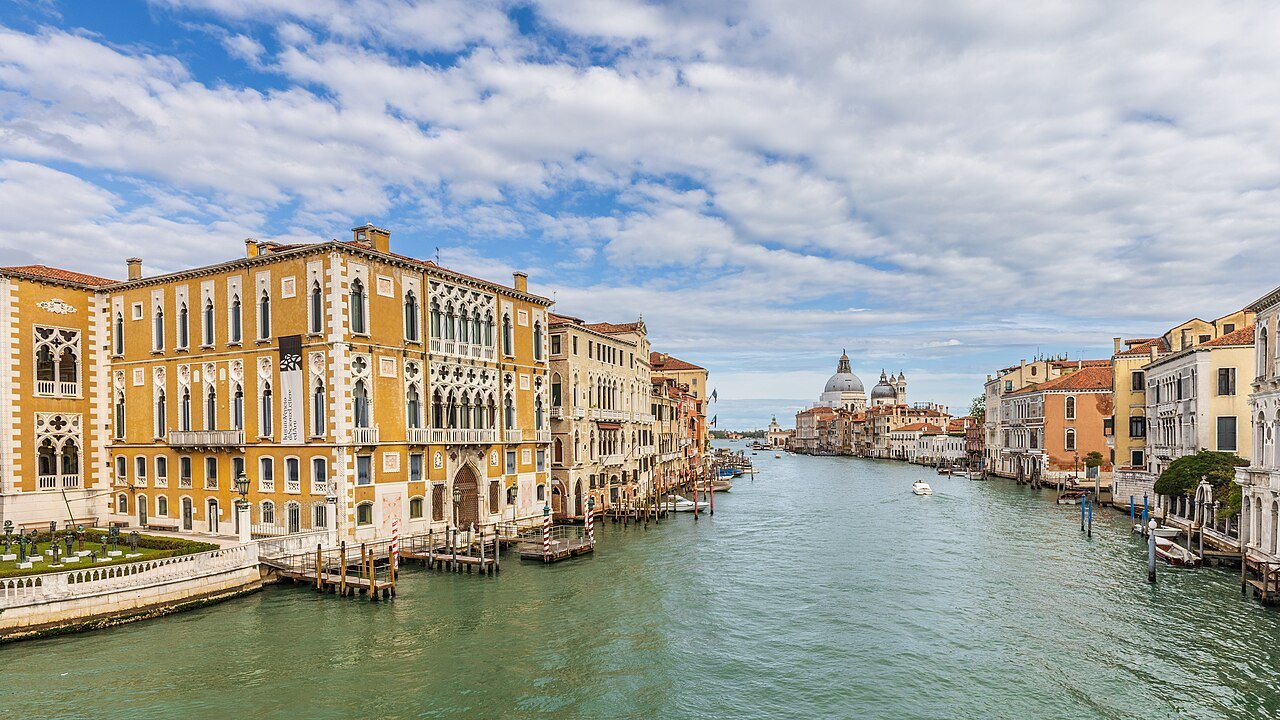
For most visitors the practical sequence is short. Check whether your dates are fee days. If they are, and you are coming for the day, register and pay ahead, when it costs less. If you are staying the night anywhere in the municipality, register your exemption with your booking details. Keep the code on your phone. And consider staying overnight: it is the one choice that removes the fee and gives you Venice in the early morning and the evening, when the day visitors have gone (see booking ahead).
Read nextIII
More from the journal
- Getting HereVenezia Mestre Is Not Venice: The Commonest Arrival MistakeMestre is part of the municipality of Venice but not the island city: a mainland town across the lagoon with its own station and hotels. How the mix-up happens, how to tell from an address, and what to do if your room turns out to be there.Read the piece →
- Getting AroundHow the Vaporetto Works: Tickets, Passes and LinesThe vaporetto is Venice's bus: numbered lines run by ACTV along the Grand Canal, around the city and out to the islands. How single tickets and time-based travel cards work, how to decide between them, how to validate, and which lines a visitor actually uses.Read the piece →
- When to ComeAcqua Alta in Venice: the Tide, the Sirens and the WalkwaysBetween autumn and spring, exceptional tides flood the lowest parts of Venice. What causes the acqua alta, how the levels are measured, what the sirens mean, where the raised walkways go, what the MOSE barriers changed, and how to plan a day around a high tide.Read the piece →