THE MAINLAND, THE ISLAND, AND THE STATION IN BETWEENI
Venezia Mestre Is Not Venice: The Commonest Arrival Mistake
Mestre is part of the municipality of Venice but not the island city: a mainland town across the lagoon with its own station and hotels. How the mix-up happens, how to tell from an address, and what to do if your room turns out to be there.
The answer in fullII
Read on
The short answer
Mestre is a borough of the municipality of Venice, but it is on the mainland, across the lagoon from the island city. It has roads, cars, buses, a tram line and its own main railway station, Venezia Mestre. It is not the Venice of the canals, and a room there is a commute from the Grand Canal, not a stay beside it.
The mistake visitors make comes in two forms. Some get off the train at Venezia Mestre, one stop short of the island, because the station name begins with Venezia. Others book a hotel described as being in Venice and discover on arrival that it is on the mainland. Both are easy to avoid once you know the geography.
Some links on this page are affiliate links. If you book through one we may earn a commission, at no extra cost to you. It does not affect what is recommended here, and no sight page on this site carries one.
A transfer booked ahead, and somewhere to leave bags before check-in.
One municipality, two cities
The municipality of Venice is far larger than the historic city. It includes the six sestieri of the island city, the islands of the lagoon, and a large stretch of the mainland shore. Mestre was a town of its own for centuries, taken by the Venetians in 1337 and long the Republic's main link with the mainland; it became a separate municipality in 1806 and was joined to the municipality of Venice in 1926.
After the Second World War, Mestre grew fast, together with the industrial zone of Marghera beside it, and it is now the largest center of population in the whole municipality, home to far more people than the historic island city. Because it is the biggest place on the mainland shore, its name is often used loosely for the whole of the Venetian mainland.
The two halves are joined by a bridge nearly four kilometers long across the lagoon: the railway viaduct of 1846, and beside it the Ponte della Libertà, the road bridge opened in 1933, which carries cars, buses and a tram line to Piazzale Roma at the edge of the island city.
How the mix-up happens on the train
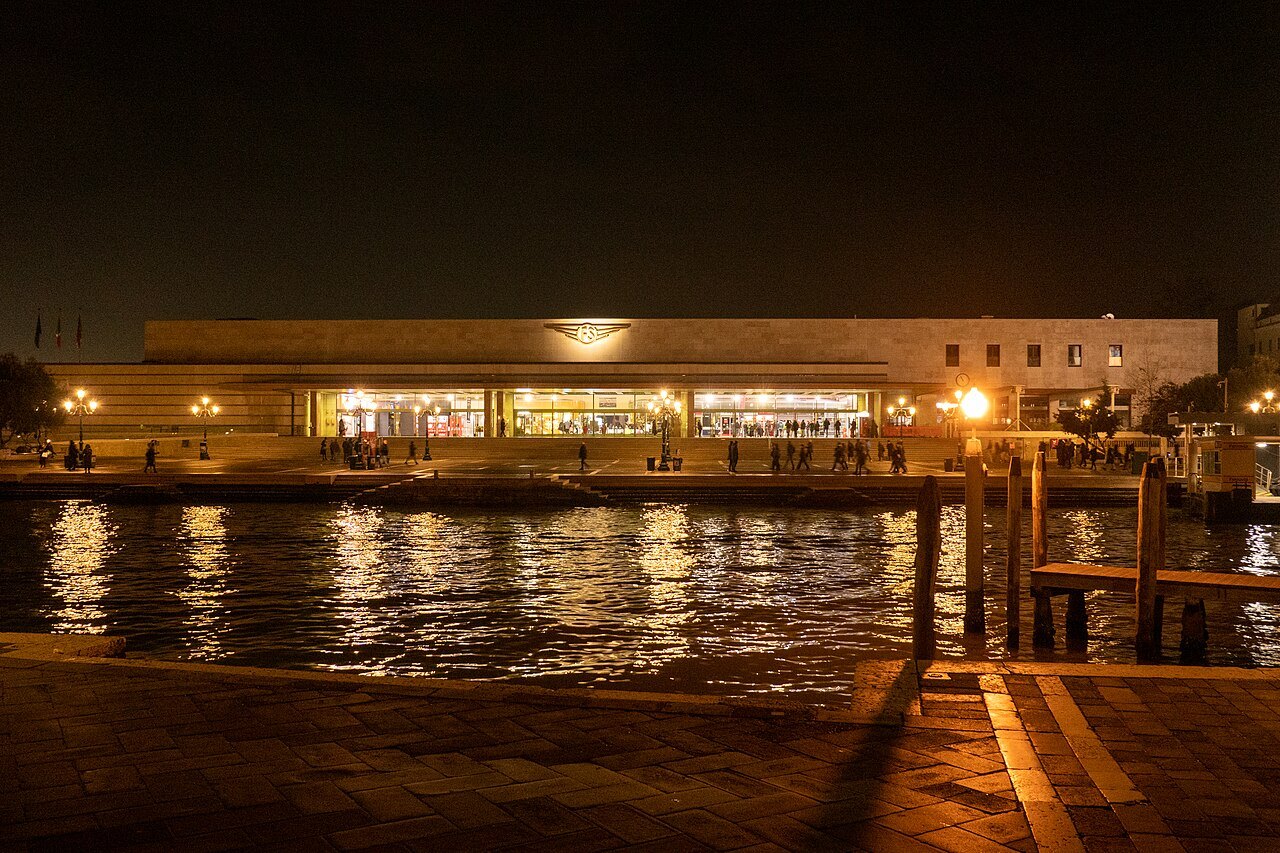
Venezia Mestre is a junction station on the mainland, where lines from Milan, Padua, Trieste and the rest of Italy meet. Venezia Santa Lucia is the terminus on the island, on the Grand Canal in Cannaregio. Both carry the name of Venice, and on departure boards and booking sites the difference can be easy to miss.
Most trains to Venice stop at Mestre and continue across the lagoon to Santa Lucia, the last stop. If you are staying in the island city, stay on the train until the end of the line. When you buy a ticket, check that the destination reads Venezia Santa Lucia, not only Venezia Mestre; and on the way home, check that your train leaves from the station you are at.
If you do get off at Mestre by mistake, it is not a disaster. Trains cross the viaduct to Santa Lucia frequently, and a ticket for the short hop is easy to buy at the station (see getting here).
How the mix-up happens with a hotel
Rooms in Mestre are often cheaper than in the island city, and many of its hotels describe themselves as being in Venice, which in the municipal sense is true. Mestre is, in fact, a common starting point for visitors on a budget, because of its frequent connections to Venice by train and by bus, which also runs at night, and its lower prices for parking, rooms and meals.
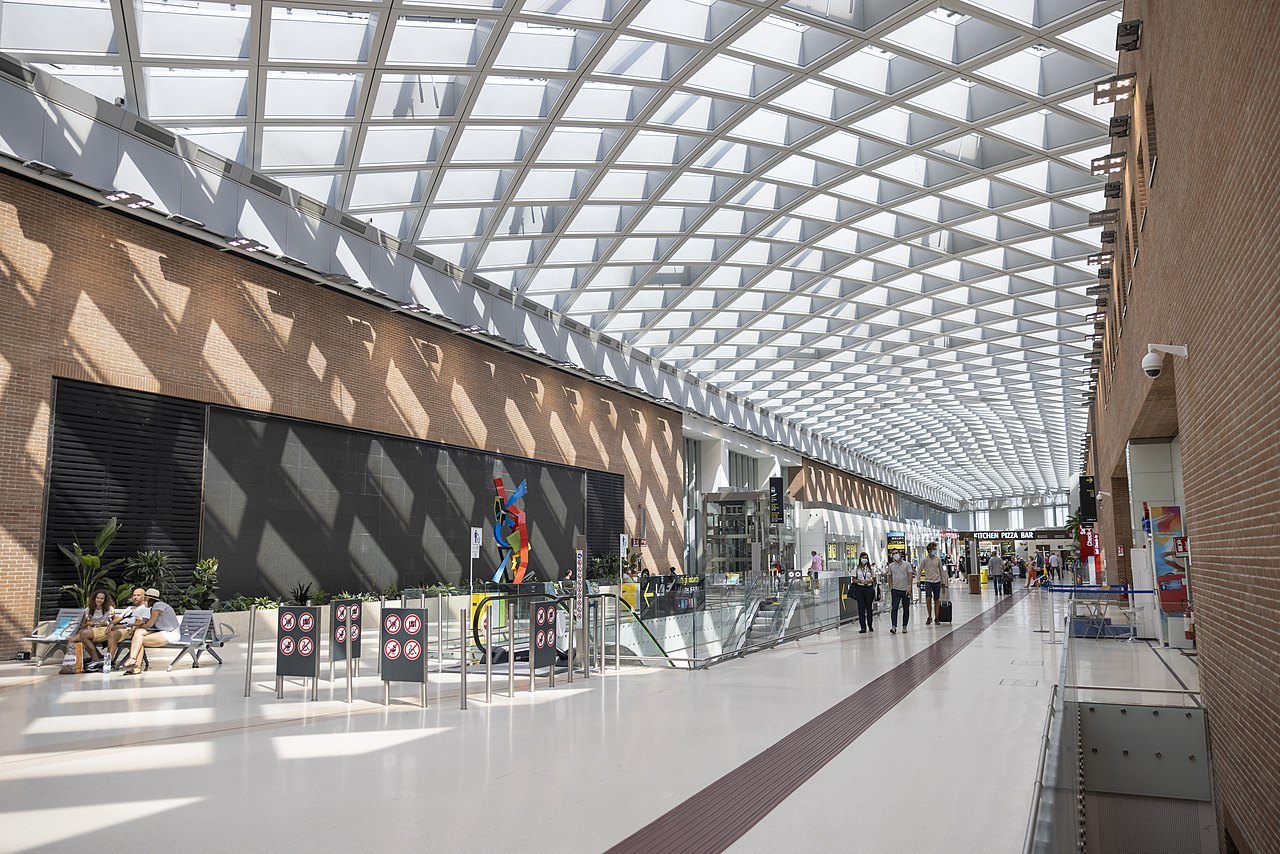
That can be a sensible choice, as long as you make it on purpose. Before booking, check the address and look at it on a map. An address in the island city names a sestiere, such as Cannaregio, Castello or Dorsoduro, and a house number, or it lies on the Giudecca, the Lido or another island. An address with a street name in Mestre or Marghera, or on the mainland shore, is not in the island city, however the listing is titled.
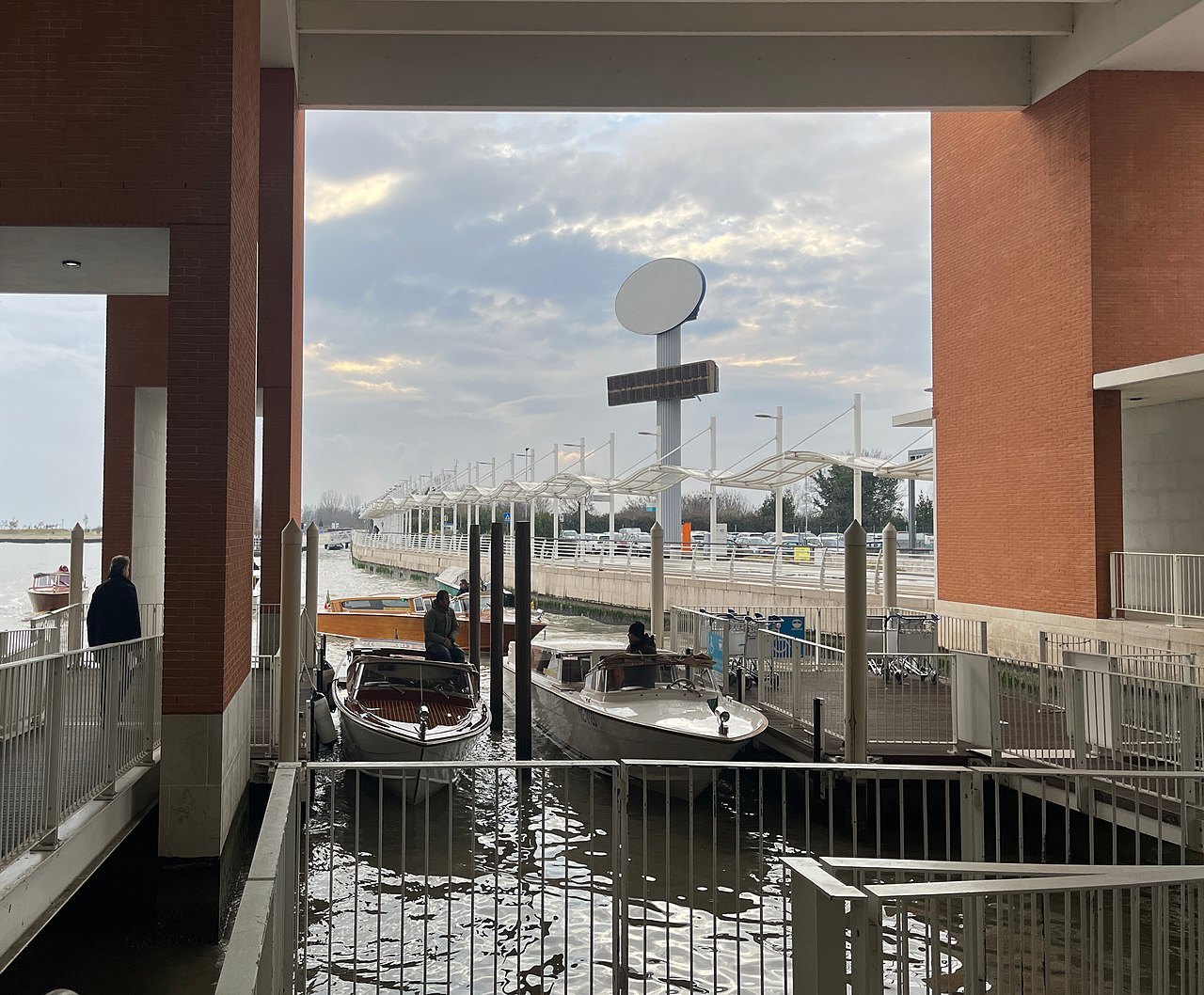
A second test is the water. Every address in the island city is reached on foot from a water-bus landing or from Piazzale Roma and the station. If the nearest transport to your hotel is a bus stop on an ordinary street, you are on the mainland (see where to stay).
What changes if you stay on the mainland
A room in Mestre changes the shape of a visit more than its price suggests. You arrive in the island city each morning with the day visitors, by train to Santa Lucia or by bus or tram to Piazzale Roma, and you leave each evening before or with them. The early mornings and late evenings, when Venice is at its quietest and most beautiful, become the hours you spend in transit.
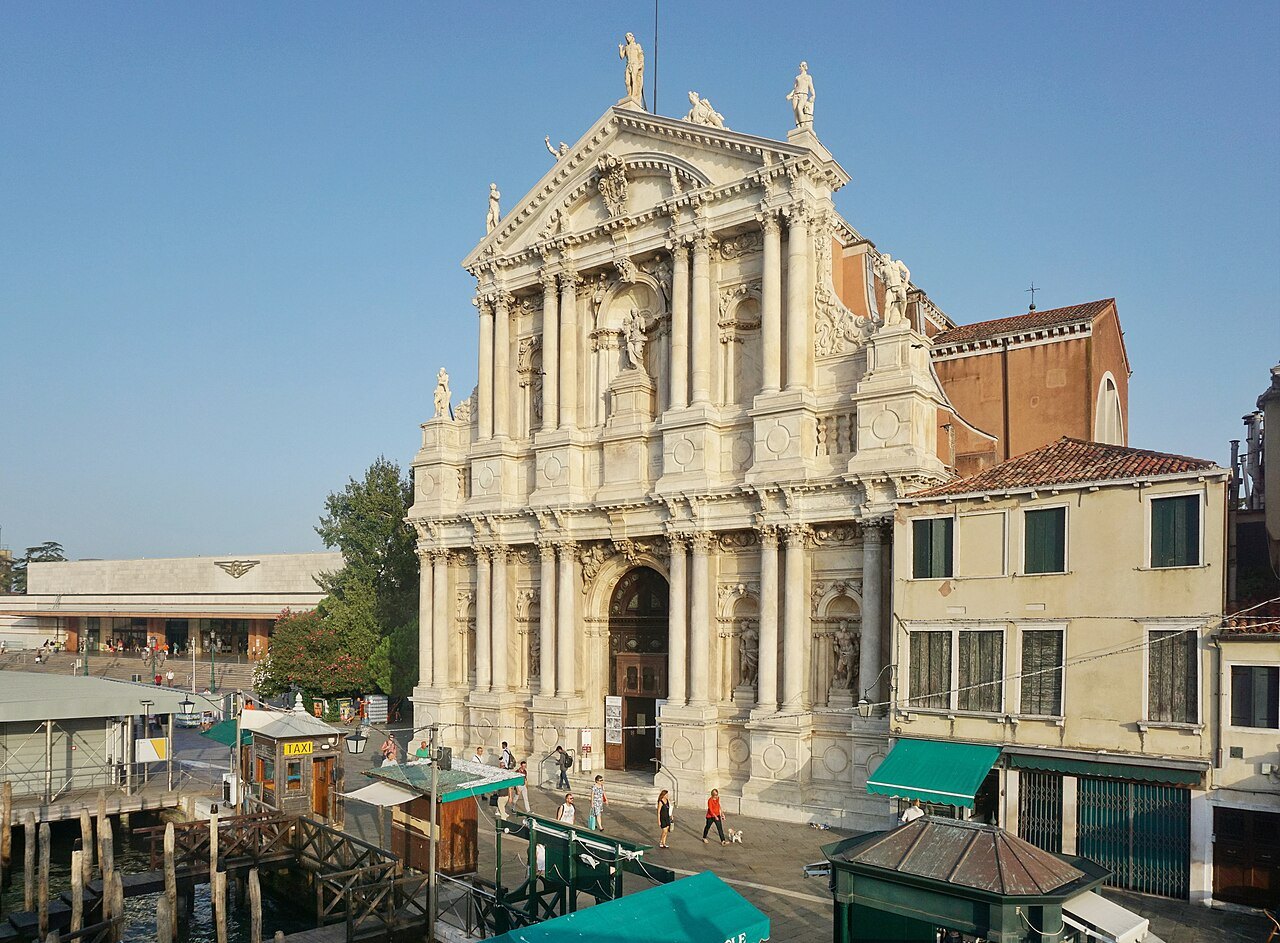
It does not, however, make you a day visitor for the city's access fee. The fee, charged on selected busy days, is for people who enter the historic center for the day; guests who stay overnight anywhere in the municipality, Mestre included, are exempt, though they still have to register their exemption before they come into the historic center on a fee day (see the access fee).
If you do stay in Mestre
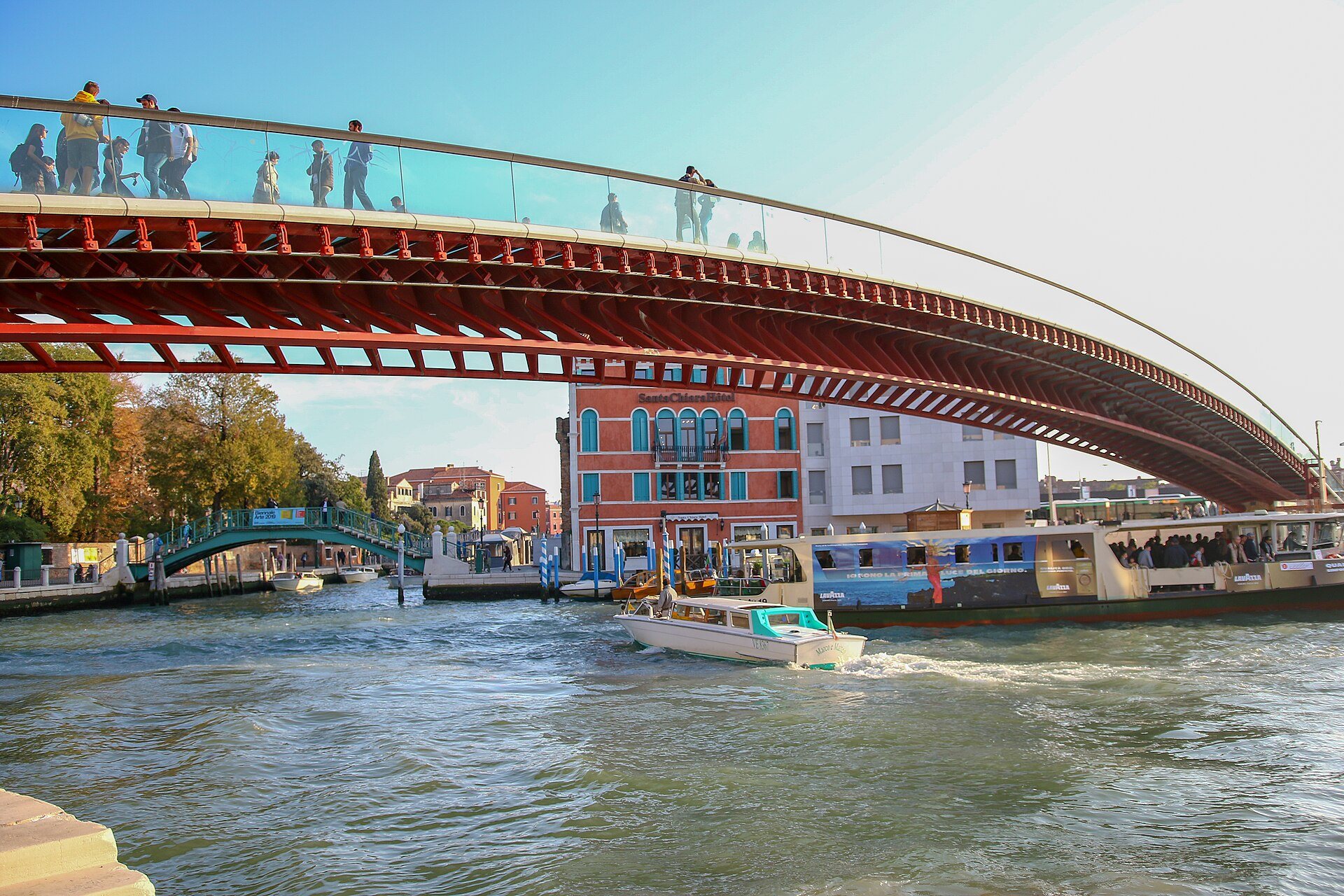
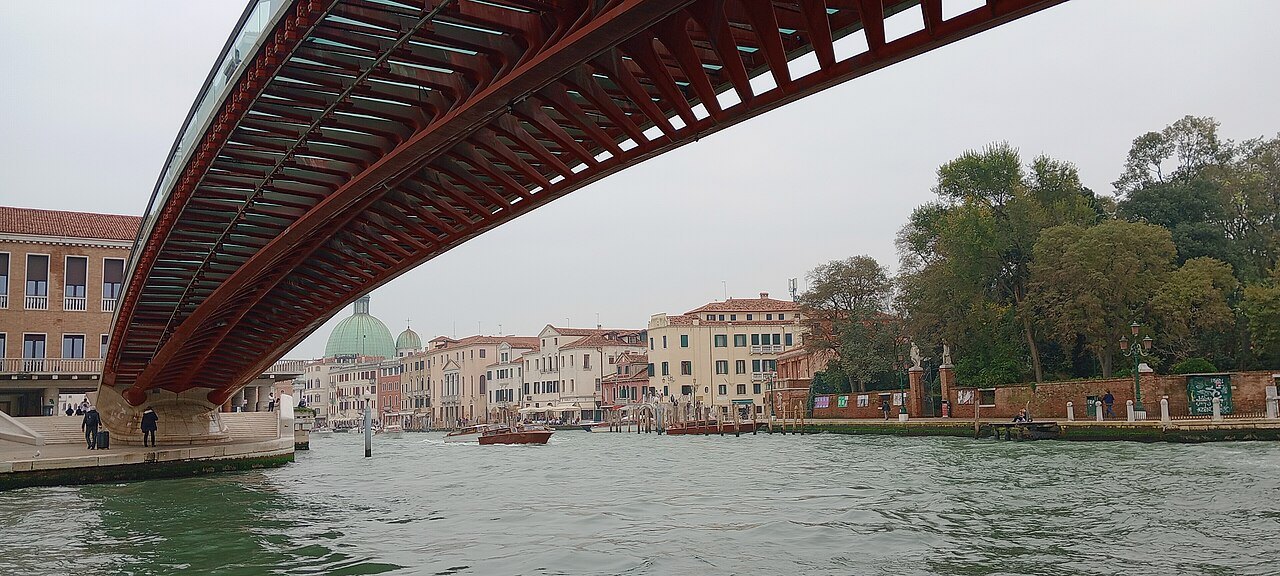
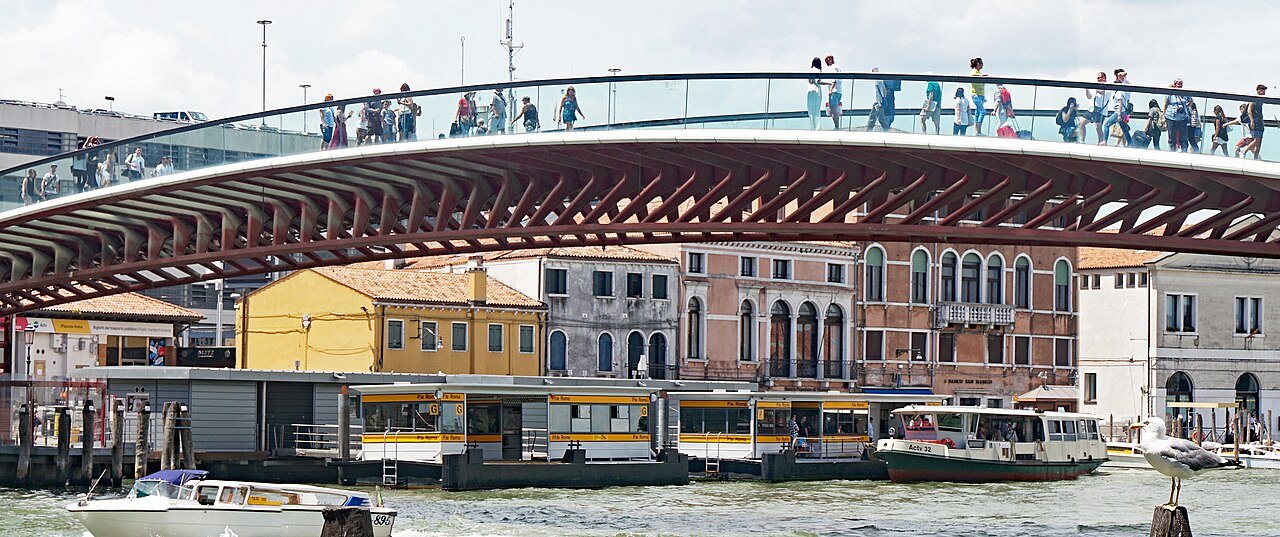
Plan the commute. Trains are the quickest way across to Santa Lucia, on the Grand Canal; buses and the tram run across the Ponte della Libertà to Piazzale Roma, a few minutes' walk from the station across the Ponte della Costituzione. From either, the water bus or your feet take you into the city.
Choose a room near Venezia Mestre station or on a bus or tram route to Piazzale Roma, and find out when the last connections back leave at night. Leave luggage at the hotel, so that you are not carrying it over bridges. And set aside at least one early morning to be in the island city before the crowds, even if it means an early train.
Other places that borrow the name
Mestre is not the only place confused with Venice. There is a Venice in California and another in Florida, and replicas of the Grand Canal, the Rialto Bridge and the Campanile stand in casino resorts on other continents. Closer to the real thing, Chioggia, on its island at the southern inlet of the lagoon, is often called Little Venice for its canals, but it is a separate fishing town, worth a visit on its own terms. When you book, check which one you are getting.
Read nextIII
More from the journal
- Getting AroundHow the Vaporetto Works: Tickets, Passes and LinesThe vaporetto is Venice's bus: numbered lines run by ACTV along the Grand Canal, around the city and out to the islands. How single tickets and time-based travel cards work, how to decide between them, how to validate, and which lines a visitor actually uses.Read the piece →
- Booking AheadThe Venice Access Fee: Who Pays, Who Registers, and WhenOn its busiest days, Venice charges day visitors a fee to enter the historic center, and asks nearly everyone else to register an exemption. How the fee works, who pays, who is exempt, who must still register, where it applies, and how to check the rules for your dates.Read the piece →
- When to ComeAcqua Alta in Venice: the Tide, the Sirens and the WalkwaysBetween autumn and spring, exceptional tides flood the lowest parts of Venice. What causes the acqua alta, how the levels are measured, what the sirens mean, where the raised walkways go, what the MOSE barriers changed, and how to plan a day around a high tide.Read the piece →