Home · Eating & Drinking
The lagoon's ownI
What to order
On the counter
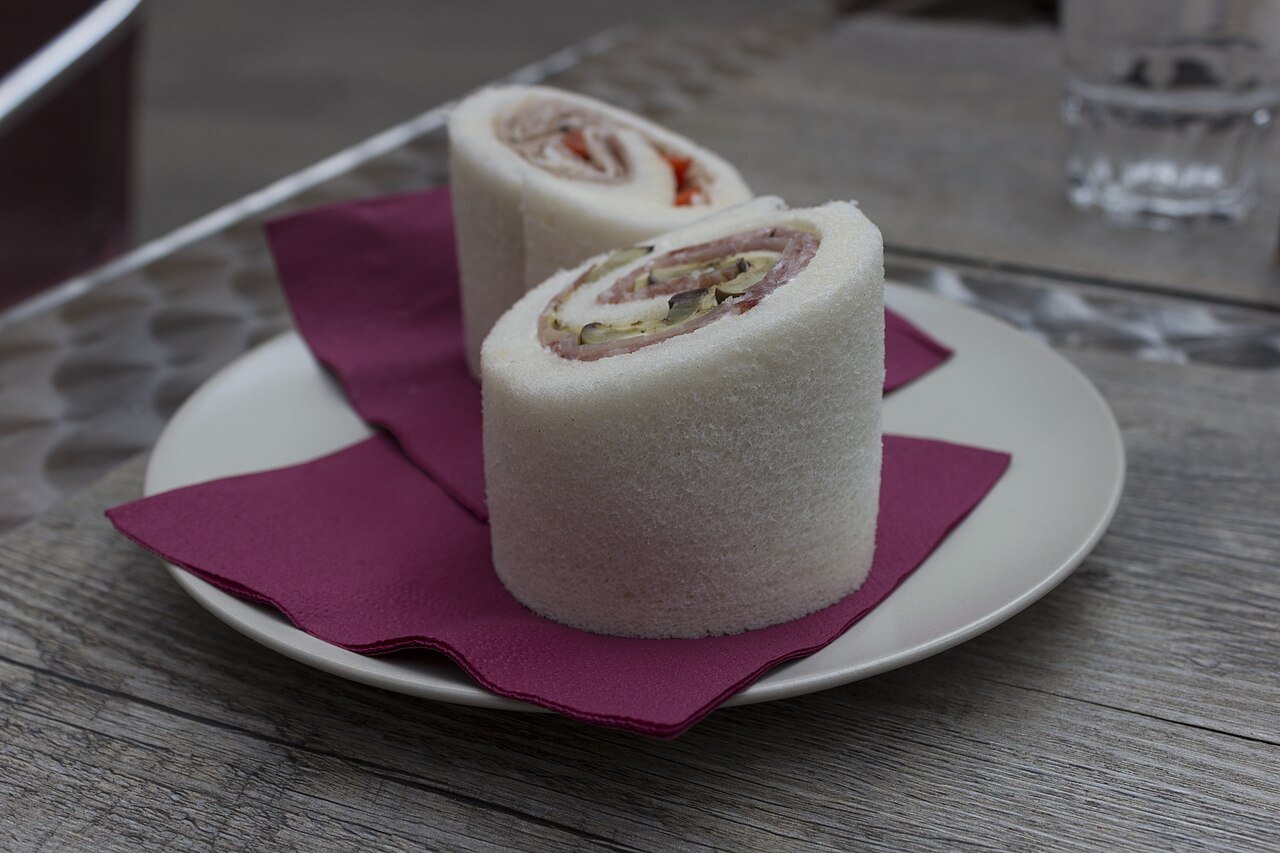
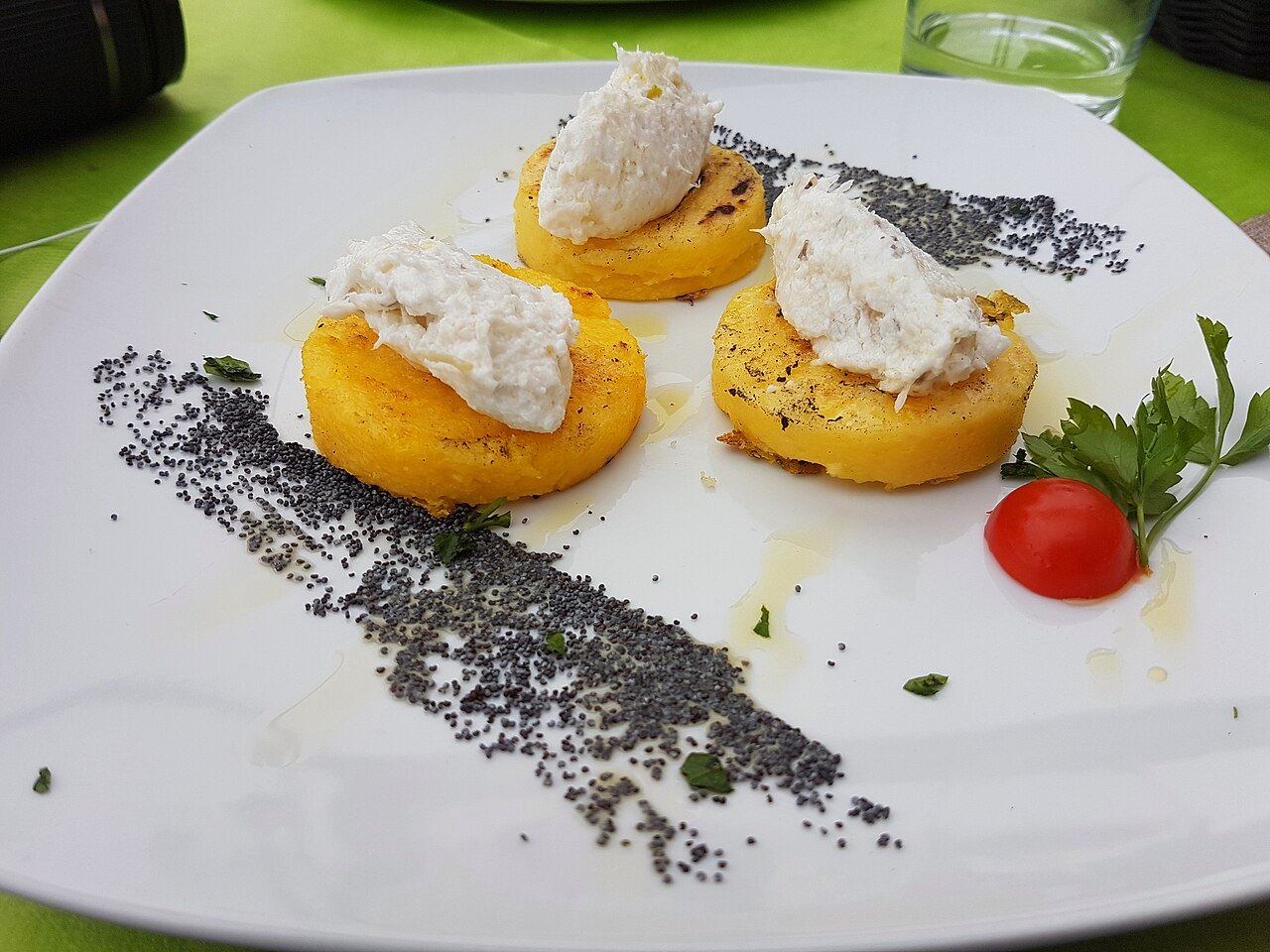
- CicchettiSmall snacks at the bar counter: tiny sandwiches, eggs, olives, seafood on bread or polenta, eaten with fingers and toothpicks.
- Sarde in saorFried sardines layered with sweet-and-sour onions, raisins and pine nuts, left in vinegar at least a night.
- Baccalà mantecatoStockfish poached and whipped with olive oil and garlic into a spread, served on bread or polenta.
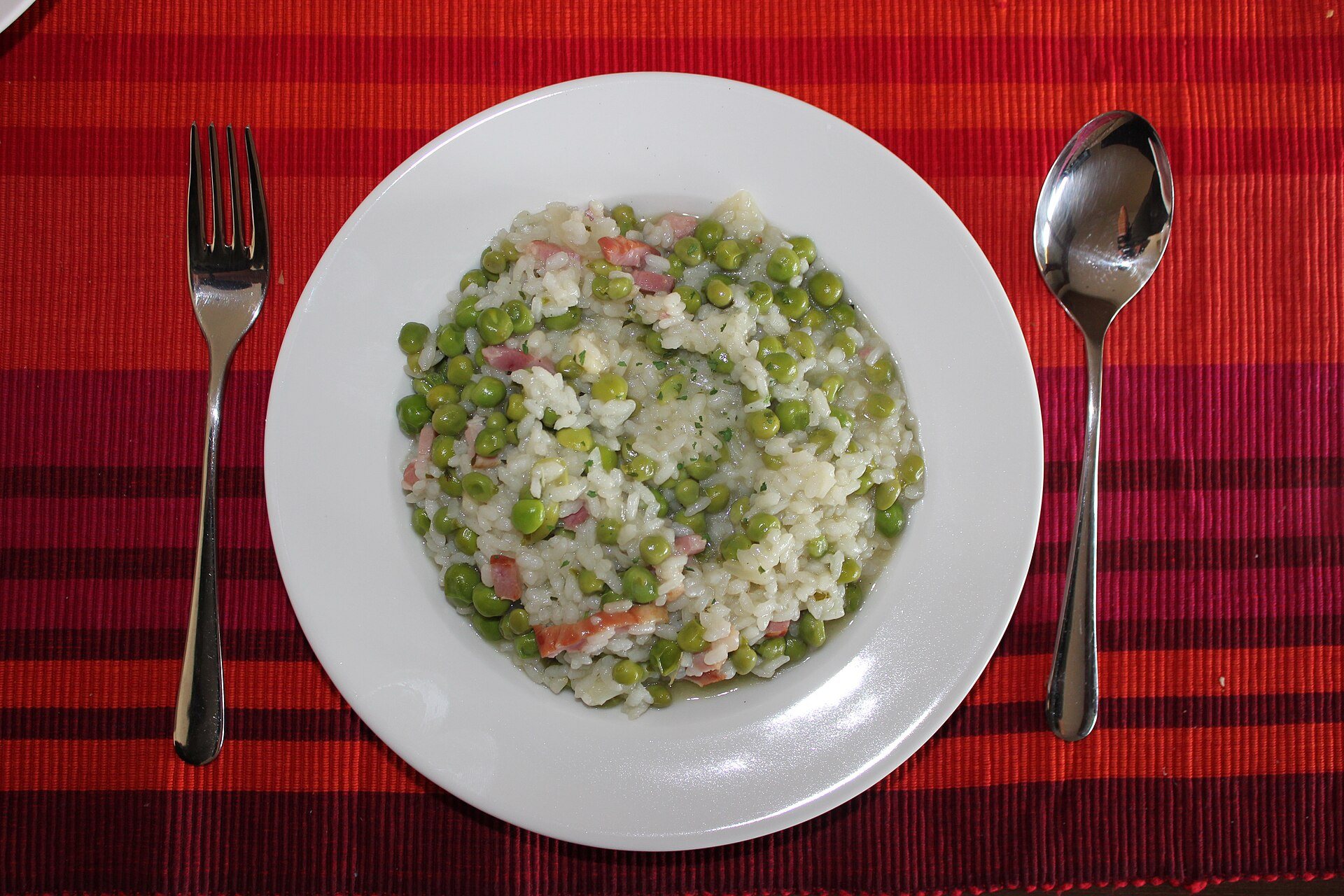
- Risi e bisiRice and peas with pancetta, cooked in broth, somewhere between a soup and a risotto.
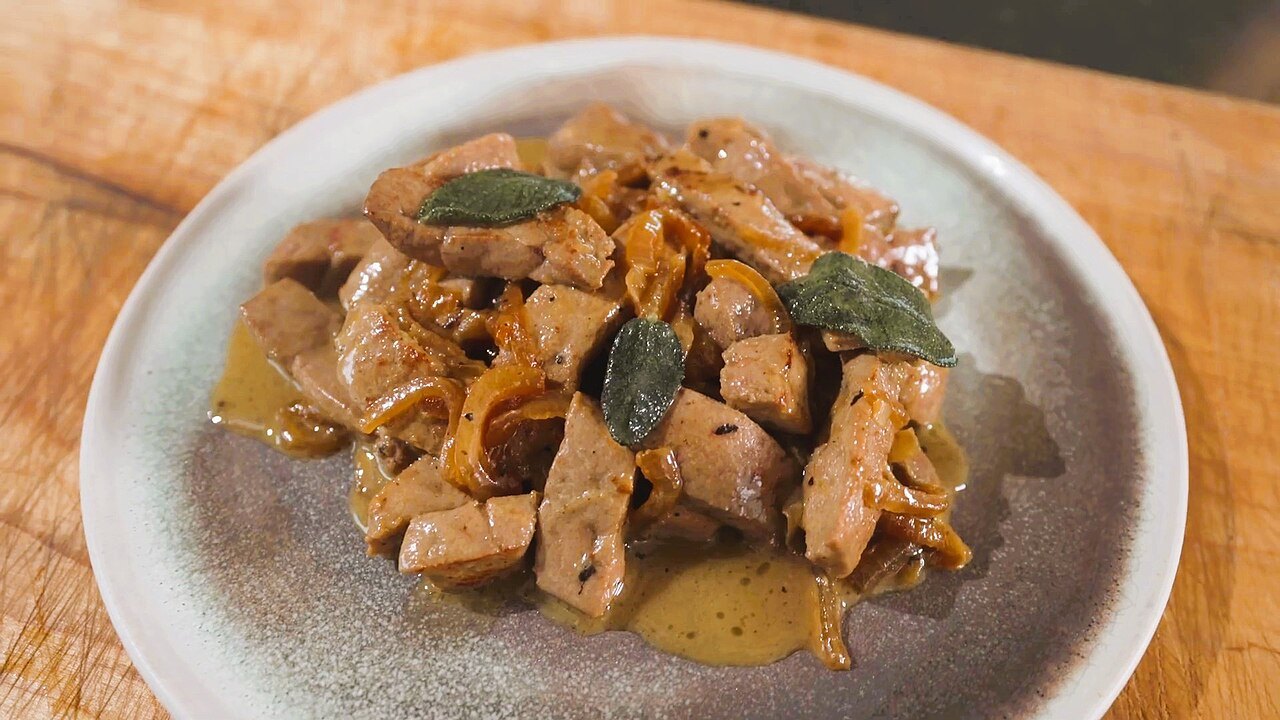
- Fegato alla venezianaThinly sliced veal liver cooked slowly with onions, often called the city's most popular dish.
- Seppie al neroCuttlefish cooked in its own ink, the black also turned into a risotto.
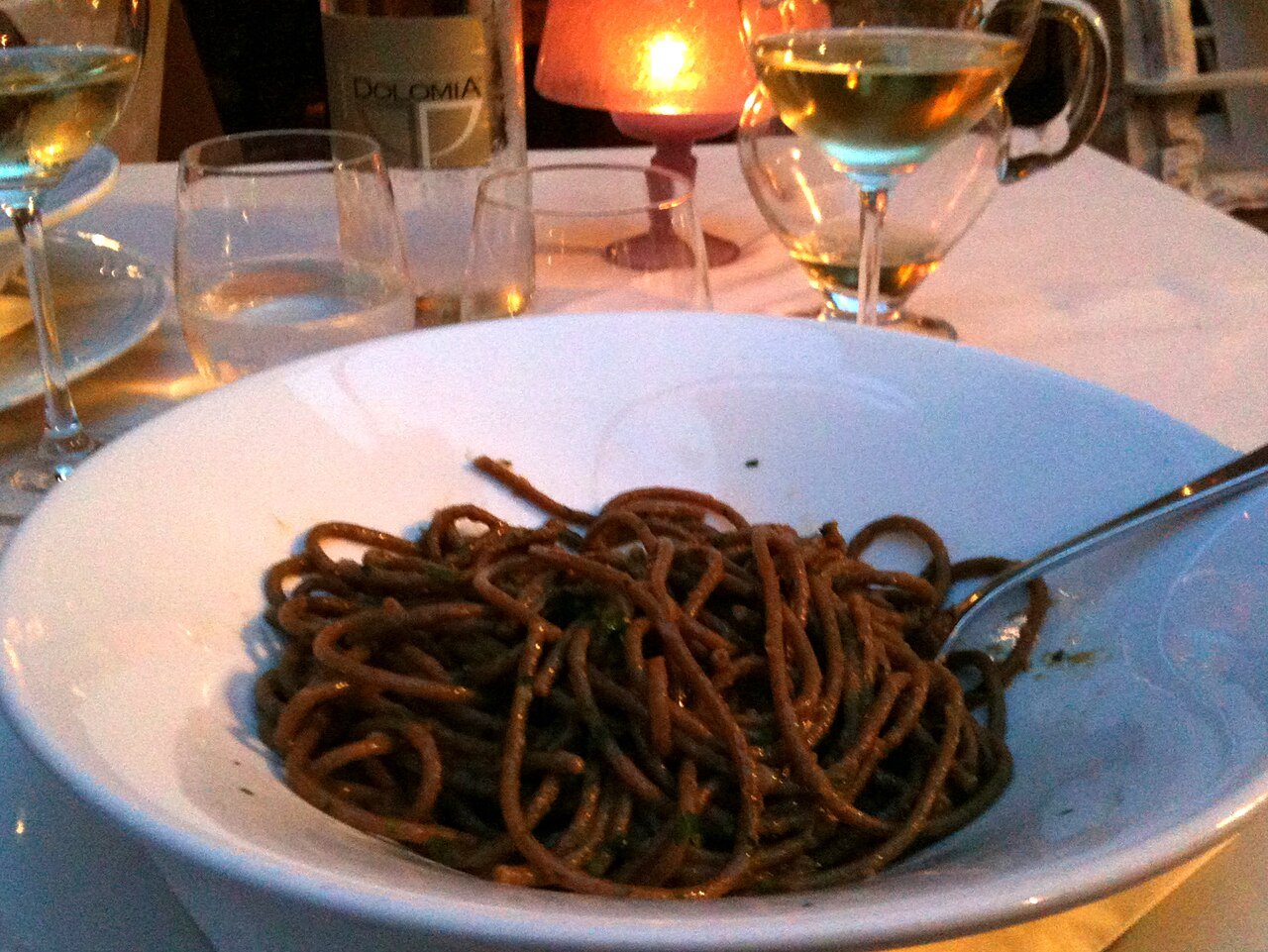
- Bigoli in salsaThick fresh pasta with a sauce of anchovies and onions.
- Risotto di gòBurano's risotto, made with the broth of the lagoon's goby fish.
- FrìtoleRound fried doughnuts, the sweet of Carnival.
In fullII
Eating & Drinking
A kitchen made by the sea and by trade
Venice is not known for a single cuisine of its own so much as for a way of cooking that combines the lagoon with influences from the distant places its merchants traded with. Its cooking is built on seafood, but also on vegetables from the island gardens of Sant'Erasmo, rice from the mainland, game and polenta, and on preserved foods that once had to keep through long voyages.
Two examples tell the story. Sarde in saor, fried sardines laid down with onions cooked in vinegar, began as a way for fishermen to keep fish on board for as long as possible, and the raisins and pine nuts were added in the Renaissance, when the city stood at the end of the trade routes from the east; Levantine and Sephardi Jews in Venice are credited with creating it. Salt cod came to Venice in the fifteenth century with Pietro Querini, a merchant shipwrecked on the Norwegian island of Røst, where he and his crew learned how the fishermen dried cod, and who brought stockfish home, and in the eighteenth century the city turned it into baccalà mantecato, whipped with olive oil into a soft spread.
Cicchetti and the bacaro
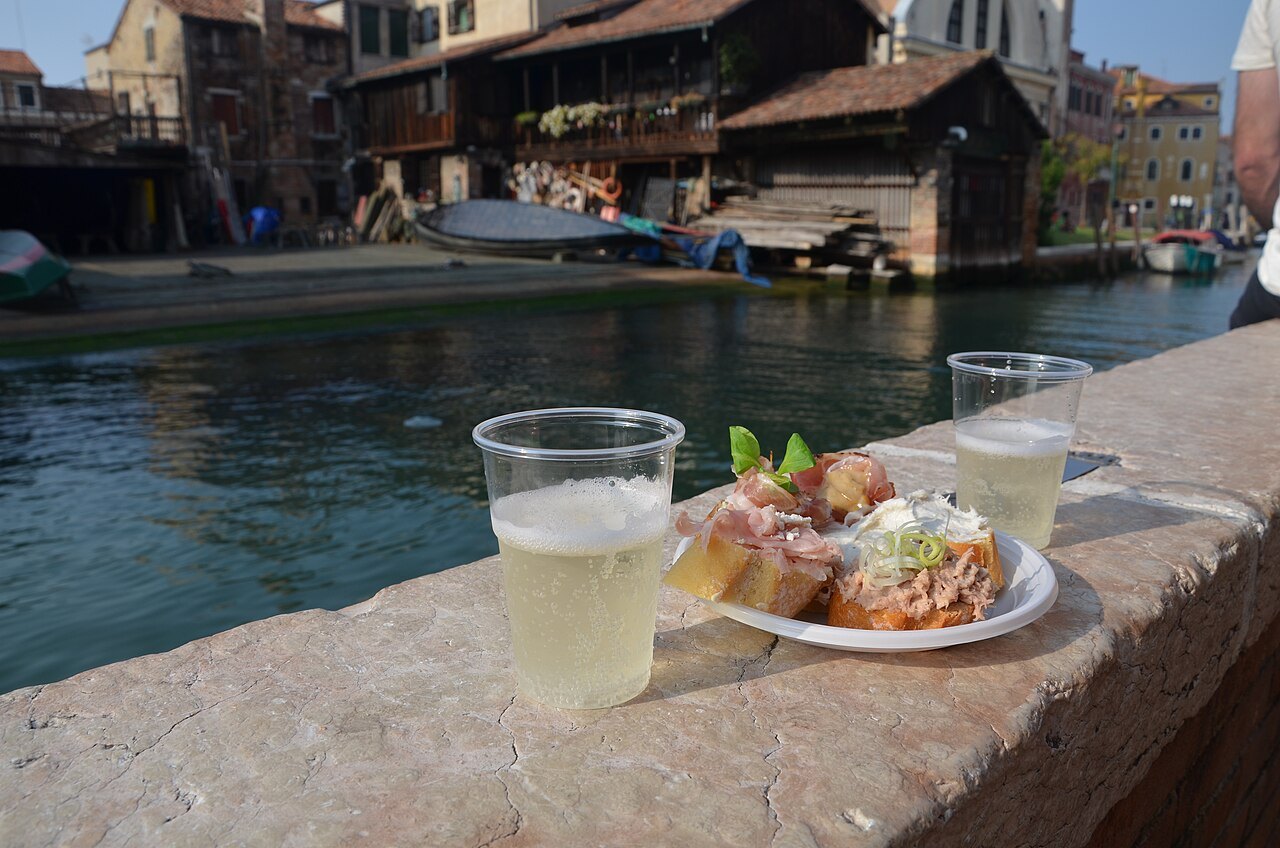
The most Venetian way to eat is at a bar counter. A bacaro is a kind of Venetian osteria, simply furnished and sometimes standing room only, where wine is poured in small glasses called ombre and served with cicchetti from the counter. Cicchetti, from the Latin for a small quantity, are small snacks: tiny tramezzini, halved hard-boiled eggs, olives and vegetables, seafood, meat or vegetables piled on a slice of bread or polenta, and small helpings of full dishes. You point, they plate, and you eat with your fingers and a toothpick, standing at the counter.
Like Spanish tapas, several plates make a meal. Venetians eat cicchetti in the late morning, at lunch and in the afternoon rather than as a late dinner, and the bars are busiest by day. What is on the counter reflects the neighborhood: simple, quick snacks for workers around the Rialto, fancier versions in the residential districts, and the offerings change with the season and as the day goes on.
The word ombra, shadow, for a glass of wine is said to come from the days when wine was unloaded on the Riva degli Schiavoni and sold from stalls kept in the shade at the foot of the Campanile, moving round the square as the shadow moved.
The dishes to order
Venetian cooking is at its most distinctive with the lagoon's seafood. Look for seppie al nero, cuttlefish cooked in its own ink, and the black risotto made the same way; polenta e schie, tiny lagoon shrimp fried and laid on soft white polenta; moleche, the small shore crabs caught in the few hours after they molt and fried whole, shell and all; and bisàto, marinated eel. On Burano, order risotto di gò, made from the broth of the lagoon goby (see Burano).
From the land come risi e bisi, rice and peas cooked in broth with pancetta; bigoli in salsa, a thick fresh pasta in a sauce of anchovies and onions; pasta e fagioli, bean soup with pasta; and fegato alla veneziana, veal liver sliced thin and cooked slowly with onions, perhaps the city's most popular dish. Polenta is everywhere, and in Venice it is often the soft, white kind made from a pale variety of maize.
Jewish cooking left a deep mark here. Vegetables prepared alla giudia, many of the salt cod recipes, almond pastries and the habit of making risotto with all kinds of vegetables all came into Venetian kitchens from the Ghetto (see the Ghetto).
Sweets
Venice's own biscuits are the baìcoli, thin, golden and oval, made for dipping; from Burano come the bussolài, butter biscuits shaped as a ring or an S. At Carnival the bakeries fill with frìtole, round fried doughnuts, and galàni, crisp fried ribbons of dough dusted with sugar. Zaléti are cornmeal biscuits with raisins, and fregolòtta a crumbly almond cake. In early January look for pinza, an Epiphany cake of cornmeal with dried figs, raisins and nuts, and all year for rosàda, a milk pudding. Tiramisù, now eaten all over the world, is generally thought to have been invented in the Veneto in the 1970s.
What to drink
The ombra is a small glass of white wine, and the Veneto supplies it: Prosecco, Soave, and from farther west Valpolicella and Amarone among the reds. The spritz began here too. Under Habsburg rule in the nineteenth century, soldiers and officials unused to the strength of the local wines asked for a spray of water in them, from the German spritzen; in the 1920s and 1930s the drink was mixed with local bitter aperitifs, and the spritz veneziano, with Prosecco, soda water and a bitter aperitif, has been a Venetian habit ever since.
The Bellini, Prosecco with white peach purée, was invented by Giuseppe Cipriani at Harry's Bar, which he opened in 1931 near San Marco. He named it after the painter Giovanni Bellini, whose pinks the drink reminded him of, and the bar also claims carpaccio, thin slices of raw beef. Hemingway was a regular, and Italy declared the bar a national landmark in 2001. Expect to pay for the legend.
Eating well in a crowded city
The places on the busiest routes, around San Marco and on the approaches to the Rialto, live off visitors who will never come back, and menus in many languages with photographs are a warning, not a welcome. Walk a few minutes into the quieter parts of any sestiere, San Polo and Santa Croce, Cannaregio or eastern Castello, and the bacari fill with people who live nearby (see the sestieri).
Shop where the cooks do. The Rialto market, with its fish market and its fruit and vegetable stalls, has fed the city since 1097, and it is at its best in the morning; the bars around it serve the market workers simple, traditional cicchetti. Read the menu or the counter for the day's fish, ask what came in from the lagoon, and remember that a meal at a table costs more than the same food at the counter.