MASKS, COSTUMES AND THE WEEKS BEFORE LENTI
When is the Venice Carnival, and what actually happens?
The Carnival of Venice fills the city with masks and costumes for about two weeks before Lent. When it falls, where its history comes from, what the traditional masks are, what visitors actually see, and how to plan a visit around the busiest weeks of the winter.
The answer in fullII
Read on
The short answer
The Carnival of Venice lasts about two weeks and ends on Shrove Tuesday, Martedì Grasso, the day before Ash Wednesday and the start of Lent. Because Easter moves, so does Carnival: it falls in February in most years and runs into early March when Easter is late. Check the dates for the year you plan to travel before booking anything.
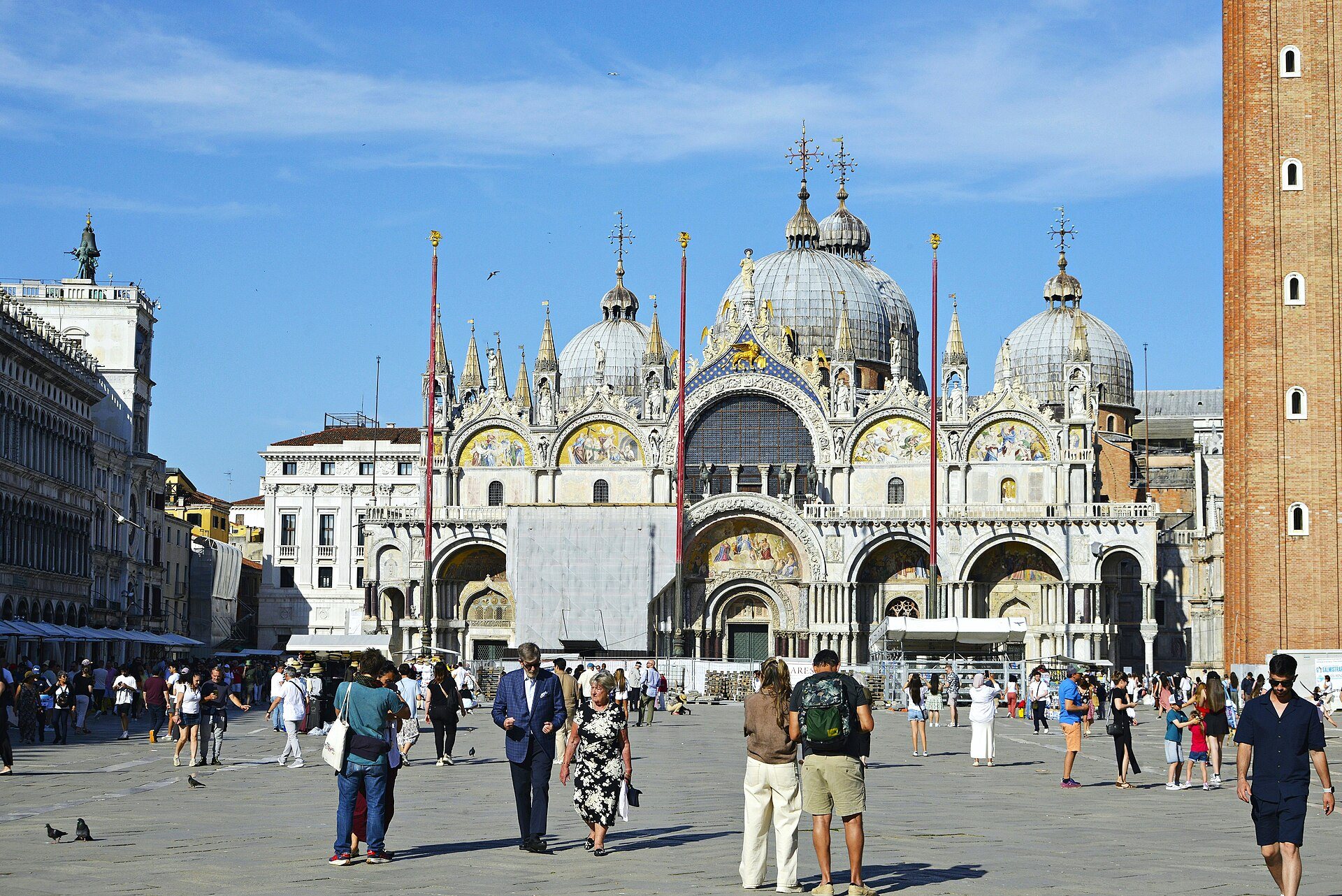
For those two weeks the city fills with people in masks and costume, above all around Piazza San Marco, and with visitors who come to see them. It is the busiest time of the winter, and the one time of year when the Venetian mask is worn for its original purpose.
Where it comes from
The Carnival traces its origins to the Middle Ages. By legend it began in 1162, when the Republic celebrated a victory over the patriarch of Aquileia with dancing in the Piazza, and it became an official festival during the Renaissance. By the seventeenth and eighteenth centuries it was famous across Europe, a season of licence and pleasure in which the city's strict rules of dress and rank were suspended.
It ended with the Republic. After the fall of Venice in 1797, under Habsburg rule, the Carnival was outlawed and the wearing of masks forbidden, and for most of the next two centuries it survived only in private parties and brief revivals. In 1979 it was brought back as a public festival, and it now draws millions of visitors each year. One of its best-known events is a contest for the most beautiful mask, judged by a panel of costume and fashion designers.
Why Venice wore masks
Masks in Venice are much older than the modern festival. The first documents that mention them date from the thirteenth century, and the Great Council passed law after law to control what masked people could do. One scholar argues that covering the face in public was a Venetian answer to one of the most rigid social hierarchies in Europe: behind a mask, rank and profession disappeared.
Masks were allowed through a long season, from the feast of Santo Stefano, the day after Christmas, to the last night of Carnival on Shrove Tuesday, and at other times of the year as well, so that some Venetians spent a large part of the year in disguise. The mask makers, the mascherari, had their own guild and statute from 1436.
The laws show what masks made possible. In the thirteenth century the Great Council forbade masked young men to throw scented eggs, eggshells filled with rosewater, at their friends and at the women they admired, because some were filled with ink instead. A law of 1339 forbade vulgar disguises, masked visits to convents, painted faces and false beards and wigs.
The masks to know
The bauta is the classic mask of the old Republic: a stark white mask covering the whole face, with a prominent nose, a jutting chin and no mouth, so that the wearer could eat and drink without taking it off. In the eighteenth century it was worn with a black cape, the tabarro, and a tricorn hat, and it became a standard disguise regulated by the government itself. It was even required at certain political gatherings, where citizens were meant to act anonymously as equals, a role that has been compared to the secret ballot. Paintings of the 1750s by Pietro Longhi show women wearing it too.
The moretta was a small black velvet oval worn by women, held in place not by a strap but by a button gripped in the teeth, which kept the wearer silent. The colombina, a half-mask covering only the eyes and upper face, takes its name from a maidservant of the commedia dell'arte and is a modern creation. The volto, a plain white full face, is the iconic modern mask. And the medico della peste, the plague doctor with its long beak, did not begin as a Carnival mask at all, but as the protective dress of doctors in times of plague.
Genuine masks are made by hand, of leather or porcelain, painted and finished with gesso, gold leaf and feathers, and they cost accordingly; many cheaper masks sold in the city are made elsewhere. If you want one, buy from a workshop where you can see them being made.
What you will actually see
Carnival is not one event but a season of them. Its heart is Piazza San Marco and the lanes around it, where costumed figures, many in elaborate eighteenth-century dress, pose for photographs and parade, and where the city's official program stages its events. The program changes each year; check the city's official Carnival site for what is on during your dates.
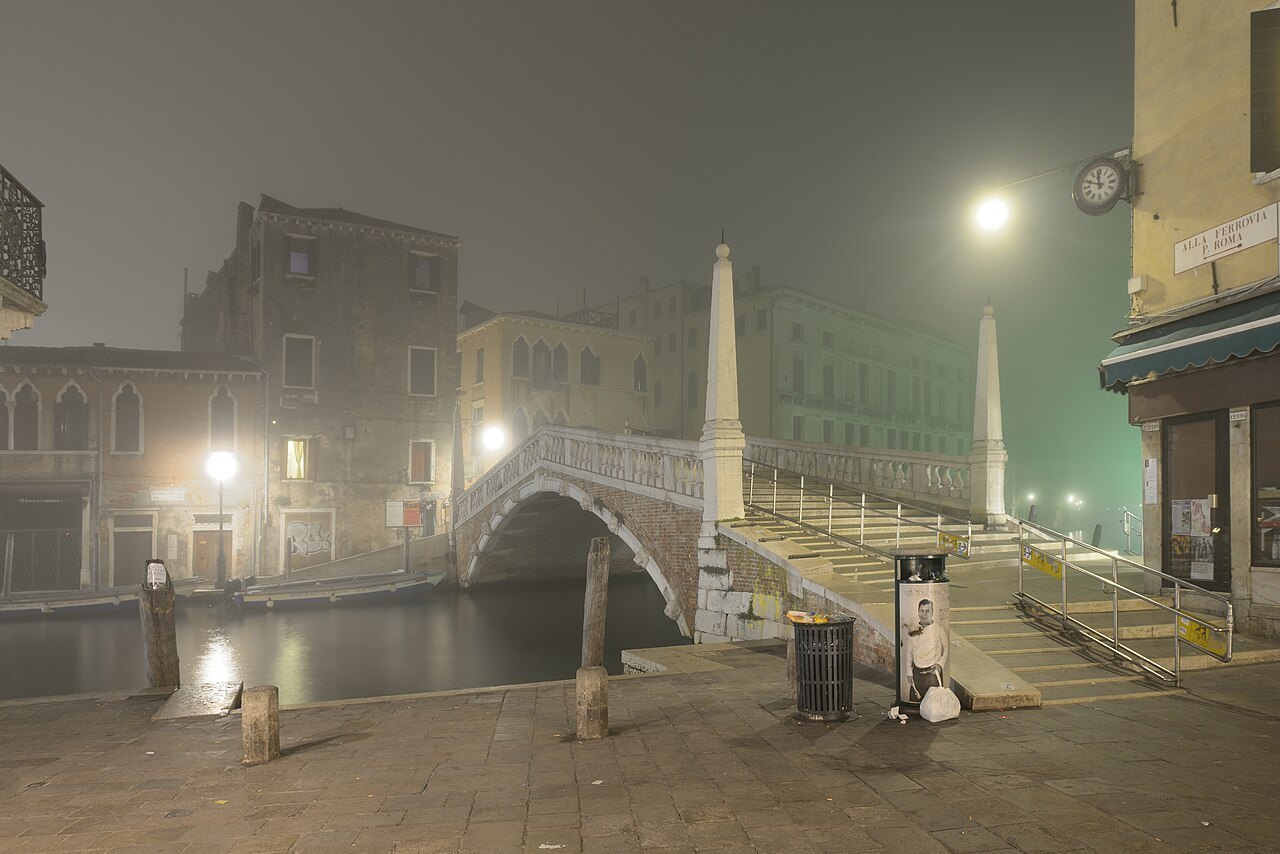
Much of the pleasure lies away from the official events, in the sight of masked figures crossing a quiet campo or passing on a gondola. You do not need a costume, but many visitors wear at least a mask, and the city's mask shops and workshops are at their busiest.
Planning a visit
Carnival brings the densest crowds of the winter, and the final weekend is the busiest of all. Rooms fill early, so book as soon as you know your dates. Around San Marco the lanes can become too crowded to move through; walk out into Cannaregio, Castello or Dorsoduro for breathing space, and come back to the Piazza early in the morning, when the costumed figures are out and the crowds are thinner.
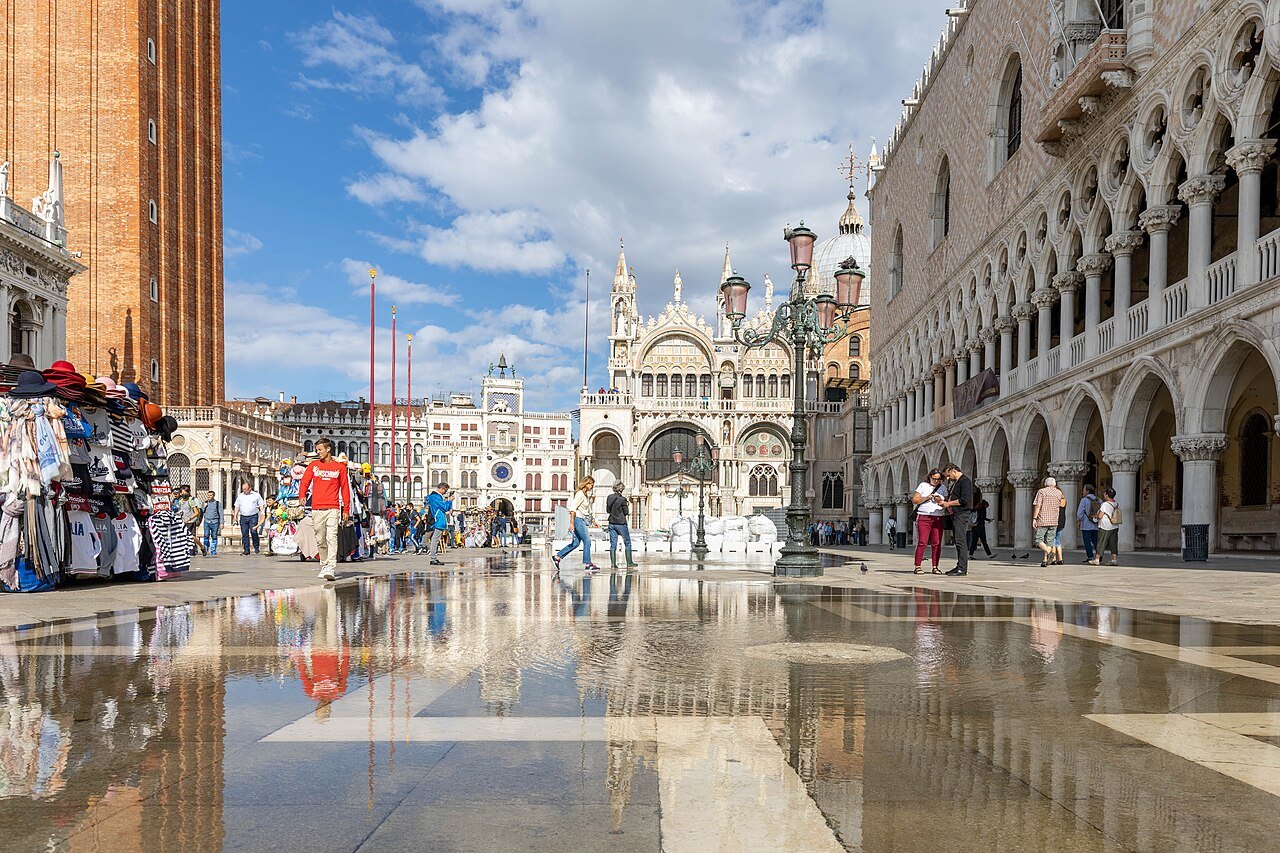
Remember the season. Carnival falls in the cold, damp heart of the Venetian winter, within the season of high tides, so bring warm clothes and shoes you do not mind getting wet, and check the tide forecast (see acqua alta). Look for frìtole, the round fried doughnuts, and galàni, crisp fried ribbons of dough, in the bakeries; they are the sweets of Carnival (see eating and drinking).
If you would rather avoid it
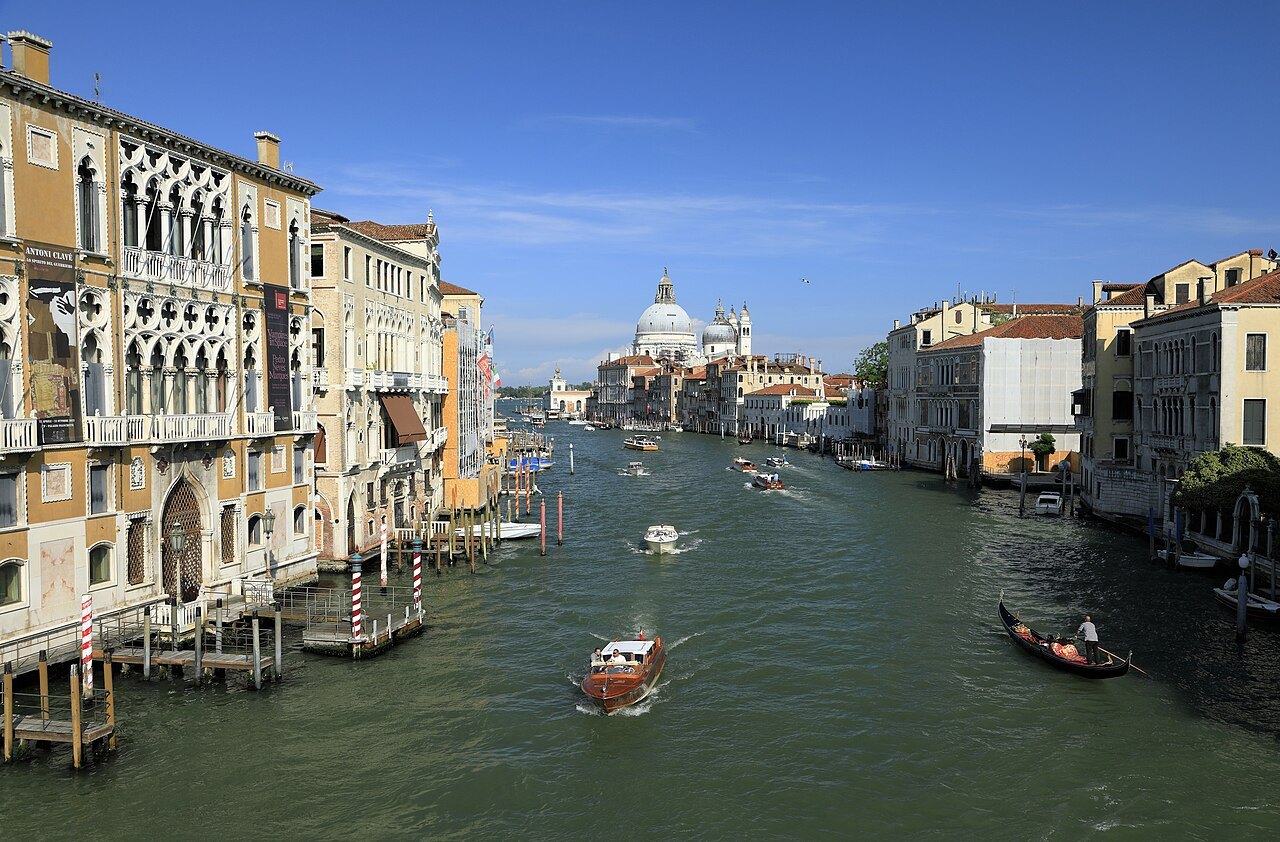
If you want winter Venice without the crowds, come in January or in Lent, after Carnival ends, when the city is at its quietest of the year. And if it is masks and festivals you are after, the Venetian calendar has others: the Festa della Sensa in spring, the Redentore in July, the Regata Storica in September and the Festa della Salute in November (see when to come).
Read nextIII
More from the journal
- When to ComeAcqua Alta in Venice: the Tide, the Sirens and the WalkwaysBetween autumn and spring, exceptional tides flood the lowest parts of Venice. What causes the acqua alta, how the levels are measured, what the sirens mean, where the raised walkways go, what the MOSE barriers changed, and how to plan a day around a high tide.Read the piece →
- Booking AheadThe Venice Access Fee: Who Pays, Who Registers, and WhenOn its busiest days, Venice charges day visitors a fee to enter the historic center, and asks nearly everyone else to register an exemption. How the fee works, who pays, who is exempt, who must still register, where it applies, and how to check the rules for your dates.Read the piece →
- The Doge's PalaceCan you walk across the Bridge of Sighs?Yes: the Bridge of Sighs is part of the visit to the Doge's Palace, which crosses it to the New Prisons and comes back the other way. What the bridge was really for, where the romantic name came from, how the palace route reaches it, and where to stand for the classic view from outside.Read the piece →