WHAT TO SEE AT THE ACCADEMIAI
Which paintings should you not miss at the Gallerie dell'Accademia?
A visitor's guide to the paintings not to miss at the Gallerie dell'Accademia, from gold-ground altarpieces to Giorgione and Veronese.
The answer in fullII
Read on
Why it matters
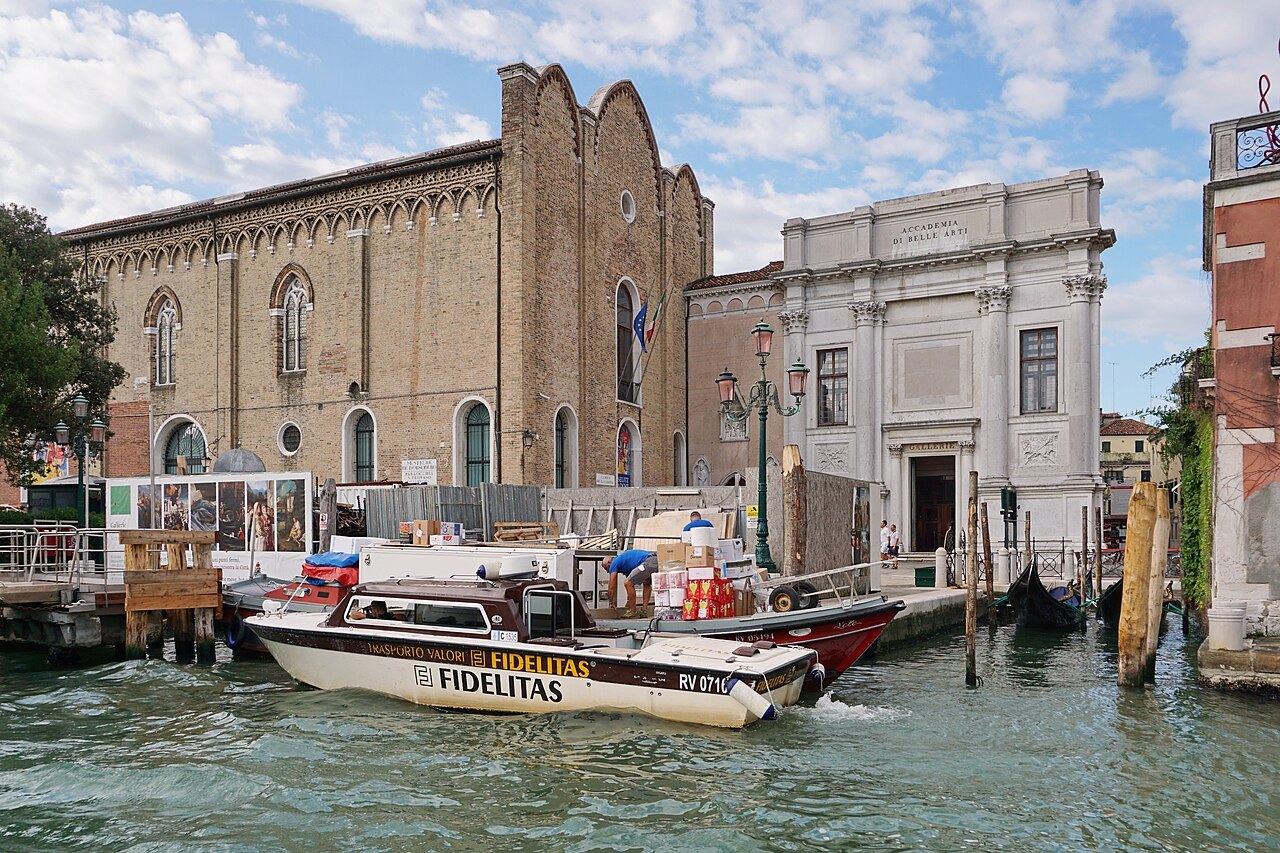
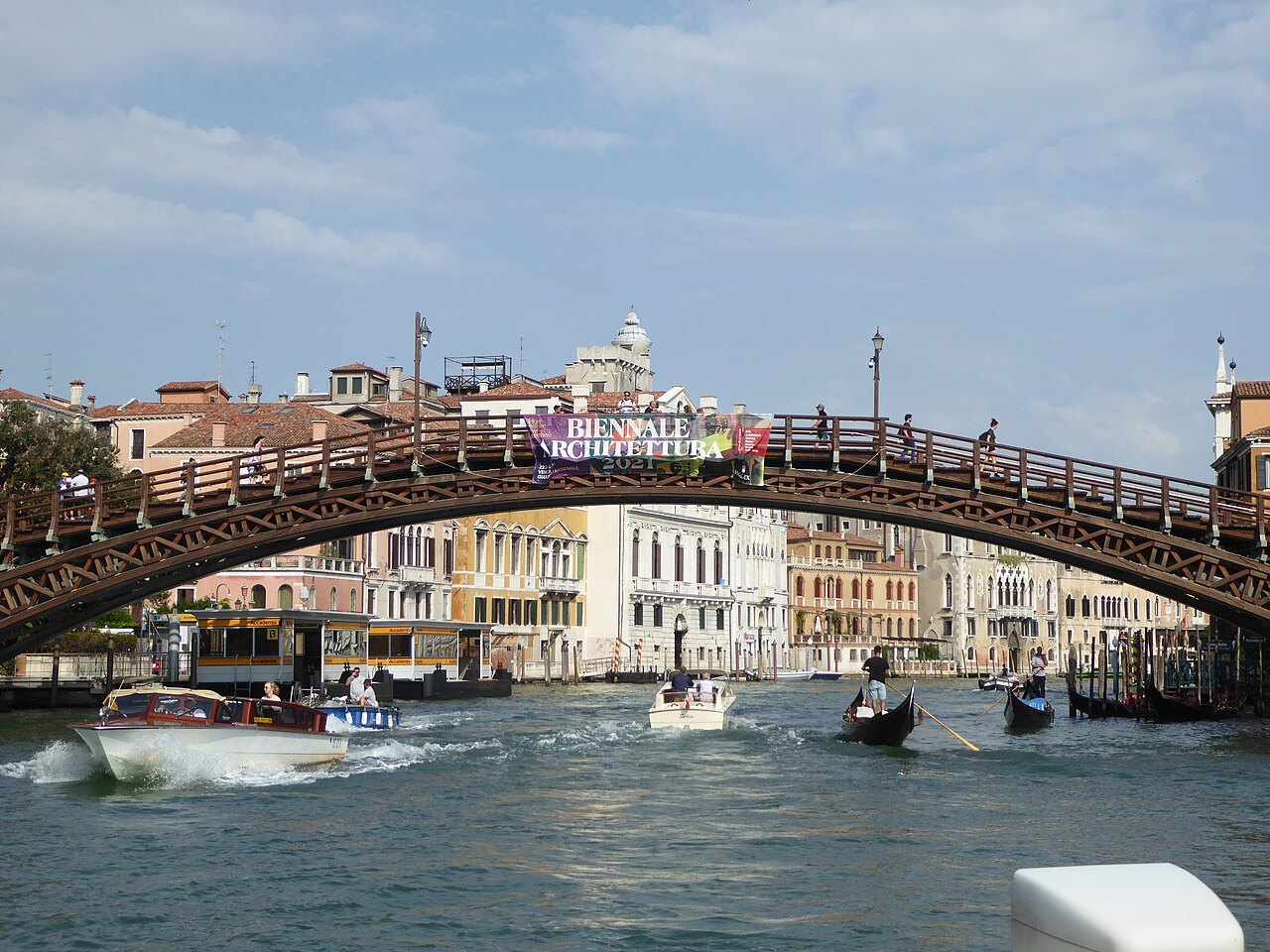
The Gallerie dell'Accademia is the great museum of Venetian painting, covering five centuries from the gold-ground altarpieces of the fourteenth century to the eighteenth. It stands on the south bank of the Grand Canal in Dorsoduro, at the foot of the Ponte dell'Accademia, which lends its name to the museum, the bridge, and the water-bus stop beside it.
Nearly every major Venetian painter is represented: the Bellini family, Carpaccio, Giorgione, Titian, Lorenzo Lotto, Tintoretto, Veronese, Tiepolo, Canaletto, and Guardi. Alongside them hang works by outsiders to the city, including Mantegna, Piero della Francesca, Hans Memling, and Hieronymus Bosch, showing how Venice's painters both absorbed and departed from wider European currents.
The collection also owns Leonardo da Vinci's drawing of the Vitruvian Man, though it is shown only rarely, since light damages the paper. Do not plan a visit around seeing it; treat any appearance as a bonus, and check the museum's own site for notice of exhibitions before traveling.
An academy in a confraternity
The museum began life as the gallery of an art school. The Accademia di Belle Arti di Venezia was founded on 24 September 1750, with the painter Giovanni Battista Piazzetta as its first director and Giambattista Tiepolo as its first president. It was among the first institutions anywhere to study the restoration of paintings, starting in 1777.
In 1807 Napoleon's government refounded the academy as a royal institution and rehoused it in buildings it had just emptied: the Scuola della Carità, its church of Santa Maria della Carità, and the convent of the Lateran canons beside them. The convent had been begun by Andrea Palladio in 1561 and was never finished.
The Scuola della Carità was the oldest of the Scuole Grandi, founded in 1260, building its house here from 1344; the church facade was completed by Bartolomeo Bon in 1441. The academy's collections opened to the public on 10 August 1817, enlarged with paintings from churches and monasteries Napoleon had suppressed. The gallery became independent of the school in 1879; the school itself moved out in 2004.
Gold grounds and the Renaissance rooms
The route runs mostly in chronological order. The earliest rooms hold gold-ground altarpieces by Paolo Veneziano and Lorenzo Veneziano, the first generations of Venetian painting, displayed beneath the carved and gilded fifteenth-century ceiling of the old chapter hall of the confraternity.
The Renaissance follows in a sequence of rooms devoted to Giovanni Bellini, whose Madonnas and altarpieces trace the softening of line and color that set Venetian painting apart from Florence and Rome. His pictures reward slow looking, room after room, before the galleries move into the late fifteenth century.
The great narrative canvases of that period hang in the museum's former church: the Miracles of the Relic of the True Cross, painted by several artists working together, and Carpaccio's cycle of the Legend of Saint Ursula, given a room of its own. Both series show Venice itself, its canals, bridges, and crowds, as much as the stories they illustrate.
Giorgione's Tempest
Giorgione's Tempest, painted between 1506 and 1508 for the nobleman Gabriele Vendramin, is the picture many visitors come to see first. A woman sits nursing a baby; a man with a staff stands apart, not looking at her; lightning splits the sky over a city behind them.
What the scene means has been argued over for centuries, and no explanation has ever settled the question. The figures, the setting, and the storm resist a single story, which is part of why the picture still draws close attention from visitors standing in front of it rather than reading about it beforehand.
Its neighbors include Giorgione's portrait of an old woman. One reading, by the scholar Salvatore Settis, sees Adam and Eve with their son Cain after the expulsion from Eden, the lightning standing for the wrath of God; it is one theory among many, offered rather than proved, and visitors are free to form their own view.
Titian and Veronese's giant canvases
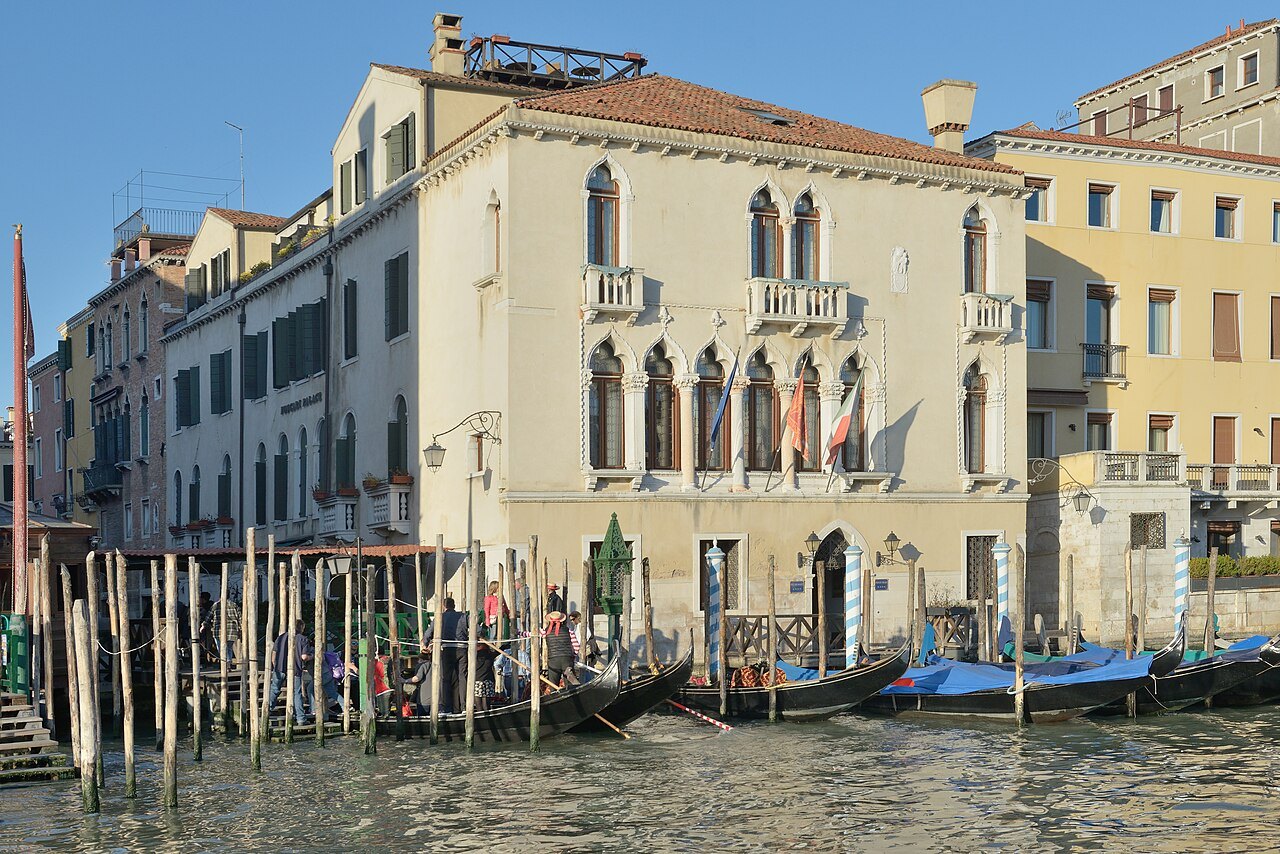
As the rooms move into the sixteenth century, the canvases grow larger. Titian's Presentation of the Virgin in the Temple, painted in 1538, hangs in the room it was painted for, the Albergo of the Scuola della Carità, so the setting and the picture were made for each other and still read as one.
One whole wall nearby is taken by Veronese's Feast in the House of Levi of 1573, more than five meters high and thirteen wide, among the largest paintings of its century. Visitors who have seen Titian's Assumption at the Frari will recognize the same scale of ambition carried into a very different subject.
Titian's Assumption itself hung in these galleries through the nineteenth century before returning to the high altar of the Frari in the 1920s, a reminder that the hang here has shifted many times, most thoroughly when the architect Carlo Scarpa reworked the rooms between 1944 and 1960.
The painting that changed its name
Veronese painted the Feast for the refectory of the Dominican friars of Santi Giovanni e Paolo, as a Last Supper meant to replace one by Titian destroyed by fire in 1571. He filled the canvas with a crowd of figures far beyond the Gospel scene, setting the stage for the trouble that followed.
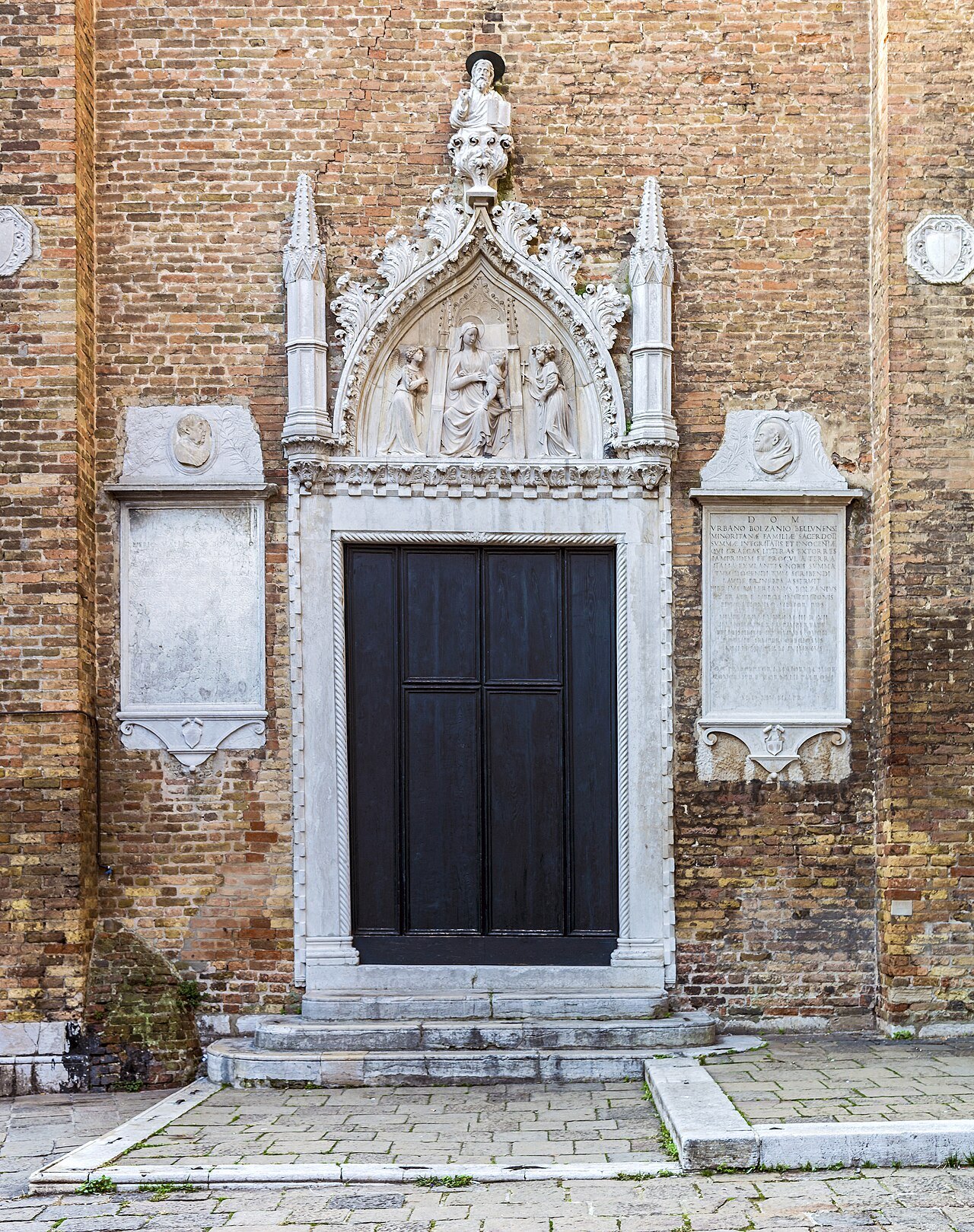
The Venetian Inquisition summoned him to answer for what the inquisitors called buffoons, drunken Germans, and dwarfs crowding a sacred subject, with the charge of heresy mentioned in passing. Such a hearing was no small matter in sixteenth-century Venice, and Veronese had to account for every figure he had painted.
His answer was simply to change the title. The picture became a banquet given for Christ by Levi, drawn from the Gospel of Luke, which he inscribed directly on the canvas. The painting itself stayed exactly as it was, crowd and all, and now hangs in the Accademia under that revised name.
How to visit
Buy tickets on the museum's official site, where TicketOne is named as the only authorized online reseller; booking ahead saves the queue at the ticket office, a step covered more generally in booking ahead. Under-eighteens enter free, and European Union citizens between eighteen and twenty-five pay a reduced rate; check the museum's opening calendar for closures and holidays before planning a day around it.
Allow at least two hours inside. Pace yourself for the long final rooms of large canvases, which demand more time than their numbers suggest, and if the Tempest in peace matters to you, head there first before the rooms fill. Do not expect to see the Vitruvian Man; it appears only for short, irregular periods.
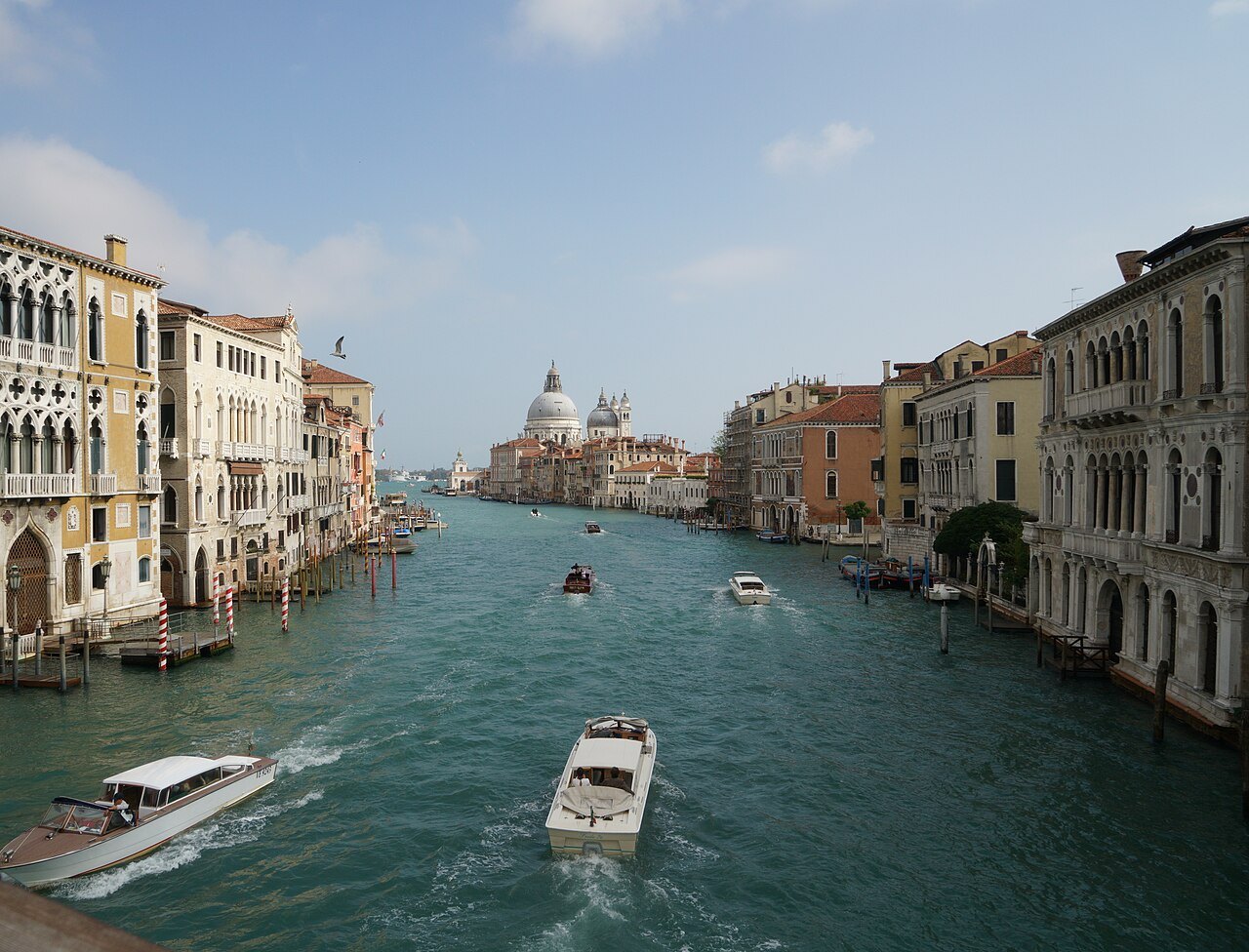
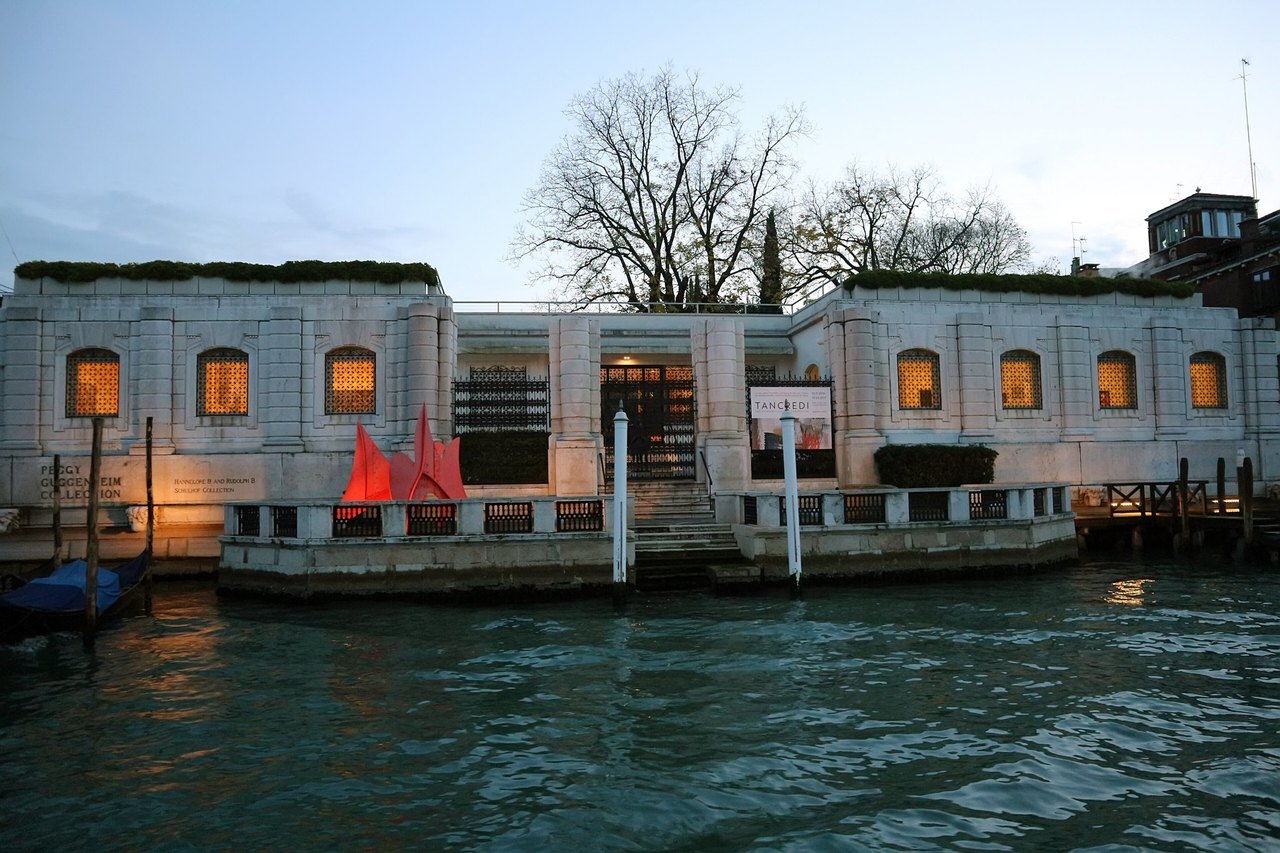
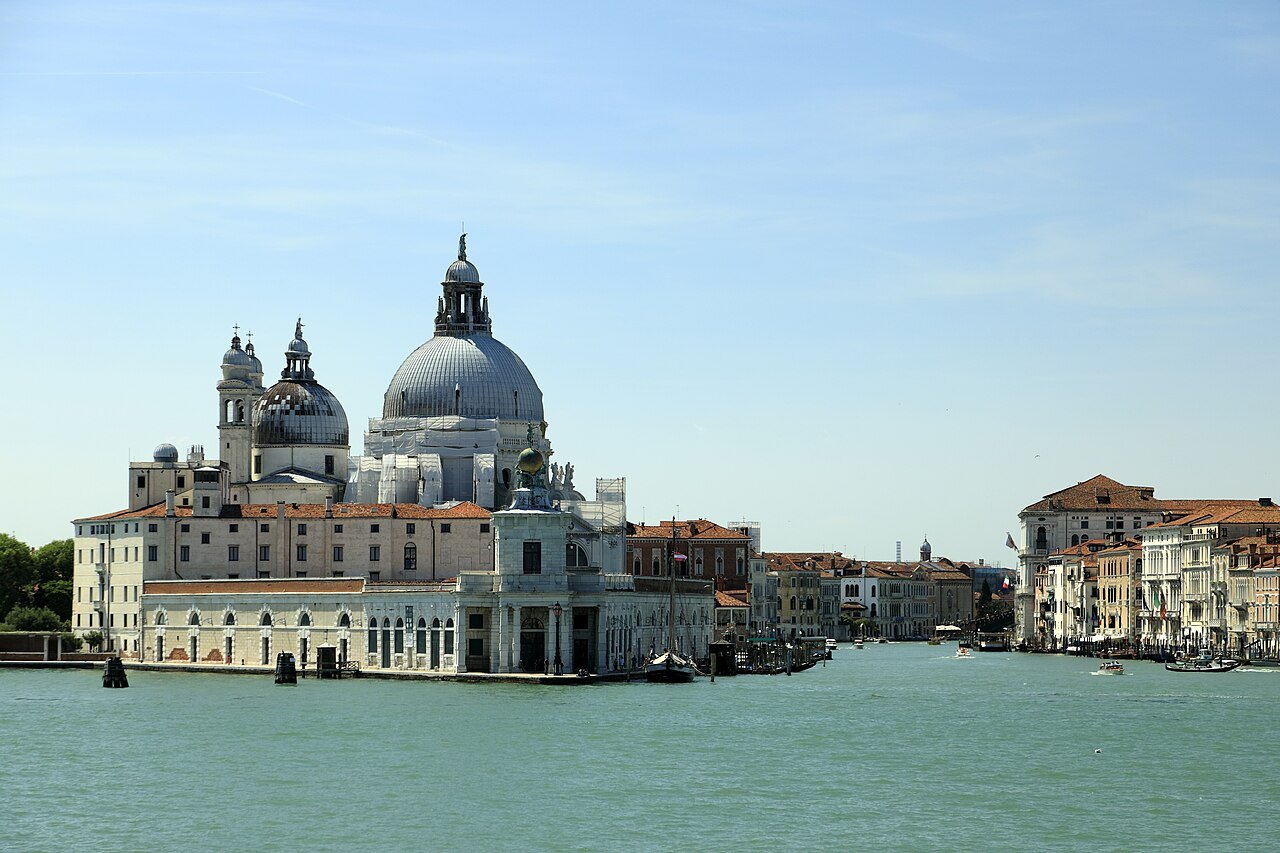
The Peggy Guggenheim Collection is a few minutes' walk east along the canal, with Santa Maria della Salute beyond it, so modern art and a Baroque church can follow the old masters in one morning. From the Accademia bridge itself, look east down the canal toward the domes of the Salute and the open basin beyond.
Read nextIII
More from the journal
- The FrariWhat makes Titian's Assumption in the Frari so famous?Why Titian's Assumption still commands the Frari's high altar, and how to see it properly on a visit.Read the piece →
- Getting AroundOnly Four Bridges Cross the Grand Canal: Planning RoutesThe Grand Canal cuts Venice in two, and only four bridges cross it in nearly four kilometers. Where they are, why a map misleads, and how to plan walks, water-bus rides and traghetto crossings so the canal works for you rather than against you.Read the piece →
- When to ComeAcqua Alta in Venice: the Tide, the Sirens and the WalkwaysBetween autumn and spring, exceptional tides flood the lowest parts of Venice. What causes the acqua alta, how the levels are measured, what the sirens mean, where the raised walkways go, what the MOSE barriers changed, and how to plan a day around a high tide.Read the piece →