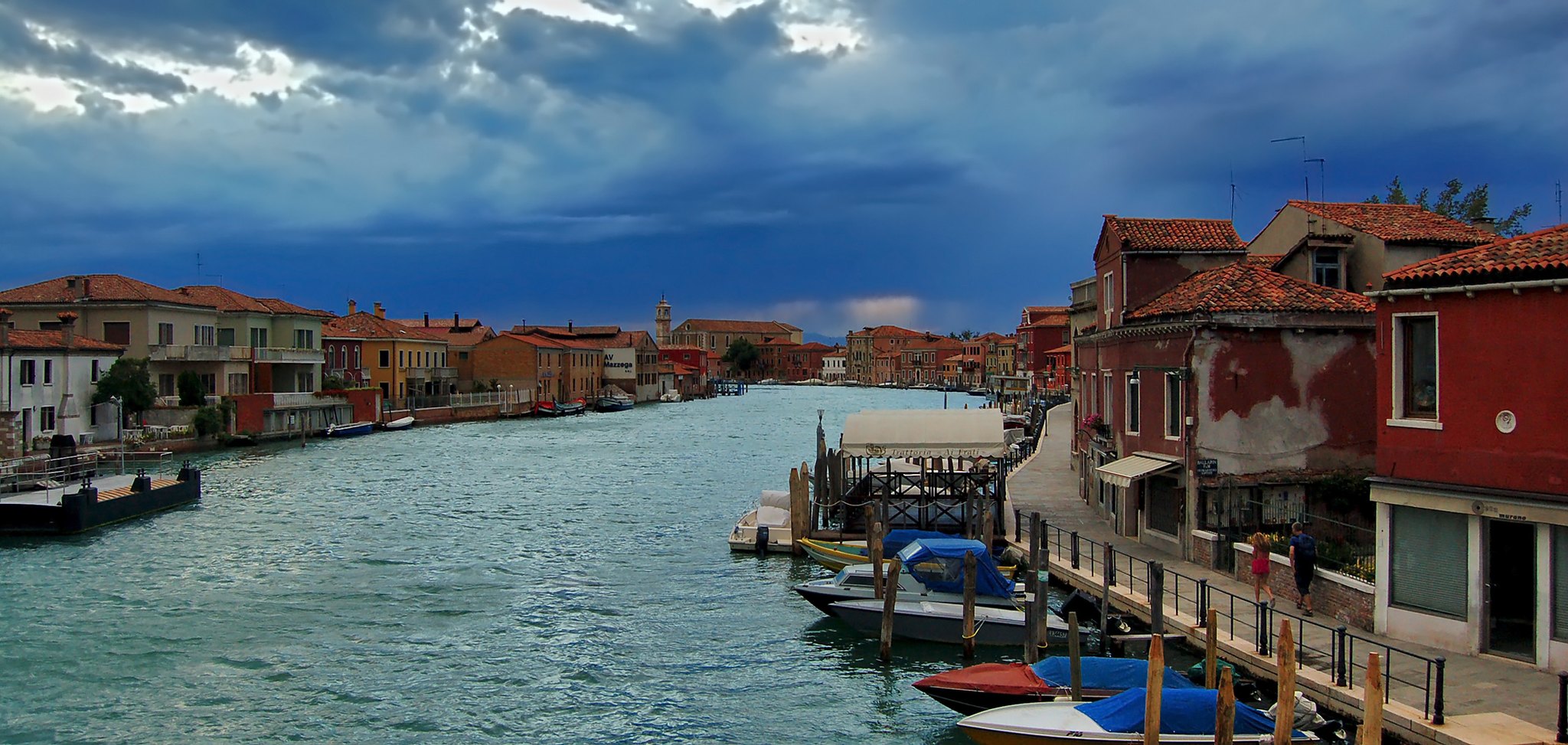

Seven islands about a mile and a half north of Venice, and the place the Republic moved its glass furnaces to in 1291 — officially because of the fire risk to a city built of wood, and in practice to keep the technique where it could be watched. Glassmakers were forbidden to leave on pain of death.
It looks like a lower, wider, quieter Venice, because that is what it is.
What it costs
The island is free. Getting there is a vaporetto fare, and that is the real cost — which is exactly the shape of every price in this city.
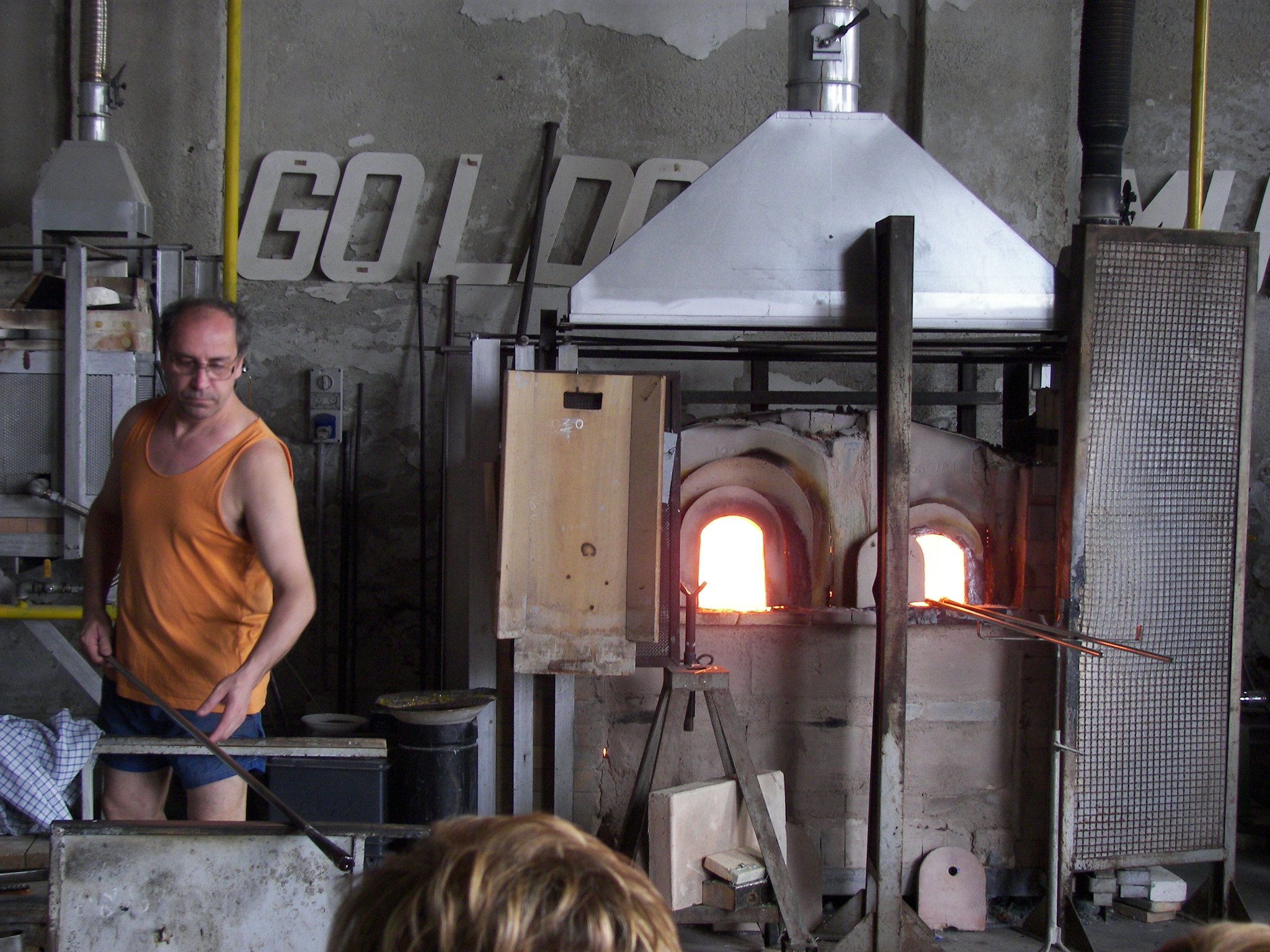
Furnace demonstrations are often free because they end in a showroom. That is a fair trade as long as you know it is the trade.
When to go
Weekday mornings, when the furnaces are working. Many workshops close in August, and most are shut by mid-afternoon and at weekends.
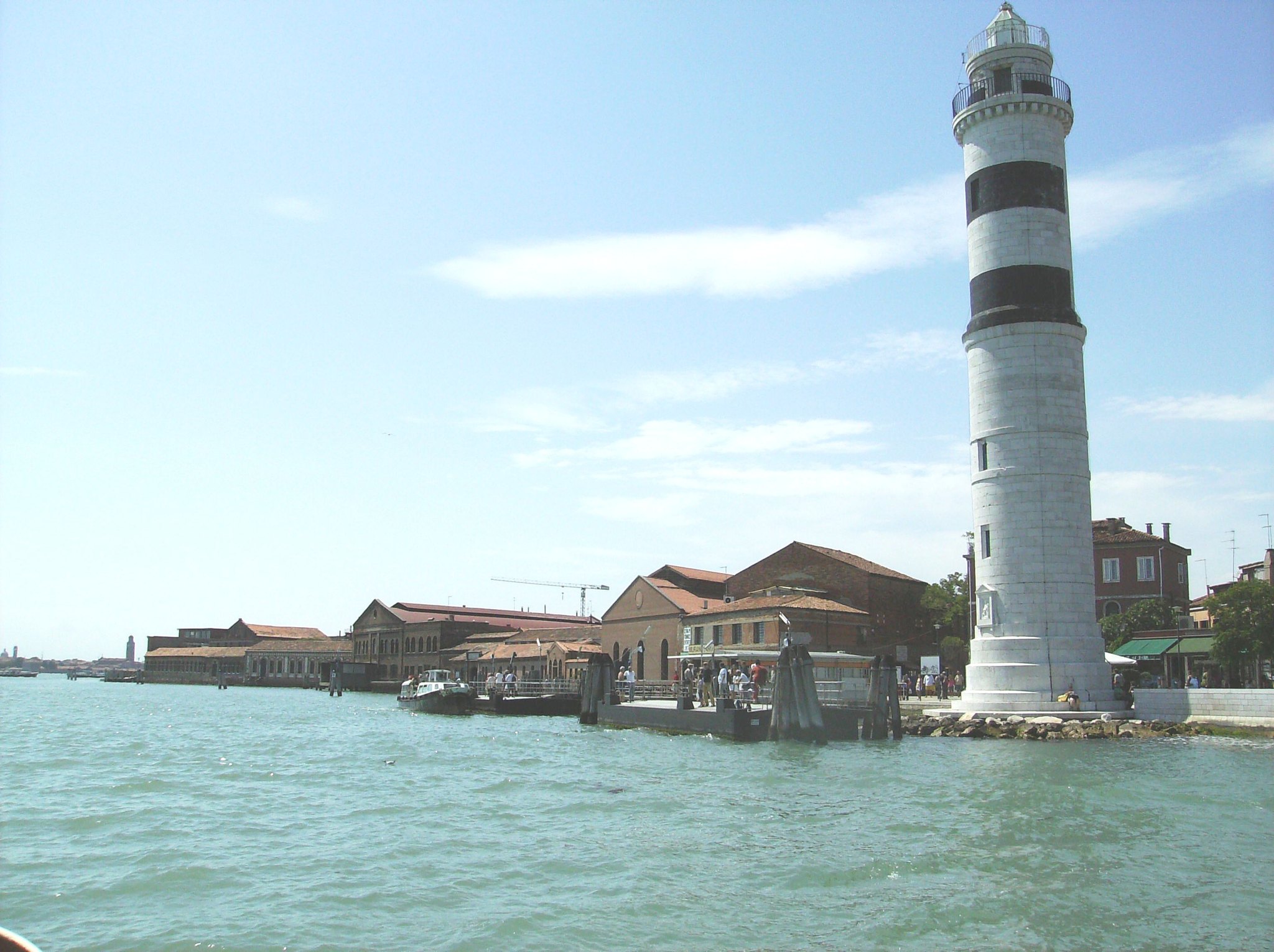
⚠️ Murano is not one island but seven, joined by bridges, and the vaporetto makes several stops along it. Colonna is the first and the one most people want; Faro and Museo are further on. Getting off at the wrong one adds a fifteen-minute walk.

Getting there
Line 12 or 4.1/4.2 from Fondamente Nove — about ten minutes, and far quicker than the tourist boats offering “free” transfers, which exist to deliver you to one particular showroom.

If you only have an hour
Watch someone work. A gather of glass at 1,100 degrees becoming a recognisable object in ninety seconds is worth the trip on its own.
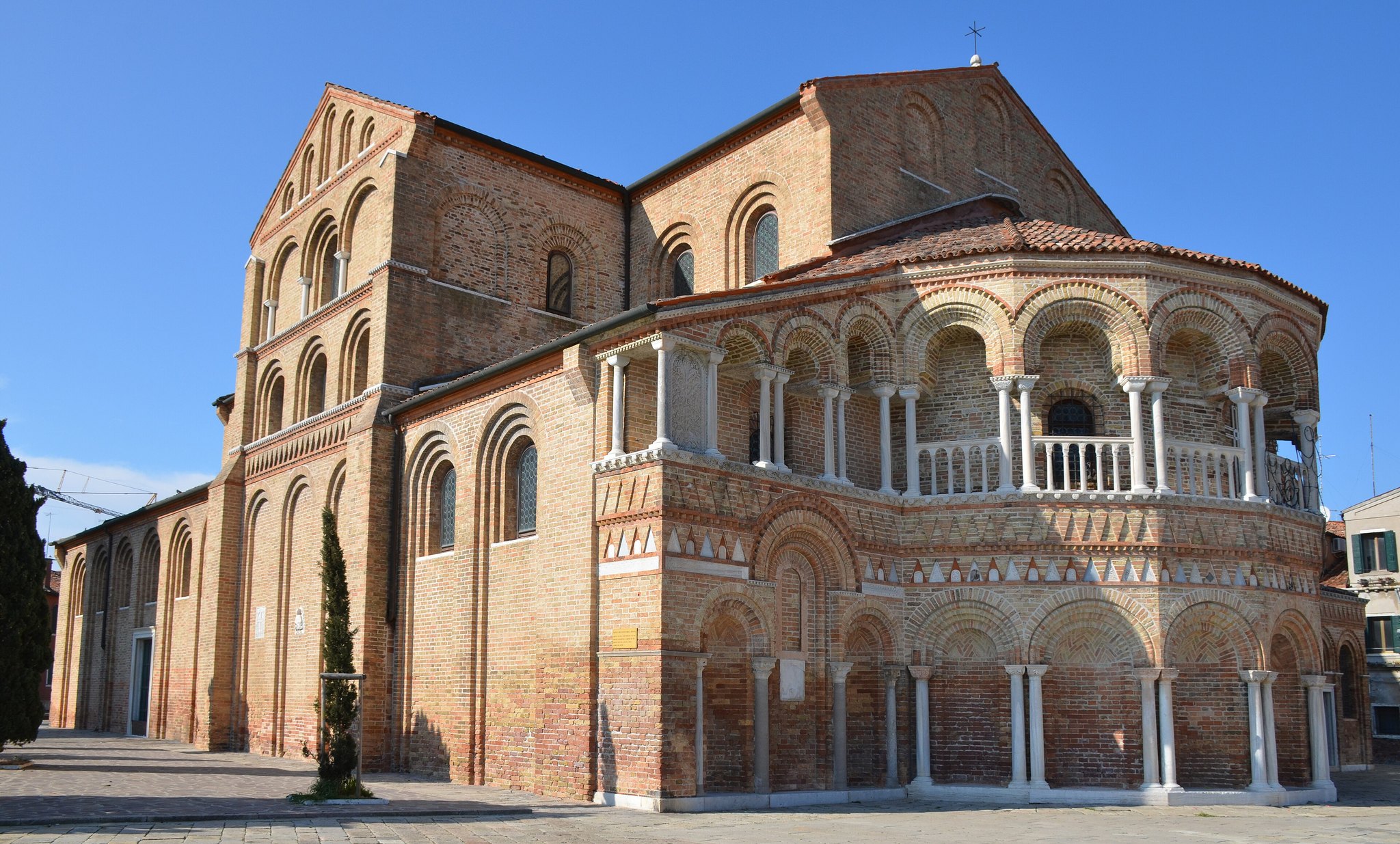
Then walk to Santa Maria e Donato at the far end — a twelfth-century basilica with a mosaic floor older than St Mark’s and almost nobody in it.
What people get wrong
Buying “Murano glass” without checking where it was made. The island has a trademark for the real thing; a great deal of what is sold in Venice under the name is imported.

Nearby
Ticketing arrangements, closing days and boat timetables as published and checked on 5 September 2026. These change without much warning — confirm with the place itself before you travel. More sights, and how they fit together, in Landmarks & Sights.