What you are looking atI
Torcello
The lagoon
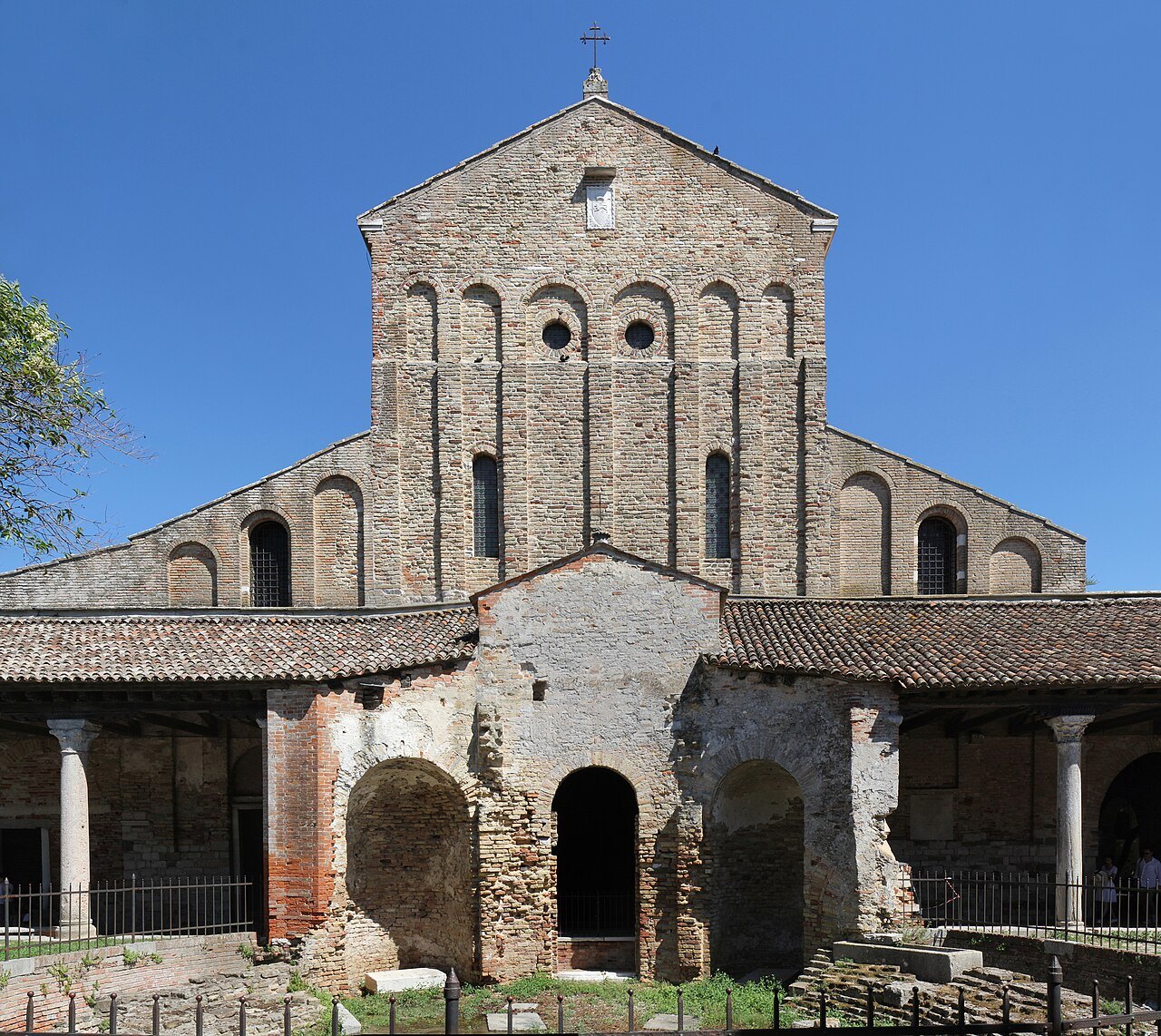
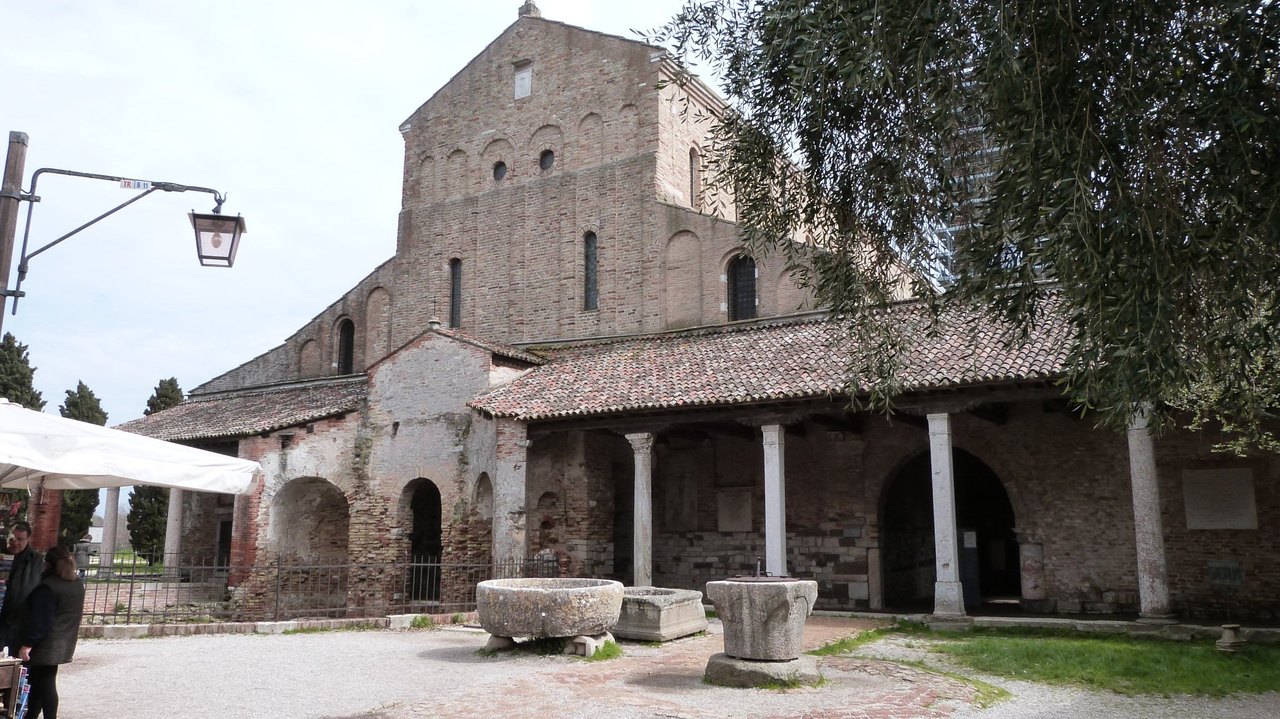
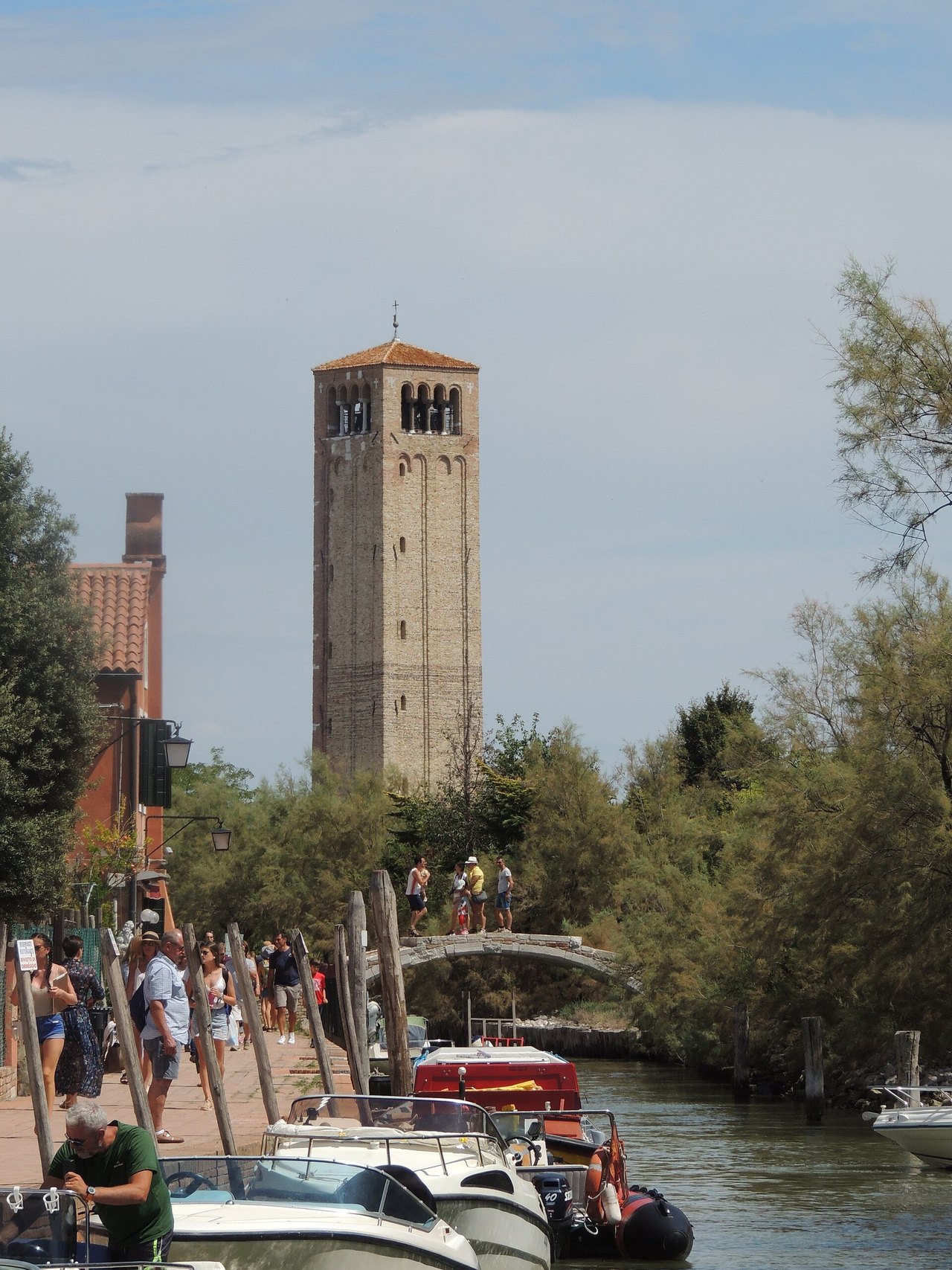
- 1Santa Maria AssuntaThe cathedral founded in 639, the oldest in the lagoon, with its Byzantine mosaics.
- 2The Last JudgementThe vivid Byzantine mosaic of the Last Judgement inside the cathedral.
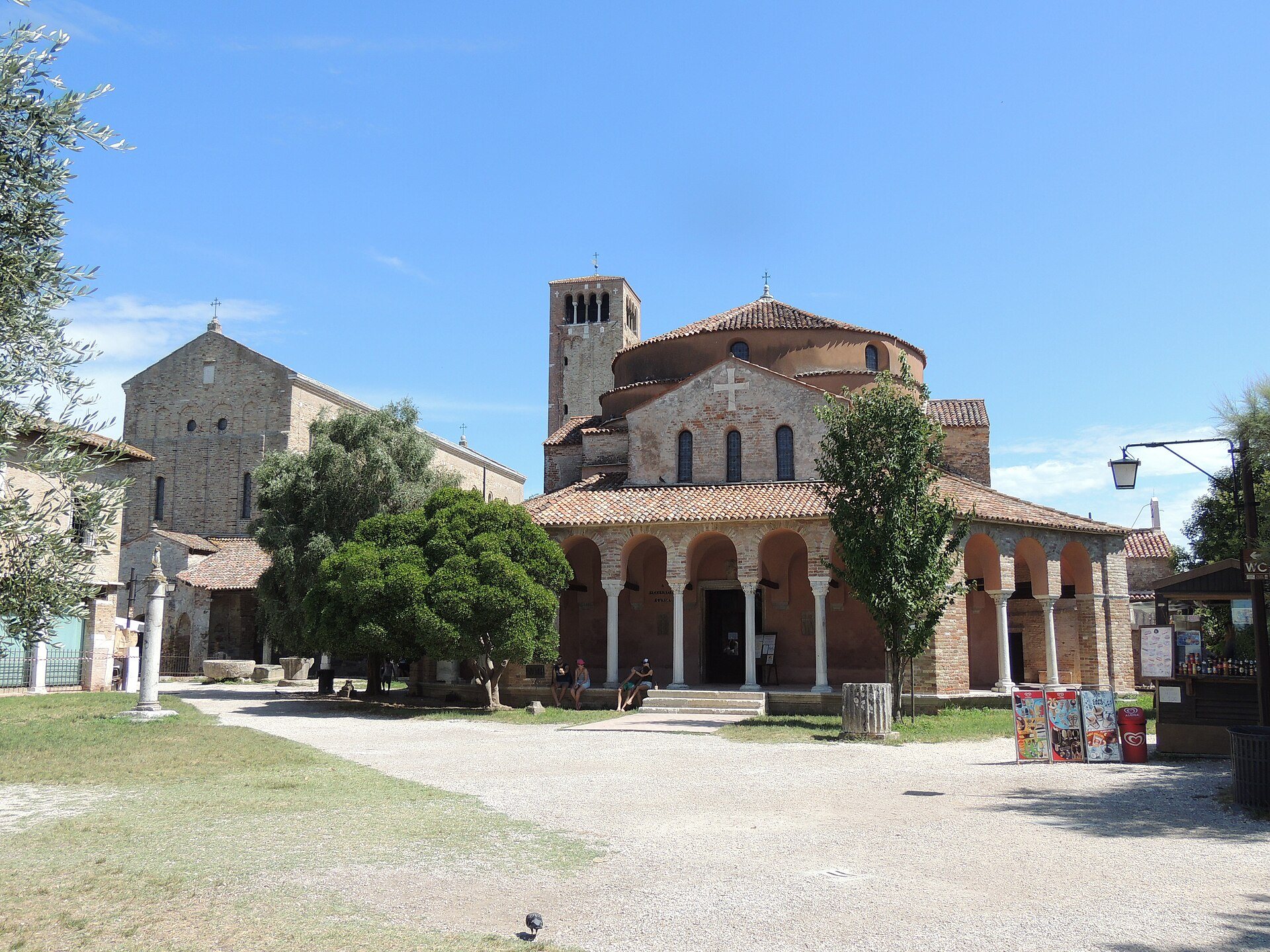
- 3Santa FoscaAn eleventh- and twelfth-century church in the form of a Greek cross, wrapped in a portico.
- 4The campanileThe cathedral's bell tower, with a view over the whole northern lagoon.
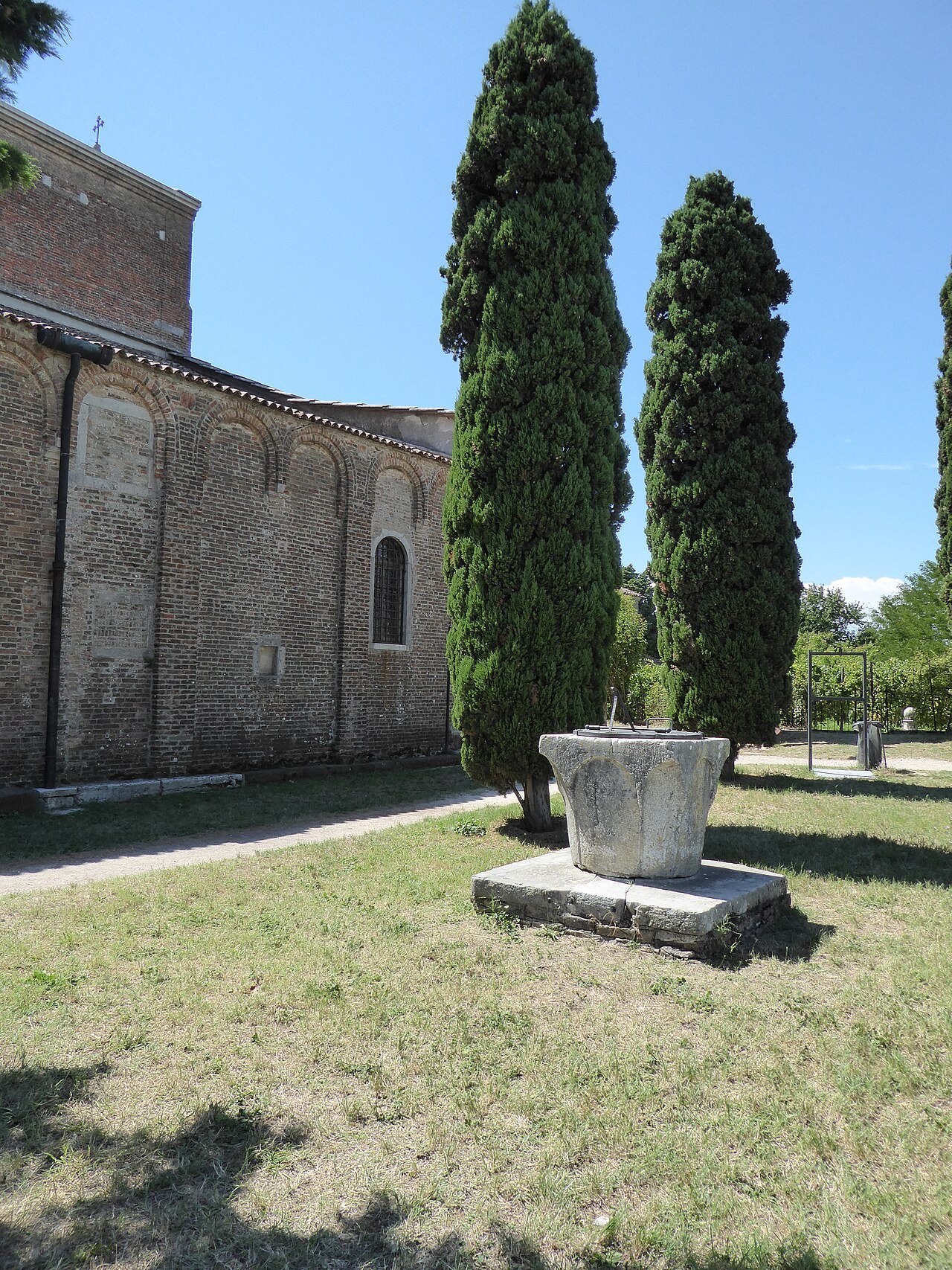
- 5Attila's ThroneAn ancient stone chair on the grass that has nothing to do with the king of the Huns.
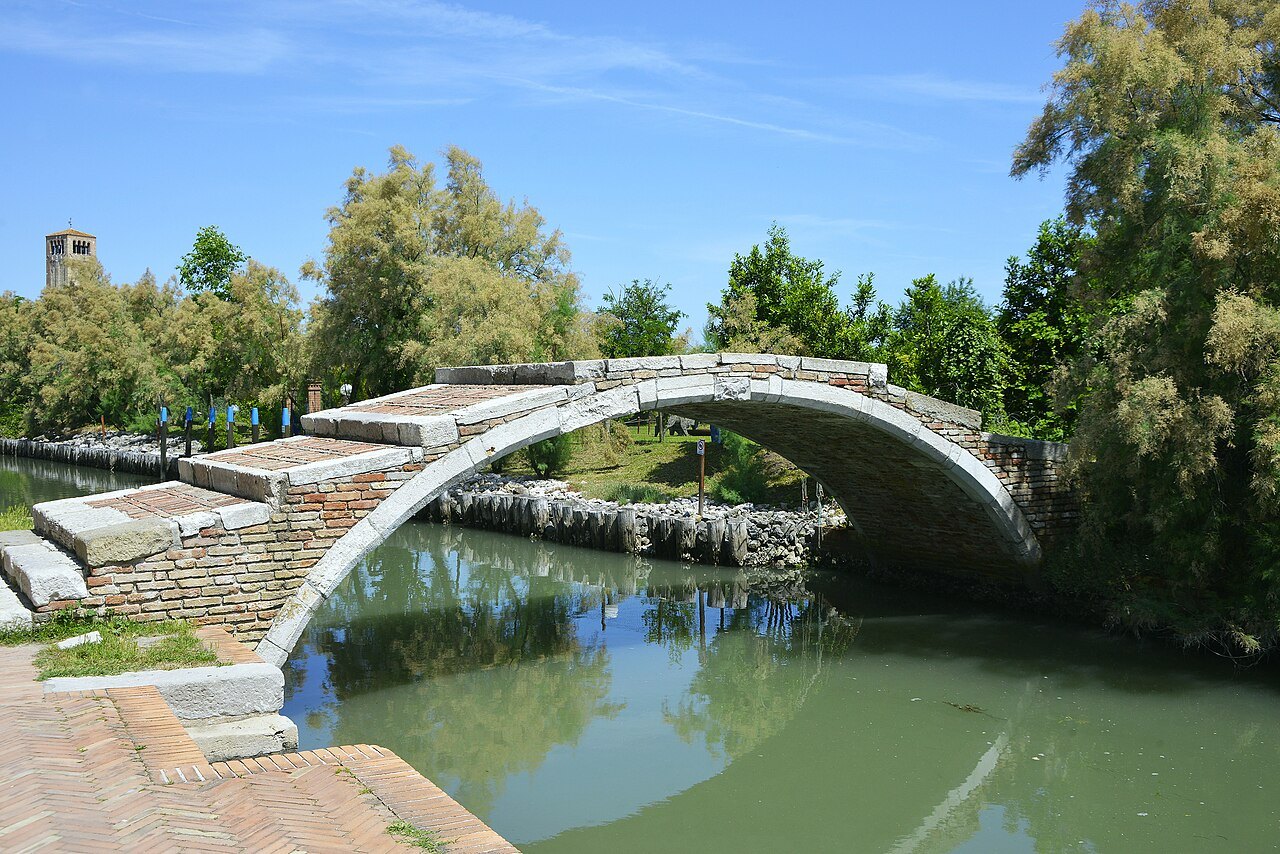
- 6The Devil's BridgeA small arched bridge over the island's canal.
The sight in fullII
Reading the place
Why it matters
Torcello is a sparsely populated island at the northern end of the Venetian Lagoon, just beyond Burano, and it has been called the parent island from which Venice was peopled. It was first settled in 452, when Attila the Hun destroyed the Roman city of Altinum on the mainland, and it was a town with a cathedral and bishops before St Mark's Basilica was built.
Today almost nothing of that town is left. A few families live here, a canal leads from the landing past fields and gardens to a grassy square, and on the square stand a cathedral, a church and two small medieval palaces. It is the most peaceful place in the lagoon, and the mosaics in its cathedral are among the finest in the Venetian world.
From refuge to ruin
When Attila destroyed Altinum and the settlements around it in 452, the people of the mainland fled to the islands of the lagoon, and Torcello was among the first to be settled. For two centuries more, as Lombards and Franks fought over the mainland, refugees kept coming, among them the bishop of Altinum himself. In 638 Torcello became the bishop's seat, which it remained for more than a thousand years, and the relics of Saint Heliodorus, brought from Altinum, made him the island's patron.
Torcello grew rich on salt from the lagoon's marshes and on trade with Constantinople. In the tenth century its population is often put at twenty thousand, though some archaeologists now estimate no more than three thousand; either way, before Venice rose it was a more powerful trading center than Venice itself. It kept close cultural and trading ties with Constantinople, yet as a distant outpost of the Eastern Roman Empire it could run its own affairs in practice, and its harbor became a busy market for goods passing between east and west.
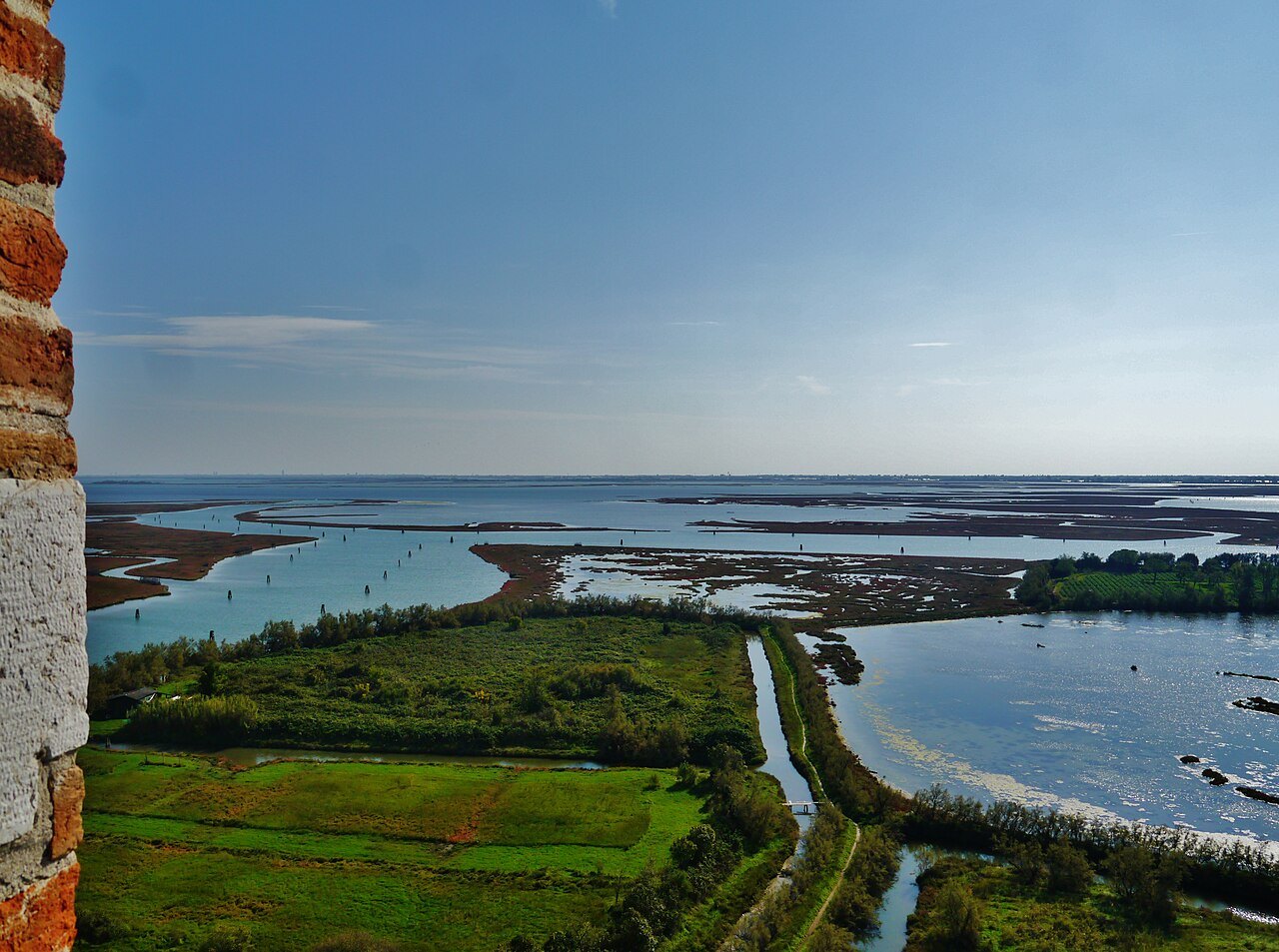
Then the lagoon around it changed. By the fourteenth century the marshes had spread, the channels silted, ships could no longer reach the island through the dead lagoon, and malaria grew worse. People left for Murano, Burano and the Rialto. In 1689 the bishopric moved to Murano, and by 1797 some three hundred people remained. The Venetians carried away the stone of its palaces, its twelve parishes and its sixteen cloisters to build elsewhere; today only a dozen or so people live here.
The dead lagoon
Torcello's decline is a lesson in how the lagoon works. The Venetian Lagoon is about eighty percent mud flats, tidal shallows and salt marsh, and only its dredged channels carry boats. Left alone, river silt fills it in and turns it to marsh; around Torcello that is exactly what happened, and the area ships could not cross became known as the laguna morta, the dead lagoon.
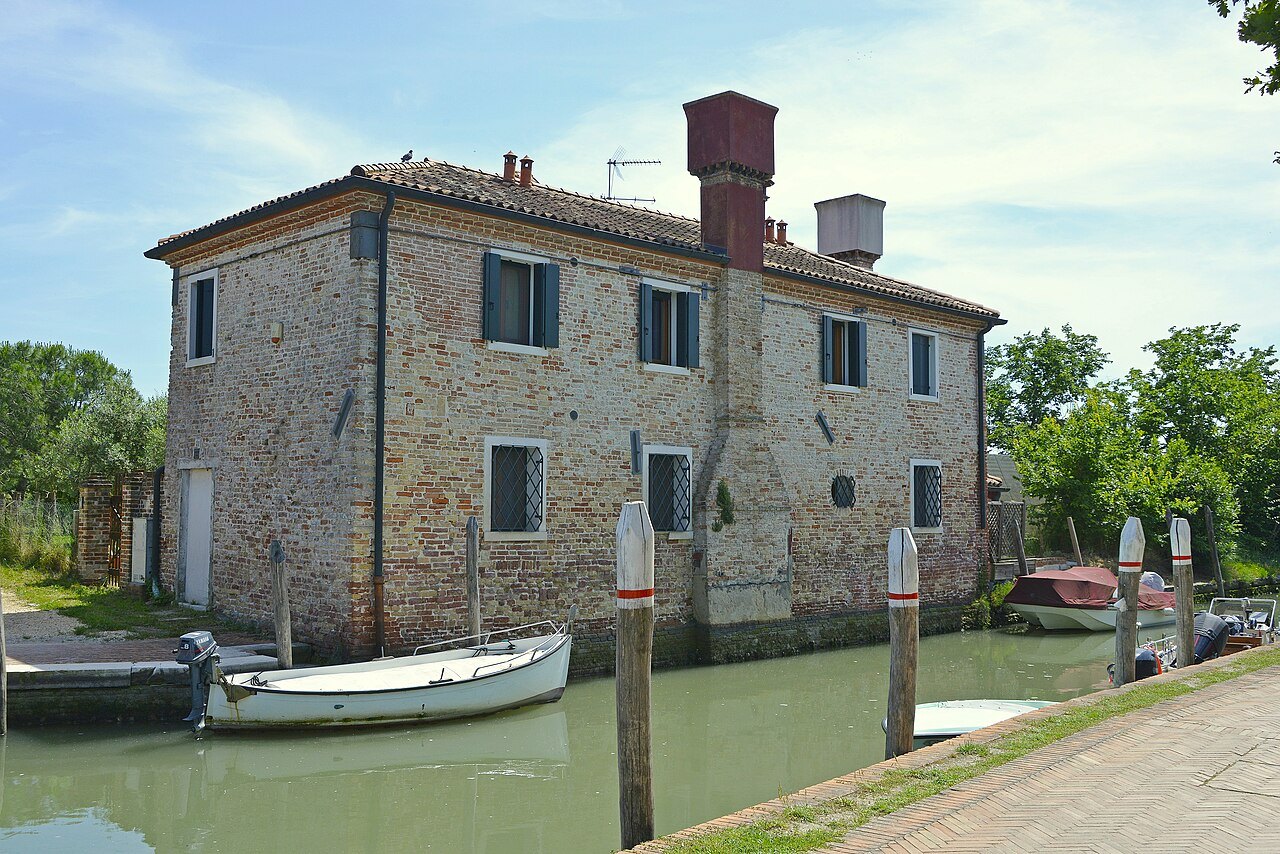
Venice learned from it. In the fifteenth and sixteenth centuries the Republic's hydraulic works were designed to stop the rest of the lagoon going the same way, and today the island sits at the edge of the part of the lagoon that was allowed to stay wild. It is one of the few places near Venice where you can see what the whole lagoon looked like before the city (see the lagoon).
What you see
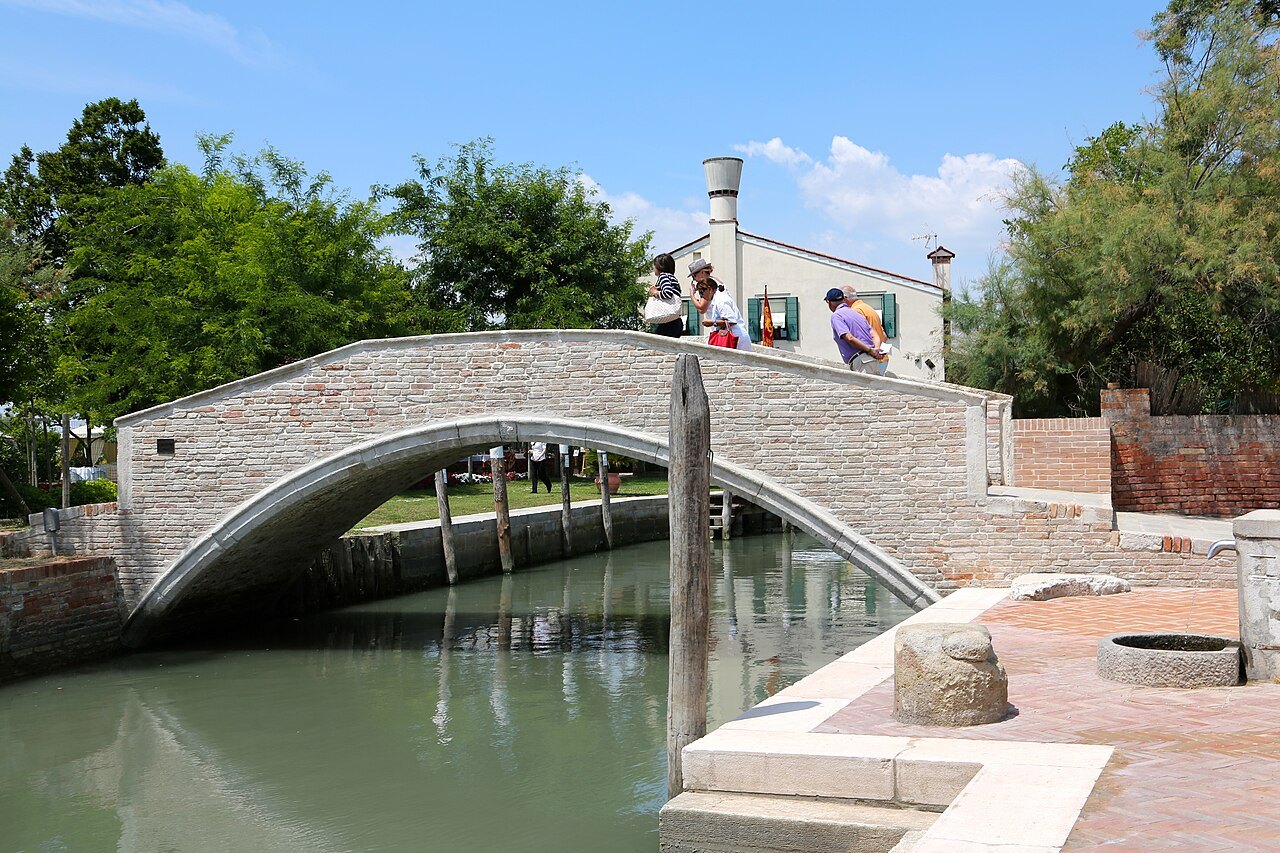
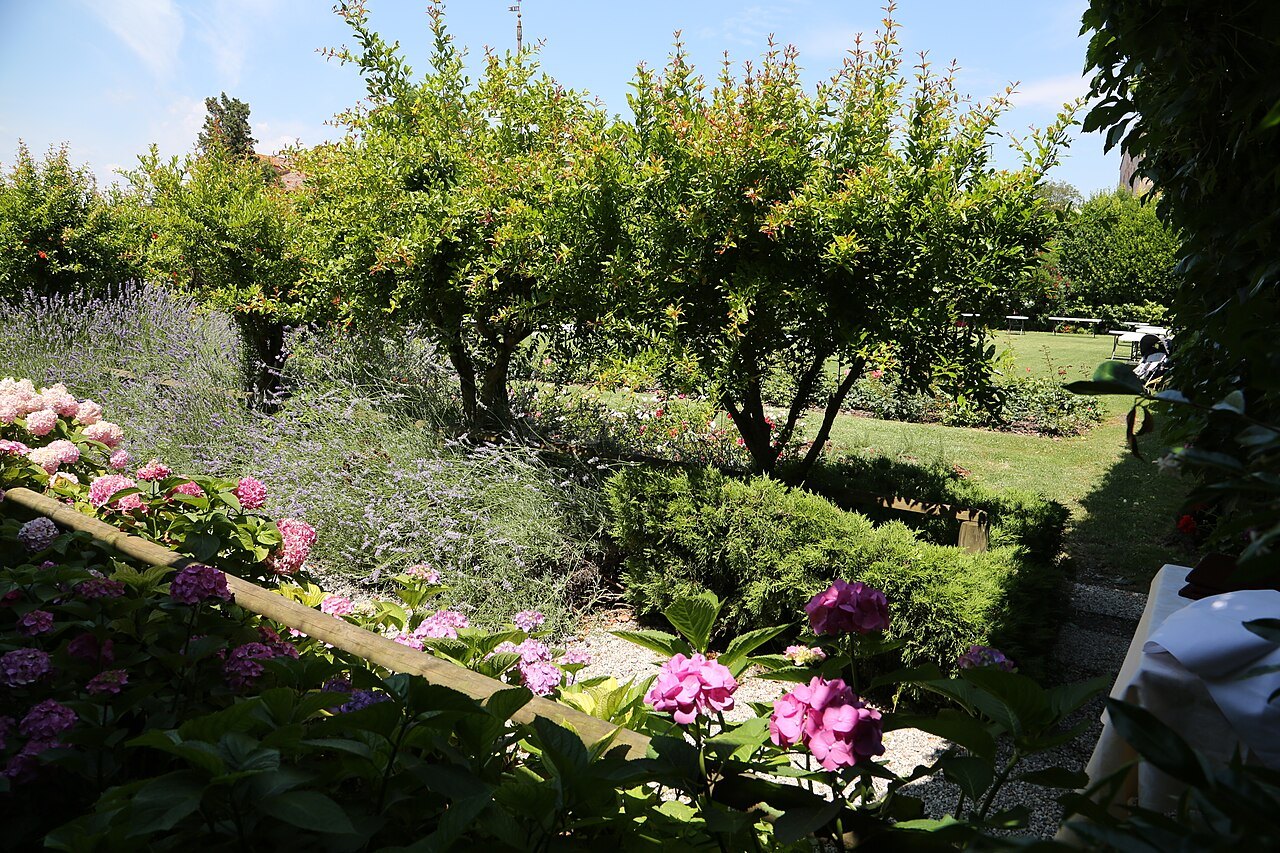
From the landing a path runs beside the canal to the Ponte del Diavolo, the Devil's Bridge, a little arched bridge, and on to the heart of the old town. On the grass in front of the churches stands Attila's Throne, a stone chair that despite its name probably served a magistrate or a bishop, perhaps the seat where the chief magistrates were installed.
The Cathedral of Santa Maria Assunta, founded in 639 and rebuilt with its campanile in 1008, is the oldest cathedral in the lagoon: a basilica with side aisles and no crossing. Inside it is full of Byzantine work of the eleventh and twelfth centuries, above all its mosaics, and the most famous is a vivid Last Judgement: Christ in judgement above, and below him the fate of souls, the saved on one side and the damned on the other. Give it time; it rewards reading tier by tier.
Next to the cathedral, the church of Santa Fosca, of the eleventh and twelfth centuries, is built as a Greek cross and surrounded by a semi-octagonal portico. Across the grass, two fourteenth-century palaces, the Palazzo del Consiglio, once the seat of the island's government, and the Palazzo dell'Archivio, house the Museo Provinciale di Torcello.
Climb the cathedral's campanile when it admits visitors. From the top the whole northern lagoon lies below: salt marsh, channels marked by posts, Burano's colors, and Venice low on the horizon.
How to visit
Torcello is reached by water bus. A shuttle crosses the few minutes from Burano, which is served by lines from the north shore of Venice by way of Murano, so the three islands make one day out (see Murano and itineraries). Check the times of the boats back before you leave the landing.
The cathedral, the campanile and the museum have separate entries; allow two hours for all three and the walk. There is very little on the island besides the churches, which is exactly its appeal.
Ernest Hemingway stayed here in 1948 writing parts of Across the River and Into the Trees, and the island is the backdrop of Daphne du Maurier's story Don't Look Now. Neither is a reason to come; the mosaics and the silence are.
Where to go nextIII
Nearby
- Nearby · The lagoonBuranoA fishing village of brightly painted houses at the far end of the northern lagoon, 45 minutes from St Mark's by water bus: the island of lace, of a leaning bell tower, and of the color that everyone photographs.Read the page →
- Nearby · The lagoonMuranoSeven small islands linked by bridges about a mile north of Venice, where the Republic sent its glassmakers in 1291: furnaces still working along the canals, a glass museum in a Gothic palace, and a Byzantine basilica with a floor of twelfth-century mosaic.Read the page →
- Nearby · San MarcoSt Mark's BasilicaThe doge's own chapel for seven centuries and the city's cathedral since 1807: a Byzantine church of five domes, clad in marble taken from Constantinople and lined inside with gold mosaic.Read the page →