Home · Itineraries
A day at a timeI
Five days in Venice
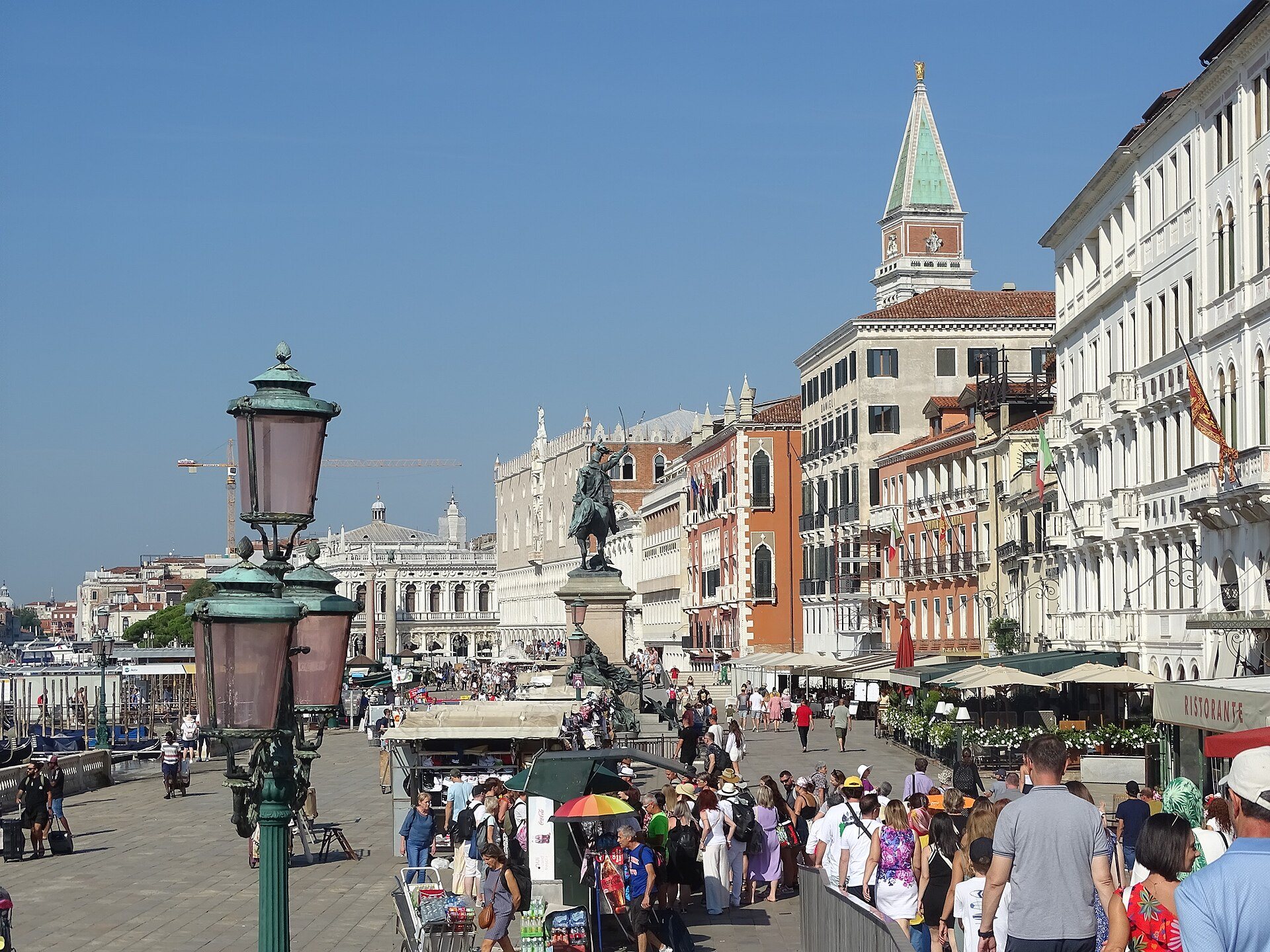
Day one: San Marco
The basilica as the doors open, the Campanile for the shape of the city, the Doge's Palace and the Bridge of Sighs, and the Piazza again at dusk when the day visitors have gone.
Day two: the Rialto and San Polo
The market in the morning, the bridge before the crowds, Titian at the Frari and Tintoretto at San Rocco, and the whole Grand Canal from a Line 1 boat in the late afternoon.
Day three: Dorsoduro and the basin
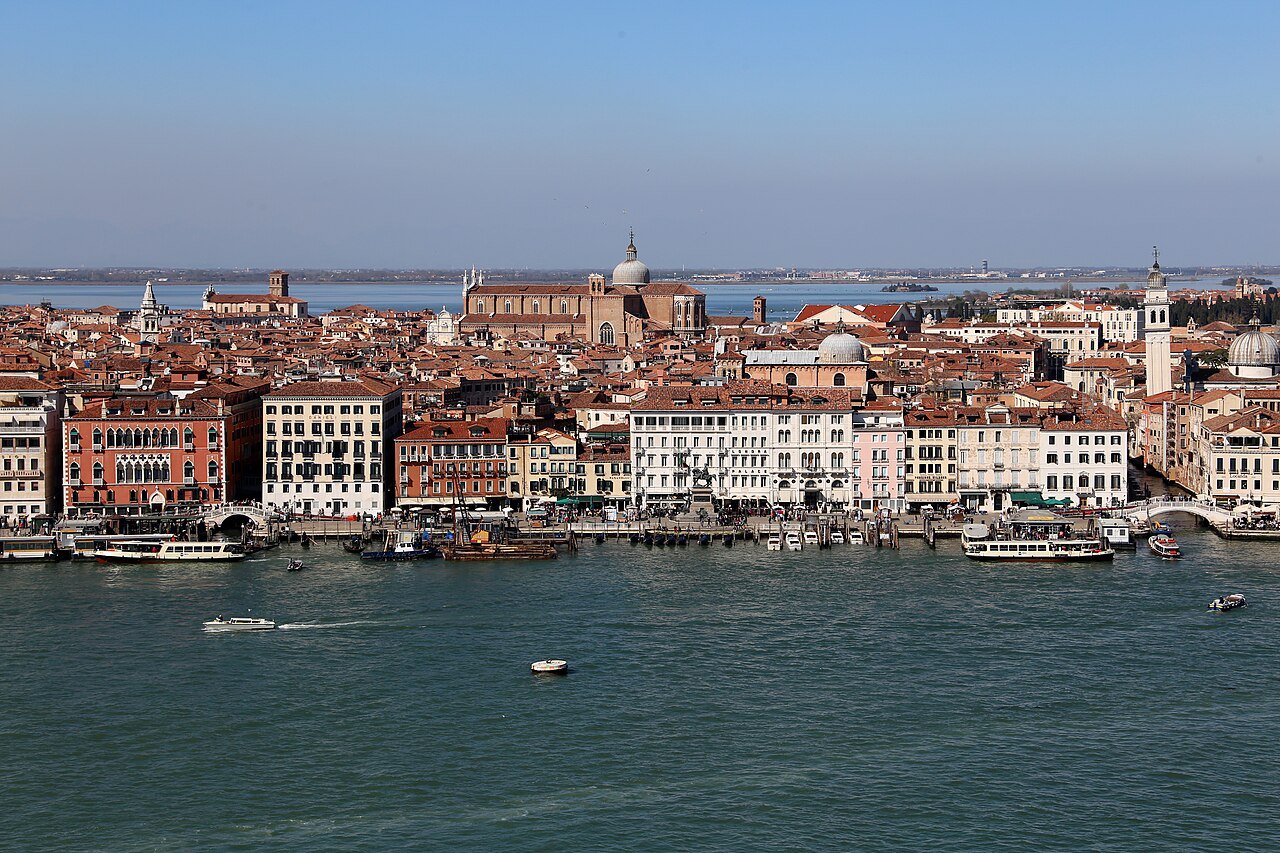
Venetian painting at the Accademia, modern art at the Guggenheim, the Salute and the point of the Dogana, then across the basin to San Giorgio for the view from its bell tower.
Day four: the northern lagoon
An early boat from the north shore to Murano's furnaces, on to Burano's painted houses, and the short hop to Torcello and its mosaics before the boats back.
Day five: Cannaregio and Castello
The Ghetto and a synagogue tour, the Ca' d'Oro on the Grand Canal, the doges' tombs at Santi Giovanni e Paolo, and east to the walls and lions of the Arsenale.
In fullII
Itineraries
How to plan a day in Venice
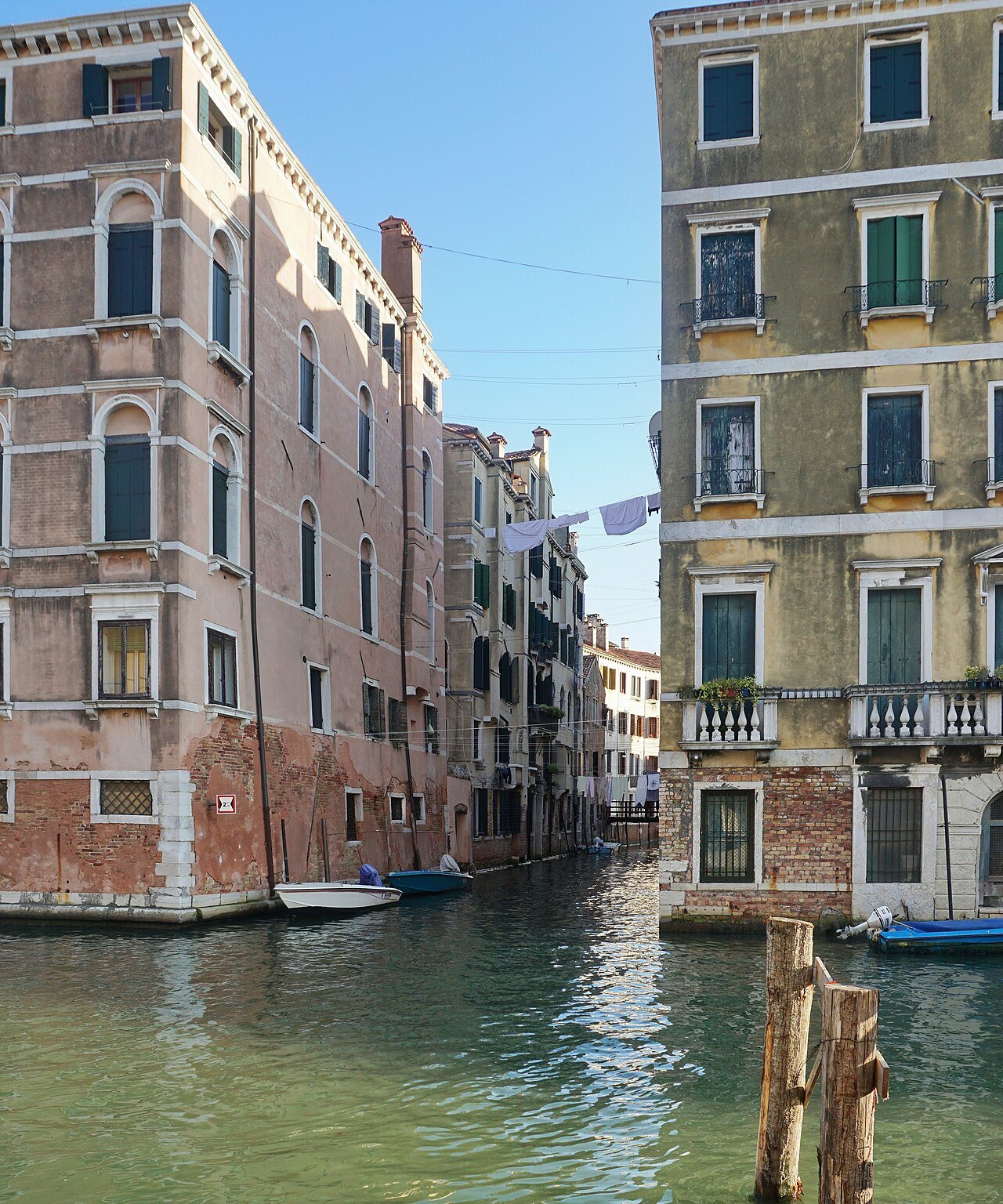
The sights of Venice cluster by district, and the city is small but slow: lanes wind, bridges have steps, and the canals decide where you can cross. A day that zigzags between San Marco, the Accademia and the Ghetto spends half its time walking back and forth. A day spent in one or two neighboring sestieri spends that time looking (see the sestieri).
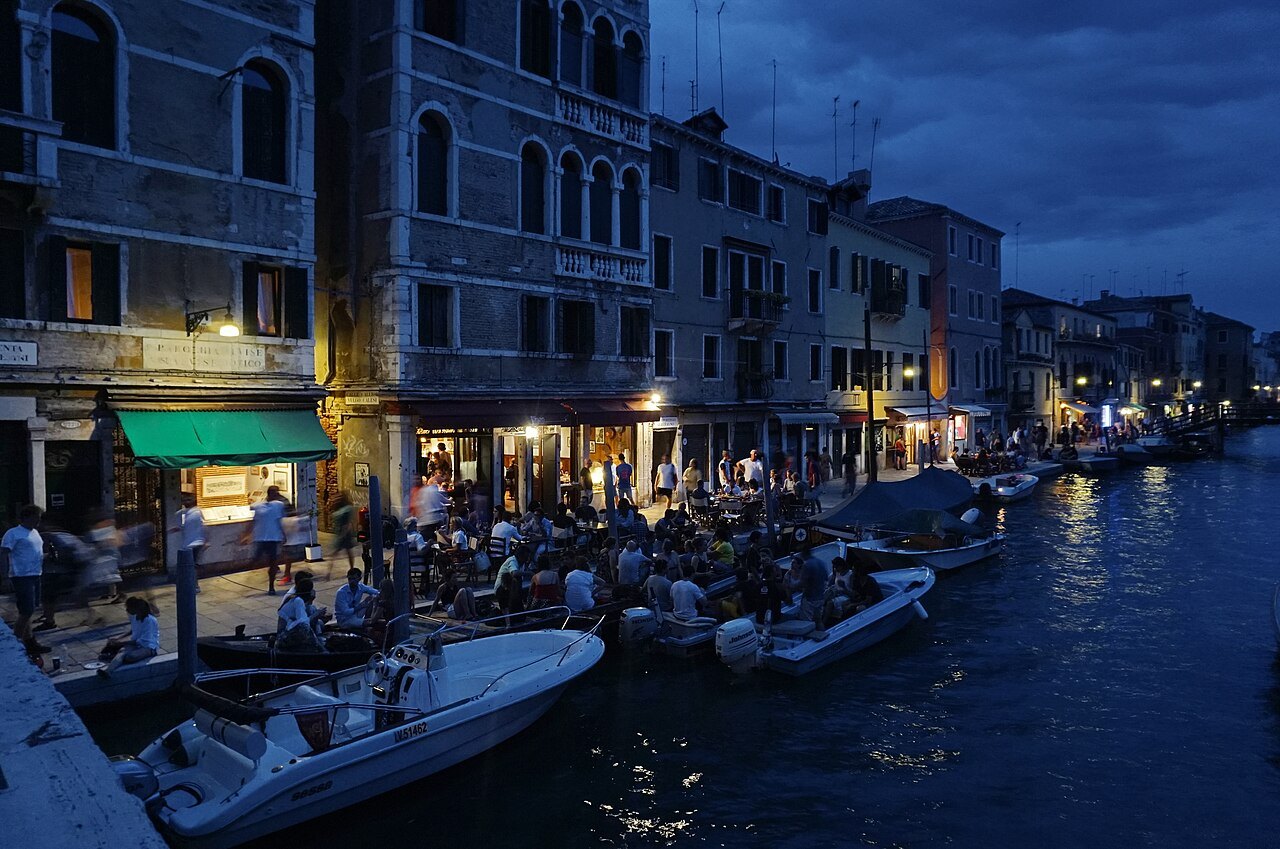
Three habits help. Start early, because the first hours of the morning are the quietest of the day, above all around San Marco and the Rialto. Book the few places that need it, the basilica, the Campanile, the Doge's Palace and the Guggenheim, for the start of the day you plan to see them (see booking ahead). And keep the evening free, because Venice after the day visitors leave is the city at its best.
Churches close to visitors for services, and many sights have their own days of closure; check the official times before you fix a day. And leave room for getting lost, which here is not a failure of planning but part of the point.
One day
With a single day, choose between depth and breadth, and choose depth. Spend the morning at San Marco, the basilica as it opens and the Doge's Palace after it, then walk through the Mercerie to the Rialto for lunch at a bar counter near the market. In the afternoon cross to San Polo for the Frari and San Rocco, or walk on to the Accademia bridge, and end the day on a Line 1 boat down the Grand Canal as the light goes.
It is a long day, and it leaves out the lagoon entirely. If you have only one day, consider staying the night before or after it; the evening and the early morning double what one day can hold.
Two and three days
Two days allow the first two days below: San Marco on its own, and the Rialto and San Polo with the Grand Canal. The pace is gentler, and the Campanile and the Frari no longer have to be squeezed in. Spend the evenings walking the quieter districts, Cannaregio or eastern Castello, where the bars fill with people who live there.
Three days add Dorsoduro: the Accademia and the Guggenheim in the morning, the Salute and the Punta della Dogana at midday, and across the basin to San Giorgio Maggiore for the view back at the city from its bell tower in the afternoon. By the end of the third day you have seen the great sights and have begun to know your way.
Five days
Five days add the lagoon and the north of the city. The fourth day goes out to the islands: take an early boat from Fondamente Nove to Murano, watch glass being blown, continue to Burano for lunch and its painted houses, and cross to Torcello for its cathedral before heading back, checking the time of the last boats before you set out (see the lagoon).
The fifth day is for Cannaregio and Castello, the districts where more Venetians live than visitors stay. Begin in the Ghetto, with a synagogue tour from the Jewish Museum, walk east along the long canals to the Ca' d'Oro, cross to Santi Giovanni e Paolo and its monuments to the doges, and finish at the gates of the Arsenale. Five days is the stay this site is built around: enough to see all twenty of its sights without rushing any of them.
A week
With a week, slow down and look outward. Add a day at the Lido, for the beach in summer or a walk along the sea in winter, or a quieter day among the market gardens of Sant'Erasmo. Spend an afternoon in the museums you passed, the Museo Correr on the Piazza or Ca' Rezzonico on the Grand Canal, and an evening at the opera at La Fenice.
And take a day or two off the island. The Veneto is on the doorstep, with Padua, Vicenza and Verona a short train ride away, and the Brenta Riviera and its villas, or the fishing town of Chioggia at the southern end of the lagoon, within easy reach (see day trips).
The evenings
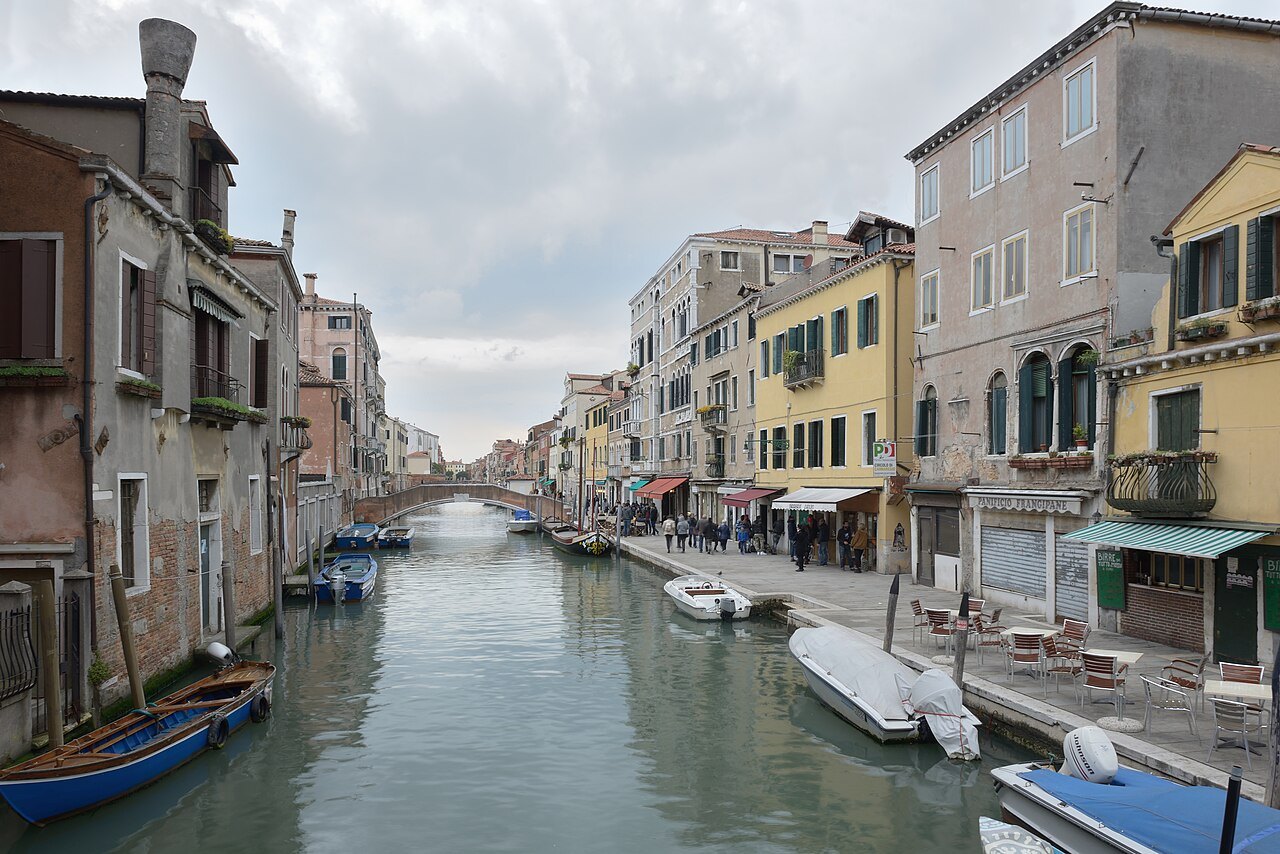
Every itinerary here ends in the late afternoon on purpose. After the day visitors leave, the city empties from the edges inward, and the evening is the time to walk without a plan: along the Zattere facing the Giudecca as the sun goes down, through the lanes of Cannaregio to a bar on a canal for an ombra and cicchetti, or back to the Piazza, which at night is a different place from the one you crossed that morning (see eating and drinking).
A water bus at night is its own pleasure. The network runs round the clock, and a ride down the Grand Canal after dark, with the palaces lit from within, is a different journey from the same ride by day.
With children, or with limited mobility
Venice is kind to walkers and hard on wheels. Most of its bridges have steps, and a route with no bridges is rare, so a stroller has to be carried and a wheelchair route has to be planned. The water buses help: most of them have disability access, and a boat can link two points a walk could not. Several sights have lifts, among them the Campanile and the Doge's Palace, and the Lido, with its roads and flat promenade, is the easiest part of the city to get around.
Children tend to love the boats, the glass furnaces of Murano and the colors of Burano more than the long rooms of paintings; plan the museum hours accordingly, and let the lagoon day come early in the stay.
Adjusting for the season
In summer, move the walking to the morning and the evening, and spend the hottest hours inside a church or a museum or on the water. In the high-water months between autumn and spring, check the tide forecast each evening and plan the next morning around it; the lowest part of the city, around the Piazza, floods first, while most of the rest stays dry (see when to come).
In the weeks of Carnival and the great festivals, the center is at its most crowded; book everything, start earlier still, and use the festival days for the festival itself rather than the museums. And in any season, if a day goes wrong, sit down at a bar in a quiet campo and let the city go by; it is the most Venetian thing you can do.