Home · Where to Stay
Where to stayI
Eight bases, island and mainland
- San MarcoShort first visits, the big sights on the doorstepThe dense center inside the bend of the Grand Canal, with grand hotels, shops and the busiest lanes in the city. Everything is close; little is quiet by day.
- CastelloLonger stays, walkers, a lived-in cityThe largest sestiere, from the Riva degli Schiavoni by San Marco east to the Arsenale and the gardens. The farther east, the more residential and the calmer.
- CannaregioArrivals by train, budgets, evenings in the barsThe most populous district, near the station, with the Ghetto and long canals. The route to the Rialto is busy; the lanes north of it are residential.
- San Polo and Santa CroceMarkets, food, a central base off the main routeThe Rialto market, the Frari and San Rocco, and quiet medieval lanes to the west, with Piazzale Roma at the edge for bus and airport arrivals.
- DorsoduroArt lovers, couples, views across the waterThe Accademia, the Guggenheim and the Salute, with the Zattere facing the Giudecca. Popular with foreign residents, and calm in the evenings.
- The GiudeccaQuiet, and the view back at the cityThe long island across the Giudecca Canal, mostly residential, with the Redentore and some of the city's grandest hotels. Every trip starts with a boat.
- The LidoBeaches, summer, the Film FestivalThe barrier island on the Adriatic, with roads, cars, beaches and grand hotels. A water-bus ride from San Marco.
- MestreTight budgets, short stays, car travelersThe mainland borough across the lagoon, with the main junction station. Cheaper, but a commute by bus, tram or train, and not the island city.
In fullII
Where to Stay
Stay the night
Most visitors to Venice come for the day and leave in the evening, and they spend relatively little in the few hours they are here. The city has tried to steer that pattern, with an access fee on the busiest days for those who do not stay (see booking ahead), but for a visitor the real argument is simpler: early in the morning and late in the evening, when the day visitors have gone, Venice is quiet, and the Piazza, the Rialto and the Grand Canal can be seen with room around them.
Beds in the island city are limited and fill early for festivals. Before you book, find out which water-bus landing is nearest, how many bridges lie between it and the door, and whether the address is really in the island city (see getting here).
San Marco
San Marco is the densely built district inside the great bend of the Grand Canal, the old seat of the Republic's government, and its hotels, from palaces on the Grand Canal to small rooms in the lanes behind the Piazza, put the basilica, the Doge's Palace and the Piazza on the doorstep. For a first visit of two or three nights it is the easy choice: the Grand Canal lines call at its landings, and nothing you want to see is far.
The price is the crowd. By day its main lanes are among the busiest in the city, and it has many expensive shops and banks and few ordinary ones. Look for a room on the quieter western side, toward Santo Stefano, or step into neighboring Castello.
Castello
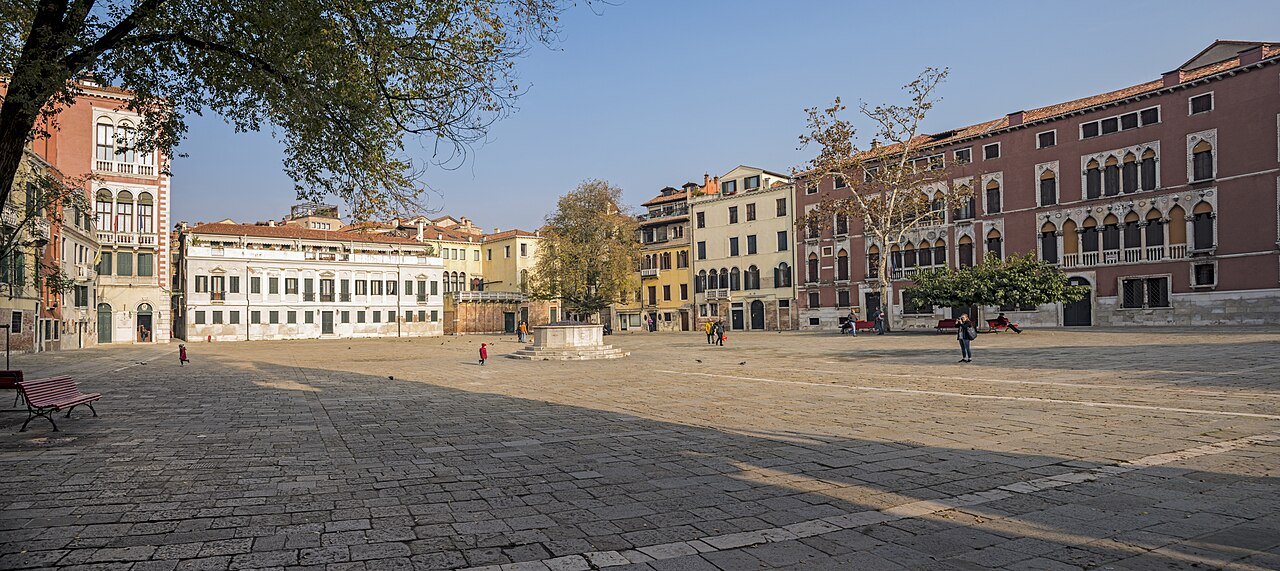
Castello, the largest sestiere, runs east from San Marco, and it changes as it goes. Along the Riva degli Schiavoni, the long waterfront facing San Giorgio, grand hotels look out over the basin; behind them the lanes around Santa Maria Formosa and Santi Giovanni e Paolo are central but calmer. Farther east, past the Arsenale and toward the gardens and Sant'Elena, the district becomes residential, with washing across the lanes, local shops and very few visitors.
It suits a longer stay and people who like to walk, and the walk to the Piazza along the Riva is one of the finest in the city. The water-bus landings along the Riva connect it with the Grand Canal and the Lido, and those at Fondamente Nove on the north shore with the islands.
Cannaregio
Cannaregio is the northernmost sestiere and the most populous, and it has the railway station at its western end, which makes it the natural base for anyone arriving by train. The route from the station along the Strada Nuova to the Rialto is one of the busiest walks in the city, but the rest of the district is residential and relatively peaceful, with morning markets, neighborhood shops and small bars along its long parallel canals.
It is a good base for eating and drinking where Venetians do, for the Ghetto, and for the islands, since the boats to Murano, Burano and Torcello leave from Fondamente Nove on its eastern edge.
San Polo, Santa Croce and Dorsoduro
Across the Grand Canal, San Polo is the smallest and most central sestiere, with the Rialto market on one side and the Frari and San Rocco on the other, and Santa Croce, to its west, has medieval lanes around San Giacomo dell'Orio that few visitors reach. Together they make a central base off the main routes, and Santa Croce includes Piazzale Roma, where the airport buses arrive, which shortens the walk with luggage.
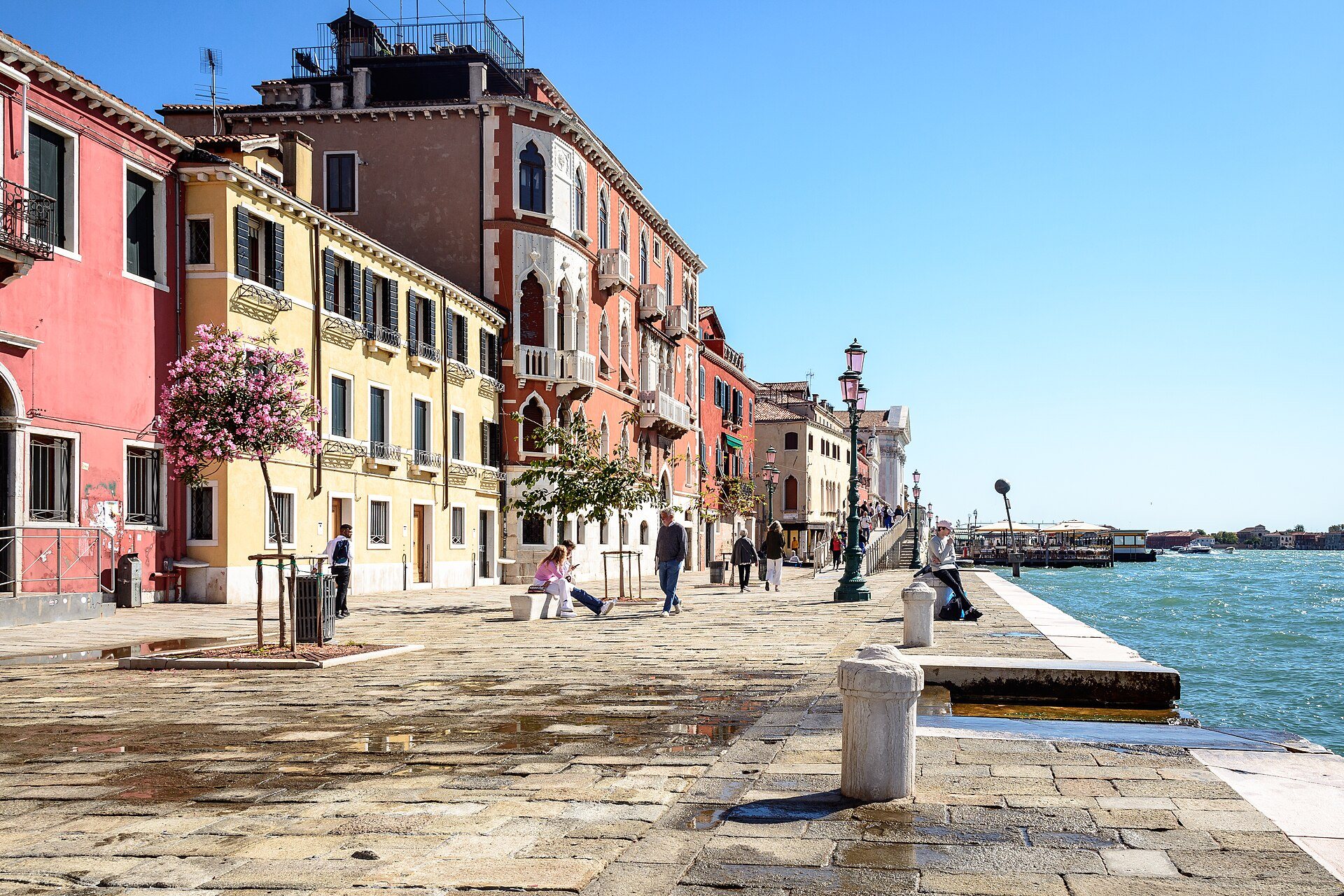
Dorsoduro, on its firmer ground to the south, has the Accademia, the Guggenheim and the Salute, and the Zattere, a long promenade facing south across the Giudecca Canal. Since the nineteenth century it has been popular with foreign residents, and its evenings are calm; the university's main seat stands on the Zattere, in the old hospital of the Incurabili, and its students fill the campi nearby. It suits people who have come for the art, and at its eastern tip, the Punta della Dogana, the whole basin of San Marco opens up in front of you, a view worth being close to at the end of a day.
The Giudecca and the Lido
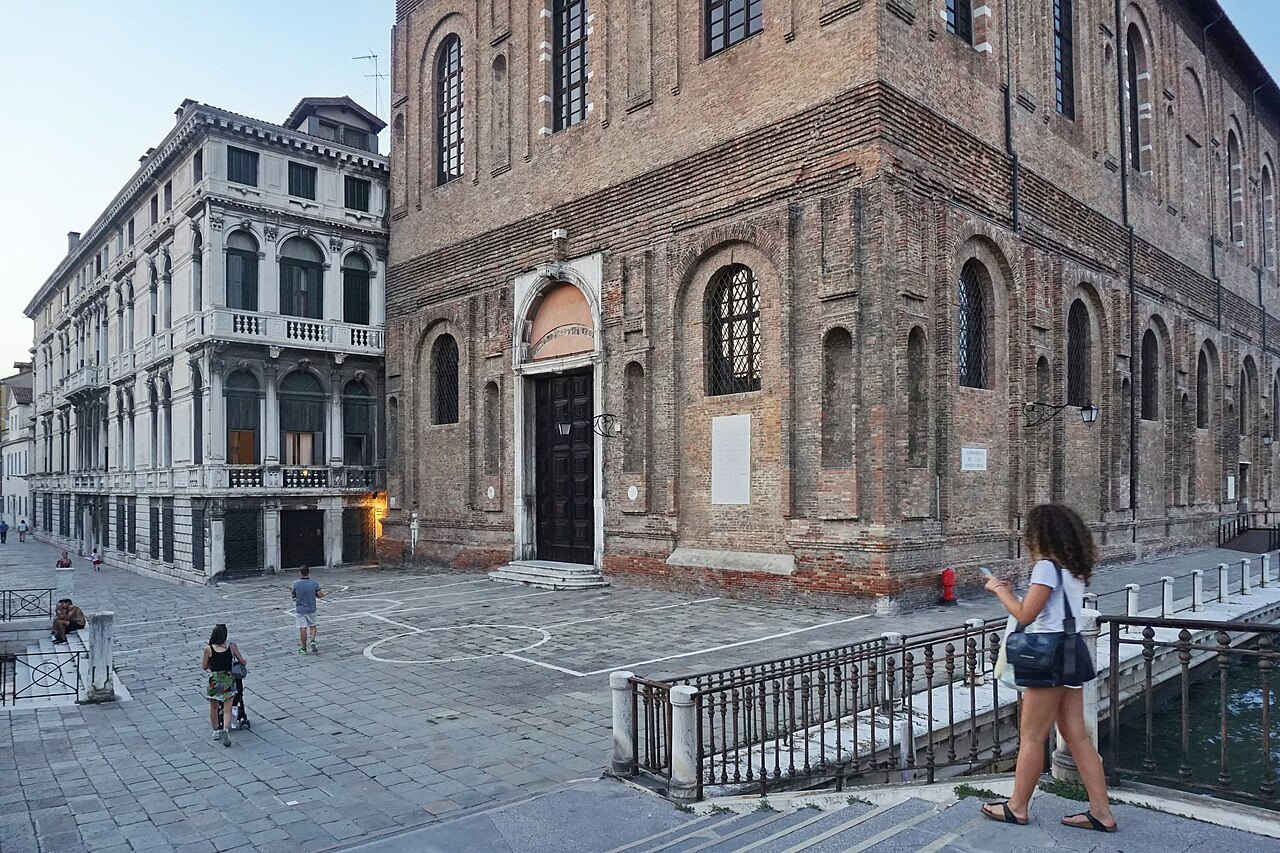
The Giudecca, the long island across its wide canal from the Zattere, was once a place of palaces with gardens, then of shipyards and factories, and it is now mostly residential, with some of the grandest hotels in the city, one in the old Molino Stucky flour mill and another with private gardens at its eastern end. It has the best view back at the city, and every trip anywhere begins with a boat.
The Lido, the barrier island on the open sea, is a different kind of base: beaches, roads and cars, grand hotels from the heyday of sea bathing, and the Film Festival in late summer. The town at its northern end has some fifteen thousand residents, shops and everyday life of its own; at least half the seaward shore is sandy beach, much of it belonging to the hotels, with large public beaches toward the island's ends. It suits a summer stay with a beach in it, and the water bus crosses to San Marco and the city in a short ride over the lagoon (see the lagoon).
Mestre, and staying on the mainland
Mestre is part of the municipality of Venice but not part of the island city: it is the main town on the mainland across the lagoon, its most populous center, with the junction station of Venezia Mestre. Many hotels advertised as being in Venice are here. Rooms are often cheaper, and buses, a tram line and frequent trains cross the Ponte della Libertà to Piazzale Roma and Santa Lucia.
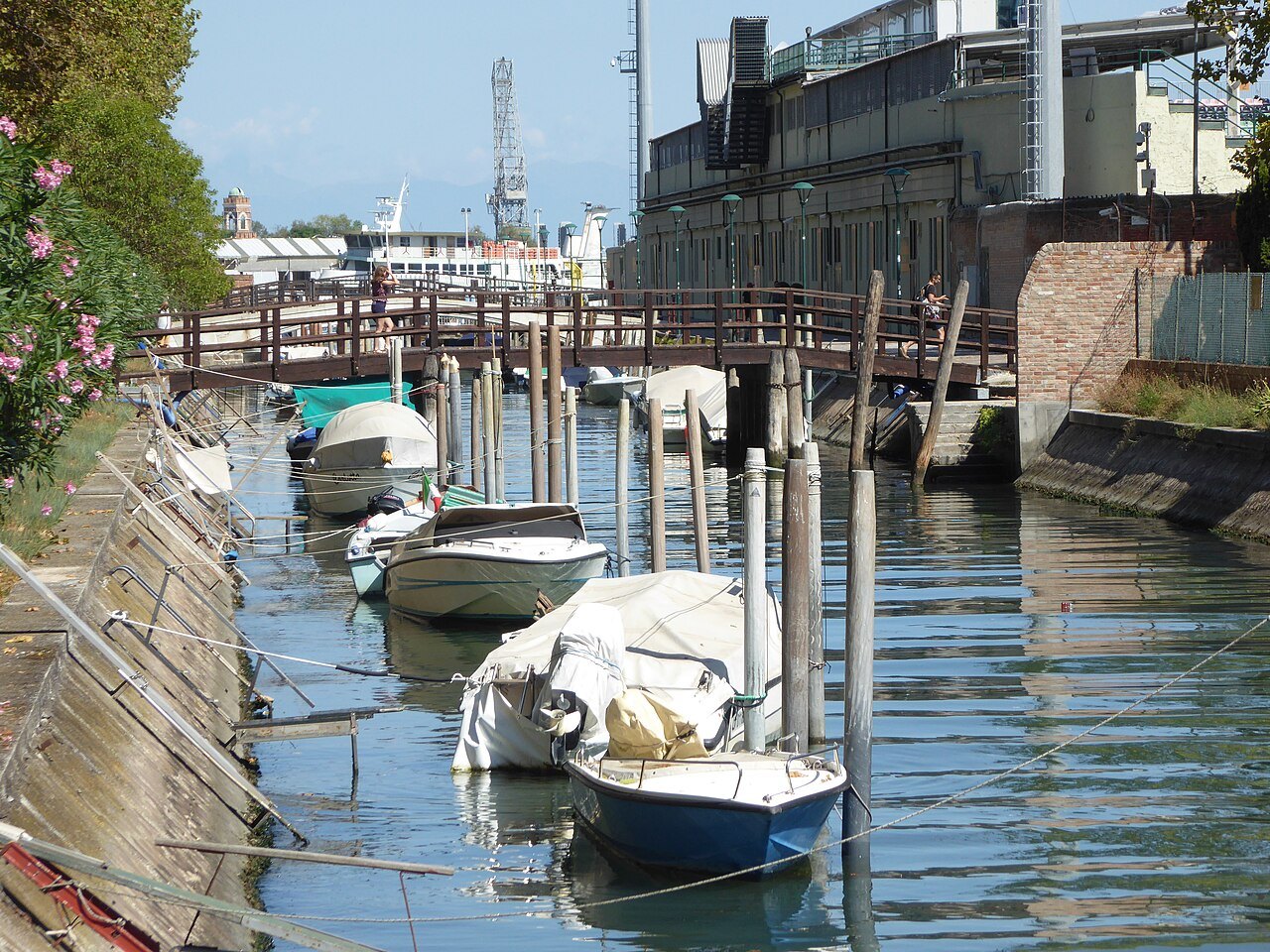
For a short stay on a tight budget, or for travelers with a car, it can make sense. But it is a commute, not a stay in Venice: you lose the early mornings and late evenings that are the whole reason to sleep near the lagoon, and the last trip back each night is one more thing to plan (see the sestieri for the districts of the island city).
Some links on this page are affiliate links. If you book through one we may earn a commission, at no extra cost to you. It does not affect what is recommended here, and no sight page on this site carries one.
If your room is not ready when you arrive:
Seen on the wayIII
More photographs
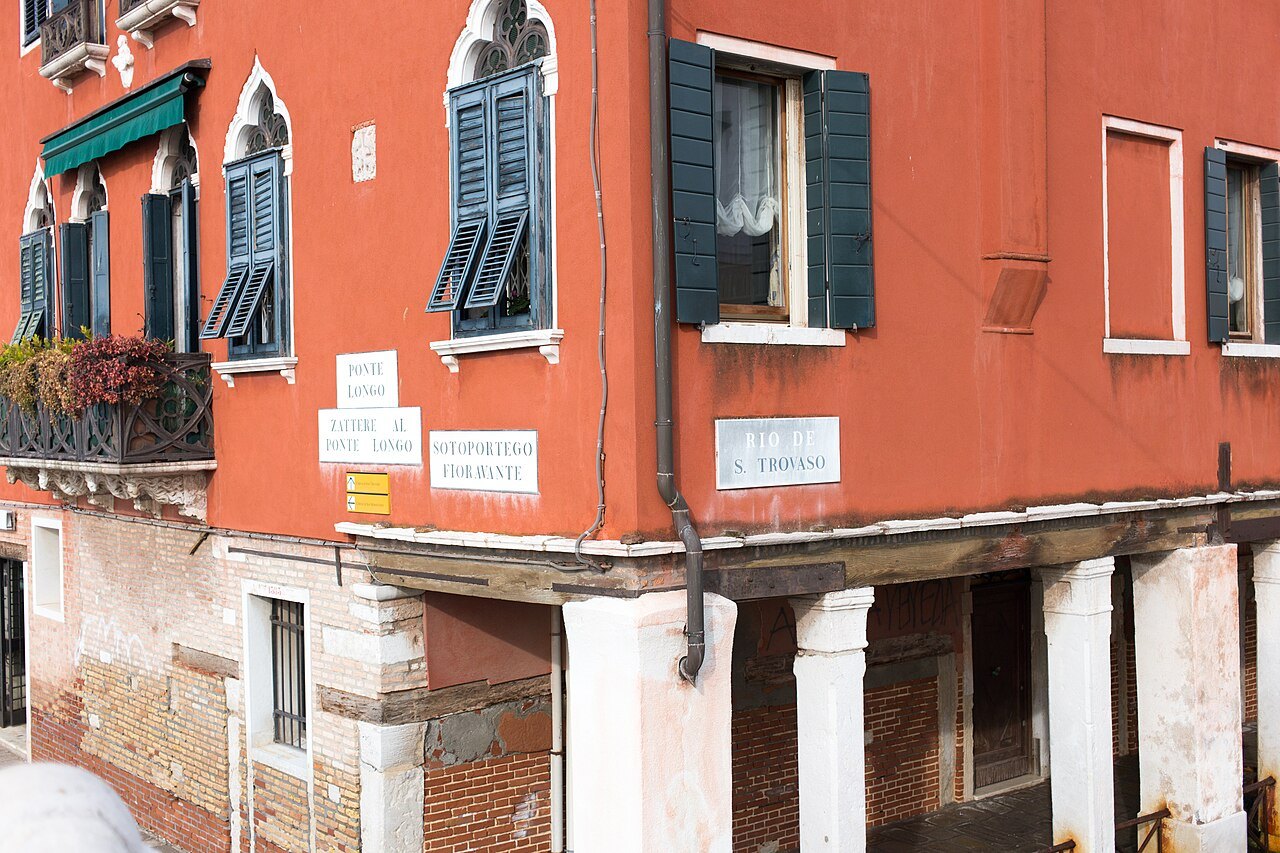
Street signs on a corner by the ZattereGodeNehler, Wikimedia Commons, CC BY-SA 4.0 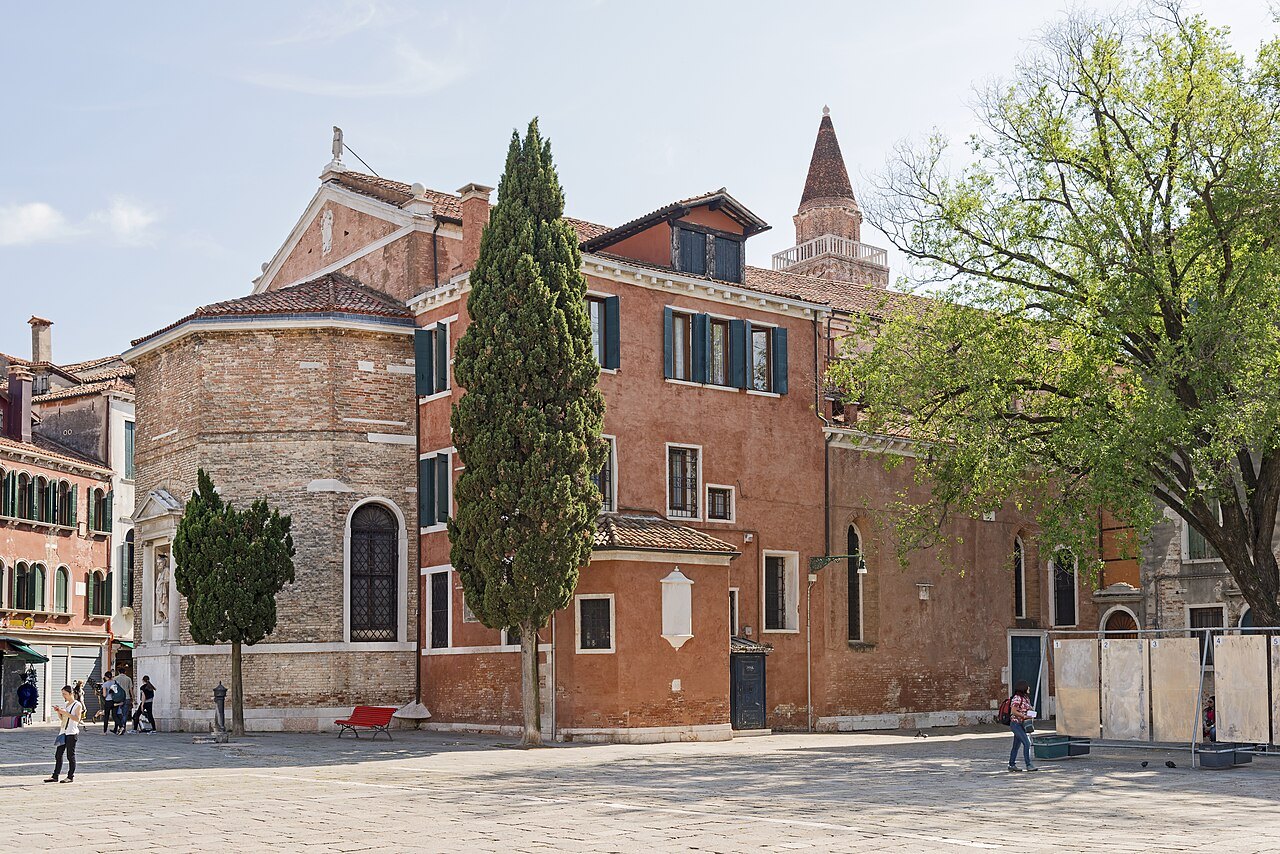
The apse of San Polo on its campoDidier Descouens, Wikimedia Commons, CC BY-SA 4.0 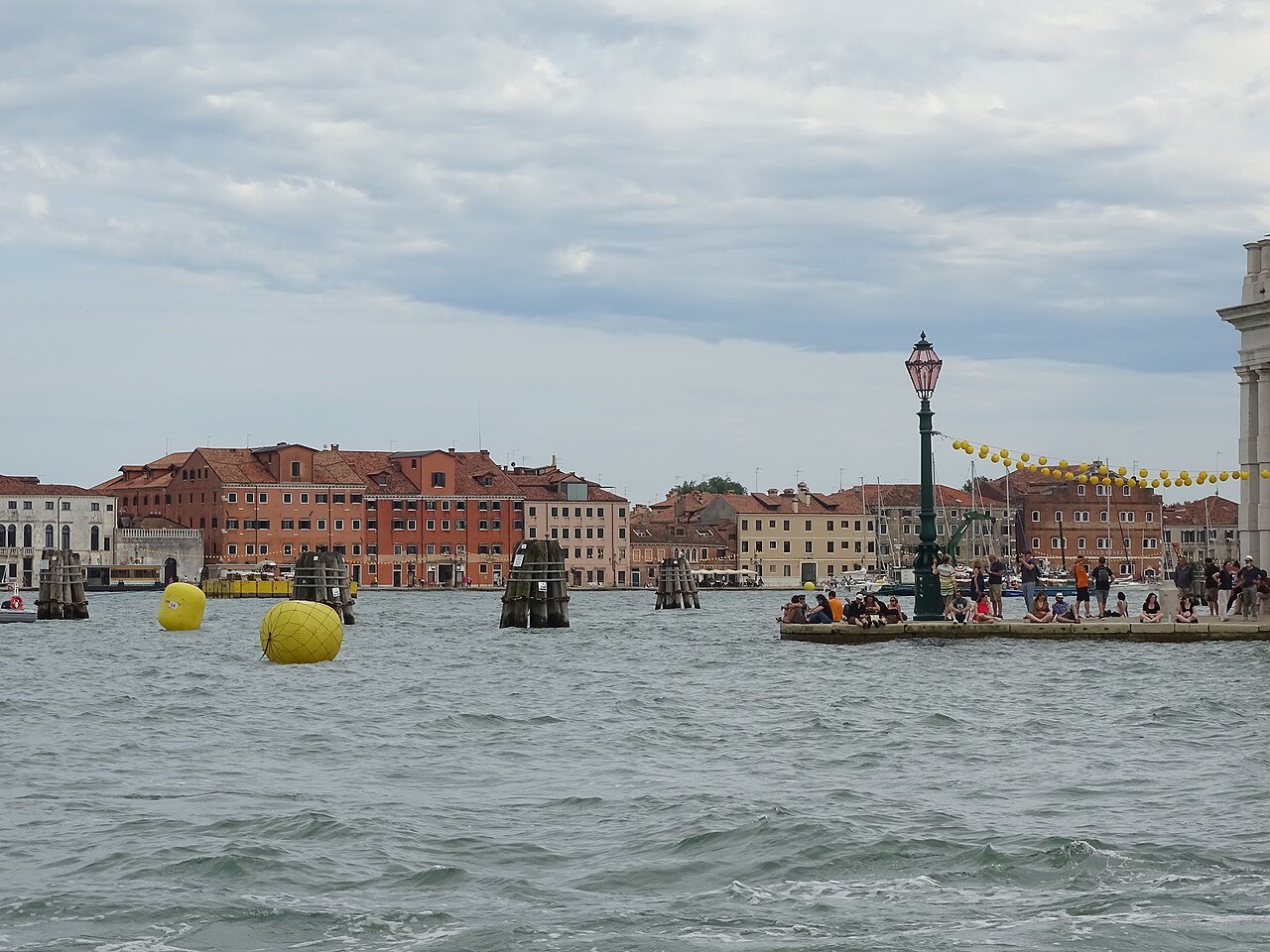
The Giudecca's Fondamenta della Croce from the waterAbxbay, Wikimedia Commons, CC BY-SA 4.0