THE BAR COUNTER, THE SMALL PLATES AND THE SMALL GLASSI
Cicchetti and Ombre: How a Venetian Bacaro Actually Works
The most Venetian way to eat is standing at the counter of a bacaro with a small glass of wine and a few cicchetti. What a bacaro is, what is on the counter, where the word ombra comes from, how ordering and paying work, and when to go.
The answer in fullII
Read on
The short answer
A bacaro is a simple Venetian wine bar, a kind of osteria, often with little more than a counter and sometimes standing room only. It pours wine in small glasses called ombre and serves cicchetti, small snacks displayed on the counter, which you choose by pointing and eat with your fingers or a toothpick, standing up.
There is no menu to study and no table to wait for. You walk in, order at the counter, eat and drink, order again if you want, and pay when you leave. A few plates in two or three bacari make a meal, and it is how many Venetians eat through the day.
What a bacaro is
Bacari are usually simply furnished: a room, a counter lined with dishes, a few stools or a ledge along the wall, often a crowd spilling out onto the lane or the fondamenta. Some have tables, but the counter is the point. They cluster where people work and pass: around the Rialto market, where they have long fed the market's workers, and in the residential lanes of every sestiere.
What they serve reflects the neighborhood. Around the Rialto, the food writer Dana Bowen has observed, the cicchetti tend to be simple, traditional snacks for a quick meal between jobs; in the residential districts, some bars offer more elaborate or modern versions. The offerings are often seasonal, and they change as the day goes on, as dishes run out and others come out of the kitchen.
What is on the counter
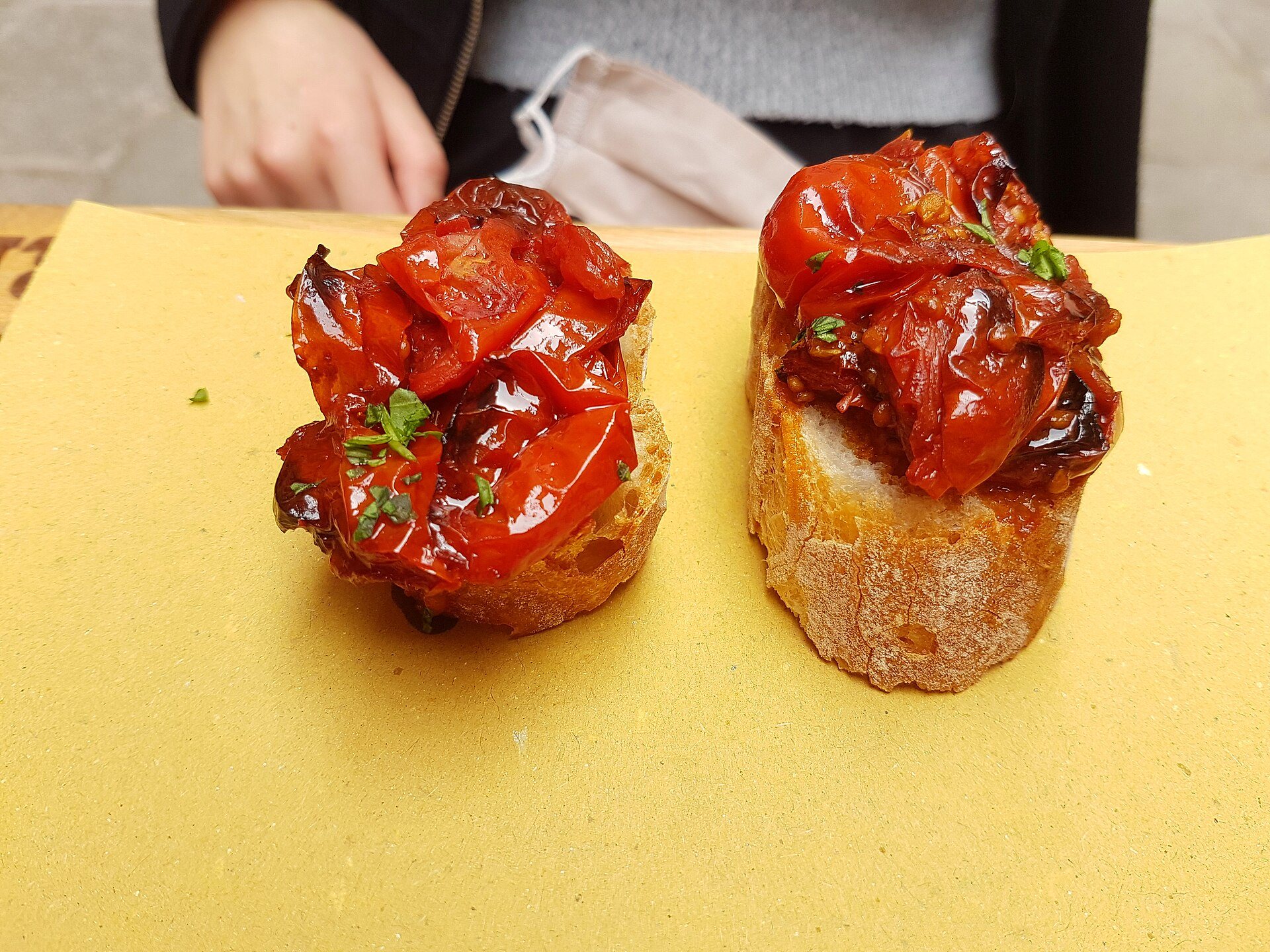
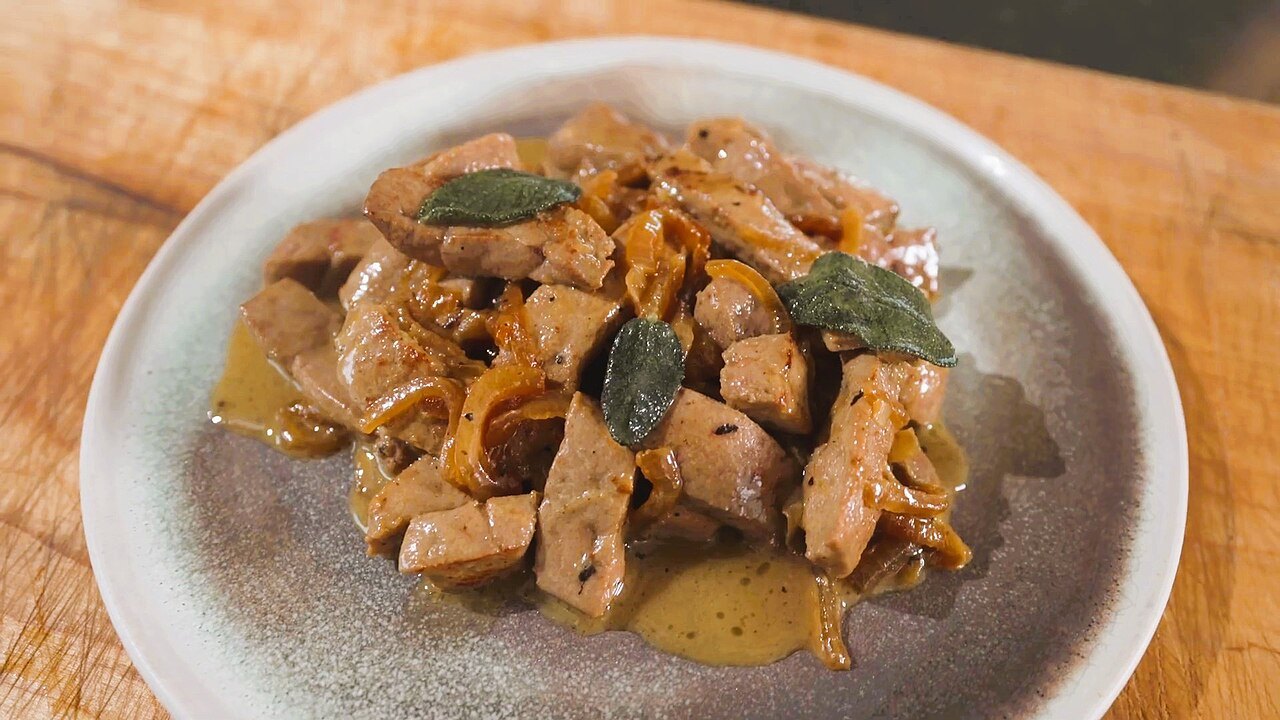
Cicchetti, from the Latin for a small quantity, are small snacks and side dishes. The commonest are tiny tramezzini, soft white sandwiches with the crusts cut off, a word coined by the poet Gabriele D'Annunzio to replace the English sandwich; halved hard-boiled eggs; olives and marinated vegetables; and slices of bread or grilled polenta topped with seafood, meat or vegetables. Many bars also serve very small helpings of full dishes.
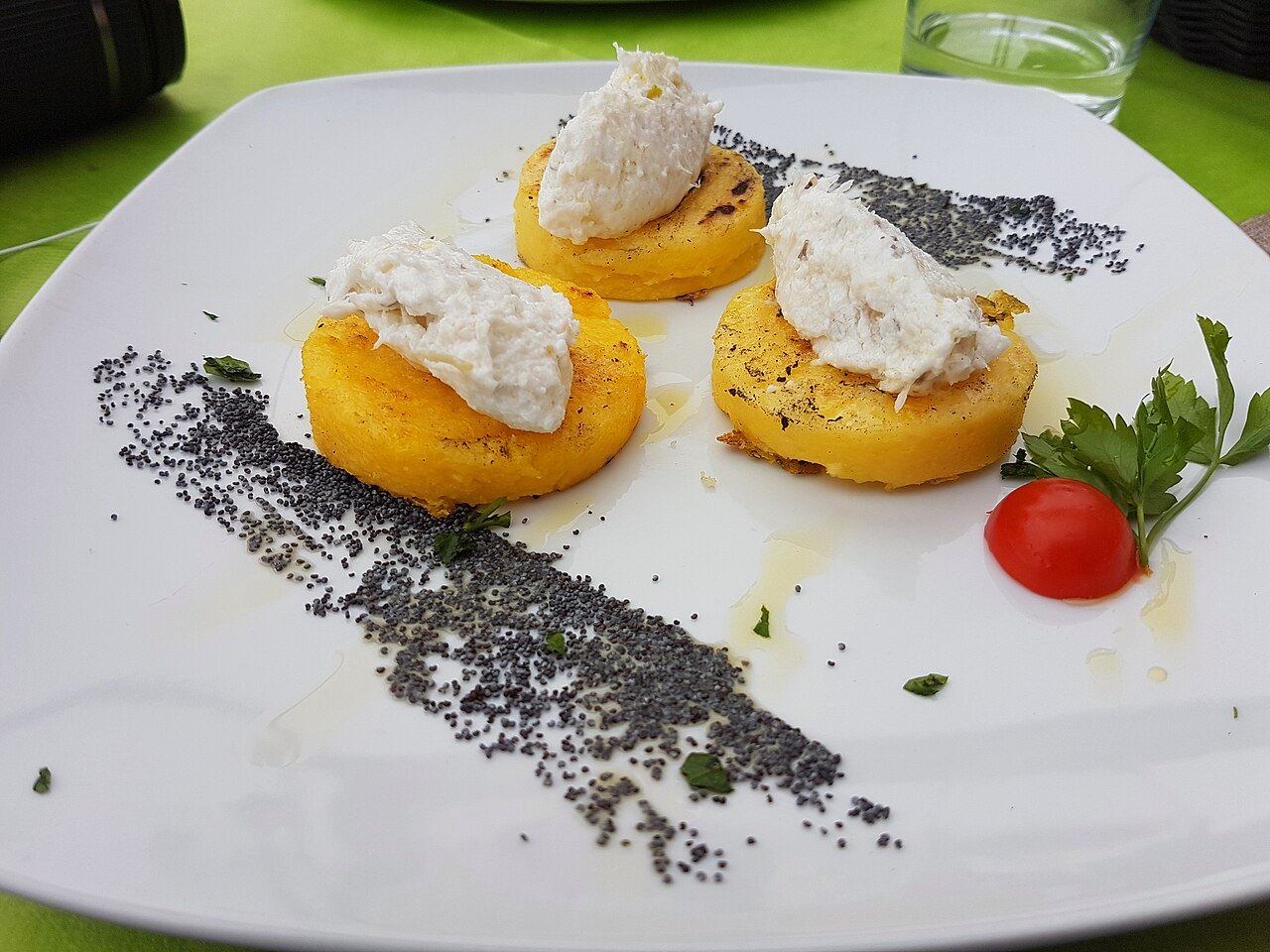
Look for the Venetian classics. Baccalà mantecato is dried cod poached and whipped with olive oil and garlic into a pale, soft spread, served on bread or polenta; the city has a brotherhood devoted to it, founded in 2001. Sarde in saor are fried sardines layered with onions cooked in vinegar, with raisins and pine nuts, a Renaissance way of preserving fish that Levantine and Sephardi Jews in Venice are credited with creating; they are better after a day of resting. Polenta e schie, tiny lagoon shrimp on soft white polenta, and seafood of every kind appear when the market has it (see eating and drinking).
The ombra
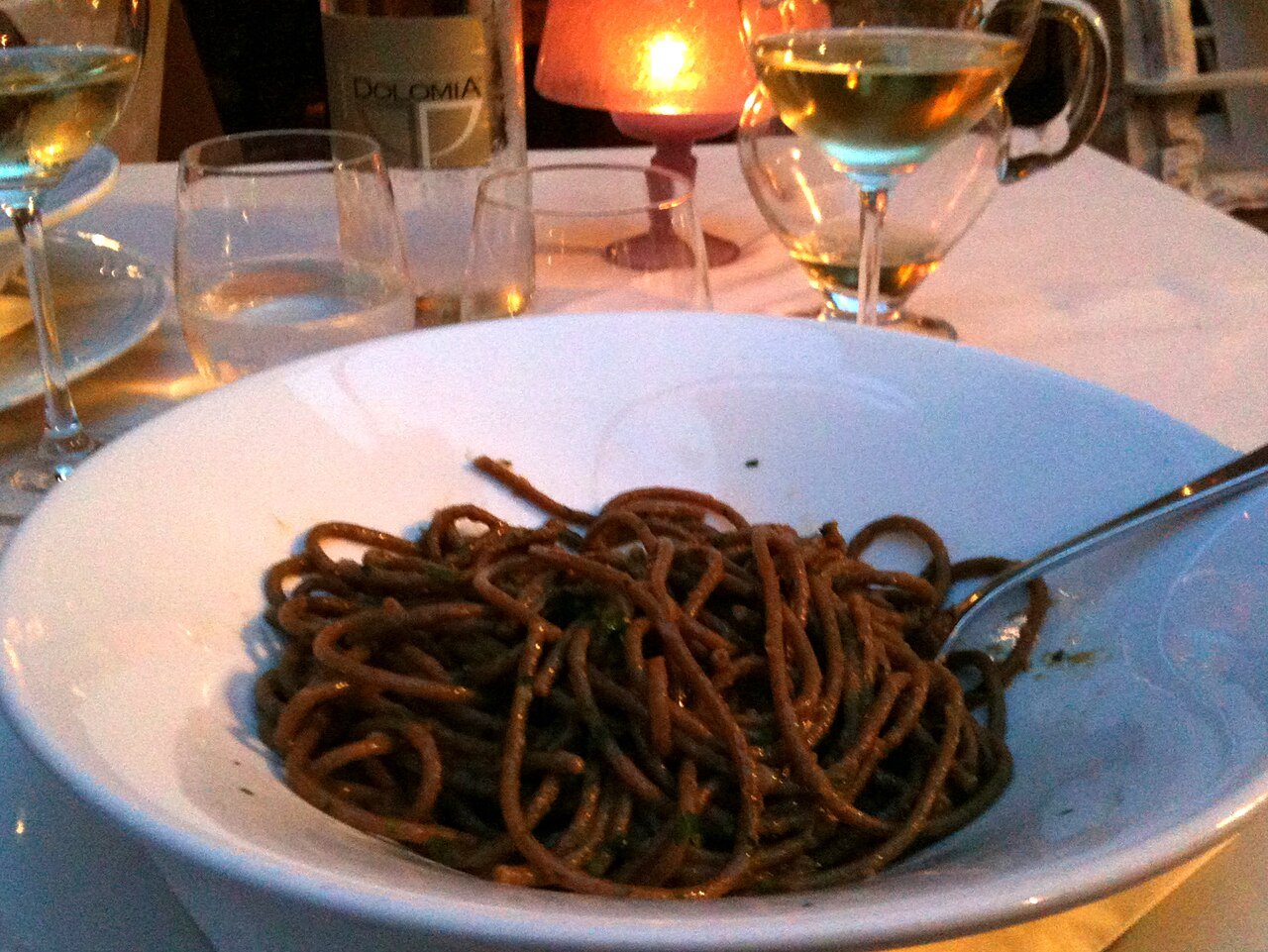
An ombra, a shadow, is a small glass of local white wine, the usual companion to cicchetti. The name is said to come from the days when wine was unloaded on the Riva degli Schiavoni and sold from stalls at the foot of the Campanile of San Marco; as the sun moved round, the sellers moved their stalls to keep them in the shade.
The Veneto is one of Italy's great wine regions, and the wines by the glass come from it: Prosecco, Soave and others. If you prefer, order a spritz, the aperitif of Prosecco, soda water and a bitter liqueur that began here under Habsburg rule, when visitors asked for a spray of water to lighten the local wine.
How ordering and paying work
Go straight to the counter; there is no one to seat you. Point at what you want or name it, and it will be put on a small plate for you. Order a glass of wine at the same time. Eat standing at the counter or at a ledge nearby, and order the next round the same way when you are ready.
You usually pay at the end, for everything at once, so keep your own rough count of what you have had. Ask to pay when you are ready to leave. Some small bars prefer cash, though many take cards.
Sitting down changes the arrangement. As in bars all over Italy, table service generally costs more than the same food and drink at the counter, and a table can bring a service or cover charge. If you want to sit, ask first; if you just want a snack and a glass, stand.
When to go
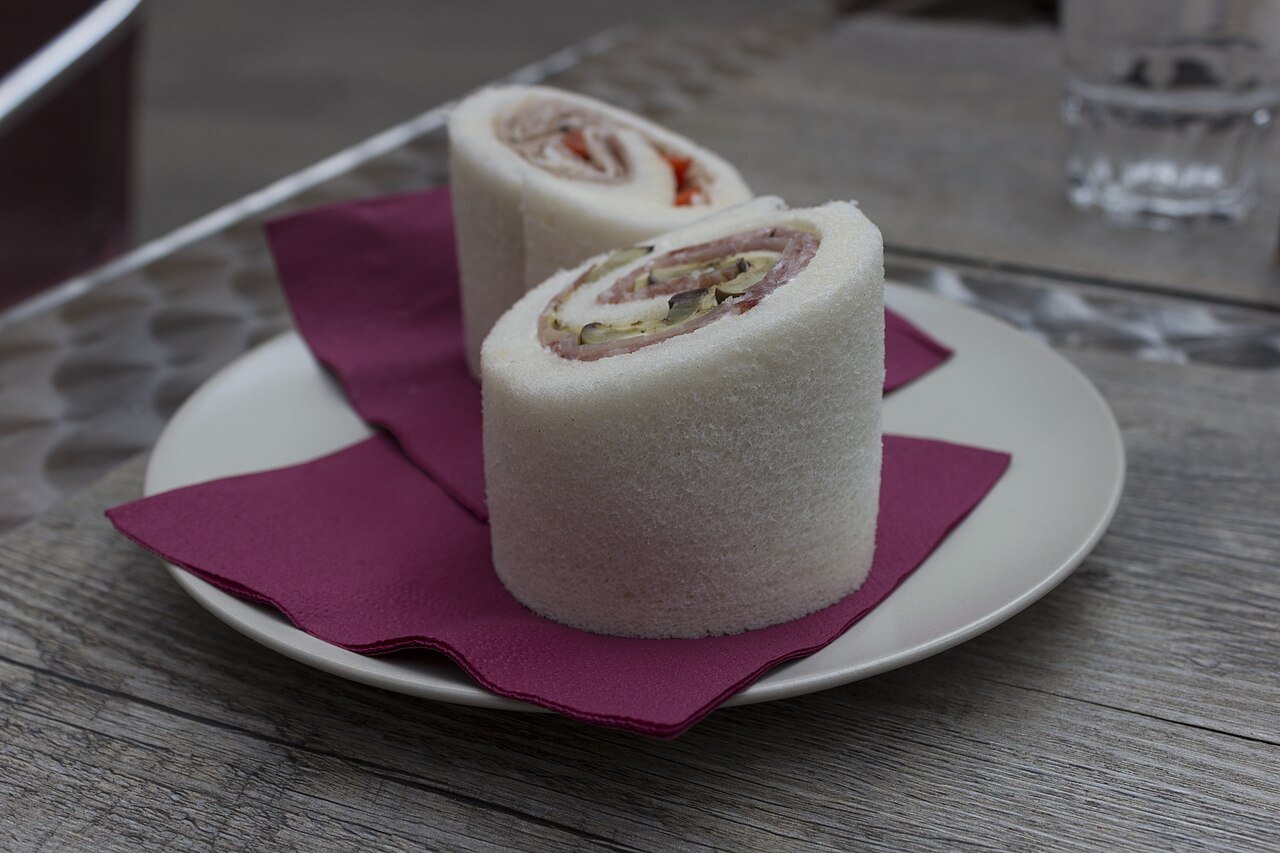
Cicchetti are not an evening-only habit. Venetians eat them in the late morning, at lunch and as an afternoon snack, and the bars are busiest by day. The Rialto area is liveliest in the morning, when the market is trading; later in the day, the bars of the residential districts fill as people finish work.
Hours vary from bar to bar, and a bar that is full at lunch may be quiet or shut by late evening; check before you plan a night around one. A good way to spend an evening is to walk from one to another, a glass and a plate in each, through a quiet part of the city.
Seasons show on the counter too. Venetian cooking follows the market and the lagoon, and what the Rialto has that morning, the fish, the shellfish, the vegetables from the island gardens of Sant'Erasmo, is what appears on the plates. Ask what is in season, and try what you do not recognize; a cicchetto is a small risk.
Choosing a bar
The best test is who is inside. A counter lined with fresh dishes and people who clearly live nearby is a good sign; a menu with photographs in many languages at the door is not. Walk a few minutes away from San Marco and the main route to the Rialto, into Cannaregio, Castello, San Polo or Santa Croce, and the choice improves.
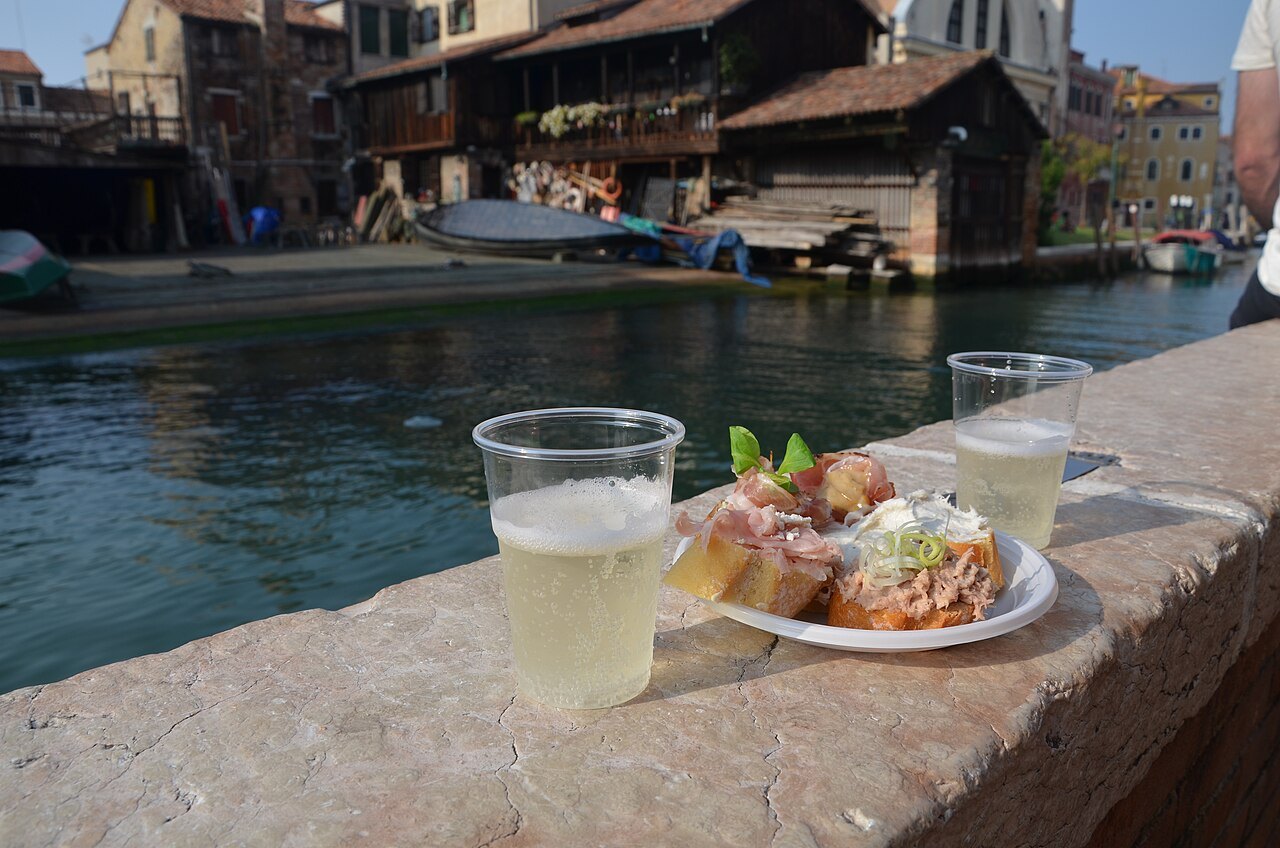
Be a good guest. Order at the counter, do not linger at a table you have not paid for, keep bags out of the way in a small room, and do not block the door or the lane outside. And treat a bacaro as what it is: not a restaurant, but the local bar where the city stops for a glass and a bite.
Read nextIII
More from the journal
- The LagoonMurano, Burano and Torcello in One Day: Order and TimingsThe three islands of the northern lagoon make one of the best days out of Venice, if you get the boats right. Which order to see them in, which boats to take, how long to allow on each, and why the last boat back decides the whole day.Read the piece →
- Getting AroundOnly Four Bridges Cross the Grand Canal: Planning RoutesThe Grand Canal cuts Venice in two, and only four bridges cross it in nearly four kilometers. Where they are, why a map misleads, and how to plan walks, water-bus rides and traghetto crossings so the canal works for you rather than against you.Read the piece →
- When to ComeAcqua Alta in Venice: the Tide, the Sirens and the WalkwaysBetween autumn and spring, exceptional tides flood the lowest parts of Venice. What causes the acqua alta, how the levels are measured, what the sirens mean, where the raised walkways go, what the MOSE barriers changed, and how to plan a day around a high tide.Read the piece →