THREE ISLANDS OF THE NORTHERN LAGOON · ONE DAY ON THE WATERI
Murano, Burano and Torcello in One Day: Order and Timings
The three islands of the northern lagoon make one of the best days out of Venice, if you get the boats right. Which order to see them in, which boats to take, how long to allow on each, and why the last boat back decides the whole day.
The answer in fullII
Read on
The short answer
Start early from Fondamente Nove on the north shore of Venice. See Murano first, then Burano, and go on to Torcello if you have the time, checking the boats back before you cross. Allow a whole day, and plan it around the last boats rather than the sights.
The order matters because the islands get smaller, quieter and less frequently served the farther out you go. Torcello, the last and emptiest, has the thinnest service, and it is the one island where a missed boat can leave you waiting a long time. See it while the boats are frequent, or leave it out.
The boats
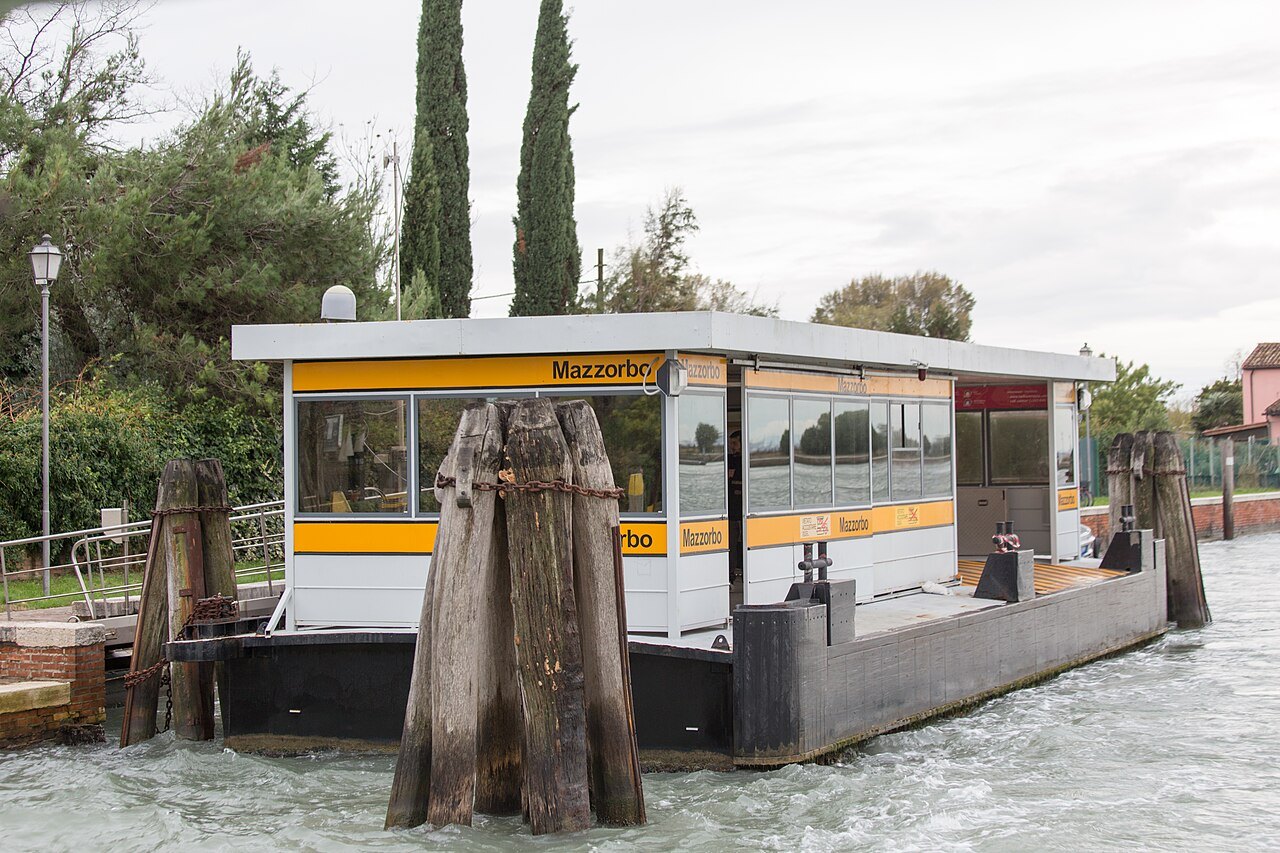
All three islands lie in the northern lagoon, and the boats to them leave from Fondamente Nove on the north shore of Cannaregio and Castello, not from the landings at San Marco. The main line, numbered 12 in recent timetables, runs from Fondamente Nove to Murano, then across the open lagoon to Mazzorbo and Burano, with calls at Torcello and on toward the mainland shore; the ride to Murano is short, and to Burano about three quarters of an hour. In the busy season, a separate shuttle, numbered 9, runs back and forth between Burano and Torcello, a crossing of a few minutes.
Line numbers, routes and frequencies change with the season, and in winter Torcello can be served less often. Check the current timetable on the ACTV site the day before, and note the time of the last boat from each island. A travel card makes a day of several rides simpler than single tickets (see the vaporetto).
First: Murano
Murano, a cluster of seven islands linked by bridges, is the closest, and it has been the island of glass since 1291, when the Republic, afraid of fire, moved the city's glassmakers here. Walk from the landing along the Fondamenta dei Vetrai, the glassmakers' quay, where many workshops let you watch a master shaping molten glass at the furnace.
Beyond it are the Glass Museum in the Palazzo Giustinian, with glass from ancient Egypt to the present, and the church of Santa Maria and San Donato, with its twelfth-century mosaic floor. Two to three hours is enough for a first visit. Real Murano glass is protected by a registered trademark; if you buy, buy from the makers.
Second: Burano
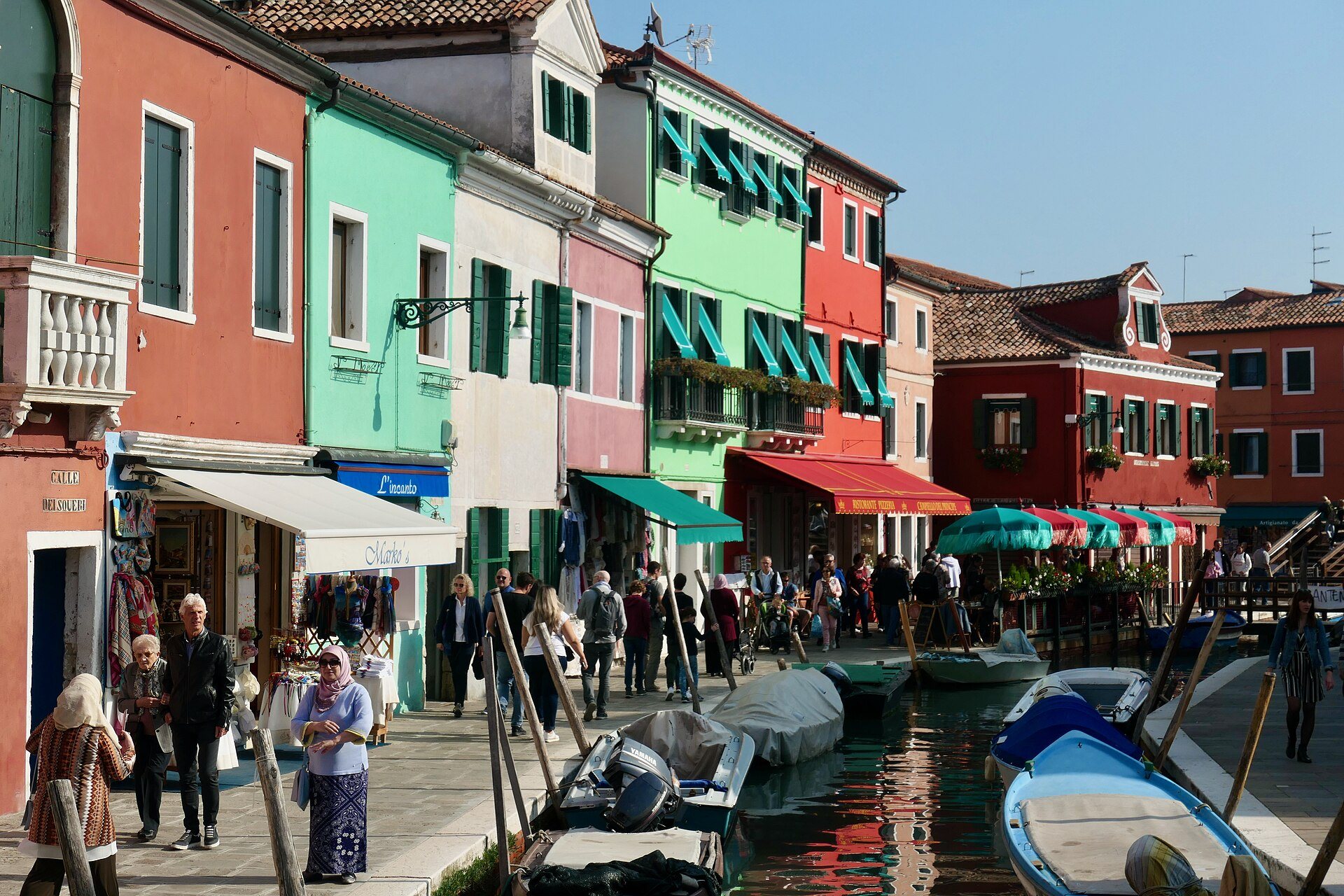
From Murano the boat crosses the widest open water of the day to Burano, the fishing village of lace and painted houses, joined by a footbridge to its quiet neighbor Mazzorbo. Walk the canals, where the houses are painted in colors each owner must have approved, to Piazza Galuppi, the island's only square, with the Lace Museum in the old lacemaking school and the church of San Martino with its leaning bell tower.
Burano is the place for lunch. Its own dish is risotto di gò, made from the broth of the lagoon goby. Allow two hours or more, and before you leave, look at the times of the boats on to Torcello and back.
Mazzorbo, across the wooden footbridge, is worth half an hour. Like the other islands here it was settled before Venice and later declined; it is now known for its vineyards and orchards, its fourteenth-century church of Santa Caterina, and a colorful housing quarter built in the 1980s by the architect Giancarlo De Carlo to bring people back to the island. The water-bus landing there is a quieter place to wait for the boat than Burano's.
Third, if there is time: Torcello
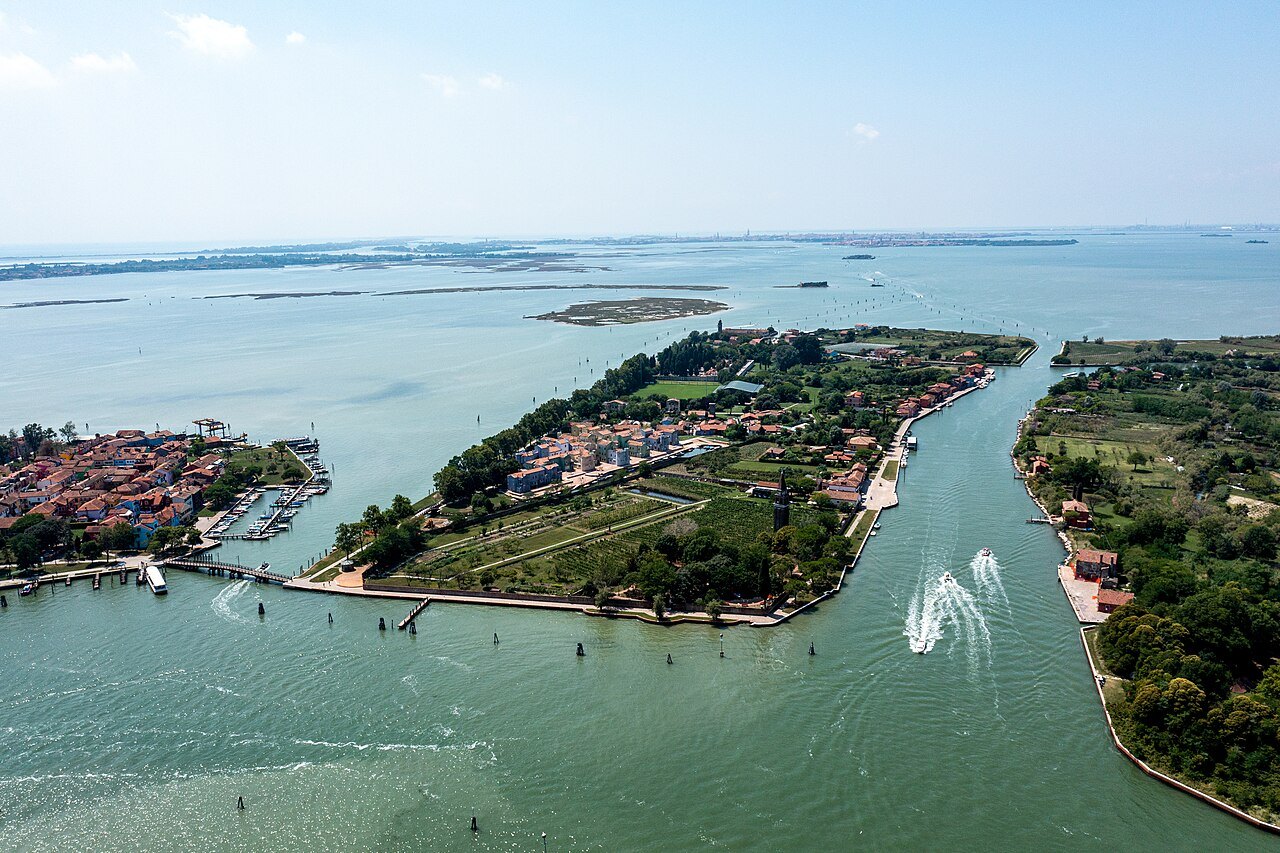
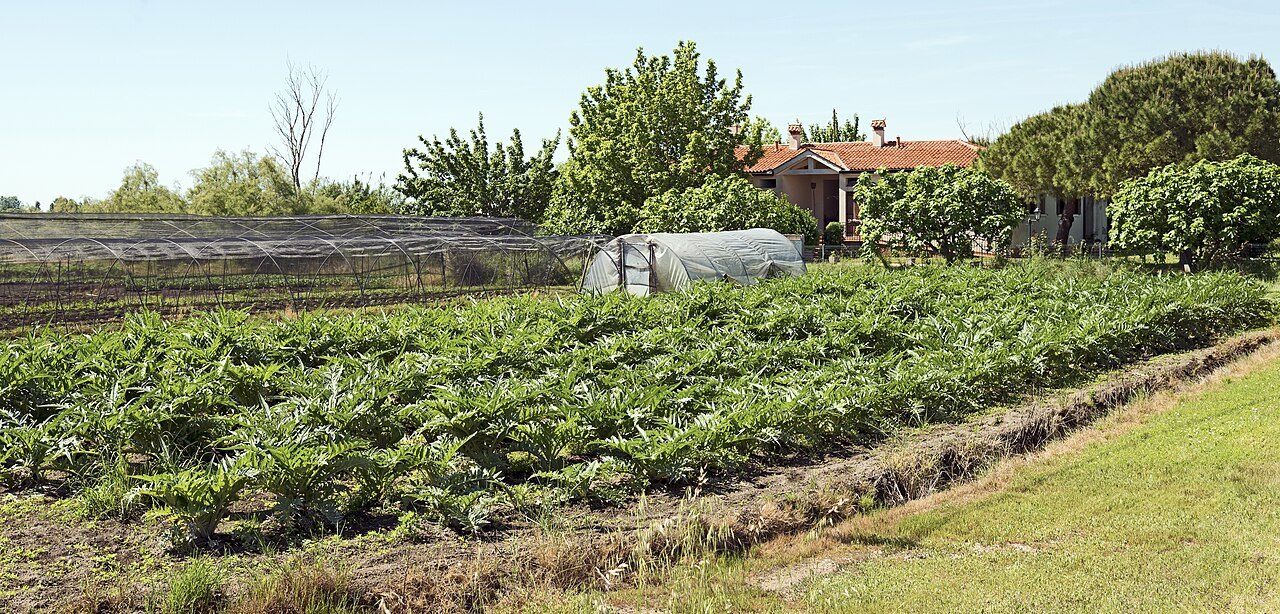
Torcello is where the lagoon's history began. First settled in 452 by refugees from the mainland, it was a busy town with a bishop before Venice was built, and now only a handful of people live here. From the landing a path follows a canal past fields to a grassy square with the cathedral of Santa Maria Assunta, founded in 639, whose mosaics of the Last Judgement are among the finest in the lagoon, the church of Santa Fosca and a small museum.
Allow at least an hour and a half for the walk, the cathedral and its bell tower. Then go back to the landing in good time. Service to and from Torcello is thinner than to Burano, especially later in the day and out of season, and there is nothing else on the island to do while you wait.
Deciding whether to go on
Make the decision on Burano, not before. If the morning has gone well and it is still early in the afternoon, there is time for Torcello and a relaxed return. If it is later, or the boats are running less often, check the last departures from Torcello and from Burano before you cross, and be honest about the margin. Torcello is worth the trip, but it is not worth being stranded for.
If you drop Torcello, you lose little from the day. Stay longer on Burano, walk across the bridge to Mazzorbo for a view back over the colored houses, and catch an earlier boat home in the late light over the lagoon.
Getting back, and other ways to do it
The boats run from the islands back to Fondamente Nove, and every route thins out toward evening. Before you leave Venice in the morning, know the last boat back from the farthest island you plan to reach, and check it again when you are there. The islands have no road link to the city; the boat is the only way home.
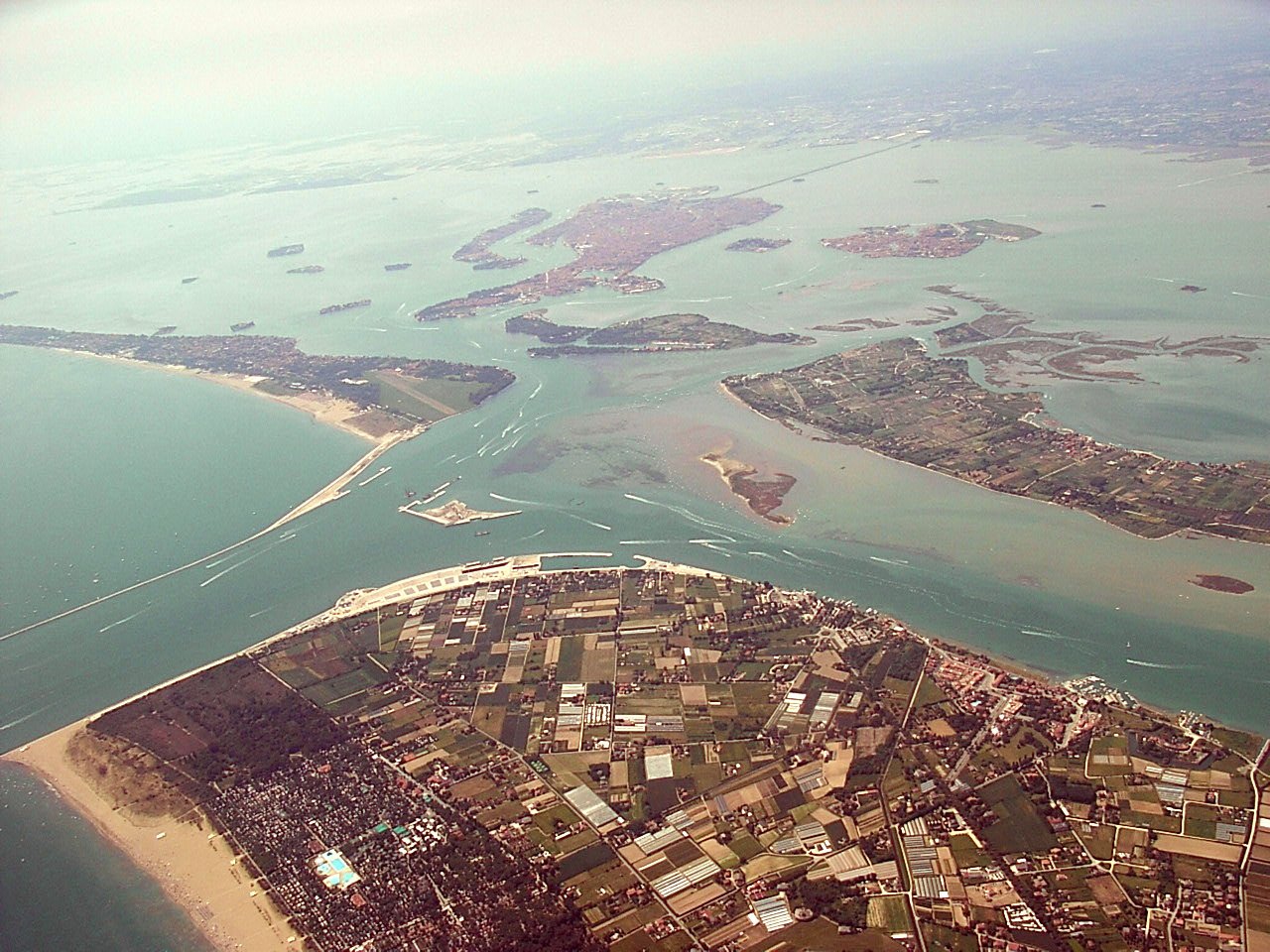
On the way out and back, watch the lagoon itself. For most of the crossing there is nothing but water, salt marsh and the lines of wooden posts, the bricole, that mark the channels boats can use, with the bell towers of the islands and the city low on the horizon. It is the landscape the first Venetians fled into, and seeing it is half the reason to make the trip.
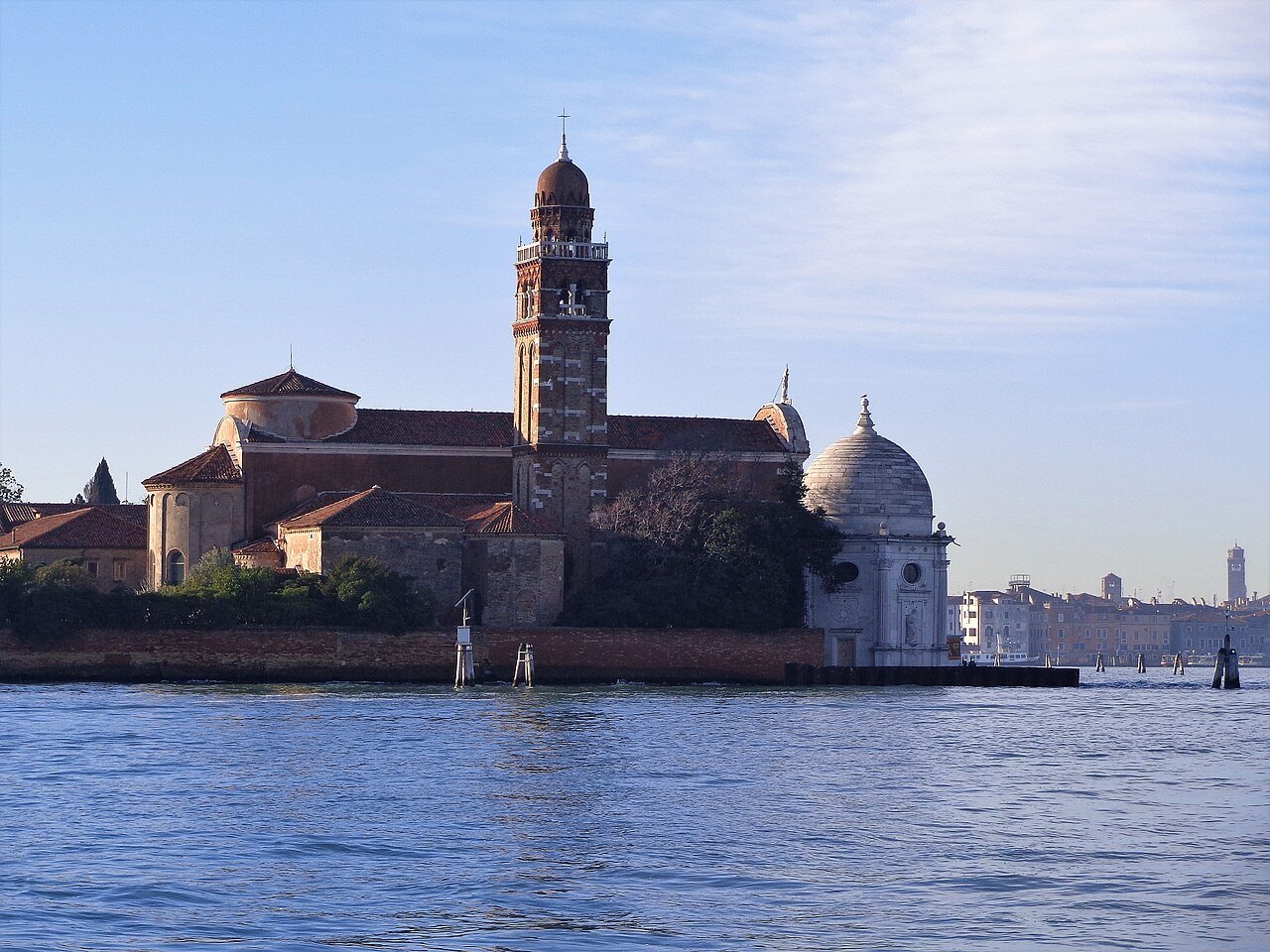
If a full day of three islands sounds like too much, split it: Murano on its own for a morning, perhaps with the cemetery island of San Michele on the way, and Burano and Torcello together on another day. And if you are staying on the north side of the city, in Cannaregio or Castello, Fondamente Nove is a short walk from your door (see the lagoon and itineraries).
Read nextIII
More from the journal
- Getting AroundHow the Vaporetto Works: Tickets, Passes and LinesThe vaporetto is Venice's bus: numbered lines run by ACTV along the Grand Canal, around the city and out to the islands. How single tickets and time-based travel cards work, how to decide between them, how to validate, and which lines a visitor actually uses.Read the piece →
- Eating & DrinkingCicchetti and Ombre: How a Venetian Bacaro Actually WorksThe most Venetian way to eat is standing at the counter of a bacaro with a small glass of wine and a few cicchetti. What a bacaro is, what is on the counter, where the word ombra comes from, how ordering and paying work, and when to go.Read the piece →
- When to ComeAcqua Alta in Venice: the Tide, the Sirens and the WalkwaysBetween autumn and spring, exceptional tides flood the lowest parts of Venice. What causes the acqua alta, how the levels are measured, what the sirens mean, where the raised walkways go, what the MOSE barriers changed, and how to plan a day around a high tide.Read the piece →