ENGINEERING OF THE GRAND CANALI
How are the palaces of the Grand Canal kept standing on wooden piles?
How wooden piles, Istrian stone, and brick keep the Grand Canal's palaces standing above the lagoon mud.
The answer in fullII
Read on
A city that seems to float
Visitors riding the Grand Canal often wonder how buildings rising straight out of the water, with no visible foundation, have stood for centuries. The answer is not in the marble and brick facades but in what lies beneath them: layers of mud, clay, and timber driven into the lagoon bed long before any palace was planned.
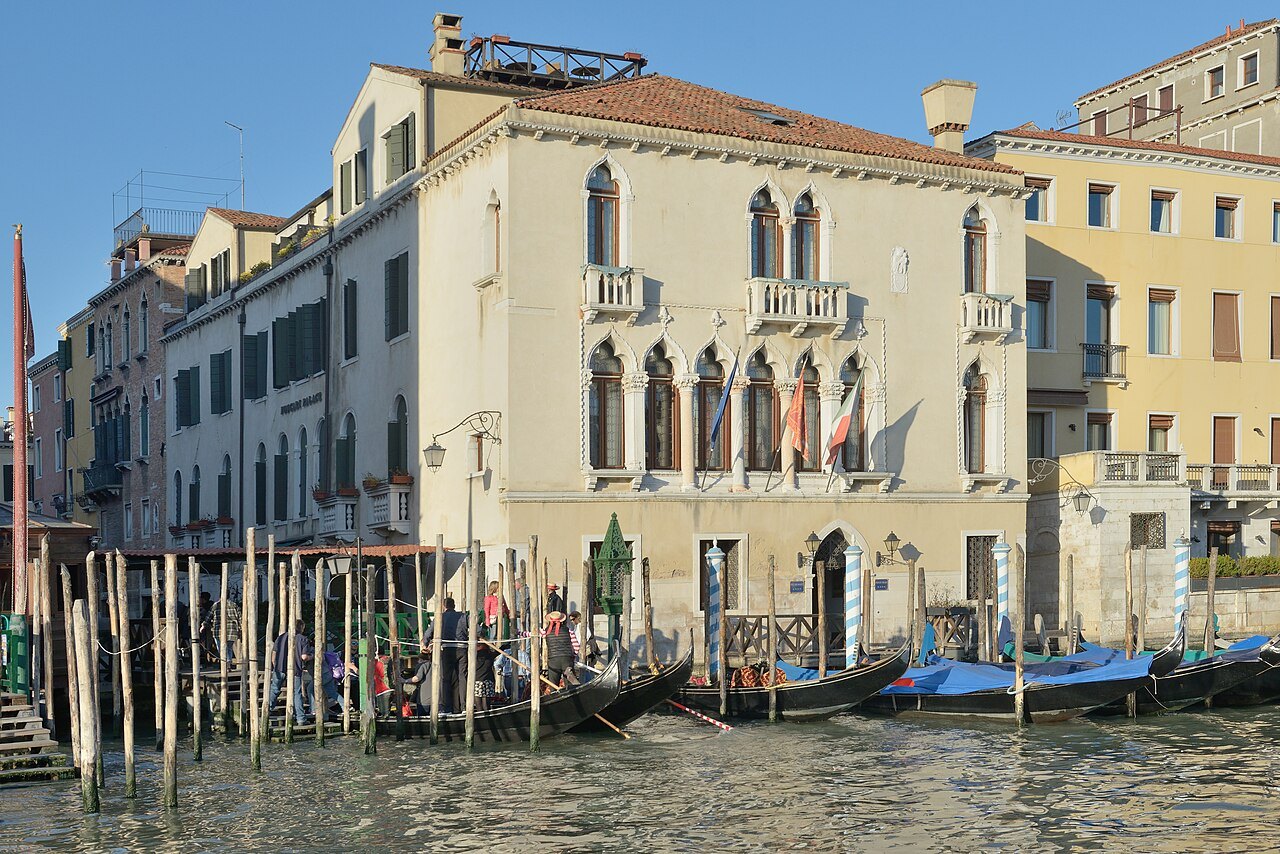
The method is simple in principle. Builders drove wooden piles deep into the firmer clay below the soft lagoon mud, packed them tightly together, and built upward from a stone platform laid across their tops. Every palace along the canal, however grand its facade, rests on the same basic system.
This is not unique to the Grand Canal's palaces. The whole city stands this way, from the earliest fondaco houses to the Baroque churches at the canal's mouth. The palaces are simply the most visible and most admired example of a technique used everywhere in Venice, seen best from a boat on the Grand Canal.
The ground beneath the water
The lagoon bed is not uniform. Near the surface lies soft silt and sand, built up over centuries by tides and sediment from the rivers that once fed the lagoon. Further down sits a much stiffer layer of clay, locally called caranto, firm enough to bear real weight once reached by a pile.
Long before the Republic or its palaces existed, people already lived on this unstable ground in houses raised on stilts, fishing and trading salt along the channel that would become the Grand Canal. Their simple platforms were the direct ancestors of the much larger pile foundations that supported the palaces to come.
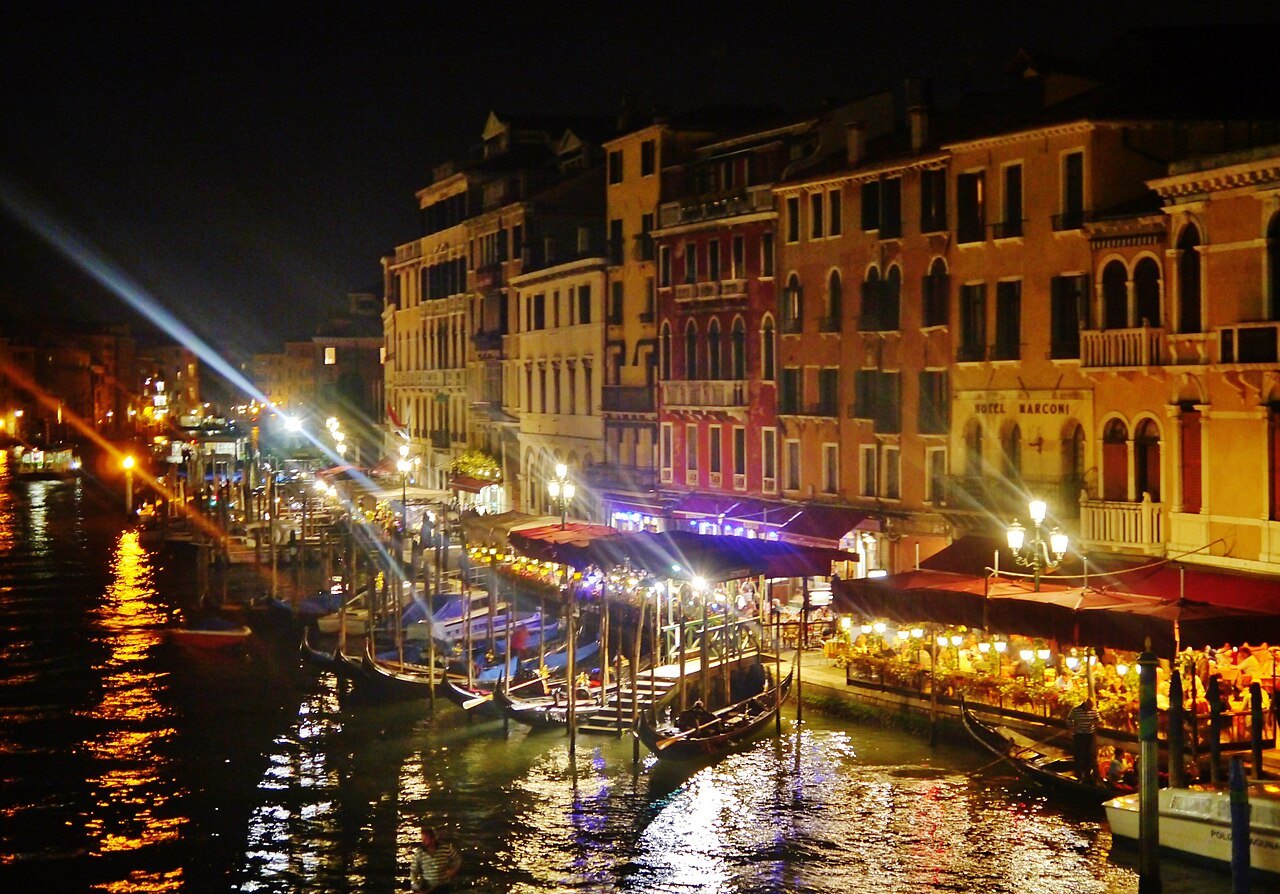
Because the same stable clay underlies the whole lagoon, the technique worked as well for a modest medieval house as for an eighteenth-century palace. It let builders put up substantial stone and brick structures on ground that, left untouched, could never have carried that much weight.
A forest driven underground
To build a palace, workers first drove rows of tree trunks vertically into the mud, packed so closely together that they formed a dense timber platform rather than a scattering of separate posts. The heavier or grander the building planned above, the denser and deeper this hidden forest needed to be.
Wood normally rots, but submerged and sealed away from oxygen, these piles do not decay in the ordinary way. Over centuries the surrounding mud and minerals harden around the timber, effectively petrifying it. The foundations under the oldest Grand Canal palaces, such as Ca' Farsetti and Ca' da Mosto, have stood on this principle for most of a thousand years.
Grander ambitions meant denser piling. Longhena's Santa Maria della Salute, begun in 1631 at the canal's mouth, needed an especially wide and heavy field of piles to carry its domes and statuary, a reminder that the engineering below had to match the architecture rising above it.
Stone, brick, and the waterline
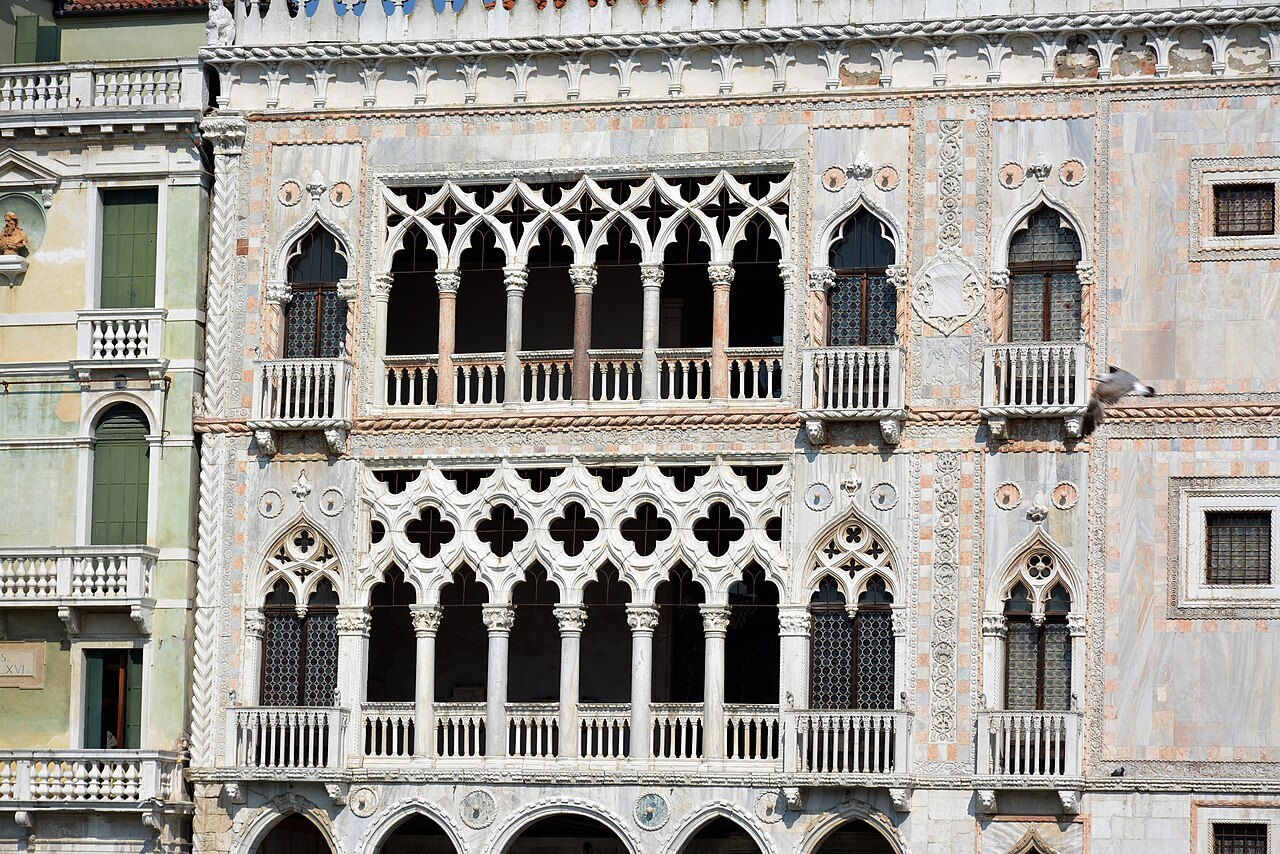
Once the piles were driven, builders laid a horizontal timber platform across their tops, then a course of Istrian stone, a dense limestone that resists salt water and tidal wear far better than brick. This band sits deliberately at the waterline, forming the true foundation on which the visible building rests.
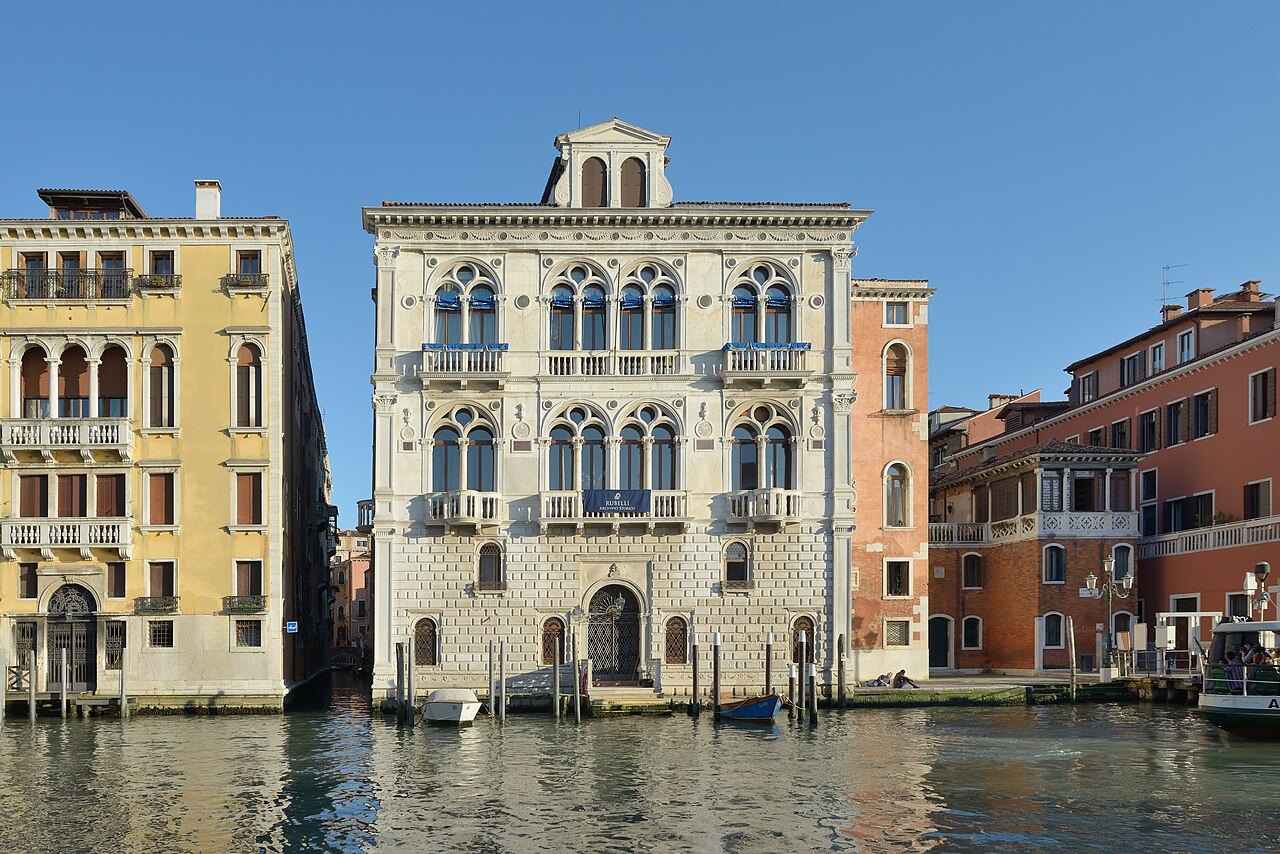
Above that stone course, walls of lighter brick rise, finished with the stucco, marble paneling, or carved stone tracery appropriate to their period, whether Venetian-Byzantine, Gothic, Renaissance, or Baroque. Brick put less strain on the piles below while still allowing the elaborate decoration that marks each style along the canal.
This layering explains a pattern visible from almost any vaporetto seat: a solid pale stone band just above the water, then brick and ornament rising behind it. Looking for that band is one of the simplest ways to read how a Grand Canal palace actually stands.
The fondaco houses: foundations for trade
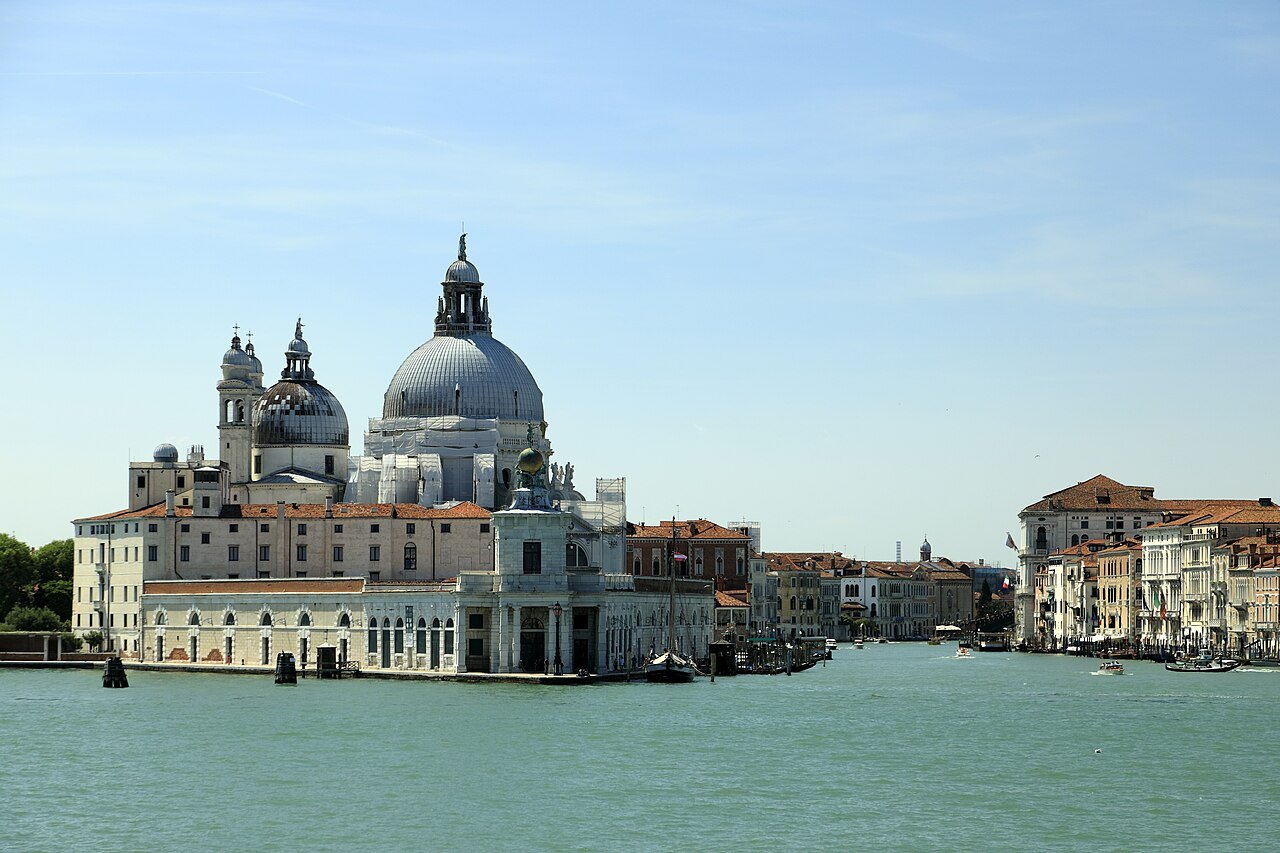
The earliest great houses on the canal were fondaco houses, combining warehouse and home on a single pile foundation. A portico at water level let boats unload directly into storerooms, while a loggia above lit the hall where the merchant family lived, all resting on the same buried timber platform.
Two such buildings survive on the canal: the Fondaco dei Turchi, given to Ottoman traders, and the Fondaco dei Tedeschi, given to German merchants. Both needed foundations strong enough to bear not just a family's rooms but the constant loading and unloading of goods, a heavier daily demand than most private palaces faced.
That working model proved adaptable. Later Gothic and Renaissance palaces along the canal kept the same basic sequence of piles, stone platform, and brick superstructure, even as their arches, tracery, and facades changed from one century to the next.
What centuries of settling look like
Even careful foundations shift over time. Mud compacts unevenly under the weight of centuries, and a close look at some Grand Canal facades shows faint tilts or uneven lines where a building has settled slightly since it was built, evidence of the ground beneath rather than any flaw in the stonework itself.
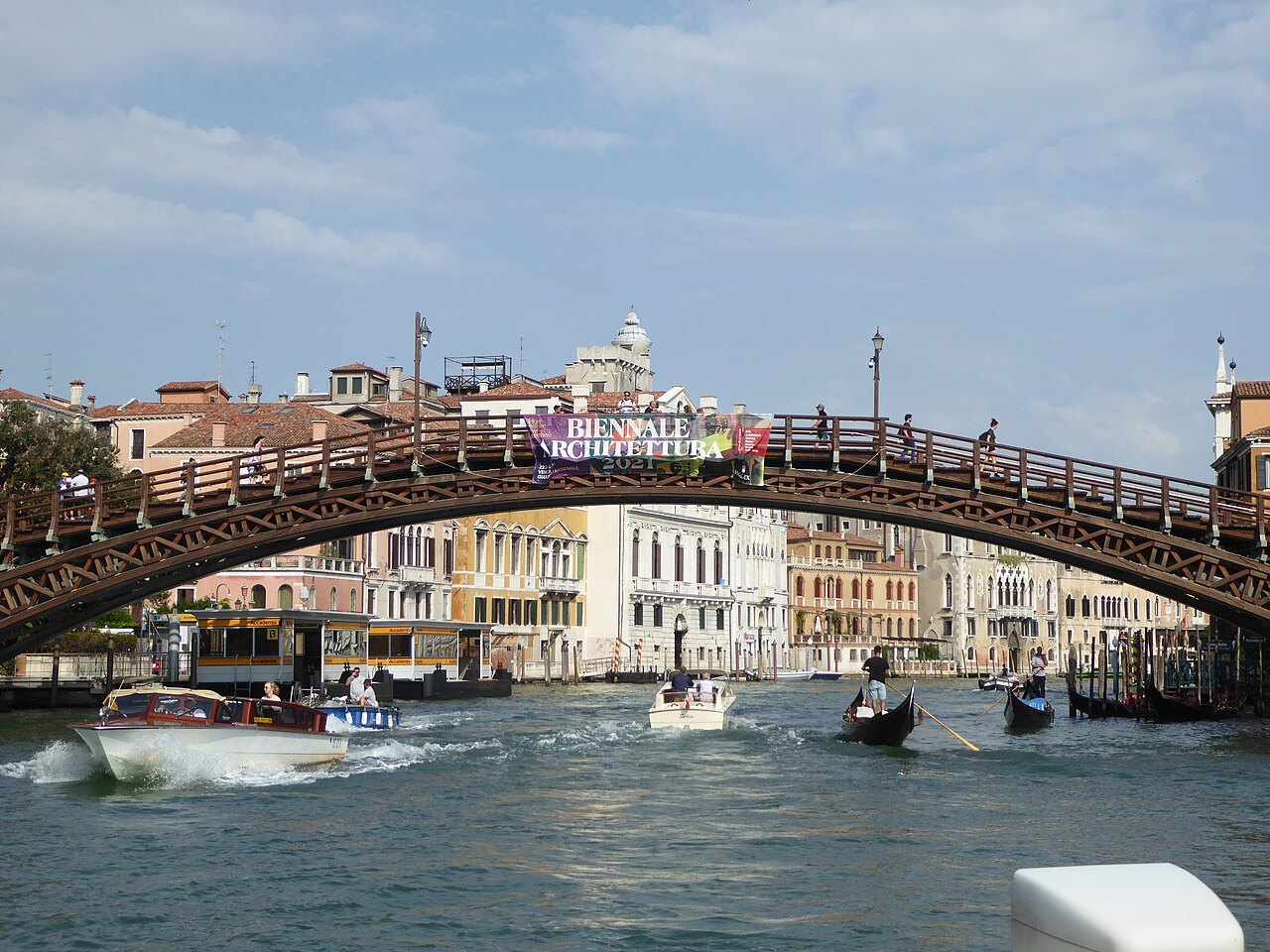
Rising water adds further strain on old foundations and masonry, particularly during high water events. Visitors wanting to understand current conditions, including any walkways or warnings in low-lying areas, should check the siren codes and official information covered under when to come rather than assume anything from a single visit.
Maintenance has never stopped. Many of the Baroque palaces along the canal, including Ca' Pesaro and Ca' Rezzonico, were finished only after their architect Longhena's death, and conservation of their foundations and facades continues today under the city's heritage authorities, the people to consult for technical detail beyond what any guidebook can responsibly state.
Seeing it today, honest notes
Most Grand Canal palaces remain private homes, offices, or institutions, and their foundations cannot be inspected up close by a visitor. Anyone with a serious interest in the engineering should look to the city's official heritage and conservation bodies rather than guesswork, since this guide cannot verify technical claims beyond what is generally known and documented.
A handful of palaces along the canal are set up to receive visitors rather than remain purely private, among them the Peggy Guggenheim Collection in the unfinished Palazzo Venier dei Leoni. Check each museum's own site for current visiting arrangements before planning a stop, since this guide does not state opening details.
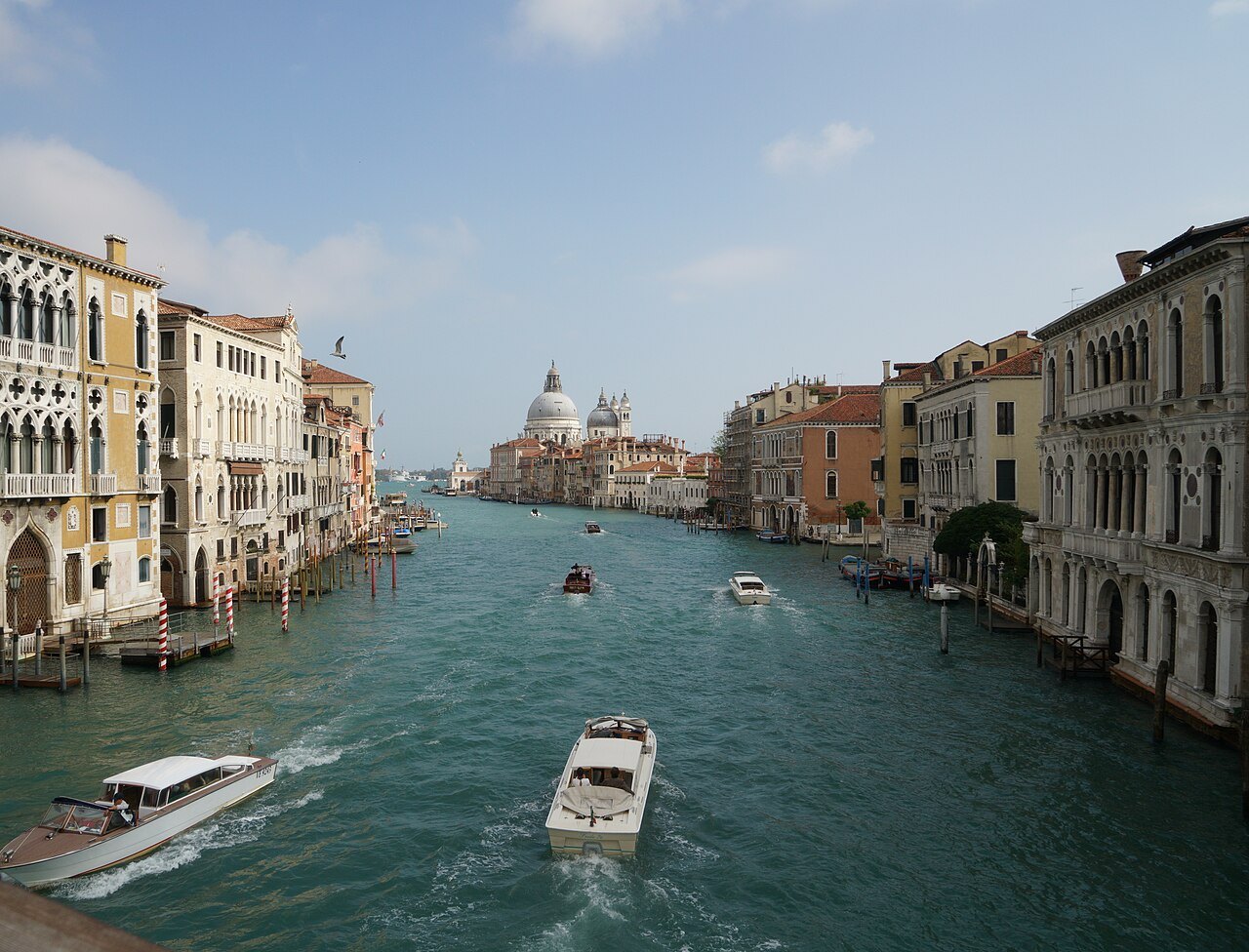
For the clearest view of how foundations meet water, ride the slow Line one water bus the length of the canal, or stand on the Rialto or Accademia bridges, where the pale stone waterline band is easiest to pick out at the base of the palaces on either side.
Read nextIII
More from the journal
- Getting AroundOnly Four Bridges Cross the Grand Canal: Planning RoutesThe Grand Canal cuts Venice in two, and only four bridges cross it in nearly four kilometers. Where they are, why a map misleads, and how to plan walks, water-bus rides and traghetto crossings so the canal works for you rather than against you.Read the piece →
- The Grand CanalWhat will you see on a boat ride down the Grand Canal?A ride on the slow water bus down the Grand Canal is the best introduction to Venice: six centuries of palaces, four bridges, the market and the Salute, in under an hour. What to look for, stretch by stretch, from the station to San Marco, and how to make the ride.Read the piece →
- When to ComeAcqua Alta in Venice: the Tide, the Sirens and the WalkwaysBetween autumn and spring, exceptional tides flood the lowest parts of Venice. What causes the acqua alta, how the levels are measured, what the sirens mean, where the raised walkways go, what the MOSE barriers changed, and how to plan a day around a high tide.Read the piece →