The answer in fullII
Read on
Why imitation is so common
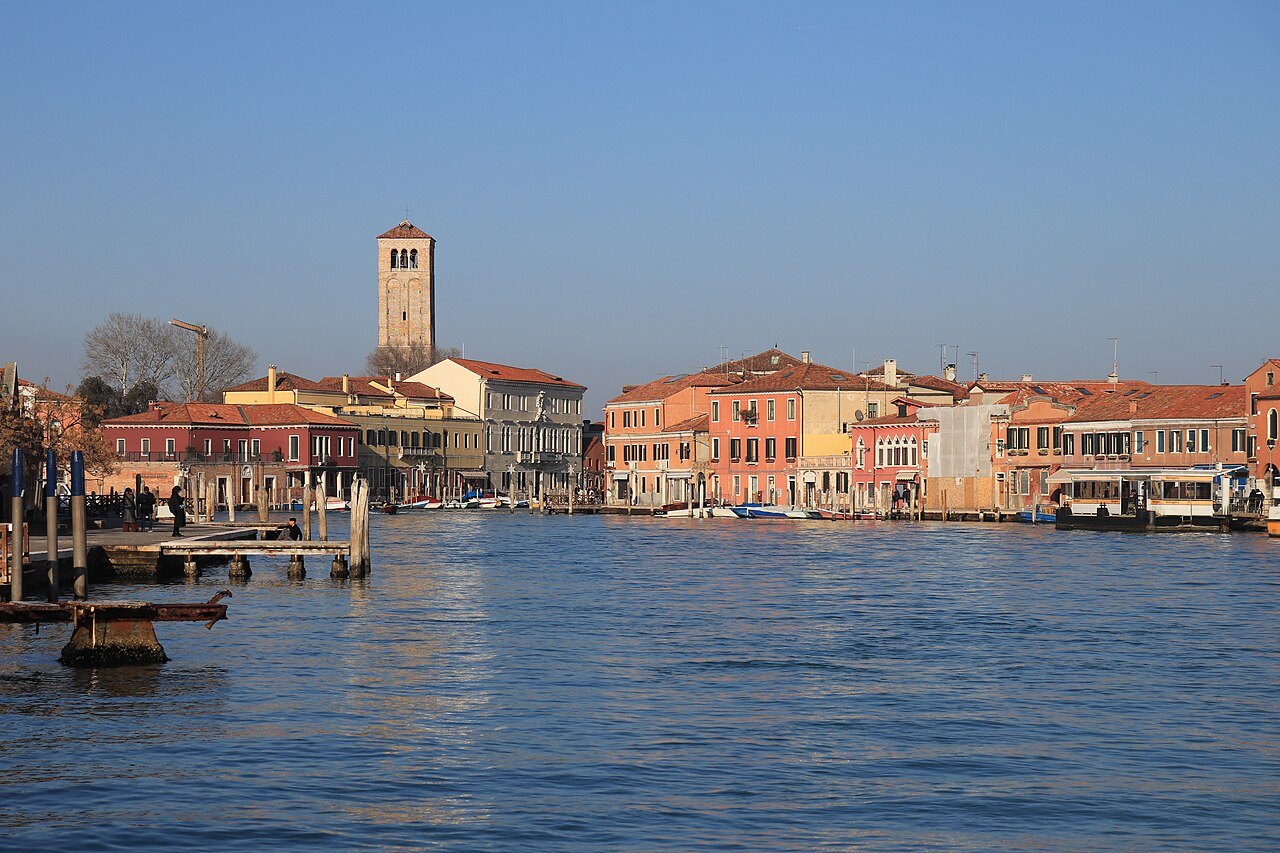
In 1291 the Republic ordered Venice's glassmakers to move their furnaces to Murano, fearing fire in a city built largely of wood, and glassmaking has been the island's main industry ever since. Its makers became so skilled that Murano held a monopoly on fine glass in Europe for centuries, first for beads and mirrors, later for chandeliers, crystal, millefiori, and aventurine. That history gave the name Murano glass real value, and value draws imitation.
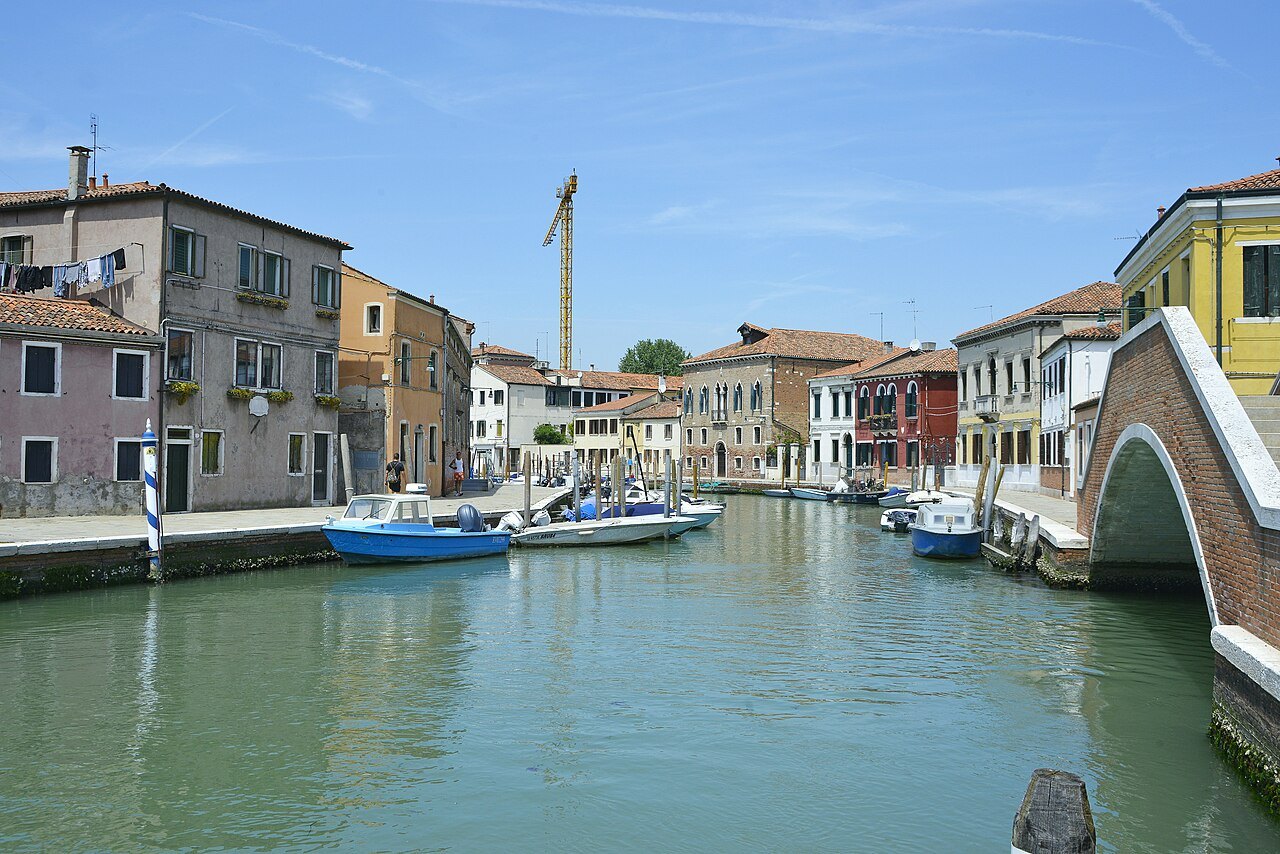
Today Murano glass is imitated around the world, and much of the cheap glass sold as Venetian in Venice's own souvenir shops was never made on the island at all. Mass-produced pieces, often shipped from factories abroad, borrow the colors and shapes of real Murano work without the furnace time, skilled labor, or materials that genuine pieces require.
Spotting the difference by eye alone is difficult, especially when comparing a small vase in one shop window with another a few doors along. The safer approach is documentation rather than guesswork: a registered trademark, a receipt naming an actual maker, and a seller willing to say exactly where and by whom a piece was made.
The mark to check
The Veneto Region protects Murano's work with a registered trademark, Vetro Artistico Murano, which certifies that a piece of glass was actually made on the island. The mark exists precisely because imitation is so widespread, and the island's most famous furnaces display it on finished pieces and in their showrooms.
Before buying, ask to see the trademark on the object itself, not simply on a sign or certificate that could apply to anything in the shop. A store selling both marked Murano glass and unmarked imported glass should be able to tell you which is which, piece by piece; if a seller cannot or will not do so, treat any claim of Murano glass with caution.
The mark is a legal certification, not a judgment of design, so it confirms only where a piece was made, not whether it is well made artistically. Pairing the trademark with a purchase from a known furnace, rather than an anonymous shop, is the surest combination a visitor can manage.
Buying from the makers
Around two hundred sixty companies still operate on Murano, employing about eleven hundred people, ranging from small family workshops to firms with centuries of history. Buying directly from these makers, at a furnace showroom or a point of sale clearly tied to a named Murano company, is more reliable than buying from a general souvenir shop elsewhere in the city.
The oldest of Murano's furnaces still working, Pauly and Company, was founded in 1866, and several other historic names on the island rank among the most important in the history of glass worldwide. Many of these firms sell directly from workshops along the Fondamenta dei Vetrai, the street named for the glassmakers who line it.
Buying from the furnace also means buying from people who can explain what a piece is made of and how: whether it is blown crystal, enameled glass, aventurine shot through with threads of gold, millefiori built from colored canes, or the milk-white glass called lattimo. That knowledge is itself a sign of authenticity no label alone can provide.
What makes the real thing costly
Genuine Murano glass costs what it costs because it takes skilled, hot, slow work to make. A master spends years learning to shape molten glass on the end of a blowpipe, and a single complex piece, a chandelier or a colored centerpiece, can take a team working together at the furnace to finish.
The Glass Museum, the Museo del Vetro, in the Palazzo Giustinian, shows what that skill can achieve at its highest level, including the eighteenth-century table centerpieces of Giuseppe Briati, whole glass gardens and palaces built piece by piece. Seeing this work in a museum setting is a useful way to calibrate expectations before shopping for anything similar.
If the price of a complex piece sold as Murano glass seems too low to cover that labor and material, it probably was not made on the island at all. Expect real work, whether a small decorative object or a large chandelier, to reflect real hours spent at a furnace that has likely been burning for generations.
Watching the glass made
Many of Murano's glassworks let visitors watch a master at the furnace shaping molten glass on the end of a pipe, turning it, reheating it, and drawing it into form before it cools. Watching this process in the same building where a piece is sold is some of the best evidence a visitor can gather that the glass was made where it is offered.
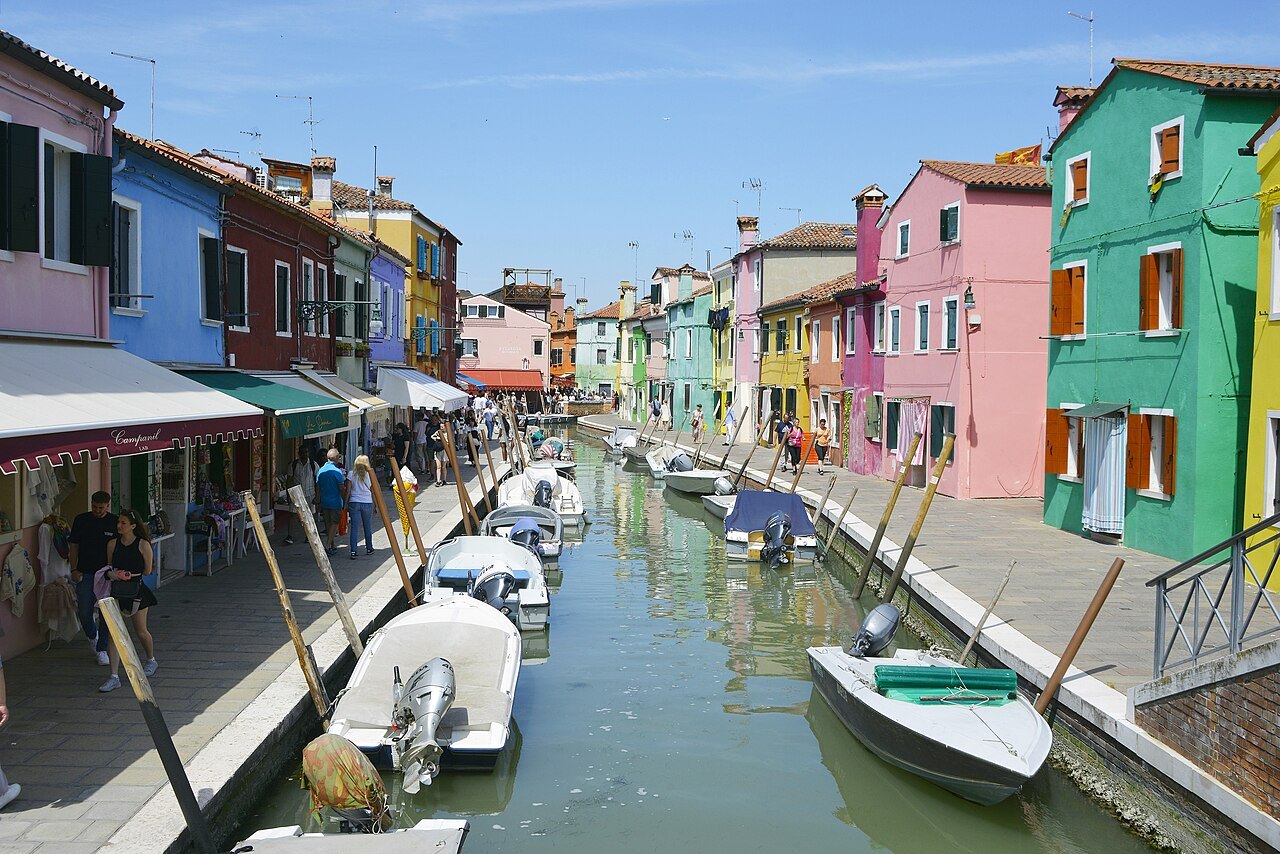
The Fondamenta dei Vetrai runs beside the Rio dei Vetrai, the glassmakers' canal, lined with workshops and showrooms, and is the easiest place to find a furnace open to the public. Further along, the canal meets Murano's own Grand Canal, crossed by the Ponte Lungo.
Watching glass worked is not only entertainment; it shows the scale of effort behind a single object, effort that mass-produced imitation glass skips entirely. A visitor who sees that process, then compares it with a shelf of identical cheap trinkets elsewhere, usually has little trouble telling which is genuine.
Planning the visit
Murano is a short ride by water bus from the north shore of Venice, and several lines serve its landings; see getting around for routes and tickets. Allow half a day for the island, or combine it with Burano and Torcello farther out for a full day on the water (see itineraries).
The Glass Museum and the island's churches each keep their own calendars, so check times with the museum or the relevant parish before building a visit around them rather than around a furnace demonstration. Furnace hours are set by each workshop individually, so confirm directly with the workshop if a demonstration is the main reason for coming.
Whatever else fills the day, leave time to look for the Vetro Artistico Murano trademark, ask plainly where a piece was made, and buy, if at all, from a workshop willing to answer that question. That combination, more than any visual test, is what separates genuine Murano glass from an imitation.
Read nextIII
More from the journal
- MuranoHow is Murano glass made at the furnace?How Murano's furnaces turn molten glass into crystal, millefiori, and chandeliers, and how to watch them work.Read the piece →
- The LagoonMurano, Burano and Torcello in One Day: Order and TimingsThe three islands of the northern lagoon make one of the best days out of Venice, if you get the boats right. Which order to see them in, which boats to take, how long to allow on each, and why the last boat back decides the whole day.Read the piece →
- Getting AroundHow the Vaporetto Works: Tickets, Passes and LinesThe vaporetto is Venice's bus: numbered lines run by ACTV along the Grand Canal, around the city and out to the islands. How single tickets and time-based travel cards work, how to decide between them, how to validate, and which lines a visitor actually uses.Read the piece →