The answer in fullII
Read on
Why glass means Murano
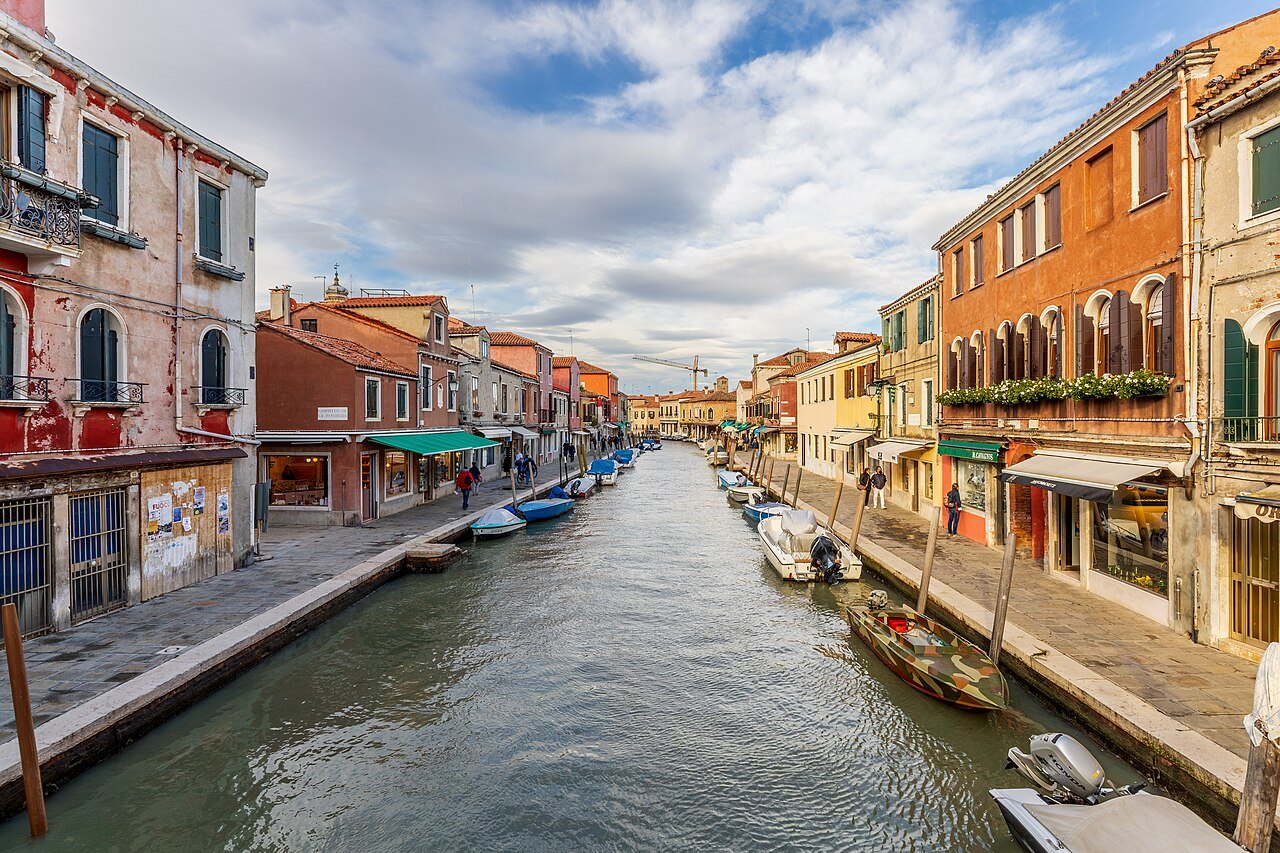
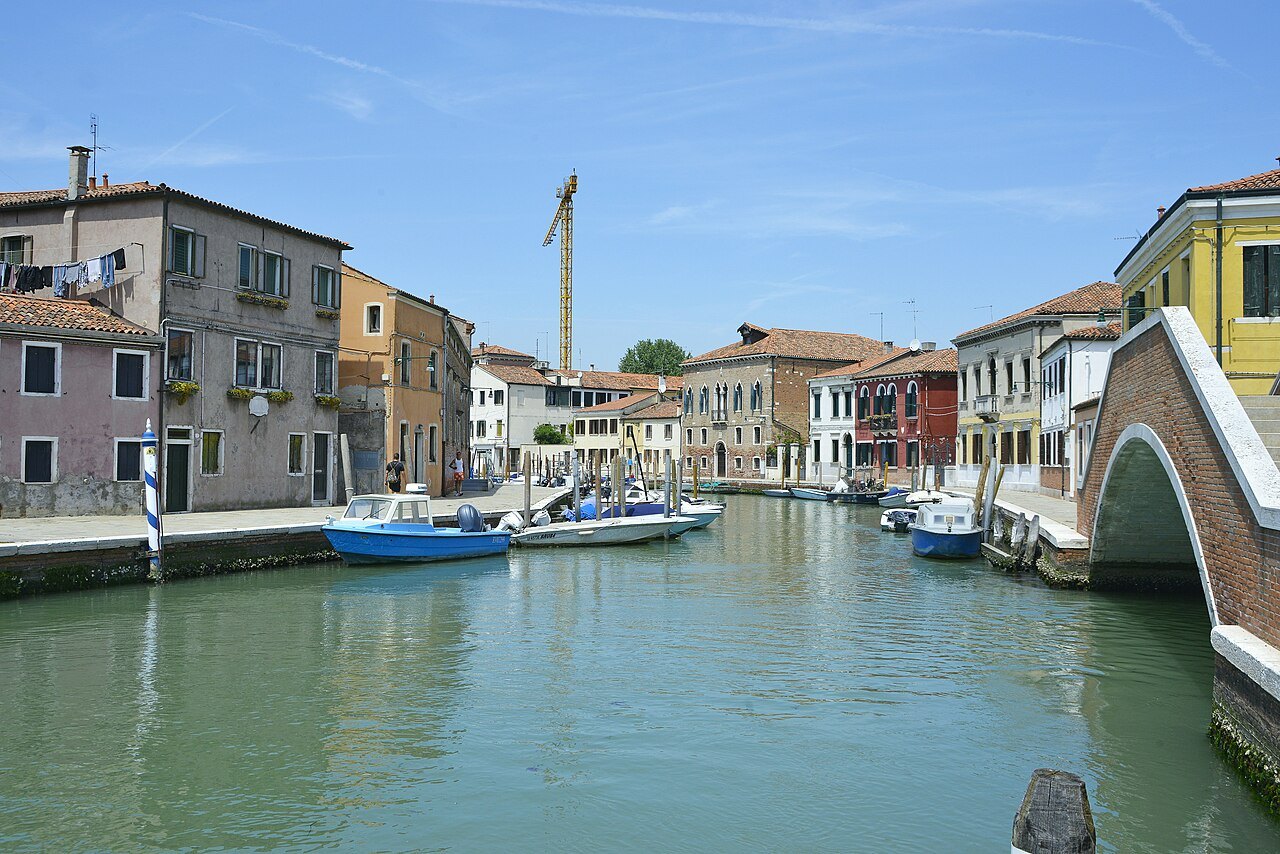
Murano is a cluster of seven islands in the Venetian Lagoon, linked by bridges across eight channels, about a mile north of Venice and about a mile across. Around five thousand people live here. It was once an independent town with its own Grand Council and even its own coins, and is now part of the municipality of Venice.
In 1291 the Republic, afraid of fire in a city built largely of wood, ordered all of Venice's glassmakers to move their furnaces to Murano. The island has been the home of Venetian glass ever since, and glassmaking remains its main industry; walking its canals means walking past furnaces that have burned for centuries.
Murano prospered first as a fishing port and through salt, and it once controlled a port on the island of Sant'Erasmo. From the eleventh century it declined as islanders moved to Dorsoduro in Venice, and from the thirteenth century, though it kept a Grand Council like the city's, it was governed by a podestà sent from Venice.
Early in the second millennium, hermits of the Camaldolese order founded the monastery of San Michele di Murano, which became a center of learning and printing; the cartographer Fra Mauro was a monk there. The French suppressed the monastery in 1810, the monks were expelled in 1814, and its grounds became the city's cemetery.
The glassmakers' privileges and secrets
Murano's glassmakers became some of the most privileged people in the Republic. By the fourteenth century they were allowed to wear swords, were immune from prosecution by the Venetian state, and married their daughters into the richest families in Venice. The privileges set them apart from every other trade in the Republic.
The price was that they were forbidden to leave: the Republic guarded the secrets of its glass and crystal as a state asset. For centuries Murano held a monopoly on fine glass in Europe, first for beads and mirrors, later for chandeliers, with each technique kept as closely watched as the furnace itself.
Some glassmakers took the risk of leaving anyway, setting up furnaces in other cities and as far away as England and the Netherlands, and by the end of the sixteenth century the monopoly was partly lost. Decline set in during the eighteenth century, but the craft survived, and the island's historic glassworks include some of the best-known names in glass in the world.
In the fifteenth century Murano also became a retreat for Venetians, who built palaces here, among them the Palazzo da Mula. A Murano-born architect working for the King of Poland in the seventeenth century even named his Warsaw palace after the island, and the district of Muranów still carries its name.
The glass itself
Murano's makers developed or refined some of the most prized glass in Europe: optically clear crystal, enameled glass, aventurine glass shot through with threads of gold, millefiori or "a thousand flowers," milk-white lattimo, and glass imitations of precious stones. Each type required its own closely guarded recipe and technique, refined over generations of furnace masters.
The Glass Museum, the Museo del Vetro, occupies the large Palazzo Giustinian not far from the main landings. It traces the history of glassmaking and displays pieces from ancient Egypt to the present, including the great eighteenth-century table centerpieces of Giuseppe Briati, whole gardens and palaces rendered entirely in glass.
Visiting the museum before or after a furnace demonstration helps make sense of what a visitor sees being blown and shaped on the canal side: the same techniques, reduced to raw, molten material in front of them. Check the museum's hours with its own site before planning a visit to Murano.
Watching the furnace at work
From the water-bus landings, the Fondamenta dei Vetrai runs beside the Rio dei Vetrai, the glassmakers' canal, lined with workshops and showrooms. Many glassworks let visitors watch a master at the furnace shaping molten glass on the end of a pipe, the clearest sense a visitor gets of how the craft actually works.
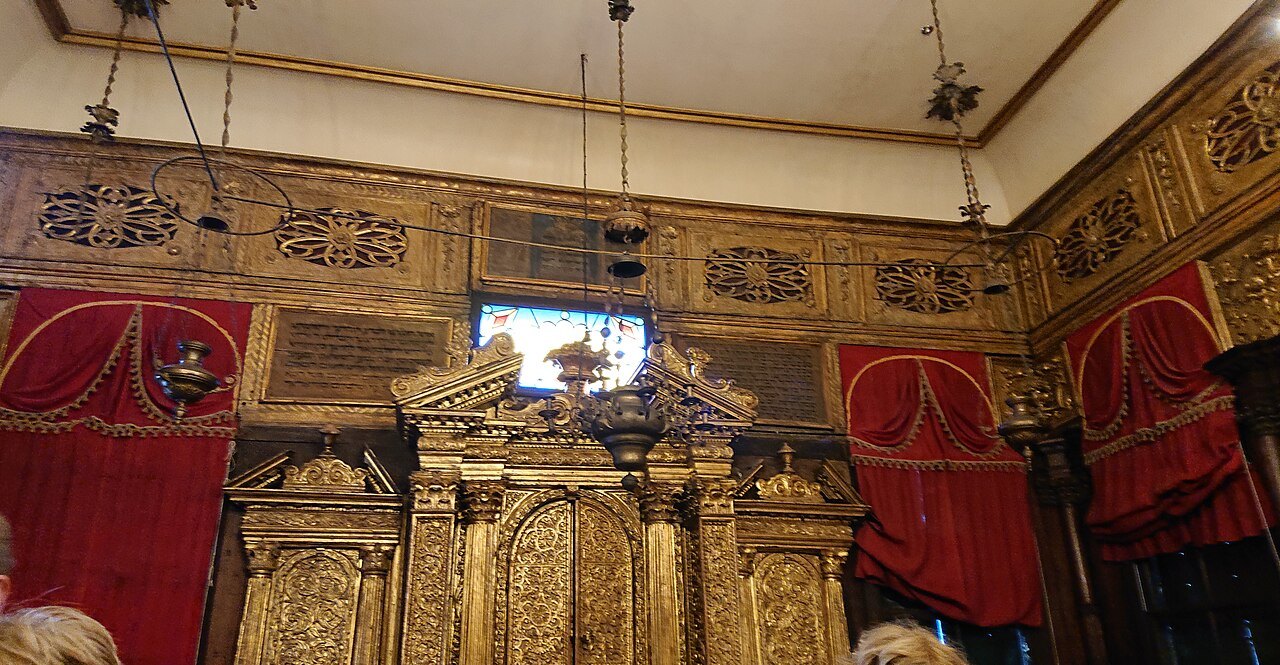
Further along, the canal meets Murano's own Grand Canal, crossed by the Ponte Lungo. The walk from the landing to this point and back covers most of what a short visit needs, with furnaces and showrooms along both sides, each with its own display of finished pieces in the window.
Demonstrations and visiting arrangements vary from one workshop to another, so ask at the glassworks itself, or check the city's official sites, about when a master will be working and whether a group is welcome to watch. Allow time to watch a full piece being formed, since the process is not quick.
Beyond the furnaces
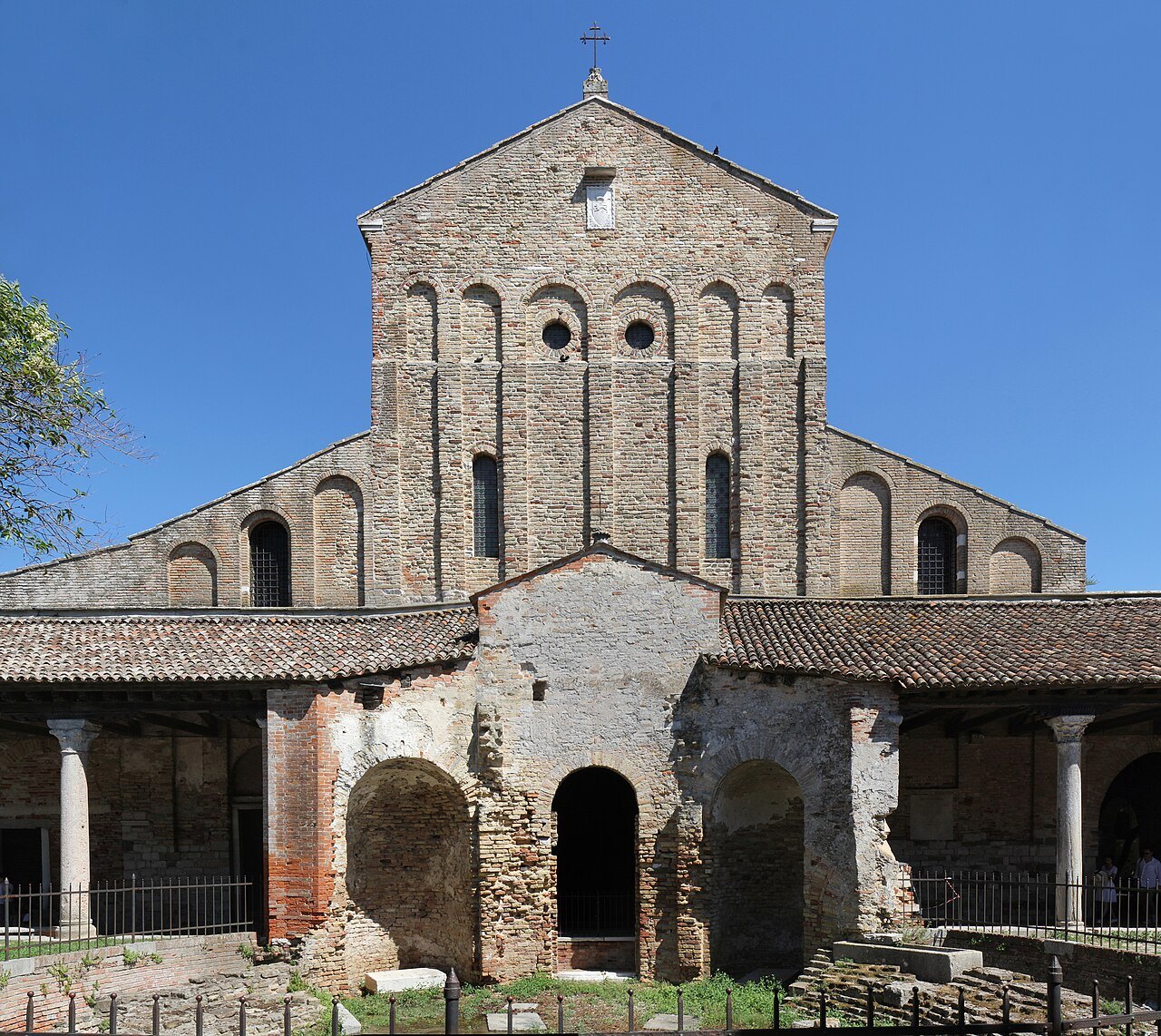
Beyond the museum stands the church of Santa Maria and San Donato, known in Italian as Santi Maria e Donato, one of the oldest churches in the lagoon. It is known for its twelfth-century Byzantine mosaic pavement, and is said to house the bones of the dragon slain by Saint Donatus in the fourth century.
Back toward the landing, the church of San Pietro Martire, the glassmakers' own parish, holds paintings by Giovanni Bellini and the chapel of the Ballarin family, built in 1506. As with Murano's other churches, check its opening times before visiting, since they are not fixed to any single tourist schedule.
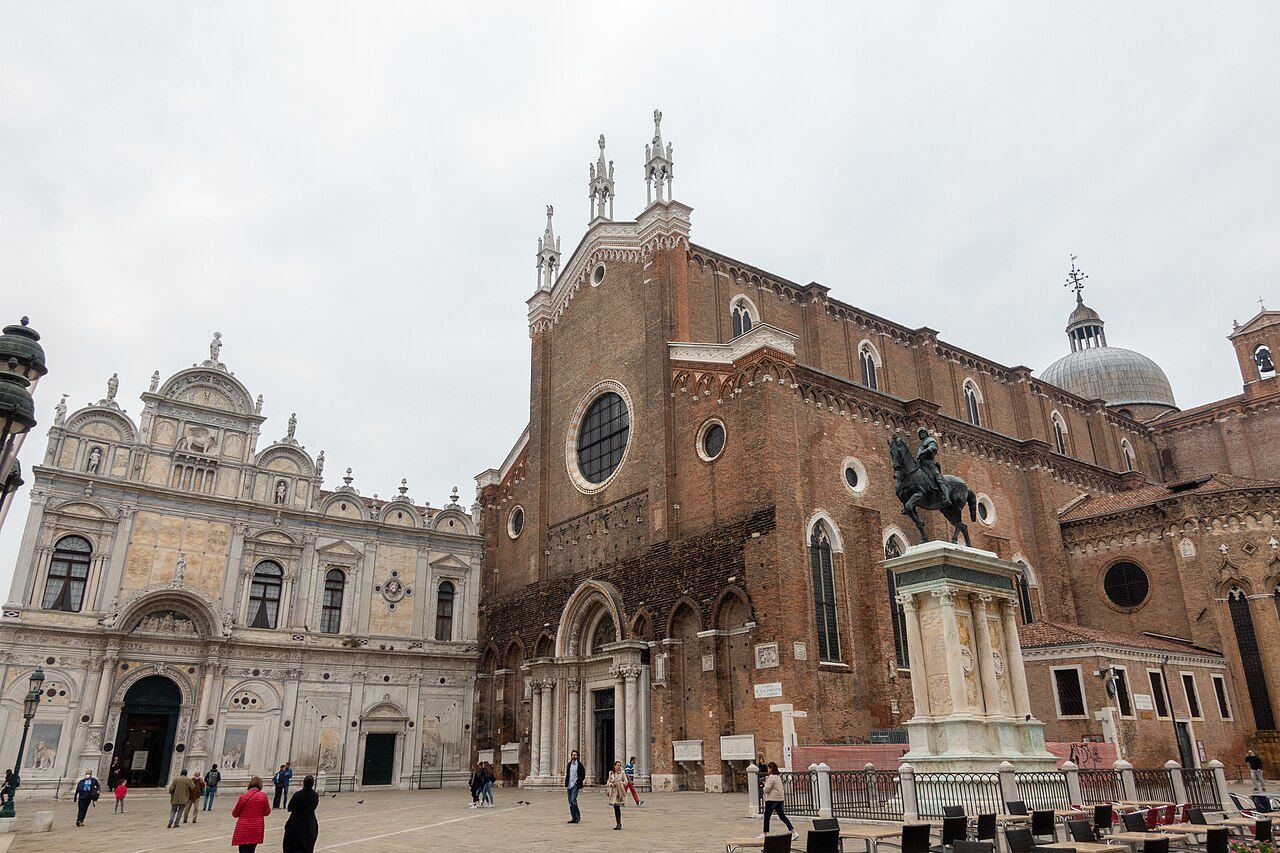
By the landing on the open lagoon stands Murano's white lighthouse, and on another island just to the south lies San Michele, the city's cemetery island. It was here that the monastery of San Michele di Murano once stood, before its suppression turned the grounds into Venice's burial ground today.
Buying honestly, planning your visit
Murano glass is imitated around the world, and much of the cheap glass sold as Venetian in the city's souvenir shops was not made here. The Veneto Region protects the island's work with a registered trademark, Vetro Artistico Murano, which certifies glass actually made on the island; the most famous furnaces carry it.
If buying, look for the mark, buy from the makers themselves, and expect real work to cost what it takes to make. Some of the companies that own Murano's historic furnaces are among the most important names in glass anywhere, and the oldest still working, Pauly and Company, was founded in 1866.
Around two hundred sixty companies still operate on Murano, employing some one thousand one hundred people between them, a reminder of how large an industry stands behind the showroom windows along the canal. Numbers like these are worth remembering whenever a shop claims that every piece on its shelves was blown on the island.
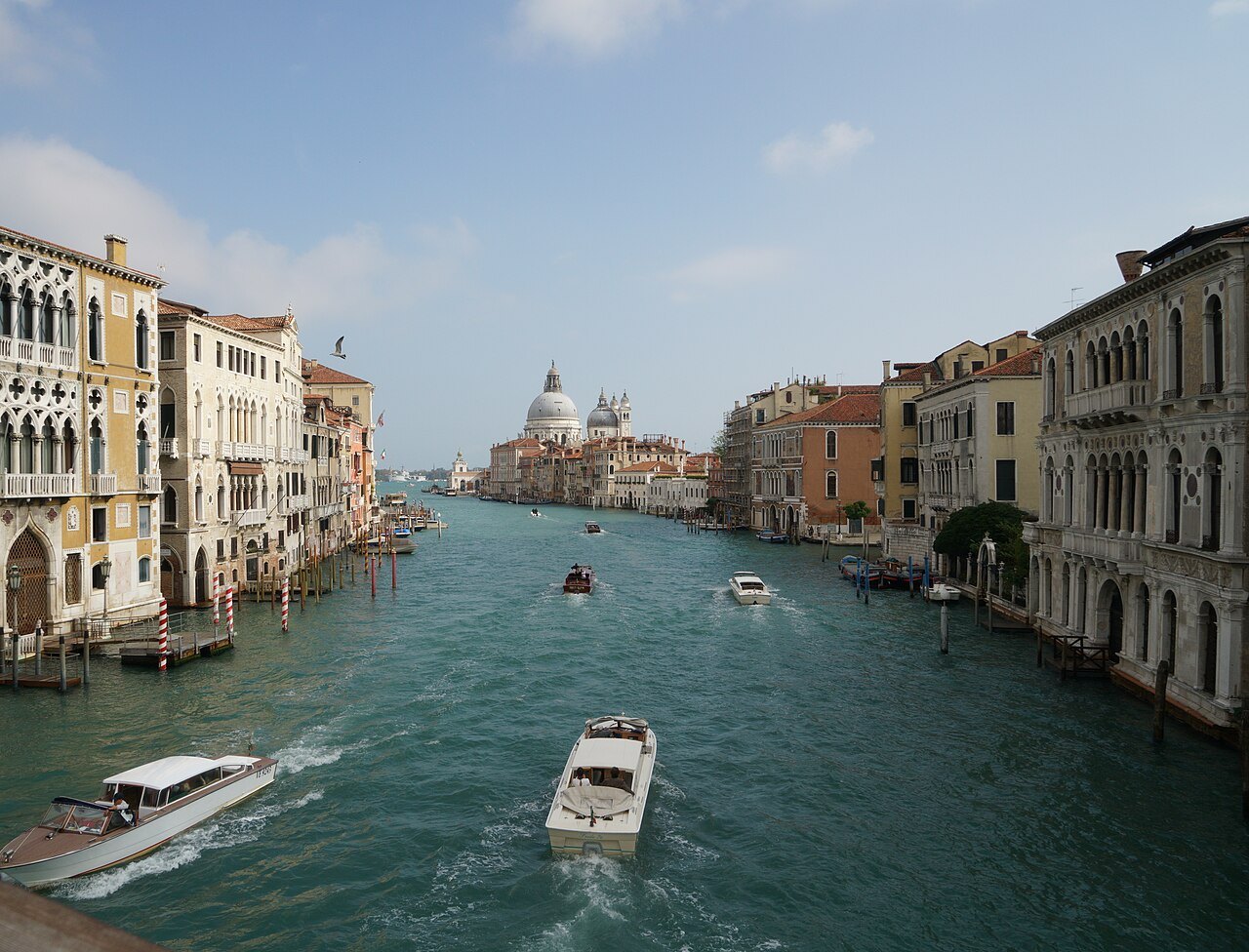
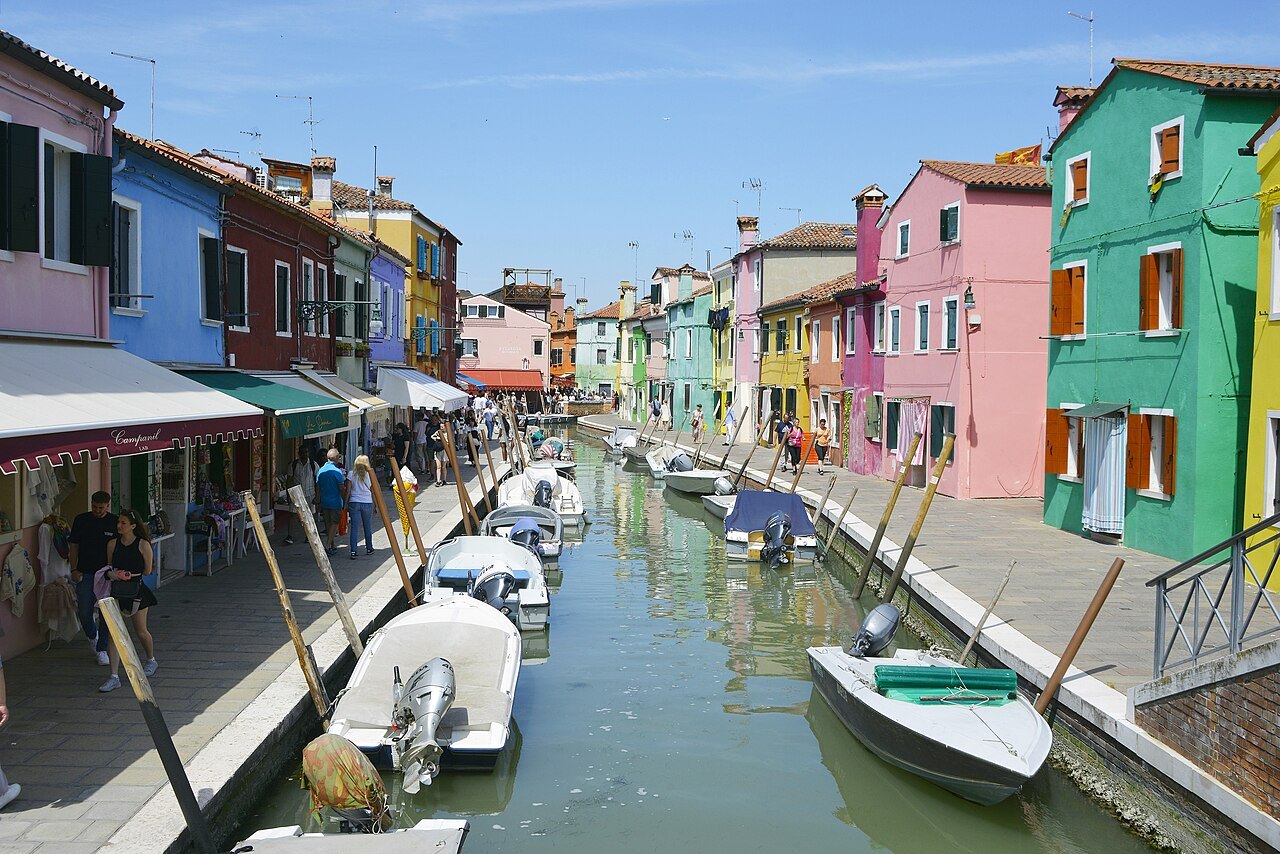
Murano is a short water-bus ride from Venice's north shore, with several lines serving its landings; see getting around for routes and tickets. Allow half a day for the island on its own, or combine it with Burano and Torcello farther out in the lagoon, which together make a full day on the water.
Read nextIII
More from the journal
- The LagoonMurano, Burano and Torcello in One Day: Order and TimingsThe three islands of the northern lagoon make one of the best days out of Venice, if you get the boats right. Which order to see them in, which boats to take, how long to allow on each, and why the last boat back decides the whole day.Read the piece →
- Getting AroundHow the Vaporetto Works: Tickets, Passes and LinesThe vaporetto is Venice's bus: numbered lines run by ACTV along the Grand Canal, around the city and out to the islands. How single tickets and time-based travel cards work, how to decide between them, how to validate, and which lines a visitor actually uses.Read the piece →
- When to ComeAcqua Alta in Venice: the Tide, the Sirens and the WalkwaysBetween autumn and spring, exceptional tides flood the lowest parts of Venice. What causes the acqua alta, how the levels are measured, what the sirens mean, where the raised walkways go, what the MOSE barriers changed, and how to plan a day around a high tide.Read the piece →