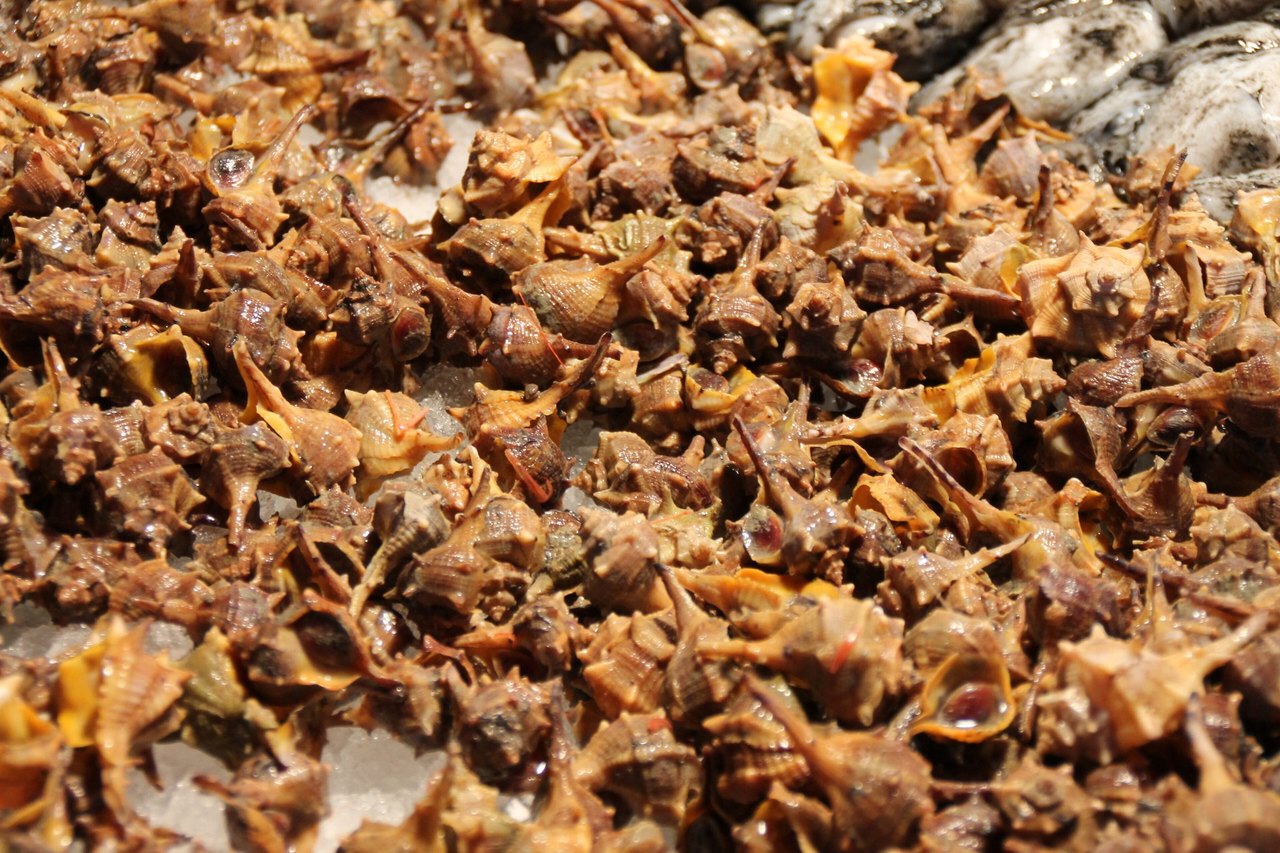
THE LAGOON'S CATCH AT RIALTOI
What fish comes from the Venetian lagoon to the Rialto market?
Which fish at the Rialto Pescaria actually come from the lagoon itself, and how to spot them among the day's catch.
The answer in fullII
Read on
Why it matters
Rialto is where Venice began. The name comes from rivus altus, the deep channel, the old name of the Grand Canal whose banks the first islands here lined, and Venetian tradition dates the city itself to 25 March 421, the day of the consecration of the church of San Giacomo di Rialto.
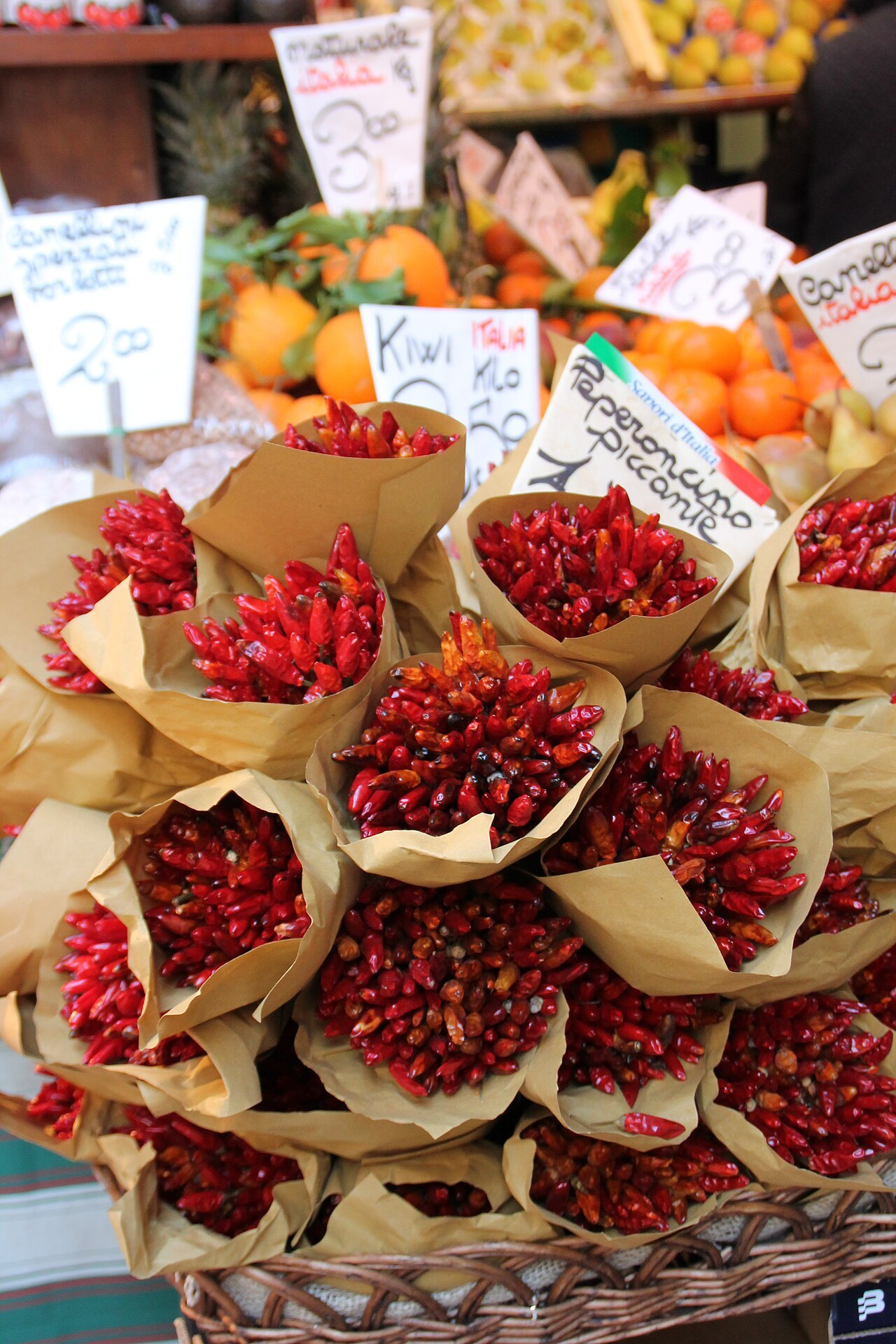
In 1097 the city's market moved to these islands, and it has stayed here for more than nine centuries. For much of that time Rialto was the commercial heart of a trading empire, with banks, insurers and magistrates gathered around the church. What remains today is the Pescaria, the fish market, still worked by Venetians and still the best place to see what the lagoon itself puts on a plate.
The fish on sale at the Pescaria come from two different waters. Some are hauled from the open Adriatic beyond the barrier islands; others are caught inside the lagoon itself, in the shallow channels and marshes that surround the city. The second group is smaller and far more seasonal, and it is this lagoon catch, rather than the Adriatic one, that gives Venice its most particular dishes.
The lagoon that surrounds Venice is a shallow, brackish stretch of water, distinct in character from the open Adriatic beyond its barrier islands. (See the lagoon.) It supports creatures that do not live in the open sea, and the Pescaria is where that difference becomes visible, laid out on ice beside fish that have traveled further to reach the stalls.
Moleche, the soft-shell crabs
The lagoon's best-known export to the Pescaria is moleche, the soft-shell crabs caught in the few hours after they molt. A crab that has just shed its shell is briefly soft all over, and lagoon fishermen gather them in that short window before the new shell hardens. The season is brief and does not run all year, so moleche appear on the stalls only at certain times.
Because the timing depends on the crabs themselves rather than a calendar, no single date can be given for when moleche will be on sale. A visitor who wants to see or buy them should ask at the Pescaria itself, where stallholders know the lagoon's rhythms far better than any guide can.
Moleche are traditionally fried whole, shell and all, since the shell at this stage is too soft to notice, and eaten as a simple plate rather than dressed up. They are not something to expect at any given visit; their appearance is one of the small unpredictabilities of eating by what the lagoon actually provides that week.
Schie, the lagoon's shrimp
The other lagoon specialty named on the Pescaria's counters is schie, tiny shrimp caught within the lagoon itself rather than out at sea. They are grey rather than pink, small enough to eat whole, and have a flavor distinct from the larger shrimp brought in from the Adriatic, and Venetians have fished them from the shallows for generations.
The traditional way to eat schie is fried and served on soft white polenta, a pairing that turns up on menus across the city. At the market itself, the shrimp are sold loose by weight, exactly as the fish and shellfish around them are, with the stallholder weighing and pricing each order on the spot.
Like moleche, schie are a lagoon catch rather than a sea one, and their presence on the ice depends on what the fishermen have brought in that morning. A visitor hoping to try them is better off asking at the stalls than planning a visit around them in advance, since the market itself is the only source worth trusting on any given day.
What else fills the ice
Beyond the lagoon's own specialties, the Pescaria lays out the broader catch of the day: fish from the Adriatic and the lagoon together, shellfish, and cuttlefish, all set out on ice under the arcades of the fish hall. The range changes with the season and with what the boats have brought in, so no two mornings look quite the same.
The hall itself looks medieval but is not: it is a Gothic Revival building from the twentieth century, raised on the site of the old fish market in the style of Venice's old palaces, and open to the water on one side, as the market always has been, a reminder that this is a working hall and not a backdrop.
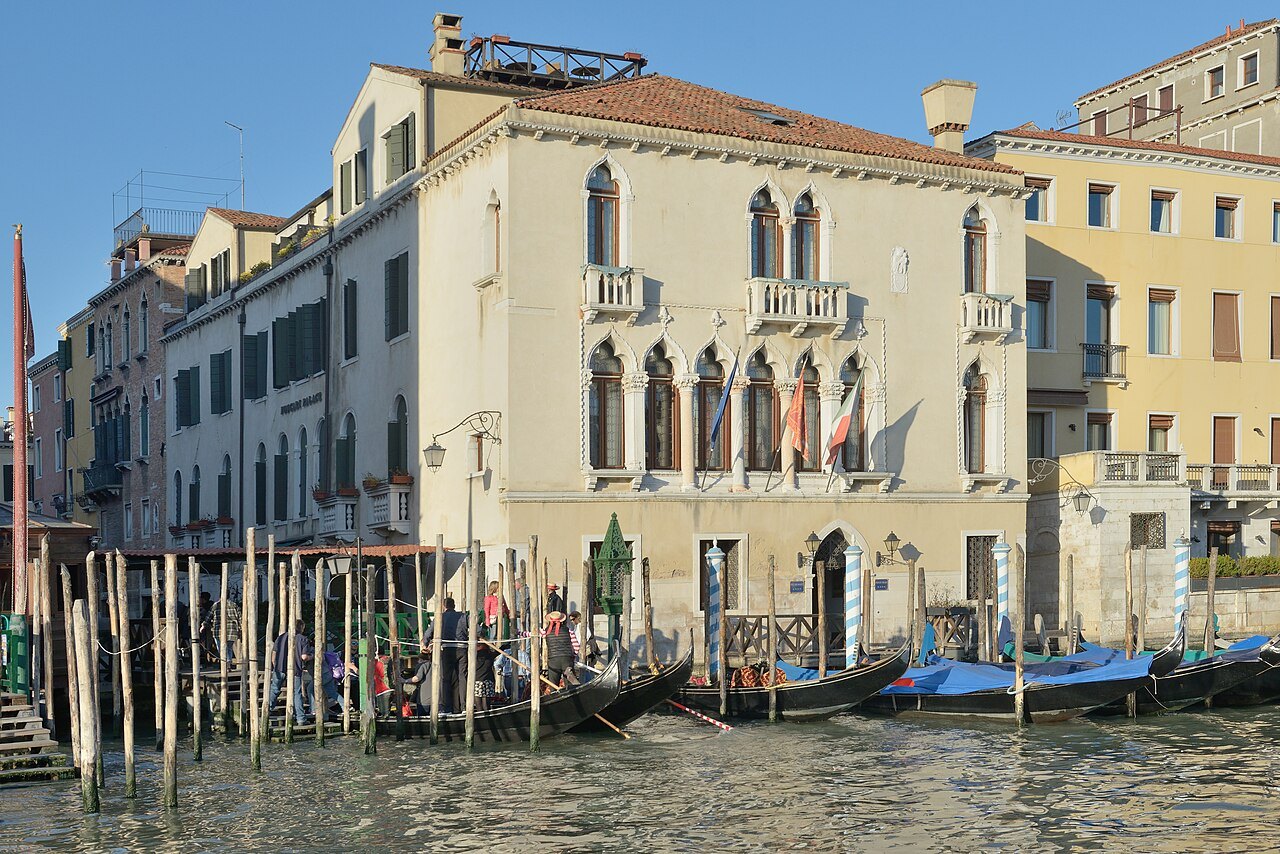
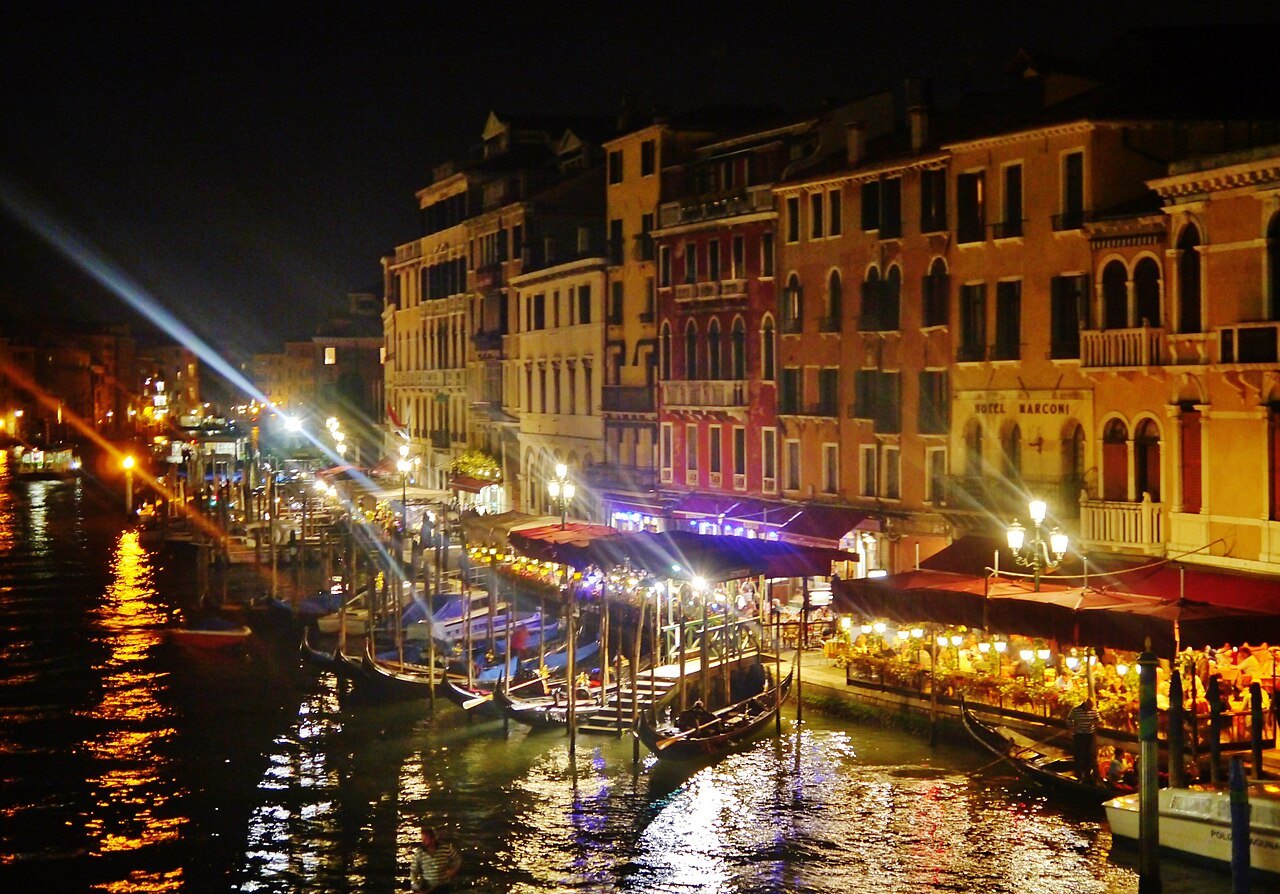
At the Pescaria's end a gondola ferry, the Traghetto Santa Sofia, crosses the Grand Canal to the Cannaregio bank near the Ca' d'Oro. It is a quick way to continue toward that side of the city, and a visitor should check current details with the operators rather than assume a fixed schedule.
How to visit
The fish market does not trade every day, and the stalls are busiest early, when Venetians do their own shopping. Anyone planning a visit built around seeing the Pescaria at its fullest should check the market's days before setting out, since the rule changes and no fixed weekly pattern should be assumed.
Come on foot from the Rialto Bridge, down the ramp on the San Polo side, or arrive by water bus to one of the Rialto landings. (See getting around.) The Pescaria lies past the Erbaria and the church of San Giacometto, along the canal, so the walk from the bridge takes only a few minutes.
It is a working market, not a display laid on for visitors. Stand clear of the stalls when people are buying, ask before photographing a stallholder, and do not handle the fish. Many stalls sell to visitors too, and this guide lists no prices, since they are set at the stall.
Afterwards, the bars around Campo San Giacometto and in the lanes behind serve cicchetti, small snacks eaten standing with a glass of wine. (See eating and drinking.) The market fits naturally into the first morning of a visit, before the crowds build and the stalls begin to close for the day.
Honest notes
The Rialto is no longer the general market of the city, and in recent decades much of the old trade around it has given way to businesses aimed at visitors. The daily market and the courts of Venice, which occupy the Fabbriche, still keep the area working, but more of the shops nearby now serve tourism than trade.
The fish hall itself looks medieval and is not: it dates from the twentieth century, built on the site of the old fish market in the manner of a Gothic palace. What has not changed is the daily rhythm, the ice, and the Venetians who still come to buy for their own tables.
What comes from the lagoon itself, rather than the wider Adriatic, is always the smaller and less predictable part of what the Pescaria sells, and no list can promise it in advance. The stallholders are the only reliable source on what the lagoon has actually given up on a given morning, and asking them directly is the simplest way to find out.
Read nextIII
More from the journal
- Eating & DrinkingCicchetti and Ombre: How a Venetian Bacaro Actually WorksThe most Venetian way to eat is standing at the counter of a bacaro with a small glass of wine and a few cicchetti. What a bacaro is, what is on the counter, where the word ombra comes from, how ordering and paying work, and when to go.Read the piece →
- Getting AroundThe Traghetto: Venice's Cheapest Gondola CrossingOnly four bridges cross the Grand Canal. Between them, a traghetto, a plain gondola rowed by two oarsmen, ferries foot passengers straight across. What it is, where the crossings are, how to ride one, and why it is worth knowing about.Read the piece →
- When to ComeAcqua Alta in Venice: the Tide, the Sirens and the WalkwaysBetween autumn and spring, exceptional tides flood the lowest parts of Venice. What causes the acqua alta, how the levels are measured, what the sirens mean, where the raised walkways go, what the MOSE barriers changed, and how to plan a day around a high tide.Read the piece →