CASANOVA'S ESCAPE FROM THE PALACEI
How did Casanova escape from the prisons of the Doge's Palace?
How Casanova escaped the Doge's Palace prisons, and what the story means for visitors today.
The answer in fullII
Read on
A Prisoner in the Doge's Own Palace
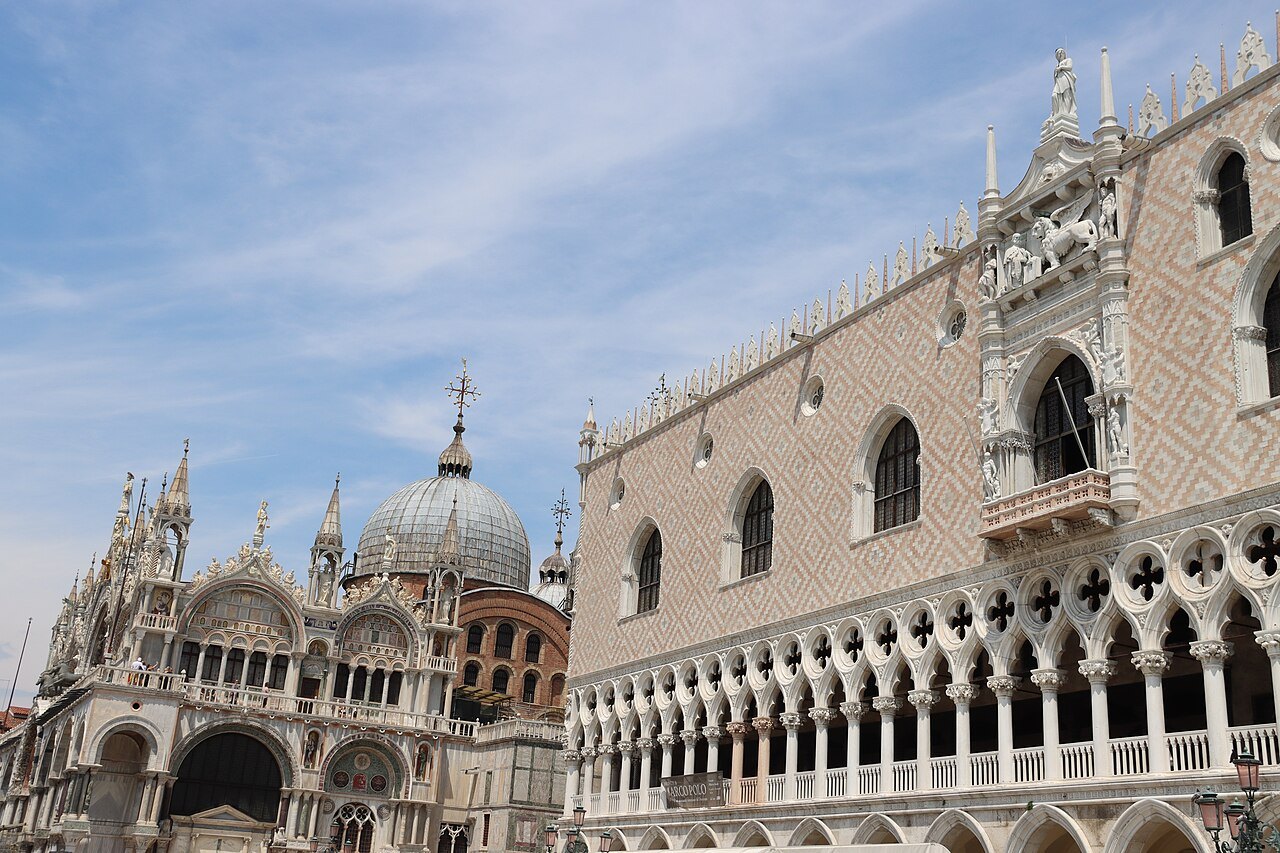
Giacomo Casanova, whose memoirs made his escape famous, was held not in a separate jail but inside the Doge's Palace itself. The palace was the government of Venice in a single building: it held the Great Council, the Senate, the Council of Ten, the courts, and the cells where sentences were served, all under one roof reaching from the Piazzetta to the water.
A sentence from the Republic's courts, meeting in the very chambers now shown to visitors, could end with confinement just above them. The cells known as the Piombi sat under the lead sheets of the palace roof, close enough to the chamber of the Council of Ten that the two functions of judging and confining shared the same walls.
Little in the sourced record of the palace names Casanova's offence; what survives, and what the palace itself tells visitors, is the fact of his imprisonment there and the account he later wrote of getting out. The rest of his case belongs to his own memoirs rather than to the palace's official history.
The Council of Ten, whose chamber visitors see on the standard route, had itself been set up after a conspiracy in 1310, and its ceiling was later painted by Ponchino with a young Veronese. It was this kind of security council, alongside the ordinary courts, that produced the sentences the Piombi were built to hold.
The Piombi: Cells Under the Lead Roof
The name Piombi comes from the lead, piombo, that covered the roof above the cells. They lay within the palace's upper floors, distinct from the New Prisons built later across the narrow canal at the palace's side, which housed longer sentences and are reached today by the enclosed bridge that visitors cross near the end of the route.
Because the Piombi were inside the palace rather than across the water, a prisoner held there stayed within the same building as the halls of government: the Great Council Chamber, the Senate, and the Council of Ten all sat under the same roof, their carved and gilded ceilings by Veronese and Tintoretto far below the cells where Casanova was kept.
That proximity is part of what makes Casanova's escape striking: climbing out of a cell under the roof put him back inside the palace's working rooms rather than straight out into open air. Visitors curious about the exact layout of the Piombi area should ask palace staff, or check the official site, since access to specific rooms on any given visit is best confirmed directly with the museum.
The Escape, As Casanova Told It
Casanova's own account, written later in his memoirs, is the only source for the escape, and the palace's own materials repeat it in outline rather than adding detail. He describes getting out through the roof above his cell, among the lead sheets that gave the Piombi their name, rather than through a door or window at ground level.
From the roof he made his way back down into the palace itself, re-entering the building he had just left rather than dropping outside its walls. That detail is part of what makes the story remarkable: his route out of custody led him deeper into the seat of government before it led him to the street.
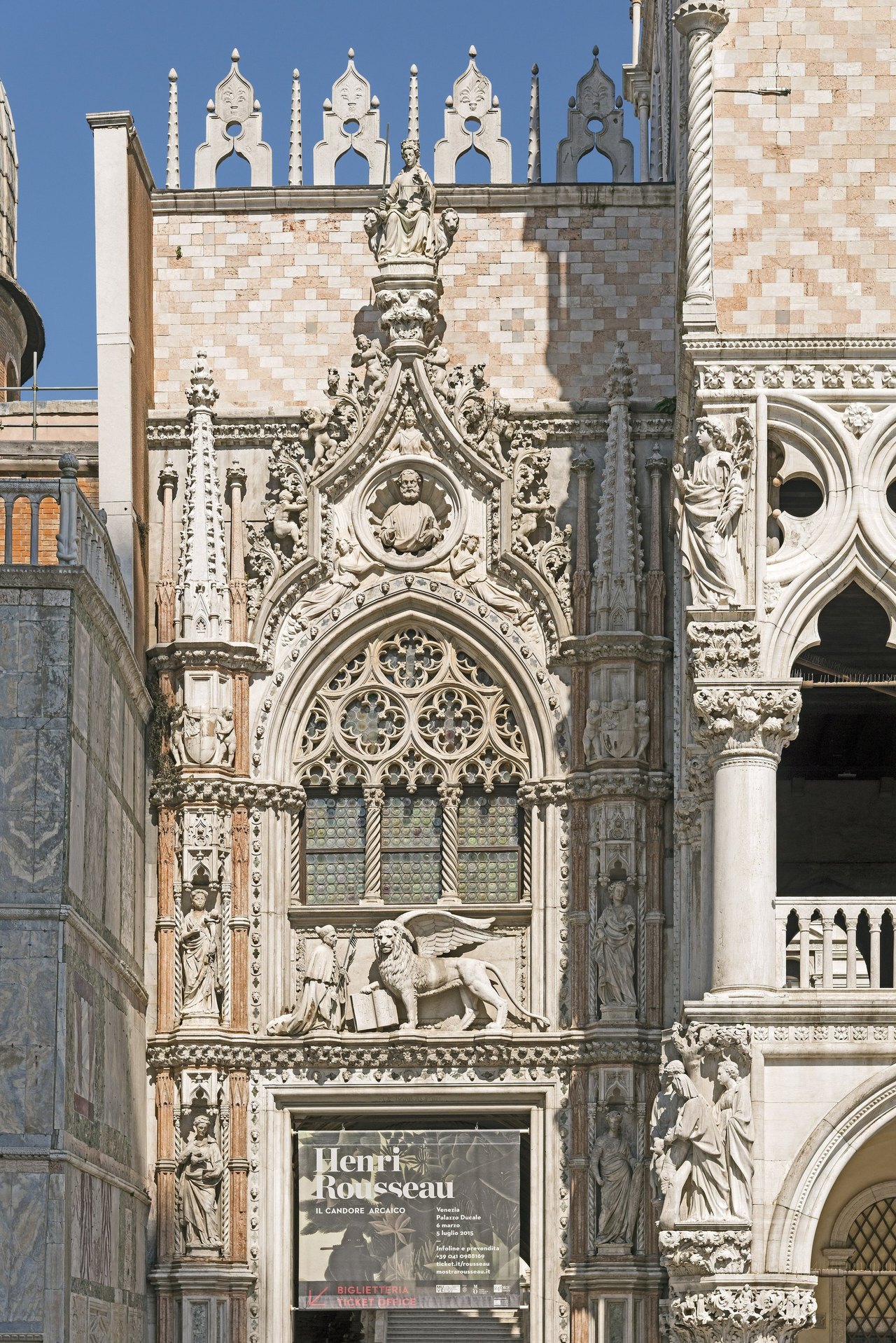
He then walked out through the Porta della Carta, the carved gate on the Piazzetta side facing the basilica, built between 1438 and 1442 by Giovanni and Bartolomeo Bon and crowned with a figure of Justice. Visitors today do not enter the museum through this gate, but they pass beneath it walking along the Piazzetta, on the same spot where, by his own account, Casanova stepped back into the open city.
The Bridge of Sighs and a Later Legend
Many visitors assume Casanova crossed the Bridge of Sighs on his way to or from the Piombi, since the bridge is the most photographed link between the palace and its prisons. His own account places the escape inside the palace itself, through the roof and back down into the building, not across that bridge at all.
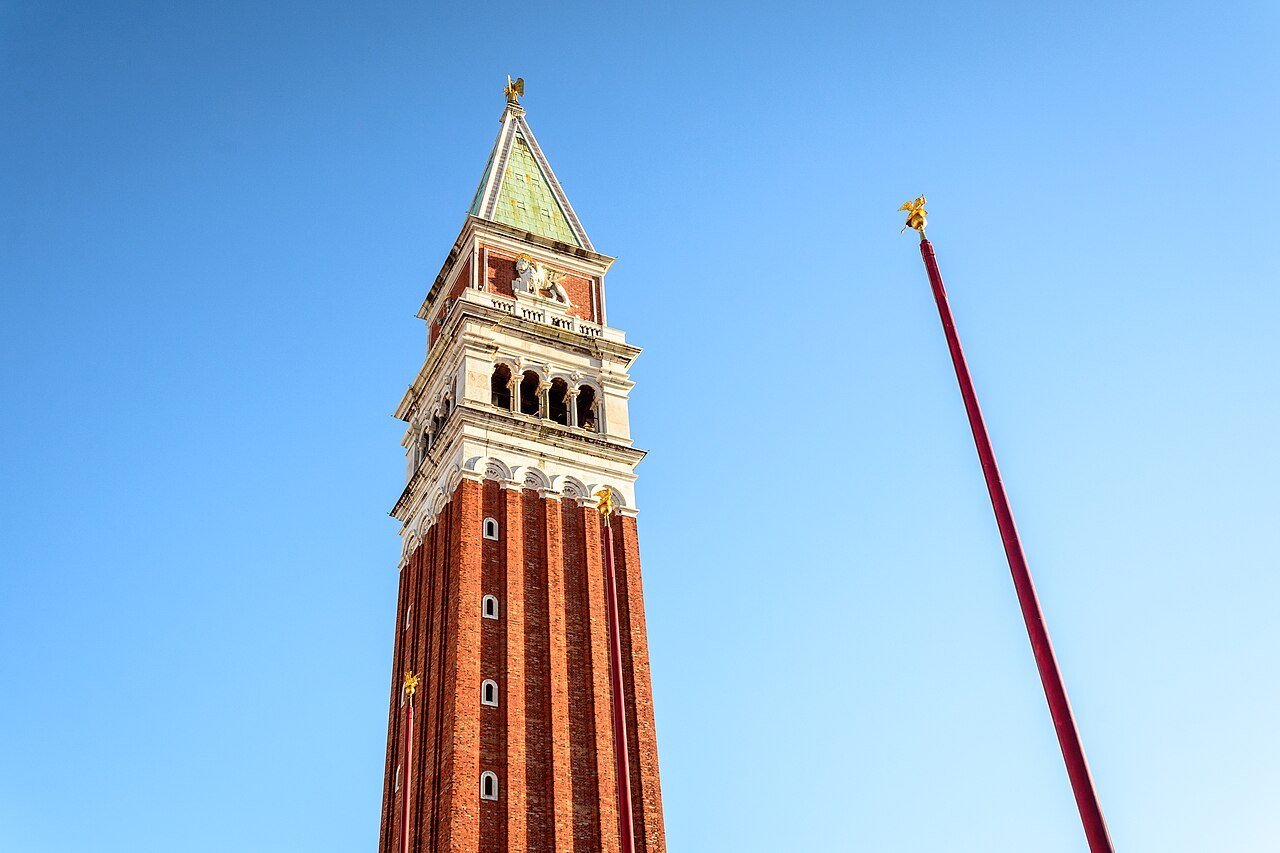
The Bridge of Sighs carried prisoners who had already been sentenced in the courts inside the palace to the New Prisons across the narrow canal, a routine passage rather than anything romantic. The bridge itself, the enclosed white structure visible from the Ponte della Paglia, was built shortly after 1600, well after the Republic's working methods of justice had long been established.
The story that gives the bridge its name, of condemned men sighing at a last glimpse of the lagoon through its small windows, is a nineteenth-century invention, not a detail from the Republic's own records or from Casanova's memoirs. Visitors wondering whether they can walk across the bridge themselves, as part of the standard route or otherwise, should check current arrangements with the palace.
Walking the Route Today
The standard visit does not single out a Casanova route, but it does cross some of the ground his account describes. From the doge's apartments and the rooms of government, the path passes the Armoury and crosses the Bridge of Sighs itself to the New Prisons, returning along a second corridor whose small windows give a last glimpse of the lagoon and San Giorgio Maggiore.
The Piombi, where Casanova was actually held, sit within the palace's upper floors rather than on this part of the route. Visitors curious about seeing them specifically should ask at the ticket desk or check the official site, since access to particular rooms can change and is best confirmed with the museum directly before planning a visit around it.
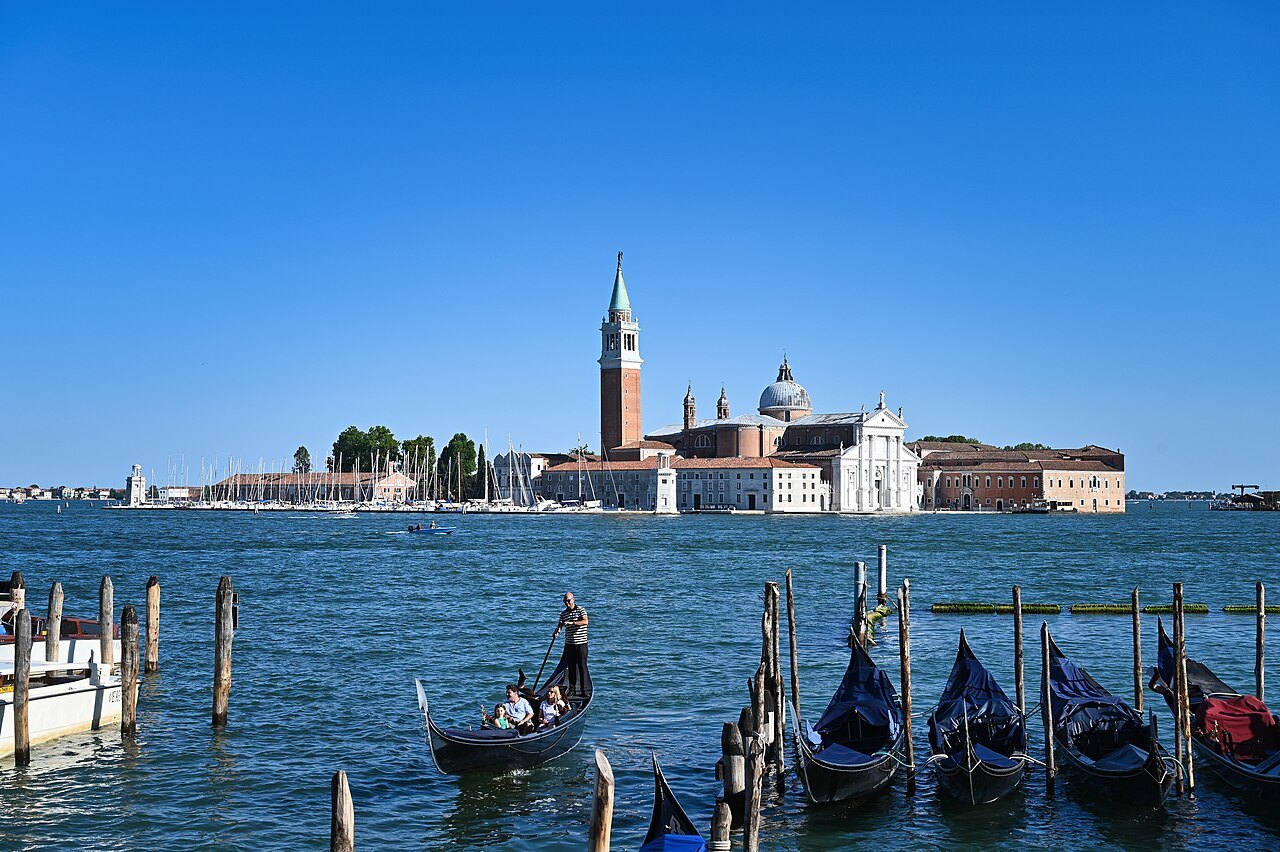
Two special visits run by reservation only, the Secret Itinerary and The Doge's Hidden Treasures, take small groups into areas not shown on the standard route and are the most likely way to get closer to spaces connected to the palace's prisons and administration; details on arranging them are covered in booking ahead.
Planning the Visit
Allow two to three hours for the standard route through the Doge's Palace, more if adding one of the reserved special itineraries. Tickets are sold through the palace's official site, and the same booking channel covers the limited-capacity Secret Itinerary and The Doge's Hidden Treasures tours, both best arranged well before arrival rather than left to the day of the visit.
The palace provides a cloakroom, an elevator, an audioguide through the Musei Civici app, and a café, useful after the climb up the Golden Staircase and through the rooms of government. The route is mostly indoors, but it involves stairs between floors and a step up and down onto the Bridge of Sighs itself near the end.
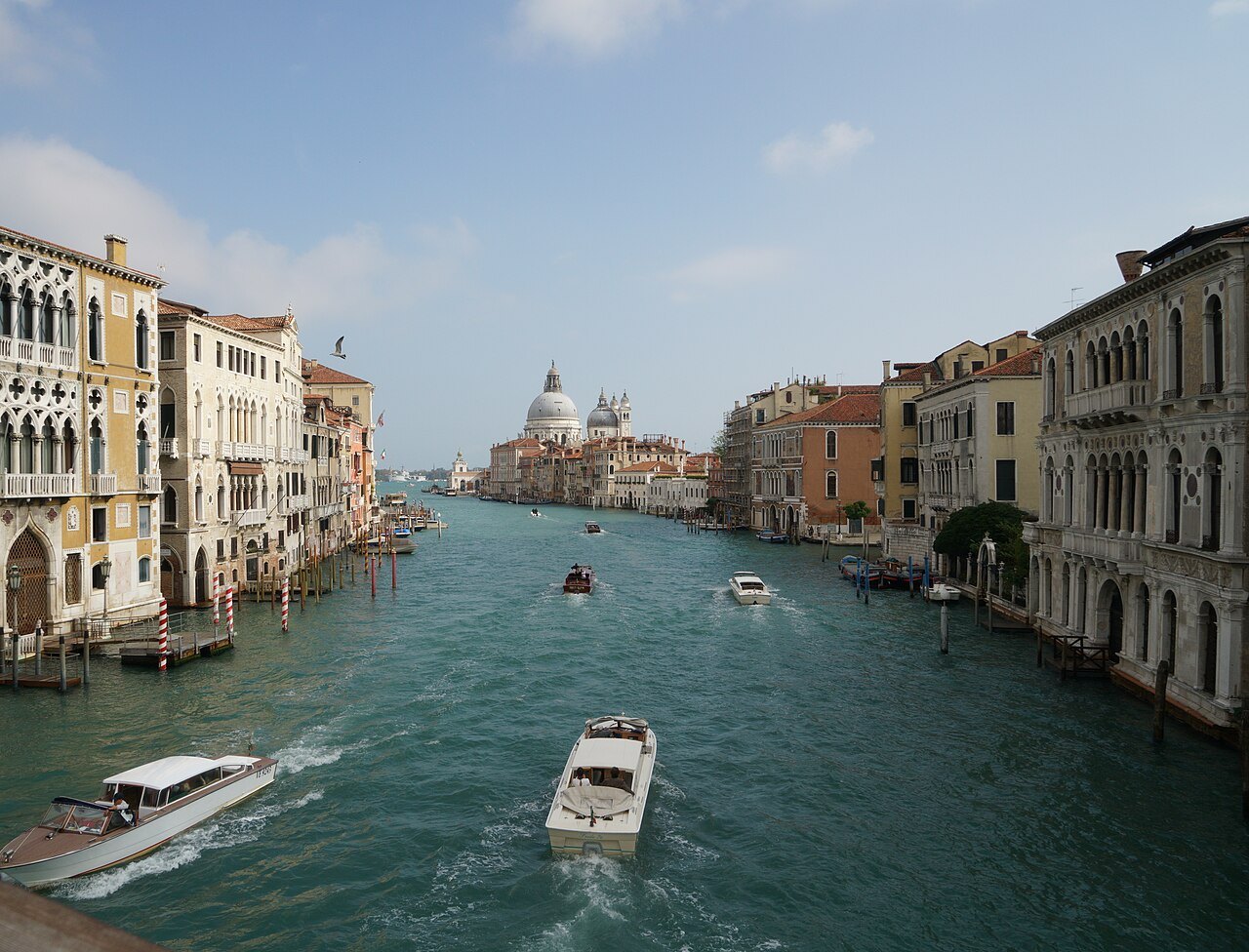
A combined ticket with the Museo Correr, across the square in the Napoleonic Wing and part of the same civic museums network, is worth checking on the official site, since it can cover both museums in a single visit. For context on the square the palace faces, see Piazza San Marco.
Read nextIII
More from the journal
- The Doge's PalaceCan you walk across the Bridge of Sighs?Yes: the Bridge of Sighs is part of the visit to the Doge's Palace, which crosses it to the New Prisons and comes back the other way. What the bridge was really for, where the romantic name came from, how the palace route reaches it, and where to stand for the classic view from outside.Read the piece →
- The Doge's PalaceHow was a doge of Venice elected?How Venice chose its doge, and what the Doge's Palace still shows of a power deliberately kept in check.Read the piece →
- When to ComeAcqua Alta in Venice: the Tide, the Sirens and the WalkwaysBetween autumn and spring, exceptional tides flood the lowest parts of Venice. What causes the acqua alta, how the levels are measured, what the sirens mean, where the raised walkways go, what the MOSE barriers changed, and how to plan a day around a high tide.Read the piece →