The answer in fullII
Read on
Where the craft began
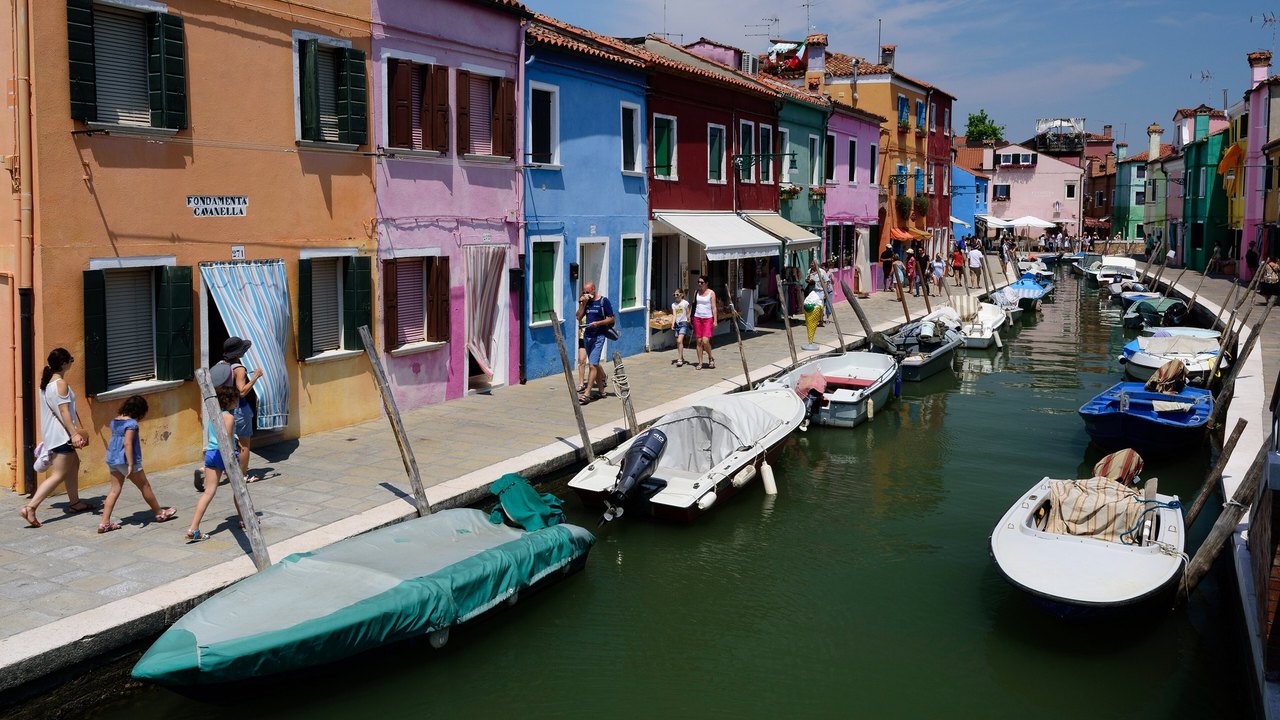
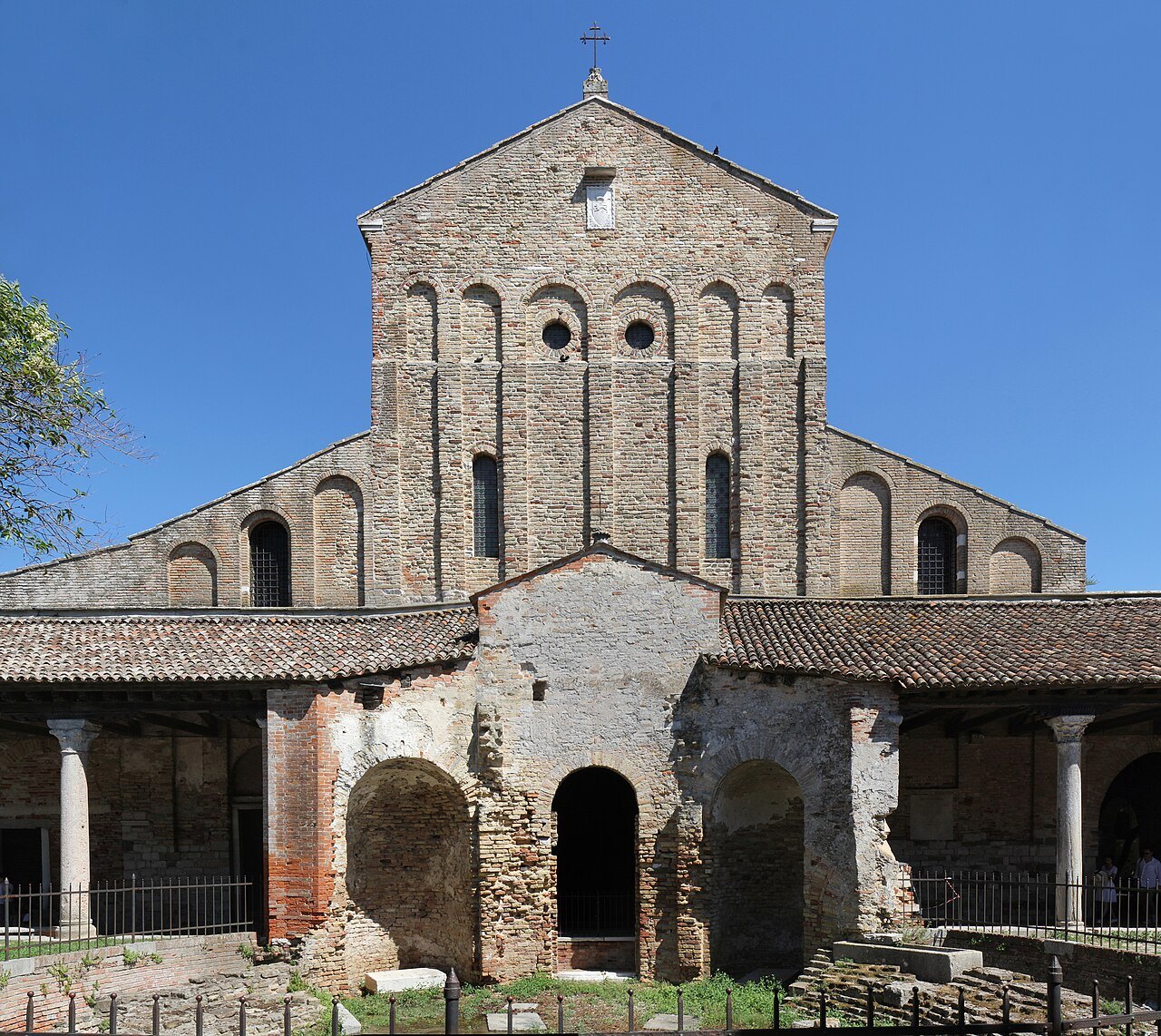
Burano grew early as a fishing settlement governed from Torcello, without the privileges that Torcello and Murano enjoyed, and it rose in importance only in the sixteenth century, when its women began making lace with a needle rather than on a loom. The craft is thought to have reached the island through Cyprus, then ruled by Venice, which had its own lace-making village, Lefkara.
Leonardo da Vinci is said to have bought a cloth from Lefkara in 1481 for the high altar of Milan Cathedral, long before Burano took up the needle itself. Within a few generations of its start here, the island's lace was being exported across Europe, prized as a luxury good far beyond the lagoon it came from.
That export trade gave Burano a standing the island had never held under Torcello's rule, built on skill rather than inherited privilege. It tied the fortunes of its small canals and crowded houses to courts and markets well beyond the Adriatic, all of it carried out through Venice's own wider trading network.
The needle, not the loom
Needle lace, as the name says, is worked with a needle and thread alone, built up stitch by stitch over a traced pattern, rather than woven on a loom or twisted on the many bobbins used for other lace traditions. Each piece is made slowly by hand, with no mechanical shortcut available to speed the work.
That slowness explains both the island's old reputation and its modern scarcity. Because true needle lace takes so long to make, it has always been expensive, and today few people on Burano still practice the craft in the traditional way; what survives is kept alive by a small number of skilled lacemakers rather than a common trade.
The craft nearly disappeared in the eighteenth century, when the export trade that had carried Burano lace across Europe fell away and the skill came close to dying out on the island altogether, surviving only among a handful of older women who had learned it as girls.
Revival and the school of 1872
The craft was pulled back from the edge in 1872, when a school of lacemaking opened on the island to teach the needle technique to a new generation and restore a trade that had nearly died out. It worked: Burano lace found buyers again, and the island's name became attached once more to fine needlework across Europe.
That same building now houses the Lace Museum, facing the Piazza Baldassare Galuppi, Burano's only square. It displays lace made on the island over the centuries alongside the tools and patterns once used to make it, and is the clearest place for a visitor to see what sets hand-worked needle lace apart from simpler pieces sold nearby.
Check with the museum for current arrangements before planning a visit, since opening days and any closures are set locally. Combining Burano with a day that also takes in Murano's glass and Torcello's older history gives a fuller picture of the lagoon's crafts and its long decline and revival.
The square and the church
The Piazza Baldassare Galuppi, laid over a canal that was filled in to create Burano's main street and square, is named for the island's best-known son, the composer Baldassare Galuppi, born here in 1706. His statue, by the sculptor Remigio Barbaro, born in 1911, stands in the square, close to a well made entirely of Istrian stone.
At the end of the square rises the church of San Martino, whose bell tower leans visibly out of true and is visible from across the island and far out over the lagoon. Inside hangs a Crucifixion painted by Giambattista Tiepolo in 1727, and nearby stands the small Oratorio di Santa Barbara, easy to pass without noticing.
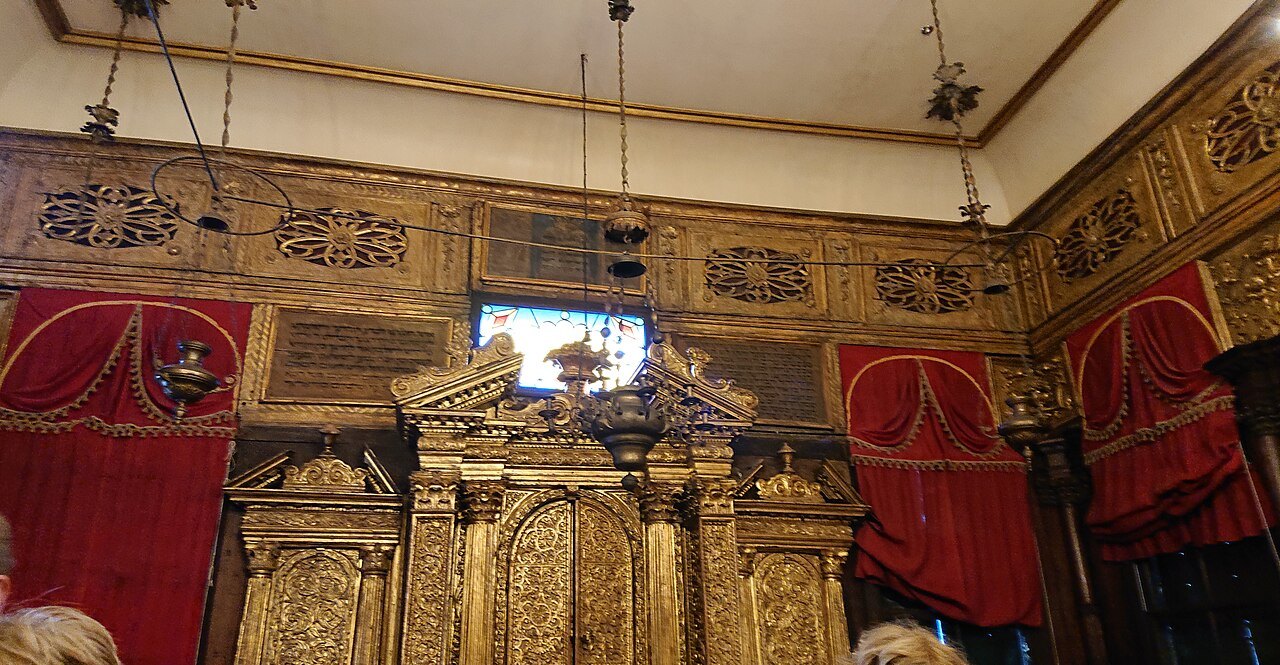
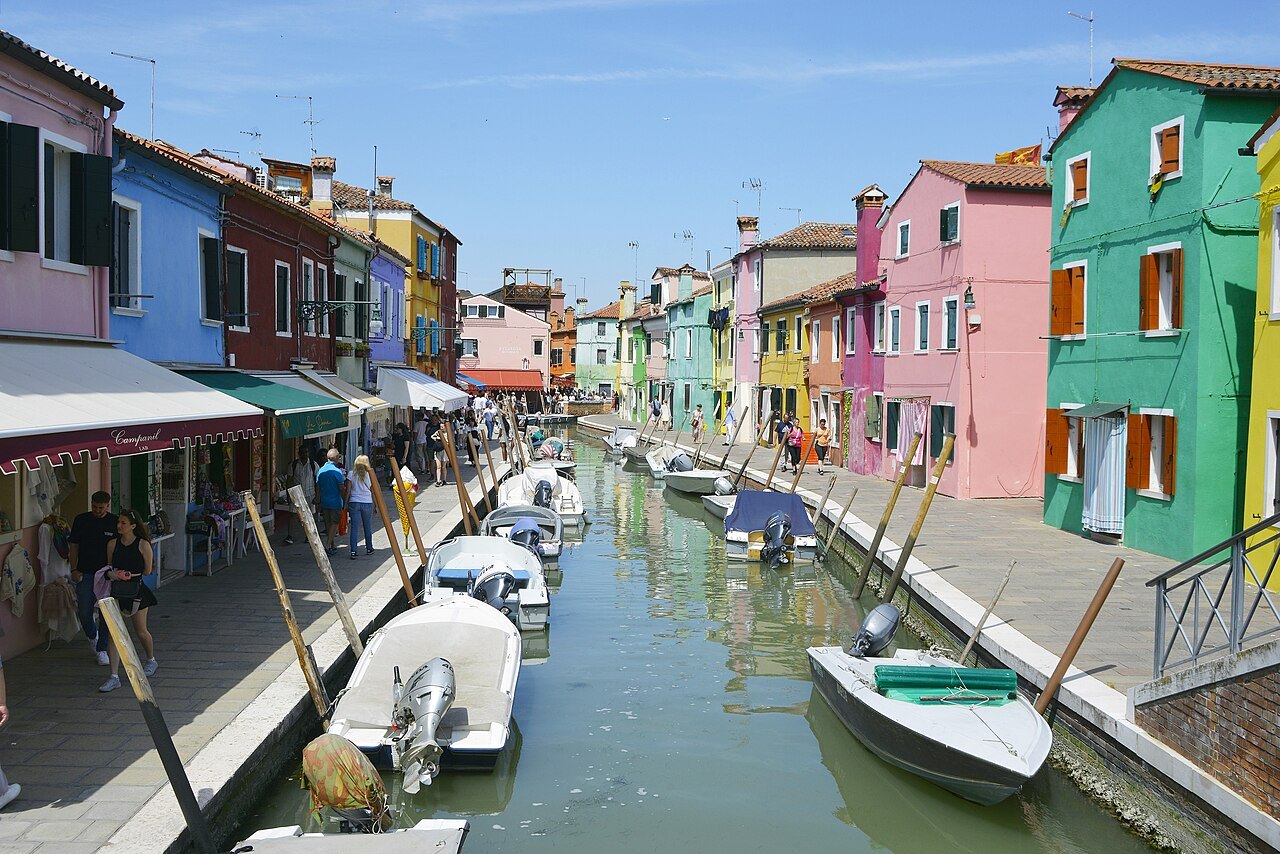
The square and its buildings sit at the heart of a village that is still lived in, not a museum piece: the fondamenta along the canals are people's front steps, and the washing strung across the lanes belongs to someone. Photograph the colored houses and the lace from a respectful distance, not from inside a doorway.
Buying lace, and what to ask
Because true needle lace takes so long to make, it is priced accordingly, and a visitor weighing a purchase should expect a genuine piece to cost far more than a machine-made imitation sold under the same name. The Lace Museum is the place to ask what distinguishes hand-worked lace from the rest, and staff there can explain what to look for.
As with other lagoon crafts, a very low price is a reason to ask questions rather than a bargain, and any shop selling lace should be able to say whether a piece is hand-worked, made by machine, or brought in from elsewhere and sold under Burano's name.
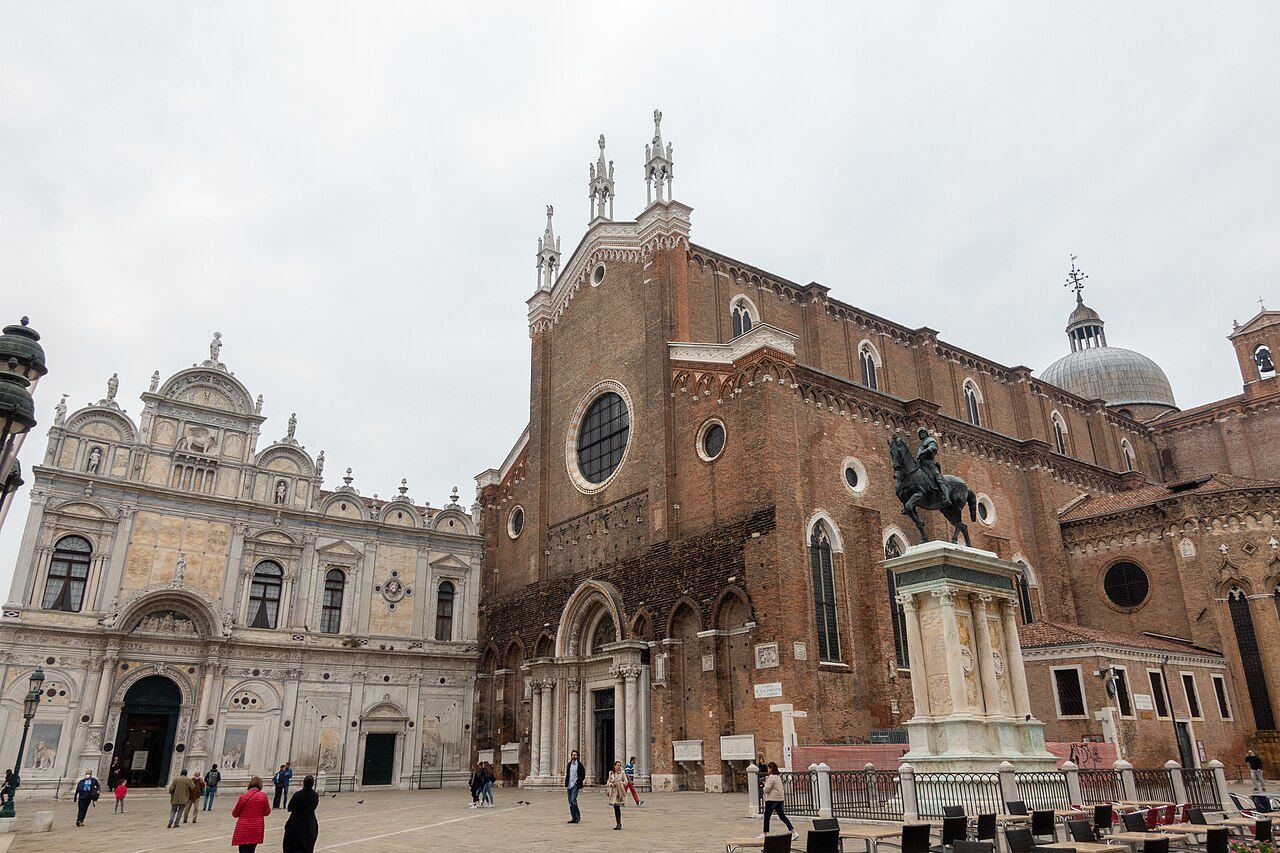
A piece bought as a keepsake is worth buying from somewhere that can explain its origin, rather than expecting bargaining to turn up a genuine needle-lace piece at a fraction of its working time's worth. The craft's cost is set by the hours it takes, not by the size of the cloth.
Getting to Burano and making time for it
Burano is reached on the city's water-bus network. The most direct line runs from Fondamente Nove, on the north shore of Venice, by way of Murano; another comes from San Zaccaria, near Piazza San Marco, by way of the Lido; and a shuttle crosses from Burano to Torcello, with a night service also operating. Check current lines and timetables with ACTV before setting out (see Getting Around).
The crossing from San Marco takes about three quarters of an hour. Allow at least two hours on Burano itself to see the square, the church, the museum and the canals, or combine the island with Murano and Torcello for a full day in the northern lagoon (see Itineraries). Check the times of the last boats back before you set out.
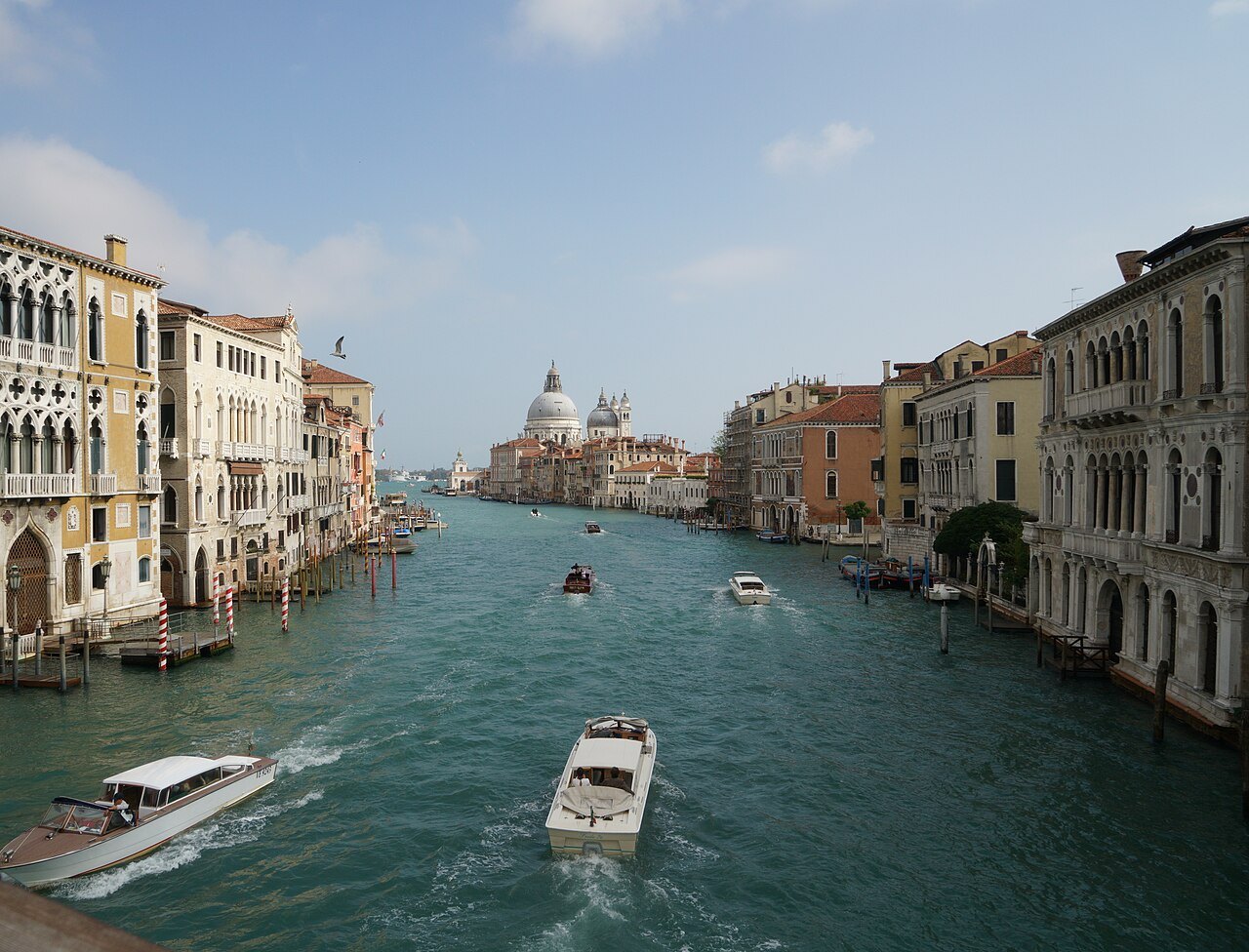
After the lace and the square, cross the footbridge to the quieter island of Mazzorbo for a view back over Burano's colored houses from across the water. Before heading back, order Burano's own dish, risotto di gò, made with the broth of the lagoon's goby fish (see Eating & Drinking).
Read nextIII
More from the journal
- MuranoHow can you tell real Murano glass from an imitation?How to tell genuine Murano glass from imported imitation, and where to look for proof before you buy.Read the piece →
- The LagoonMurano, Burano and Torcello in One Day: Order and TimingsThe three islands of the northern lagoon make one of the best days out of Venice, if you get the boats right. Which order to see them in, which boats to take, how long to allow on each, and why the last boat back decides the whole day.Read the piece →
- The Rialto MarketWhat fish comes from the Venetian lagoon to the Rialto market?Which fish at the Rialto Pescaria actually come from the lagoon itself, and how to spot them among the day's catch.Read the piece →