INSIDE ST MARK'S BASILICAI
What is the Pala d'Oro, and why is it behind the altar?
How the Pala d'Oro's Byzantine enamels came to Venice, and why they stand behind the altar over the saint's relics.
The answer in fullII
Read on
A Golden Screen, Not a Painting
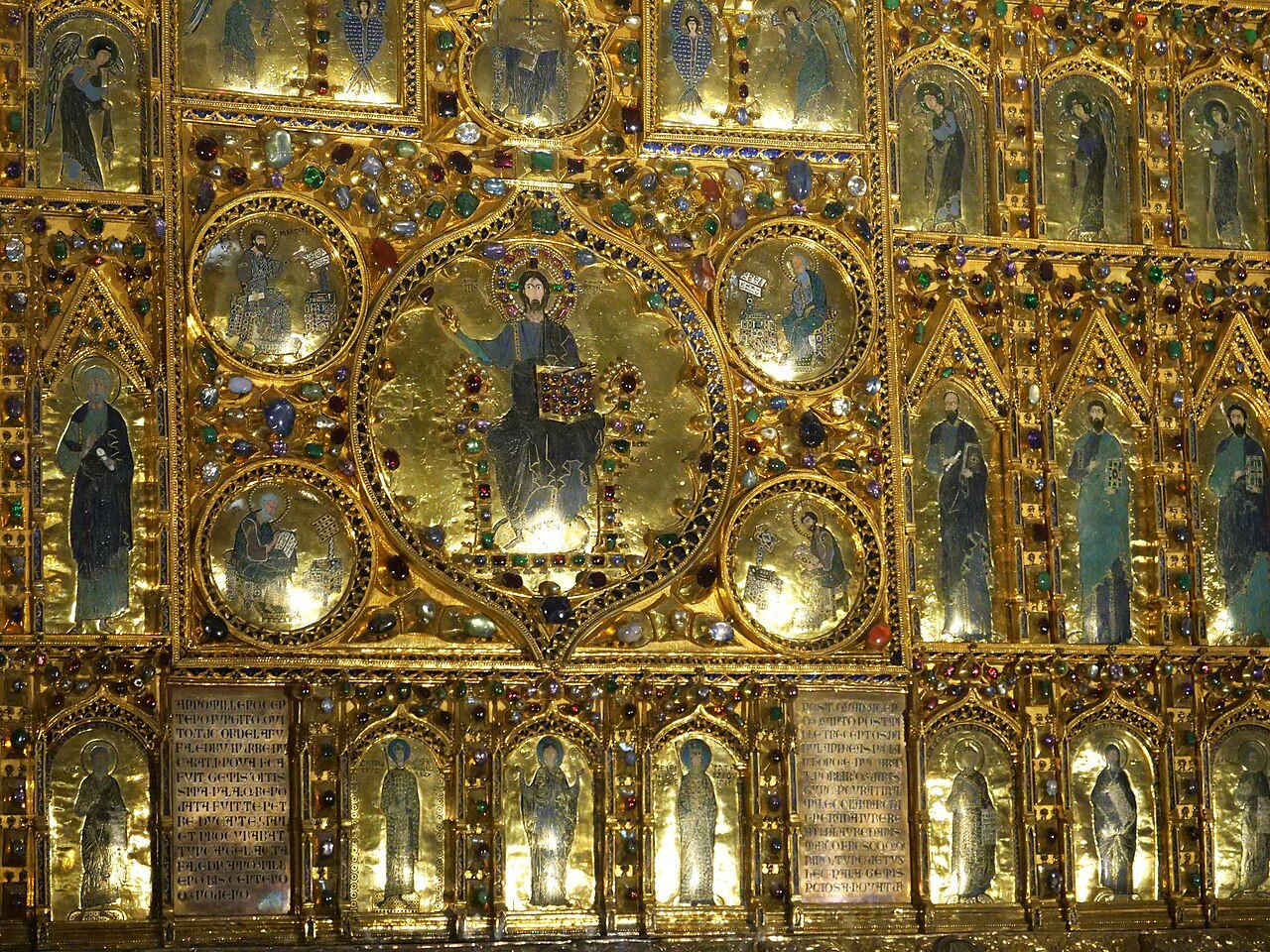
The Pala d'Oro stands behind the high altar of St Mark's Basilica, at the east end of Piazza San Marco. It is not a painting on wood but a screen of gilded silver, its surface set with small panels of Byzantine cloisonné enamel showing Christ, the Evangelists, saints, and scenes from the life of Saint Mark. The images are built up in tiers rather than laid out as one continuous scene, closer to a treasury laid flat than a picture.
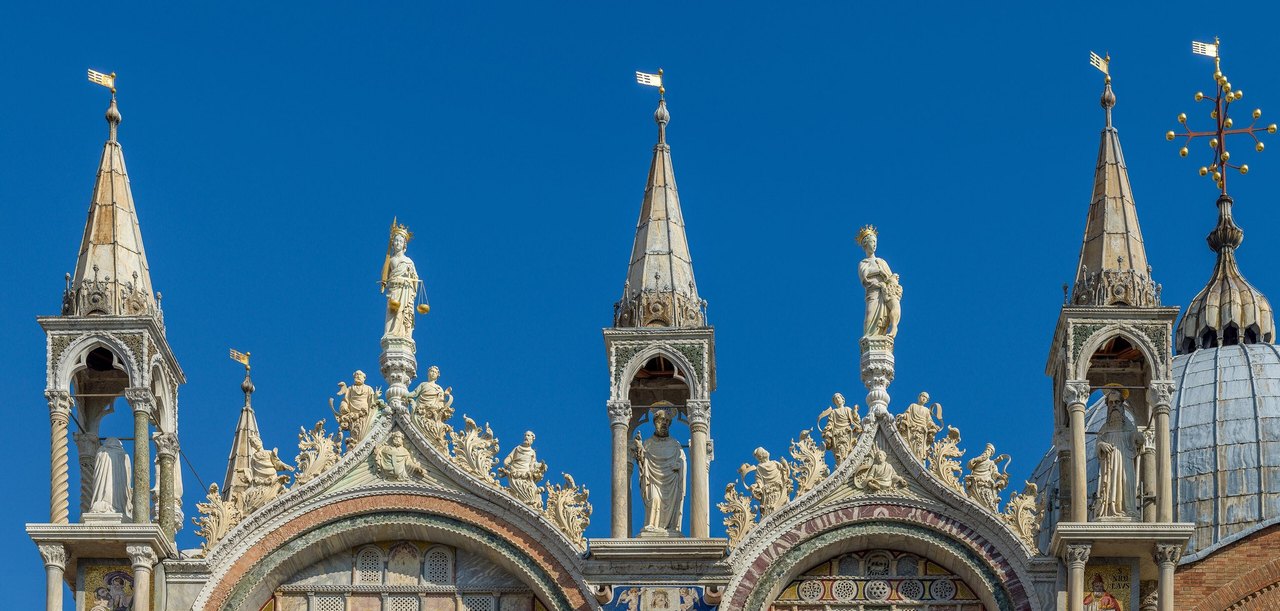
Up close the metalwork and enamel separate into individual figures and inscriptions; from farther back, across the choir, it reads mainly as a glow of gold behind the altar. That distance is normal. The chancel is fenced by a Gothic marble screen of 1394, carved with statues of the Virgin, Saint Mark, and the Twelve Apostles, and most visitors first see the Pala d'Oro through that screen rather than standing beside it.
The basilica treats it as a separate feature from the church itself. Its official site divides a visit into parts, church, Pala d'Oro, museum, and Campanile, each with its own entry, which reflects how differently the two are managed rather than any judgment about which matters more to a visitor.
Ordered from Constantinople
The altarpiece was ordered from Constantinople in 1102 and installed on the high altar in 1105. At that date St Mark's was not yet Venice's cathedral; it was the doge's own chapel, built beside his residence and kept under his authority until the fall of the Republic in 1797, and the Pala d'Oro was made for that state church rather than for any bishop.
Its material, enamel fused onto gilded silver, was a Byzantine specialty rather than a Venetian one, and its commission from Constantinople places it among the many links between Venice and the Byzantine world that shaped the basilica generally, alongside the Greek-cross plan borrowed from the Church of the Holy Apostles in Constantinople and the gold-ground mosaics covering the domes and vaults above the chancel.
Unlike much of what surrounds it in the church, the Pala d'Oro was not seized in war. It was commissioned from Byzantine workshops and paid for, arriving in Venice roughly a century before the Fourth Crusade of 1204 brought columns, reliefs, and sculpture west as plunder rather than purchase, a distinction worth holding onto while standing inside a church built largely from spoils of that campaign.
Why It Stands Behind the Altar
An altarpiece placed behind the high altar is a standard arrangement in a church of this age and rank; what makes St Mark's version notable is what stands in front of it rather than the altarpiece itself. The high altar has held Saint Mark's relics since 1835, so the Pala d'Oro effectively marks the space directly above and behind the body that gave the basilica its reason for existing in the first place.
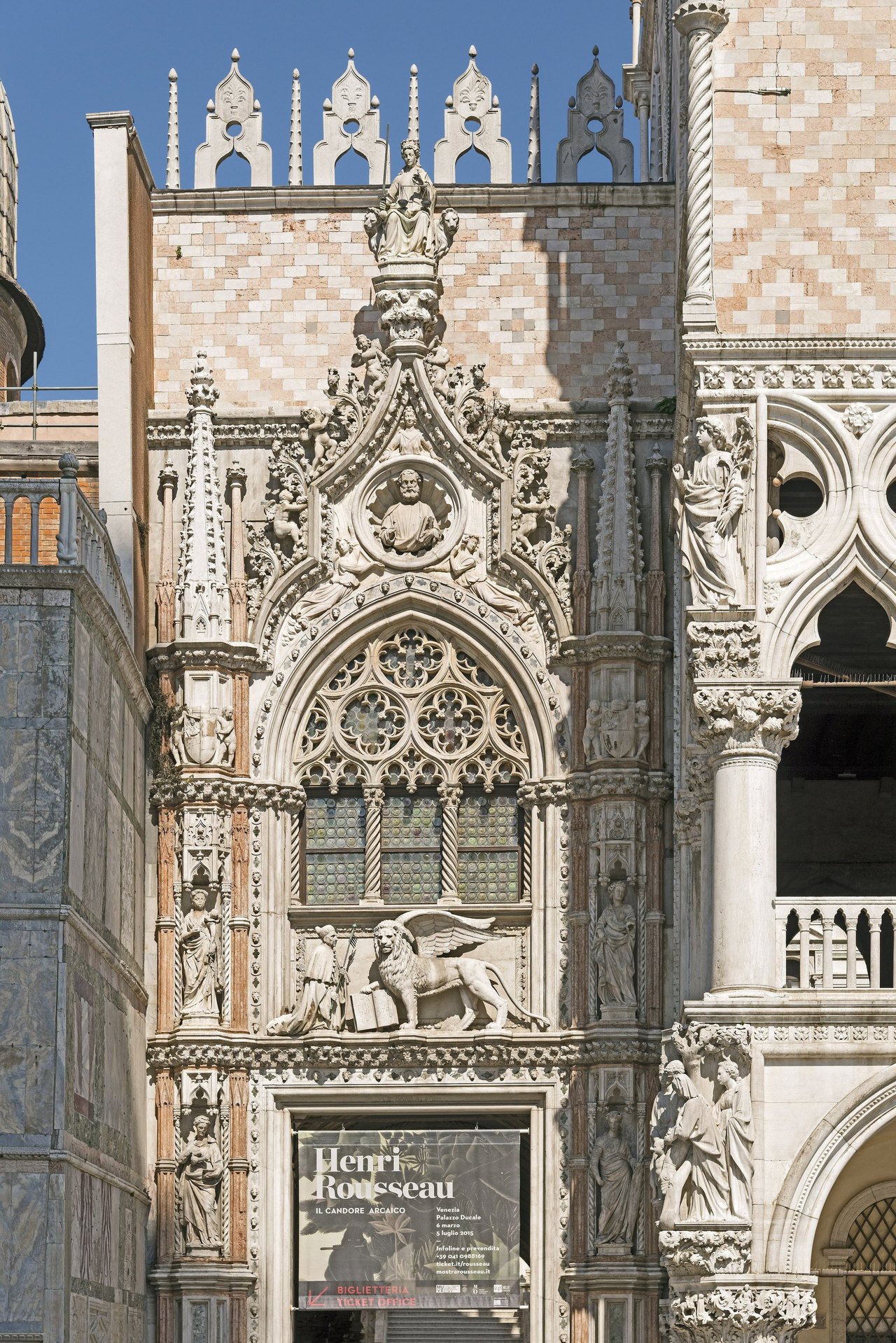
That reason goes back to 828 or 829, when, according to Venetian chronicles, two merchants took the relics of Saint Mark from Alexandria in Egypt and brought them home. The city built a church for the relics beside the doge's fortified residence, made Mark its patron, and took his winged lion as its emblem; the present building, the third on the site, was begun probably in 1063.
Placed there, the altarpiece functions less as decoration than as a marker of sacred ground: gold behind gold, relics behind marble behind enamel. It sits inside a chancel already fenced off by the fourteenth-century marble screen, carved with the Virgin, Saint Mark, and the Twelve Apostles, so a visitor approaching the altar passes through two distinct layers before reaching it, each added in a different century for a different reason.
What to Look For
The light inside St Mark's is low throughout; many of the original windows were walled up over the centuries to make room for more mosaic, and the areas under the galleries in particular sit in shadow until the lamps are lit. The Pala d'Oro is lit separately from the nave and reads best when a visitor takes time to move along its length rather than searching for one central image, since none of its tiers is meant to stand alone.
Because it was assembled and remounted across different periods, its enamels vary in style and condition from panel to panel, and the frame surrounding them is not itself part of the original Constantinople commission. A guidebook cannot state exactly which sections date to which century without current signage in hand, so it is worth reading the labels the basilica itself provides beside the altarpiece.
Photography rules, chancel access, and the exact viewing arrangement for the Pala d'Oro can change with the church's liturgical calendar, since St Mark's remains a working church and services close parts of it. The basilica's own site, not a guidebook, is the place to check current arrangements and any restriction before a visit.
How to Visit
Allow about an hour for the church and the Pala d'Oro together, and a further hour if a visitor also wants the museum and the Loggia dei Cavalli, the balcony over the main portal where the original bronze horses now stand rather than the copies visible from the square. Lines form across Piazza San Marco on busy days, and the basilica sells advance entries through its own official site.
That official site is also the only reliable place to check hours for the day of a visit, since the church is a working one and closes parts of itself around services without notice appearing elsewhere. See booking ahead for how the basilica organizes ticketing across its separate entries for the church, the Pala d'Oro, and the museum.
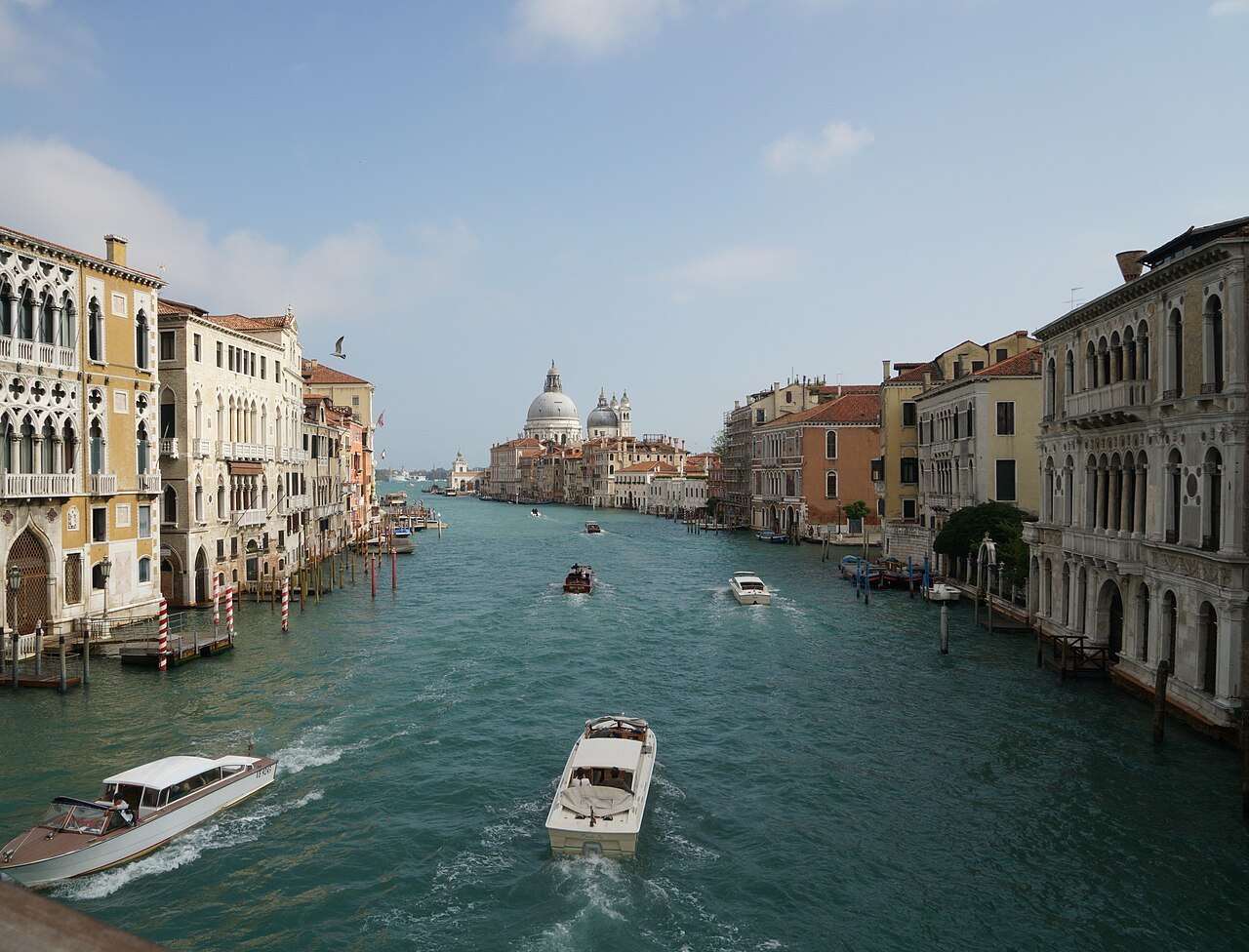
St Mark's sits beside the Doge's Palace and opens onto Piazza San Marco; together the three make up the political and religious center of the old Republic and can occupy most of a morning. Visitors short on time should decide in advance whether the Pala d'Oro, rather than the museum or Campanile, is the priority entry to book.
Myths and Honest Notes
It is easy to assume everything glittering inside St Mark's arrived the same way, as loot from the sack of Constantinople in 1204. Much did: the bronze horses, the porphyry Tetrarchs set into the south facade, many columns and carved panels. The Pala d'Oro did not; it was ordered and paid for a full century before that campaign reached the city.
Napoleon had the horses taken down and shipped to Paris after conquering Venice in 1797; they were restored to the basilica on 13 December 1815. No comparable story attaches to the Pala d'Oro in the record behind this page, and a visitor should not assume one without checking the basilica's own account of the object.
Saint Mark's body itself is contested. Venice's claim rests on the theft from Alexandria described above, and in 1968 a portion of the relics was returned to the Coptic Church of Alexandria, where it rejoined the saint's head. The altarpiece and the altar in front of it stand over what remains in Venice today.
Read nextIII
More from the journal
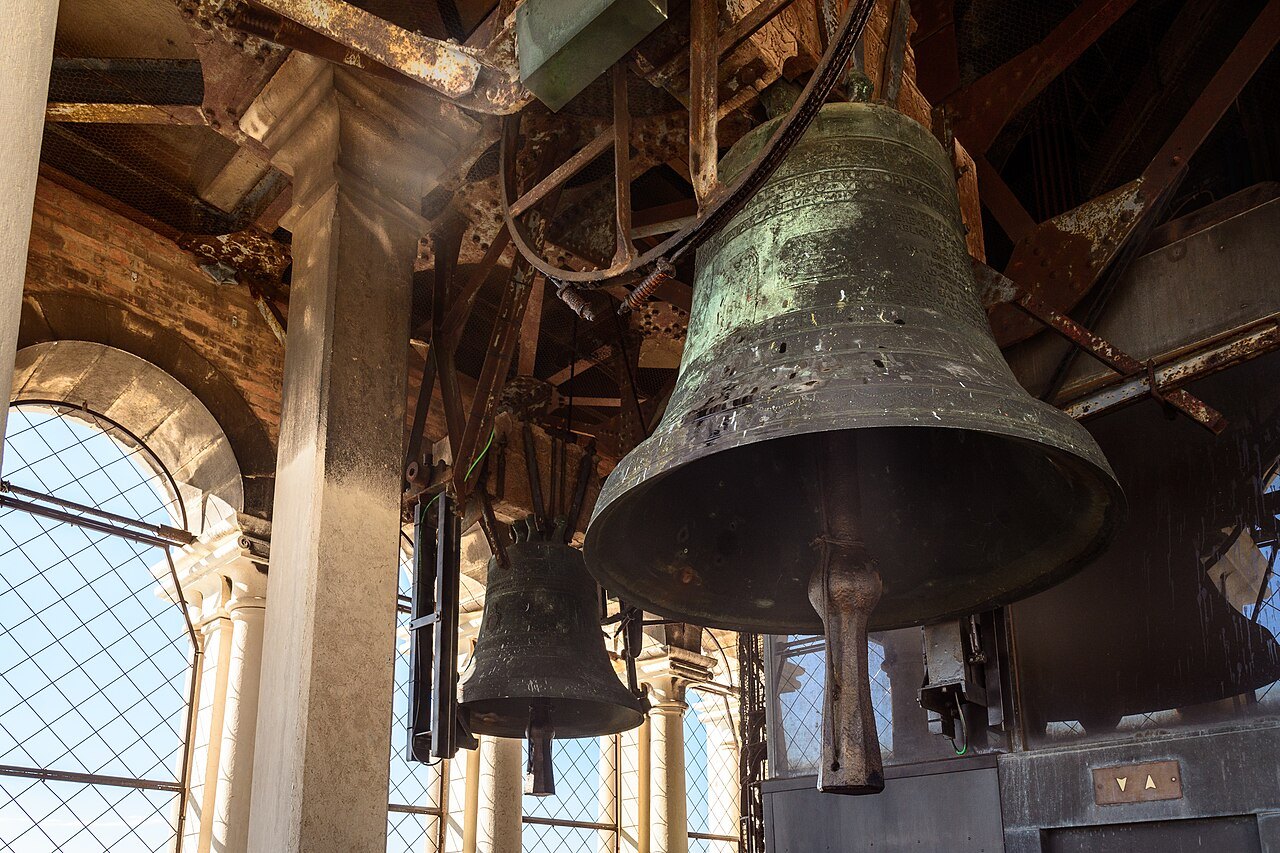
- St Mark's BasilicaHow were the gold mosaics of St Mark's Basilica made?How glass, gold leaf, and eight centuries of retouching created the golden interior of St Mark's Basilica.Read the piece →
- St Mark's BasilicaHow do you visit St Mark's Basilica?St Mark's is a working church with four separate visits, a line that crosses the Piazza on busy days, and a golden interior that rewards knowing where to look. How the visit is divided, how to book, when to go, and a route through the church, the Pala d'Oro and the loggia of the horses.Read the piece →
- Booking AheadThe Venice Access Fee: Who Pays, Who Registers, and WhenOn its busiest days, Venice charges day visitors a fee to enter the historic center, and asks nearly everyone else to register an exemption. How the fee works, who pays, who is exempt, who must still register, where it applies, and how to check the rules for your dates.Read the piece →