A VOTIVE CHURCH FOR A PLAGUEI
Why did Venice build the Salute after the plague of 1630?
How a Senate vow after the plague of 1630 gave Venice its great domed church on the Grand Canal.
The answer in fullII
Read on
Why it matters
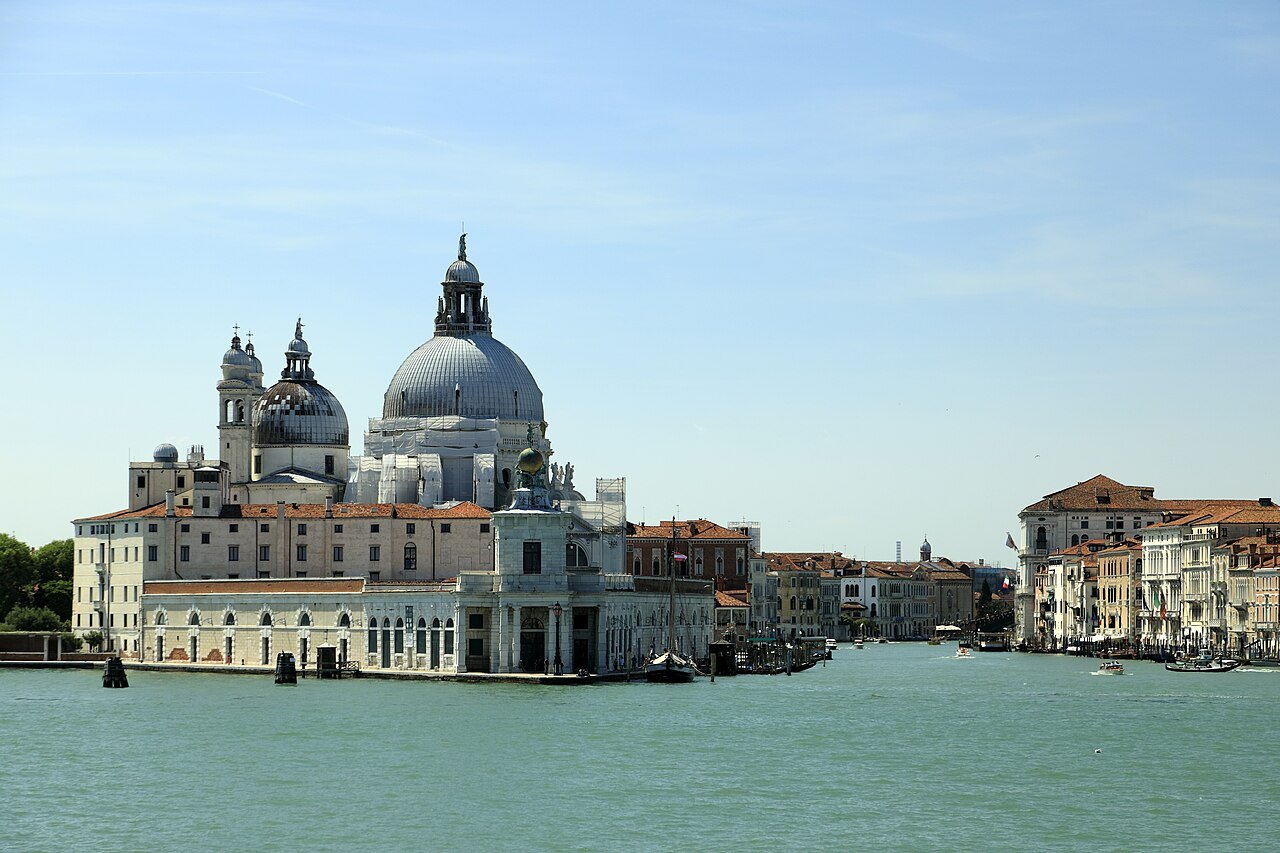
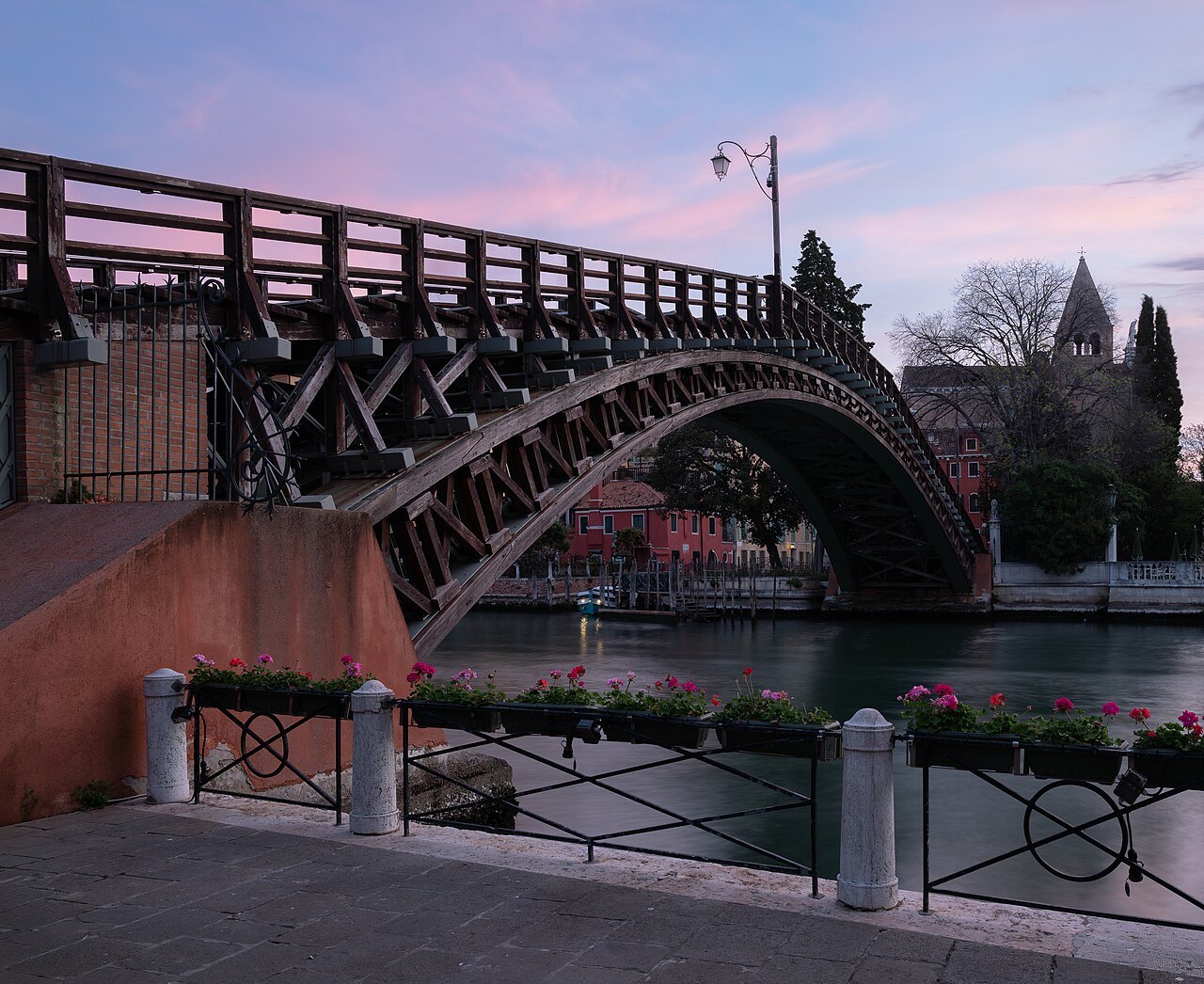
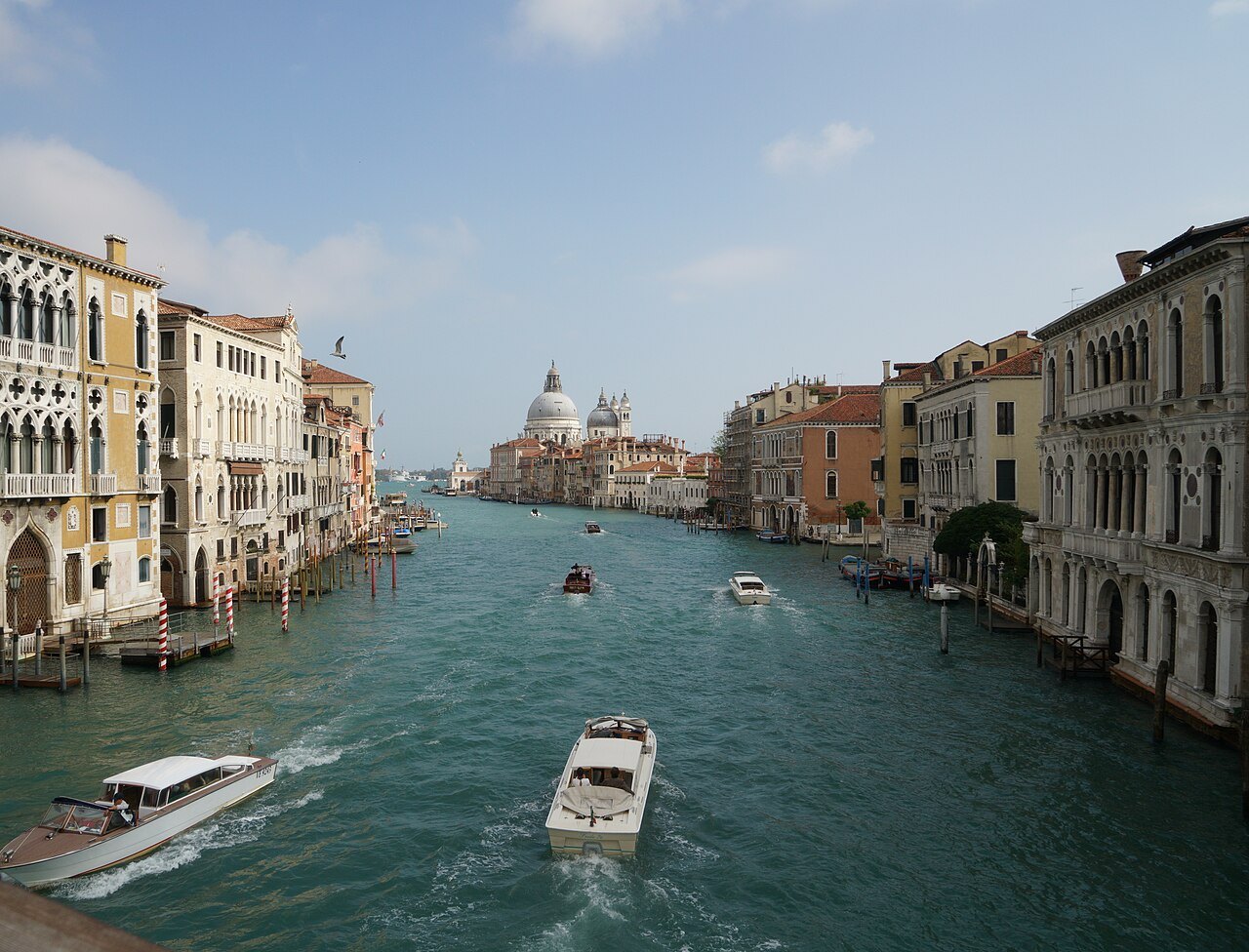
Santa Maria della Salute, Saint Mary of Health, known simply as the Salute, stands on the narrow point of Dorsoduro between the Grand Canal and the Giudecca Canal, facing the basin of San Marco. It is the most recent of the city's plague churches and one of its emblems, its dome closing every view down the Grand Canal from the Accademia and greeting visitors arriving from the Piazzetta.
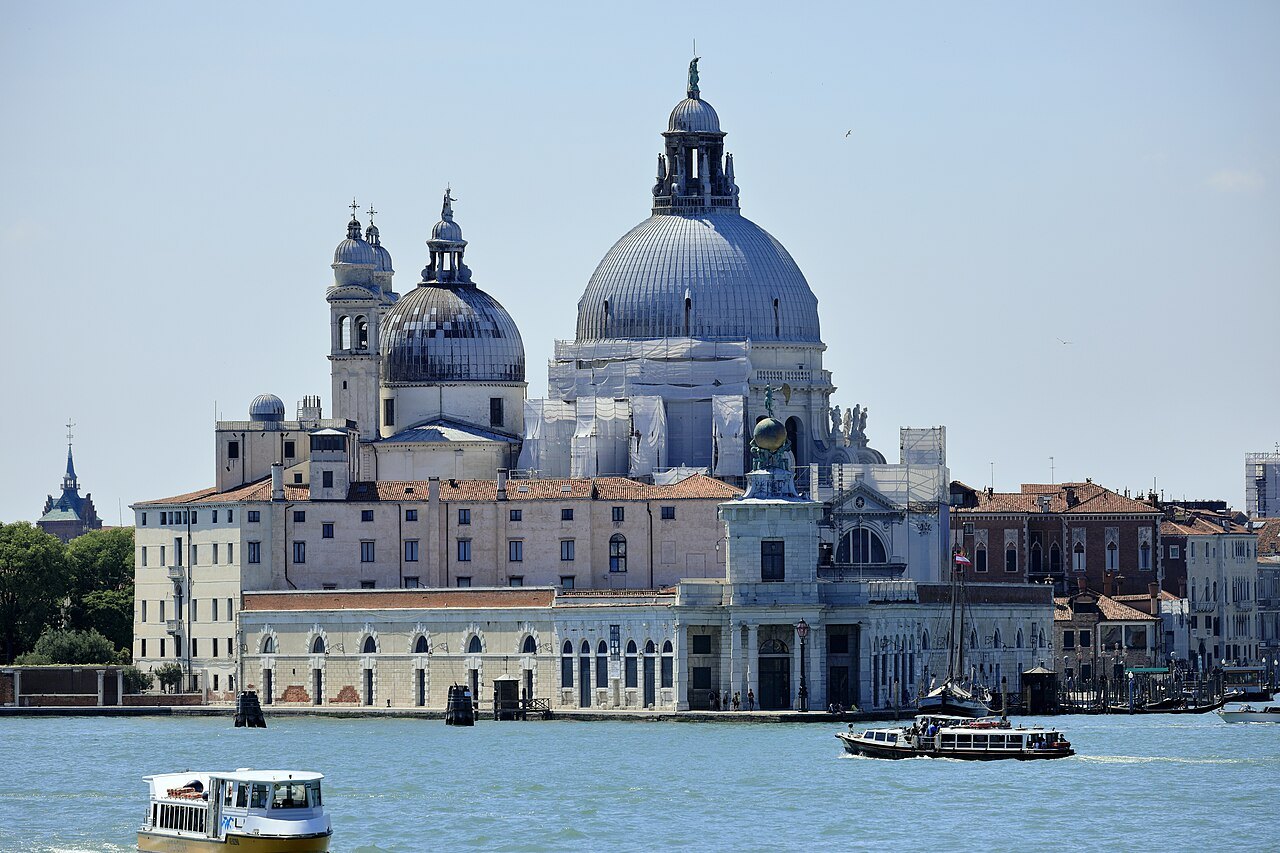
Its dome changed the Venetian skyline and quickly became a symbol of the city, painted by Canaletto and Guardi, by Turner and Sargent, and by generations of visitors since, who still stop at the water's edge simply to look at it across the wide basin of San Marco, its white stone catching the light at almost every hour.
The church survives as a public record of a private vow: the Republic built it after the plague of 1630 to 1631 in return for the city's survival, and Venetians still keep that vow each autumn, crossing to the church on foot over a bridge built for a single day (see when to come).
A vow against the plague
In the summer of 1630 plague struck Venice. By 1631 it had killed nearly a third of the population: forty-six thousand people in the city itself and some ninety-four thousand across the whole lagoon. The dead were buried in haste, and no appeal to heaven or to medicine had yet slowed the disease.
Processions, displays of the sacrament and prayers at the churches of San Rocco and San Lorenzo Giustiniani failed to stop it. On 22 October 1630 the Senate decreed that a new church be built, as Palladio's Redentore on the Giudecca had followed the plague of the 1570s, dedicated not to a plague saint but to the Virgin, long held to be the Republic's protector, with an annual visit promised in return.
Eight sites were considered before the Senate settled on this point of Dorsoduro, chosen partly because it could be reached in procession from Piazza San Marco, and partly because it completed an arc with San Giorgio, San Marco and the Redentore. Beside the Dogana da Mar, the customs house that stood for Venice's trade, the new church would stand for its piety; the patriarch's buildings here were cleared and demolition began by 1631.
Longhena's crown
A competition drew eleven designs, and most of the architects proposed a conventional long church in the manner of Palladio. The winner, approved by the Senate by sixty-six votes to twenty-nine, was Baldassarre Longhena, then only twenty-six years old, whose design broke sharply with every rival entry submitted to the judges that year.
Longhena described his design as a church in the form of a rotunda, a work of new invention never before built in Venice, shaped like a crown for the Virgin to whom it was dedicated. In a later memorandum he boasted that nothing like it had ever been built in the city, and dismissed his rival as poor in invention.
The finished church was handed to the Somascan Fathers, an order founded by the Venetian nobleman Jerome Emiliani, to run, and its design was soon copied abroad, from the shrine at Gostyń in Poland to the Rotunda of Xewkija on Gozo, both built in direct imitation of Longhena's great octagon.
The church took the rest of Longhena's life to complete: finished in 1681, the year before he died. It stands on a platform of about a million wooden piles, built of Istrian stone and marmorino, brick finished with marble dust, its drum ringed by scroll-shaped buttresses carrying statues and its portal crowded with the Evangelists, the prophets, Judith with the head of Holofernes, and, at the summit, the Virgin herself.
What you see inside
Inside, the church is a single octagonal space, its architecture picked out in contrasting stone, ringed by radiating chapels, with a line of saints standing on a balustrade above and the great dome overhead. The whole building is full of Marian symbolism: the dome reads as the Virgin's crown and the eight sides as the points of her star.
Three altars to the right of the entrance carry scenes from the life of the Virgin by Luca Giordano, and on the third altar to the left is Titian's Pentecost. Both sets of paintings reward slow looking, set as they are against the stone of Longhena's radiating chapels, each catching light differently through the day.
At the high altar, designed by Longhena, stands a Byzantine icon of the Madonna and Child from the twelfth or thirteenth century, brought from Candia in Crete in 1669. Beneath it is Josse de Corte's sculpted group of the Queen of Heaven expelling the Plague, carved in 1670, set directly beneath the icon it honors.
The great sacristy
Behind the high altar lies the great sacristy, in effect the church's picture gallery, with its own separate entrance. Titian is the artist most represented here: his altarpiece of Saint Mark enthroned among the saints Cosmas, Damian, Sebastian and Roch hangs above the three ceiling canvases of Cain and Abel, Abraham and Isaac, and David and Goliath.
The same room holds his tondi of the four Evangelists and of the Doctors of the Church, so that the sacristy amounts to a small Titian museum within the larger building. On the wall hangs Tintoretto's Marriage at Cana, painted in 1561, in which the artist included his own self-portrait among the guests.
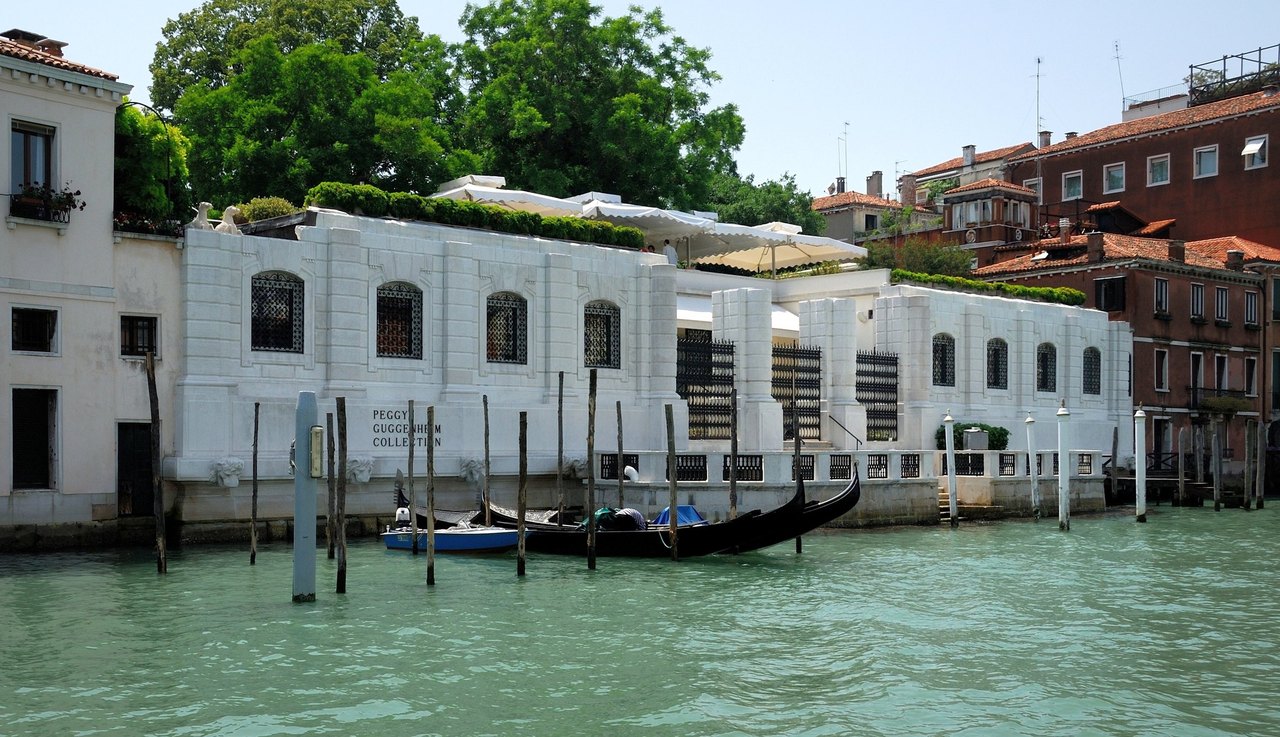
Because the sacristy has its own entry and admission separate from the main church, check the current arrangements with the church or with Venice's official museum listings before planning a visit, particularly if combining it with other sights nearby such as the Accademia or the Peggy Guggenheim Collection, both close by on foot.
How to visit
Services close the church to visitors at times, so check both the church's hours and the sacristy's before setting out; the two are not always the same. Allow about half an hour for the church and as long again for the sacristy, particularly if its paintings are the reason for the visit.
The nearest water-bus landing is Salute, on Line 1 of the vaporetto; for routes, tickets and lines see getting around. On foot the church is a short walk east from the Accademia and the Peggy Guggenheim Collection, making it easy to combine the three in one easy outing across Dorsoduro.
Walk on past the church to the tip of the point, the Punta della Dogana, where the old customs house ends in a tower crowned by a figure of Fortune. From here the whole basin opens at once: the Doge's Palace, the Campanile, San Giorgio Maggiore and the Giudecca all in a single sweep of water.
The feast of the Salute
Every year on 21 November, the Festa della Madonna della Salute, the city keeps the Senate's vow of 1630. A pontoon bridge is built across the Grand Canal so that Venetians can walk over it from San Marco to the church, just as the Senate once did in solemn procession.
The day is kept to give thanks for the end of the plague, and it remains one of the great fixed points of the Venetian calendar, drawing residents and visitors alike across the water on foot for a single afternoon each year, whatever the weather brings to the wide lagoon.
For visitors, the feast is the most Venetian way to see the church, and it is worth checking the exact date and any special arrangements for that day with the city's official listings before planning a visit, since the pontoon bridge changes the usual approach to Salute for the occasion.
Read nextIII
More from the journal
- The Grand CanalHow are the palaces of the Grand Canal kept standing on wooden piles?How wooden piles, Istrian stone, and brick keep the Grand Canal's palaces standing above the lagoon mud.Read the piece →
- Scuola Grande di San RoccoHow did Tintoretto win the commission for the Scuola Grande di San Rocco?The traditional story behind Tintoretto's commission at San Rocco, and how to see the rooms he spent twenty years filling.Read the piece →
- The FrariWhat makes Titian's Assumption in the Frari so famous?Why Titian's Assumption still commands the Frari's high altar, and how to see it properly on a visit.Read the piece →