Every plan here starts from the constraints rather than a list of sights, because in Venice the
constraints are what break a day: only four bridges over the Grand Canal, a last boat back from the
islands, churches shut over lunch and on Sunday morning, the market closed on Sunday and Monday, and
a tide that can put water across St Mark's Square for two hours.
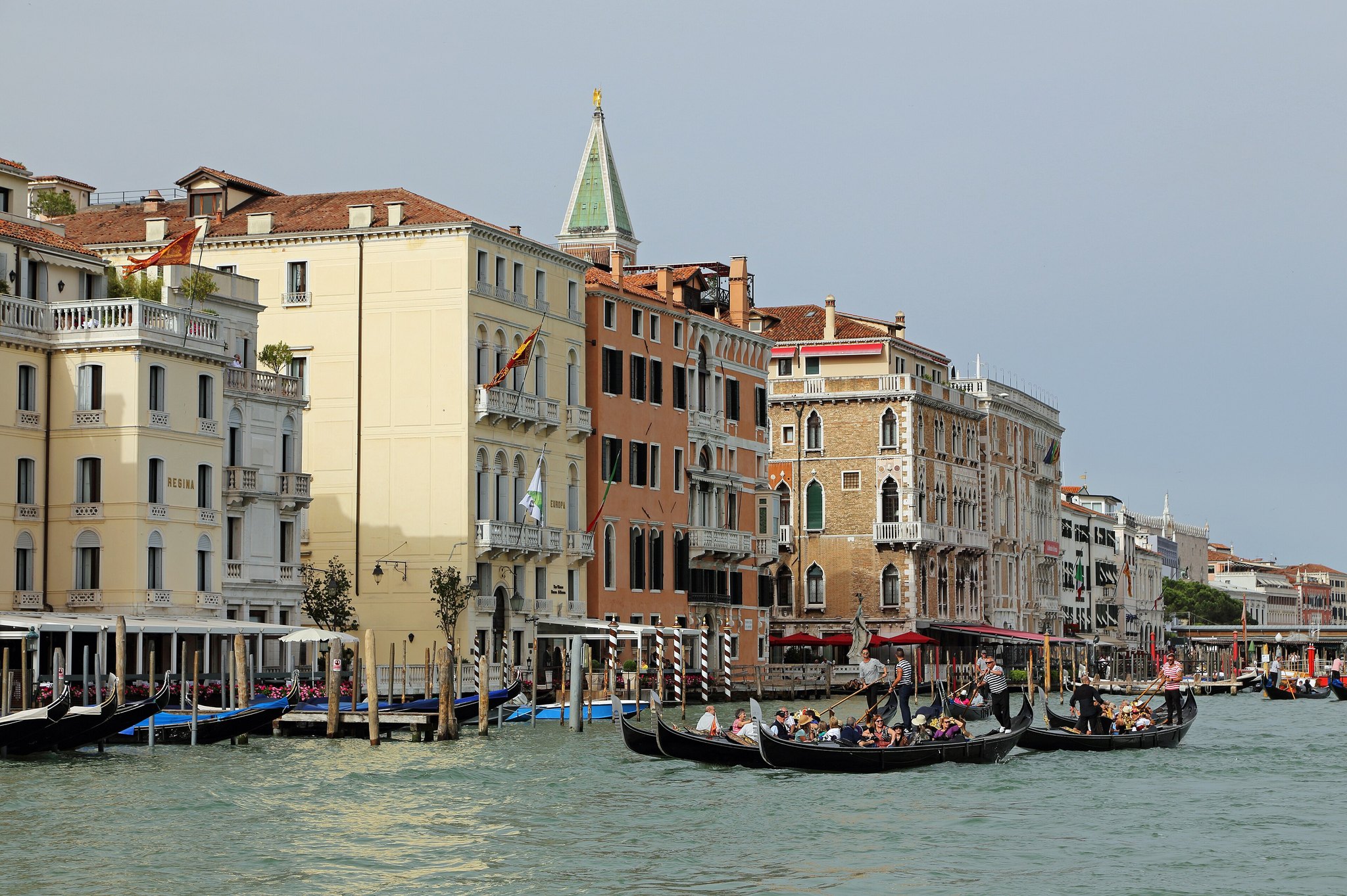
The rules behind all of themPhotograph by This Photo was taken by Wolfgang Moroder . Feel free to use my photos, but pleas, Wikimedia Commons, CC BY-SA 3.0
One side of the Grand Canal per half-day. Crossing costs more time than the map
suggests, so group San Marco and Castello together, and the Accademia, the Guggenheim and the Salute
together, rather than zig-zagging.
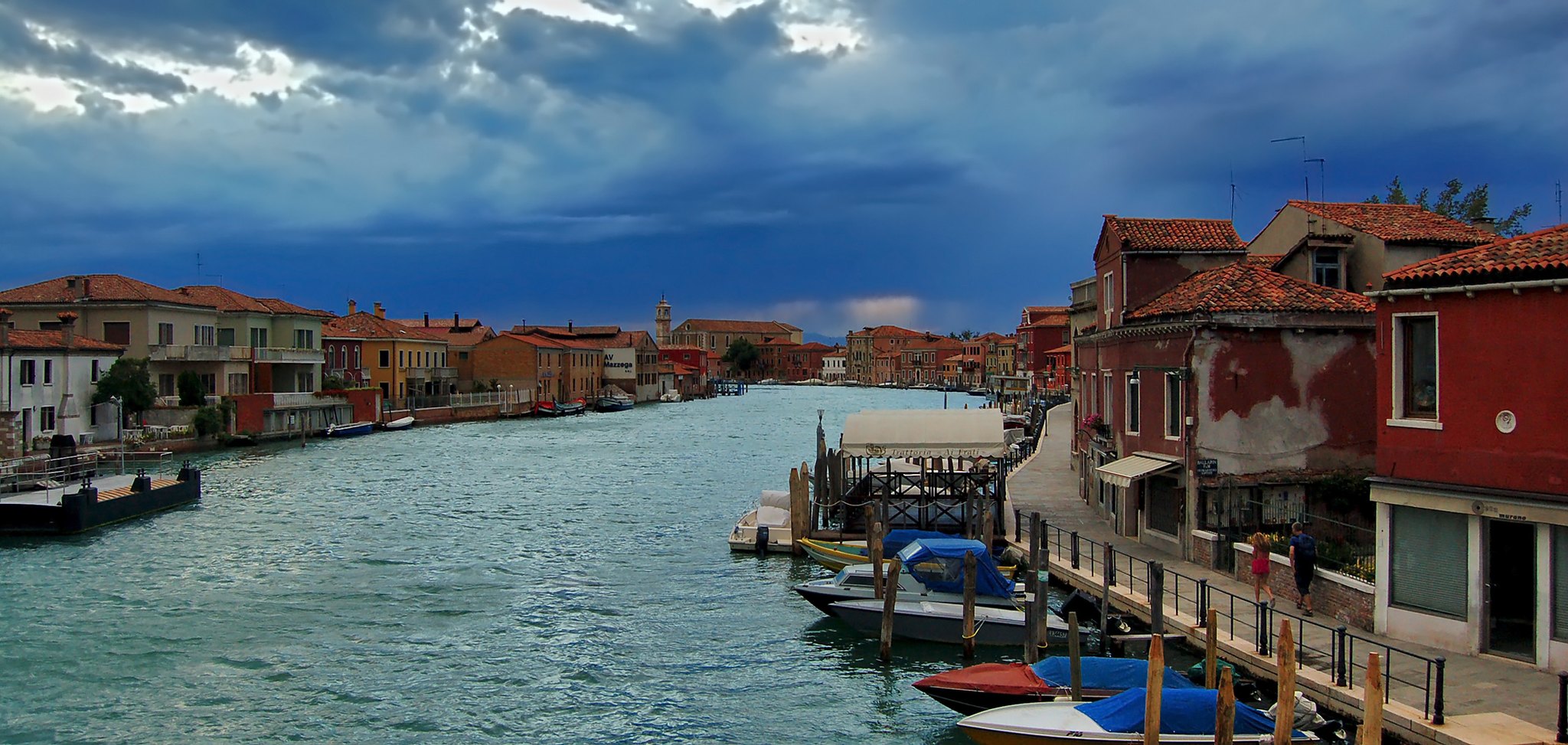
The islands are a whole day, not an afternoon. Murano alone is a half-day;
Murano, Burano and Torcello together is a full one and you will be on a boat for three hours of it.
Do the famous things early or late. Between ten and four the route between the
station, Rialto and San Marco is a single slow-moving queue, and everything else in the city is
empty.
What to drop first
The Campanile queue, and any gondola booked in the middle of the day on the Grand Canal. The
first costs an hour for fifteen minutes; the second costs the tariff for a ride through boat
traffic. A back-canal gondola at dusk, or the traghetto for two euros, are both better.
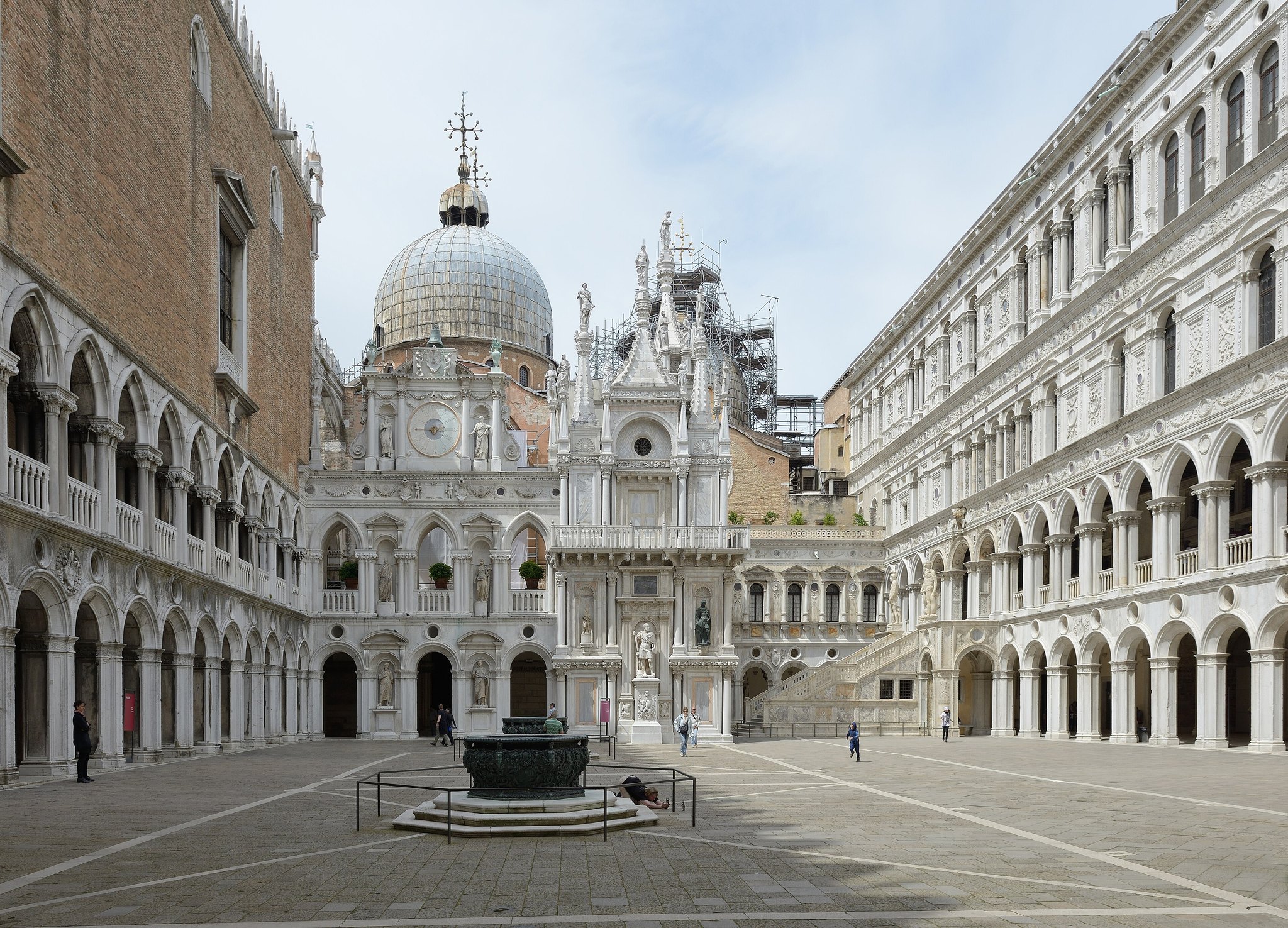
Photograph by This Photo was taken by Wolfgang Moroder . Feel free to use my photos, but pleas, Wikimedia Commons, CC BY-SA 3.0
This section is being written. The guide above is the section for now. New articles are published across the site about twice a week rather than a section being filled in a day, so this page grows steadily — it is worth looking in again. In the meantime the sixteen sight pages and the plans by trip length are finished, and they are the best place to start.
Coming next in this section
A rainy day in Venice
Venice on a cruise-ship day: what fits between the tenders