Venice is not a city that happens to be on water. It is a city that exists because of
the water: a shallow lagoon 50 km long, mostly under a metre deep, defended by sandbars and
navigable only along channels marked by the bricole — the striped oak posts driven into
the mud. Off the posts, a boat grounds. That is what kept the Republic safe for a thousand years.
The three islands worth the tripPhotograph by Mustang Joe, Wikimedia Commons, CC0
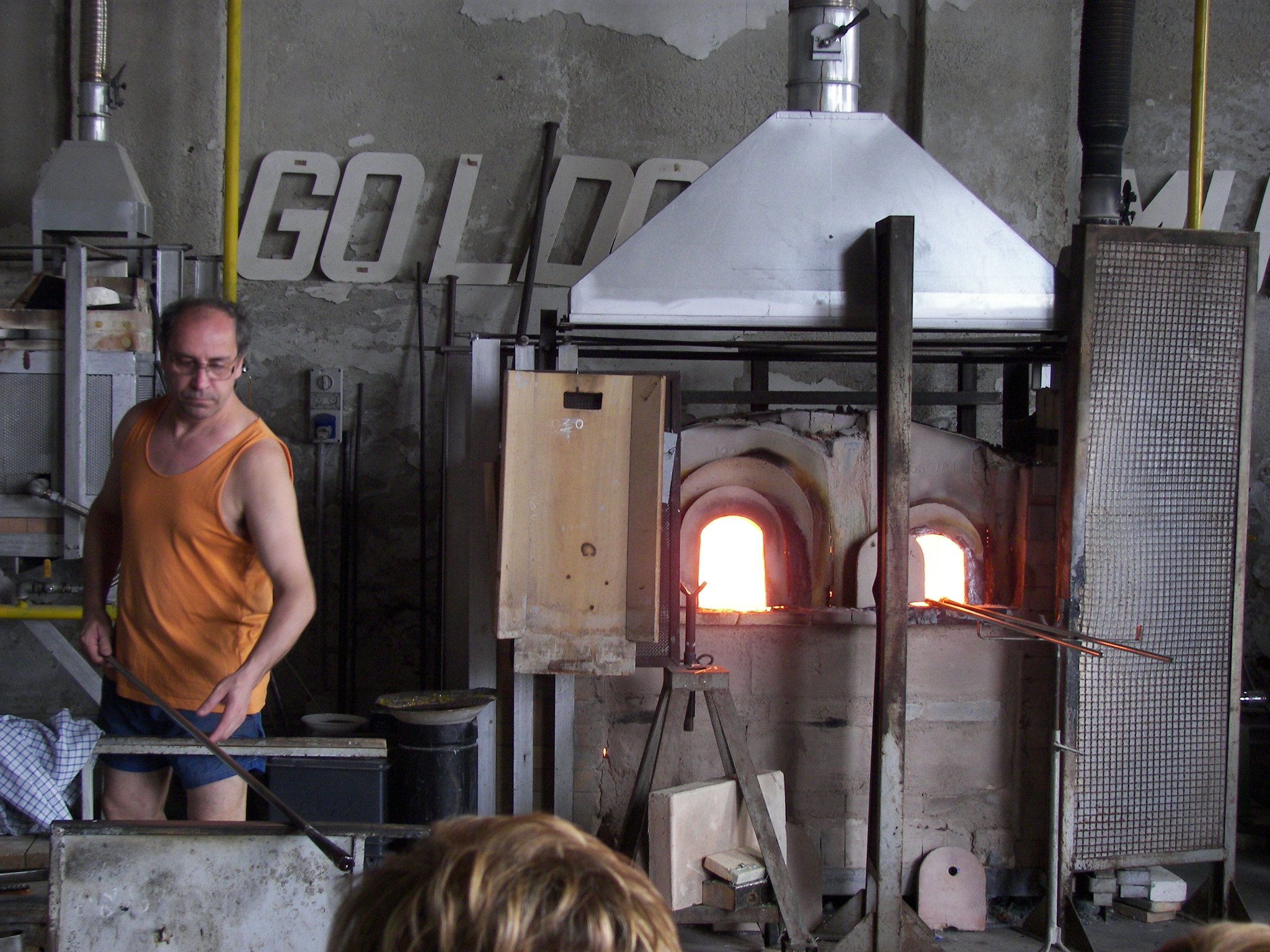
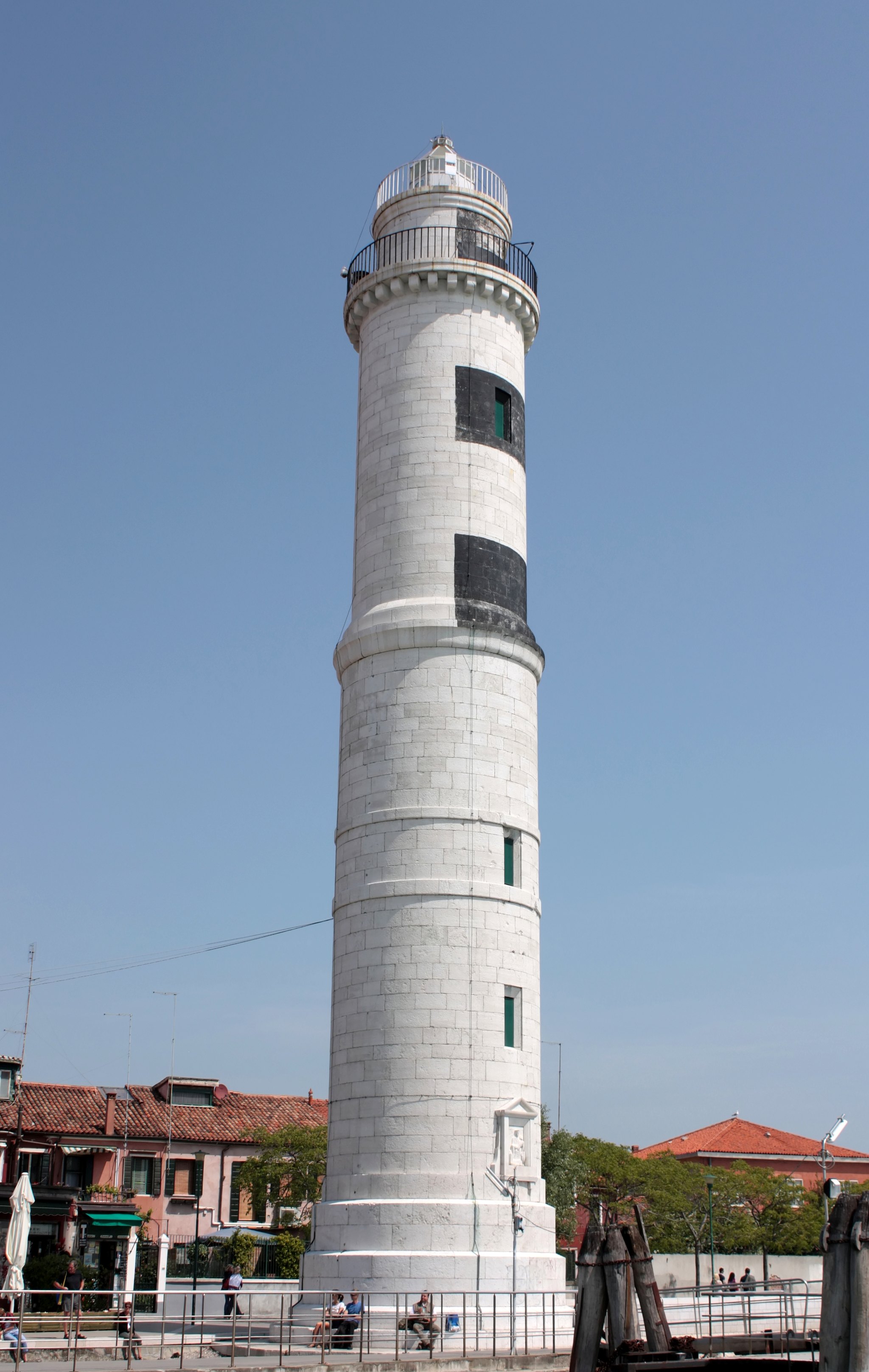
Murano for glass, ten minutes out, and the only one that works as a half-day.
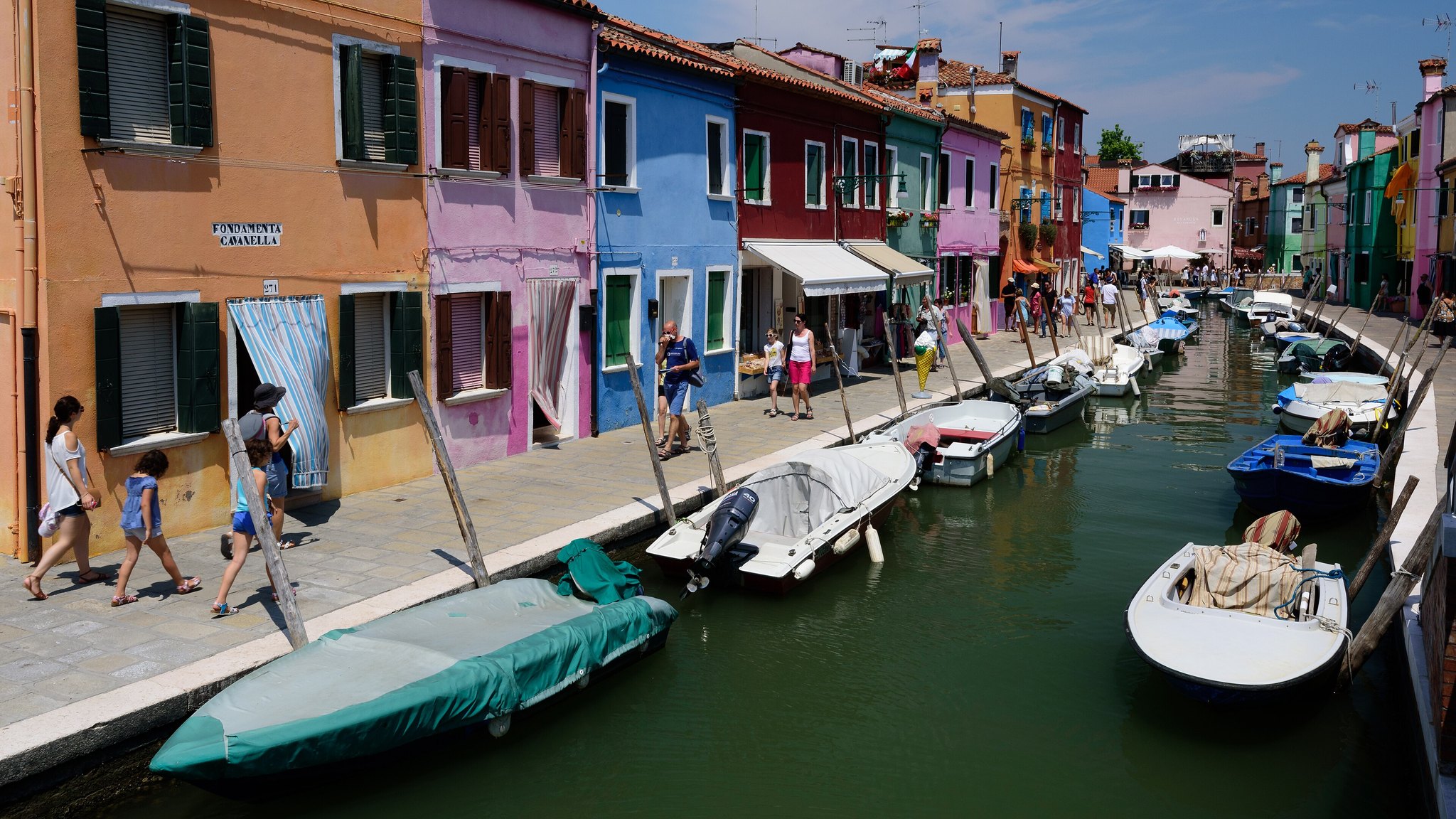
Burano for the painted houses, forty-five minutes out, and busier than it looks in
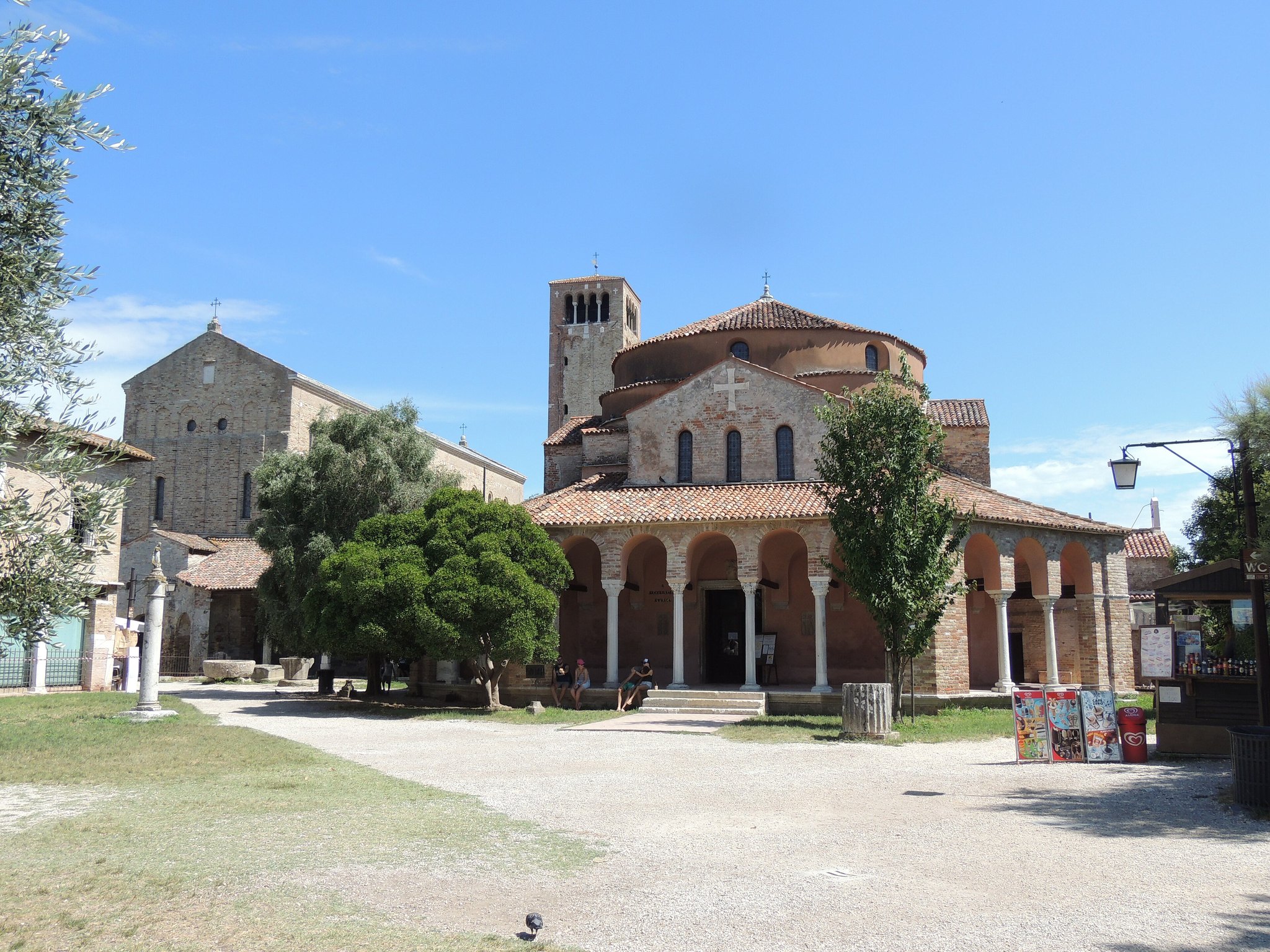
photographs. Torcello for a nearly empty island with one of the great Byzantine
interiors in it, five minutes beyond Burano.
They are on the same line and the sensible order is Murano, Burano, Torcello, in that direction,
which is how the timetable is built.
This is the practical thing that matters most. The service to the outer islands thins
considerably in the evening and much more out of season, and there is no other way back. Check the
last departure before you sit down to dinner on Burano, not after.
The Lido, which is different
A proper barrier island with roads, cars, buses and a beach — and therefore not like the rest of
Venice at all. It is where the film festival happens and where Venetians go to swim.
What a day pass is worth here
Two return trips to the outer islands cost more than a day travel card, so if the islands are in
your plan the card has already paid for itself before you have used it in the city.
This section is being written. The guide above is the section for now. New articles are published across the site about twice a week rather than a section being filled in a day, so this page grows steadily — it is worth looking in again. In the meantime the sixteen sight pages and the plans by trip length are finished, and they are the best place to start.
Coming next in this section
Murano, Burano and Torcello in one day — the order and the timings

.jpg)