Venice is divided into six sestieri — sixths — and this matters practically, because
addresses are numbered by sestiere, not by street. "Cannaregio 2543" is a real
address and tells you nothing about which street it is on; the numbers run in a long sequence
through the whole district and neighbours can be hundreds apart.
⚠️ Always get the nearest campo or church name as well as the number. Every local does.
The sixPhotograph by Didier Descouens, Wikimedia Commons, CC BY-SA 4.0
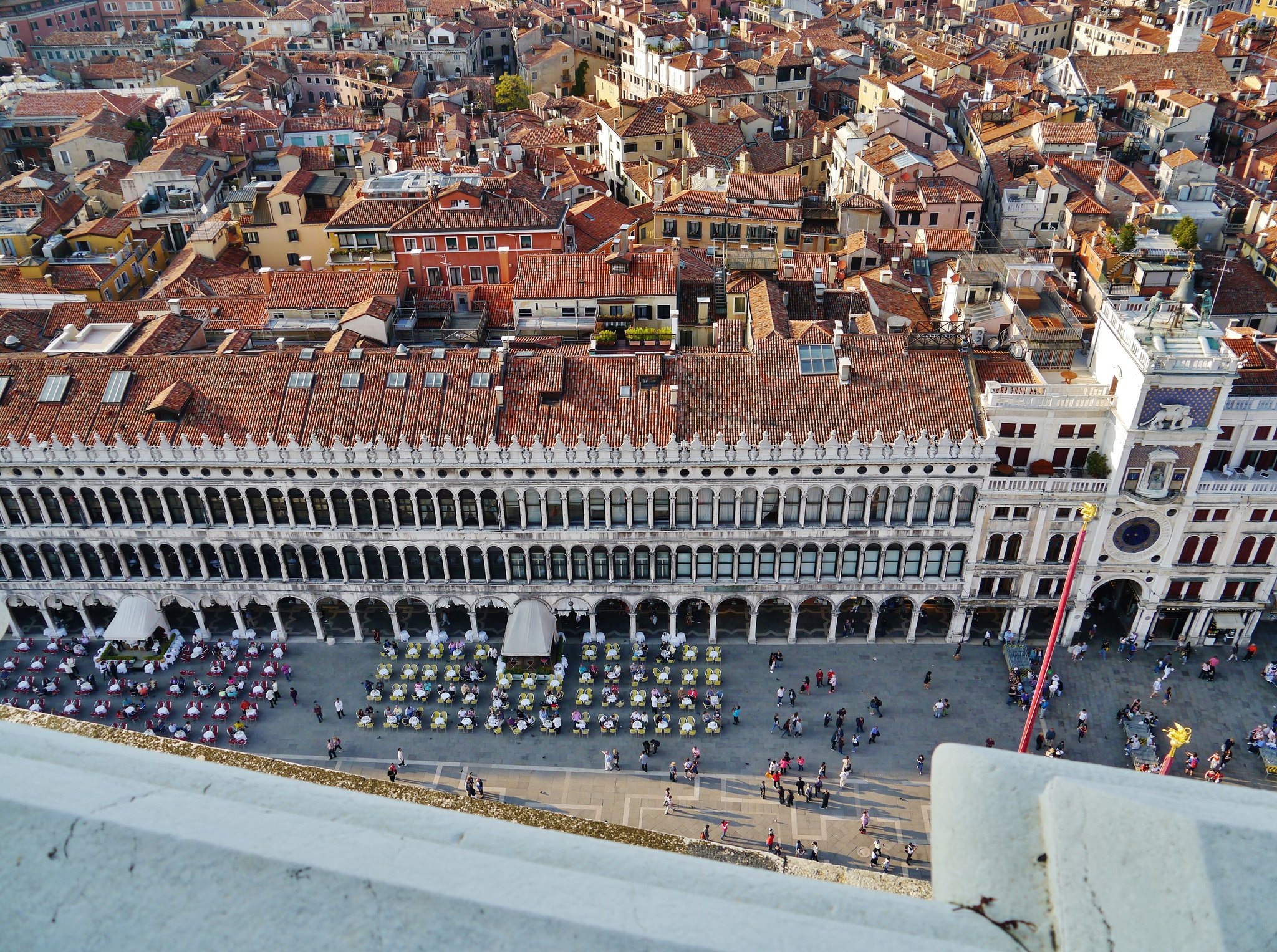
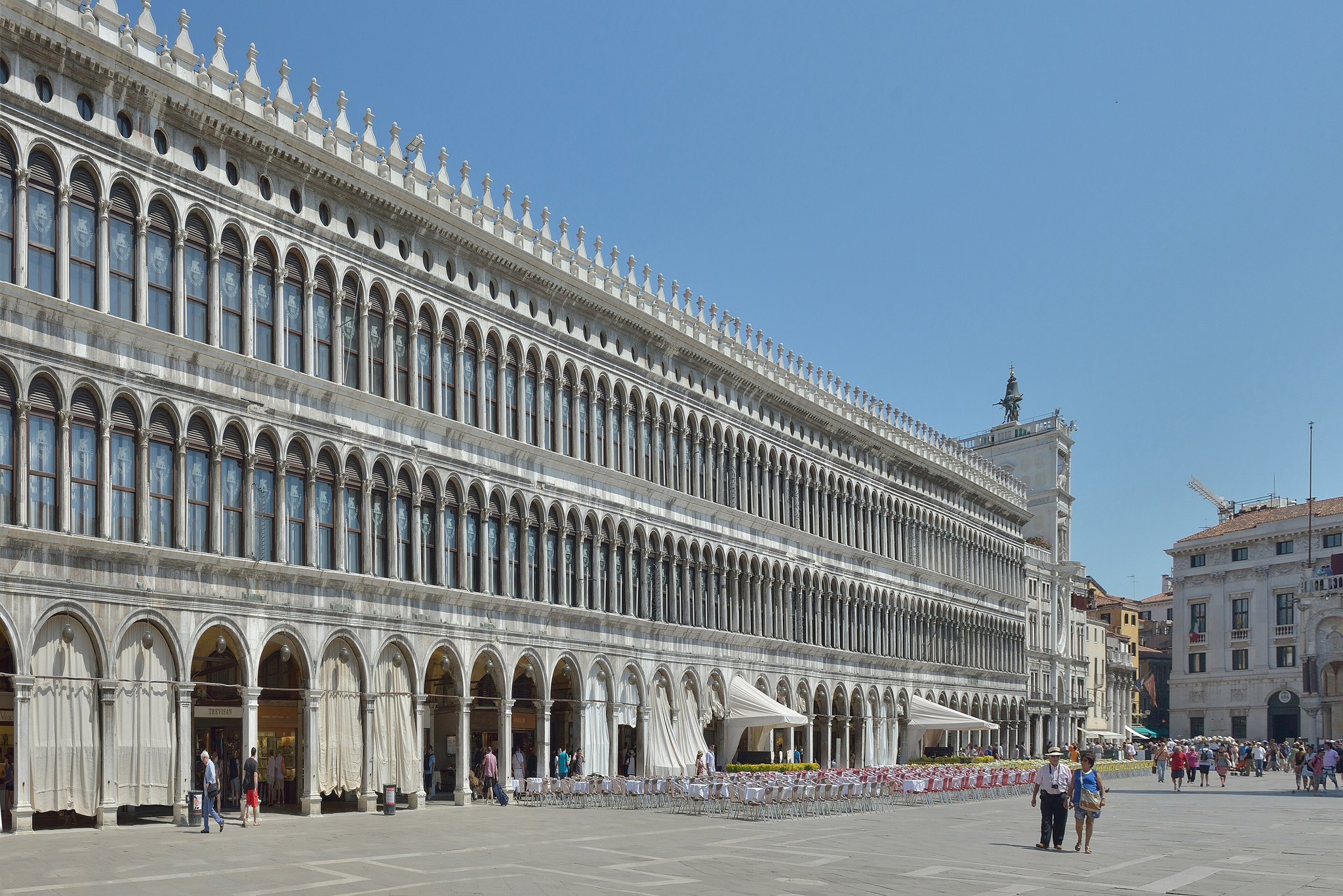
San Marco — the monuments, the expensive shops, and the highest concentration of
visitors anywhere in Europe. Castello — the largest, running east to the Arsenale
and the Biennale gardens, and residential at its far end. Cannaregio — the north
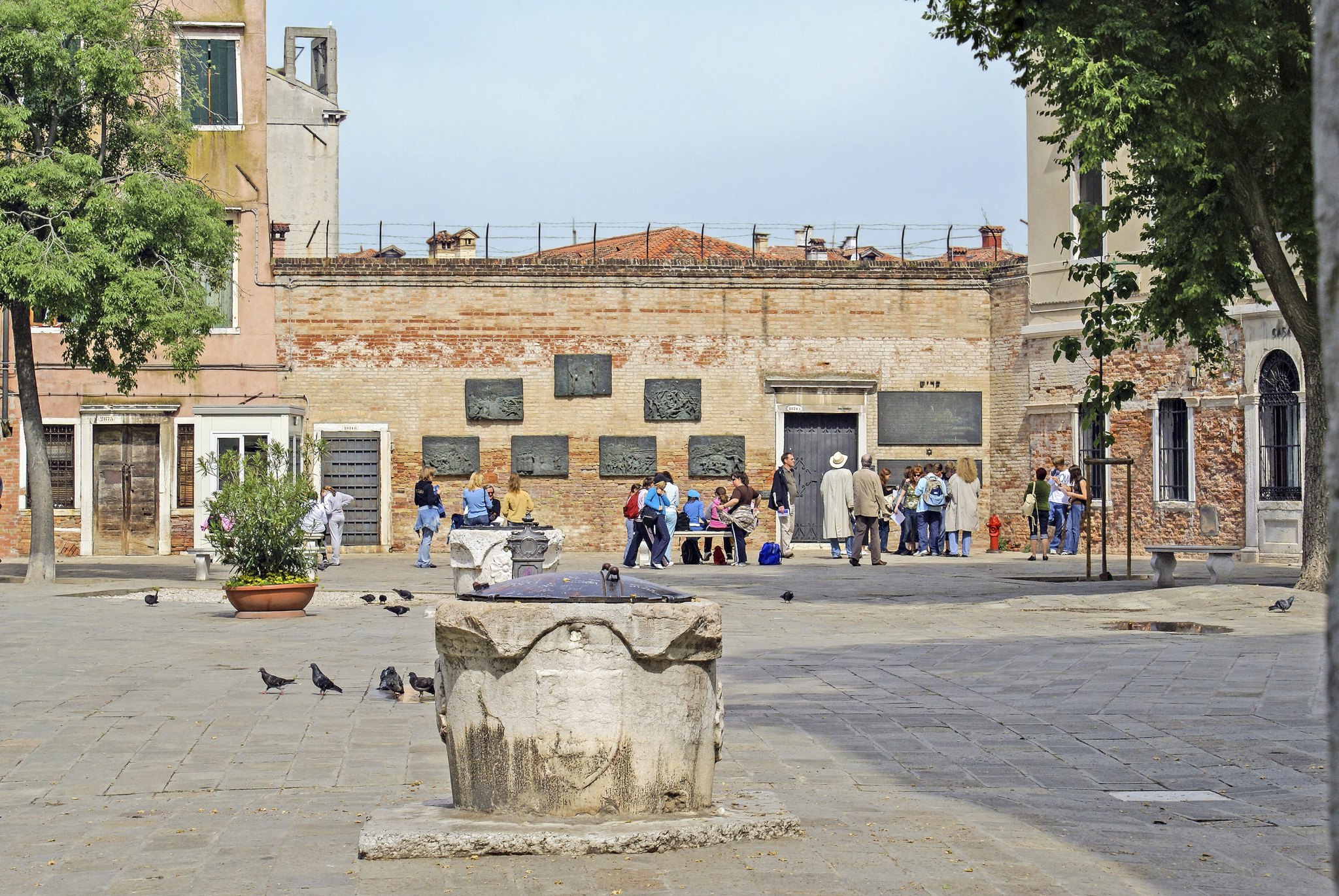
edge, the Ghetto, and the one part of the centre with a normal evening. Dorsoduro —
the south bank, the Accademia and the Guggenheim, the university, and the Zattere to walk along.
San Polo — the market and the Frari, the smallest sestiere.
Santa Croce — the least visited, and where the road ends at Piazzale Roma.
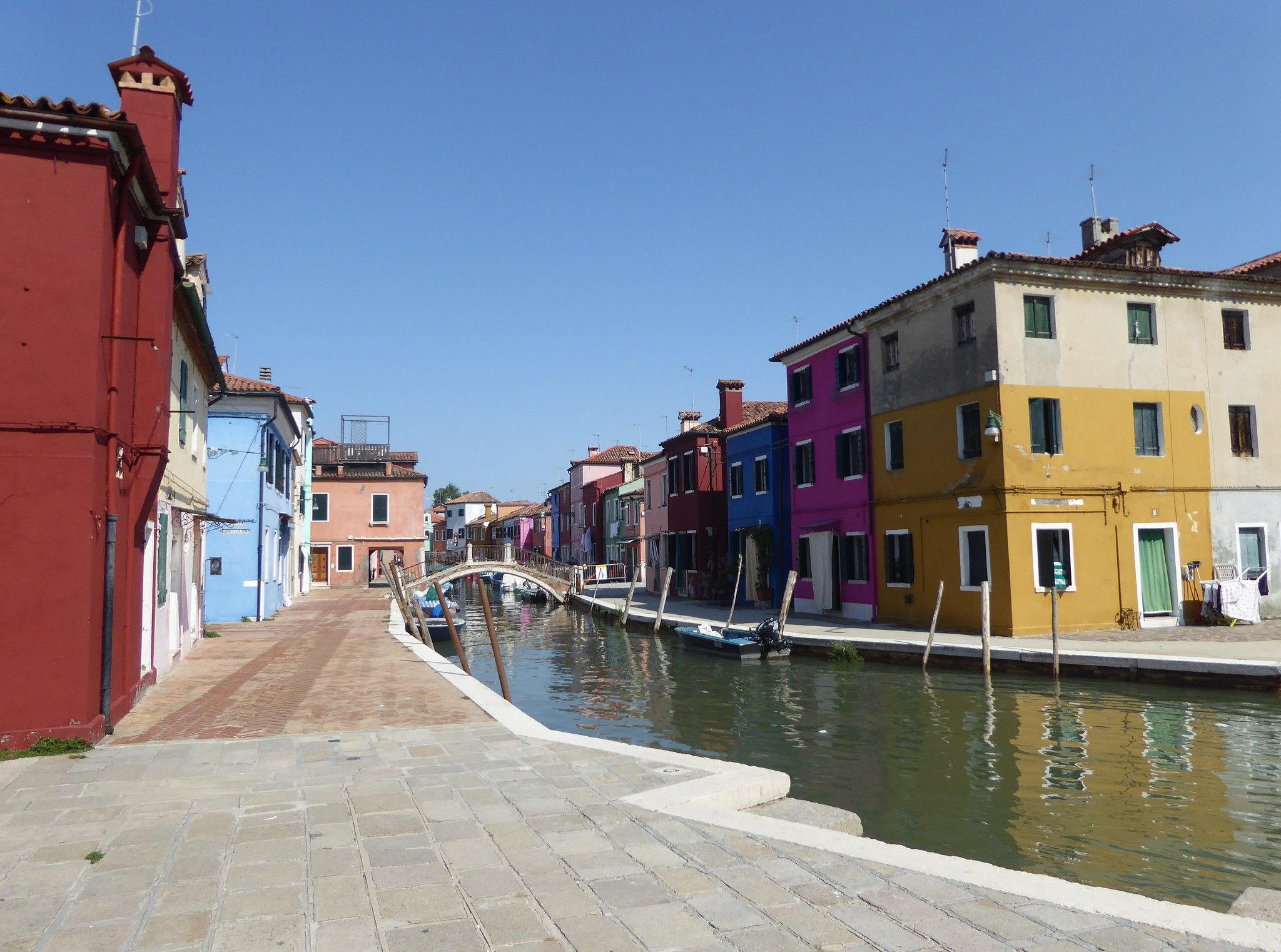
The long island across the water, technically part of Dorsoduro, reachable only by boat, with the
Redentore on it and a genuinely residential feel.
Where to stay
San Marco to be in the middle of it and pay for it. Cannaregio or Dorsoduro to be able to buy a
coffee at a normal price and hear Venetian spoken. Castello's east end to be somewhere people
actually live. ⛔ Mestre is cheaper because it is not Venice.
Photograph by This Photo was taken by Wolfgang Moroder . Feel free to use my photos, but pleas, Wikimedia Commons, CC BY-SA 3.0
This section is being written. The guide above is the section for now. New articles are published across the site about twice a week rather than a section being filled in a day, so this page grows steadily — it is worth looking in again. In the meantime the sixteen sight pages and the plans by trip length are finished, and they are the best place to start.
Coming next in this section
Venetian addresses are numbers, not streets — how to find anything