The road ends at Piazzale Roma. Beyond it there is no wheeled traffic of any kind — no cars, no
buses, no bicycles, no scooters. Everything moves on foot or on water, and everything you carry,
you carry.
That single fact governs every other decision on this page, and it is why a hotel "five minutes
from the station" can mean five minutes and four bridges with a suitcase.
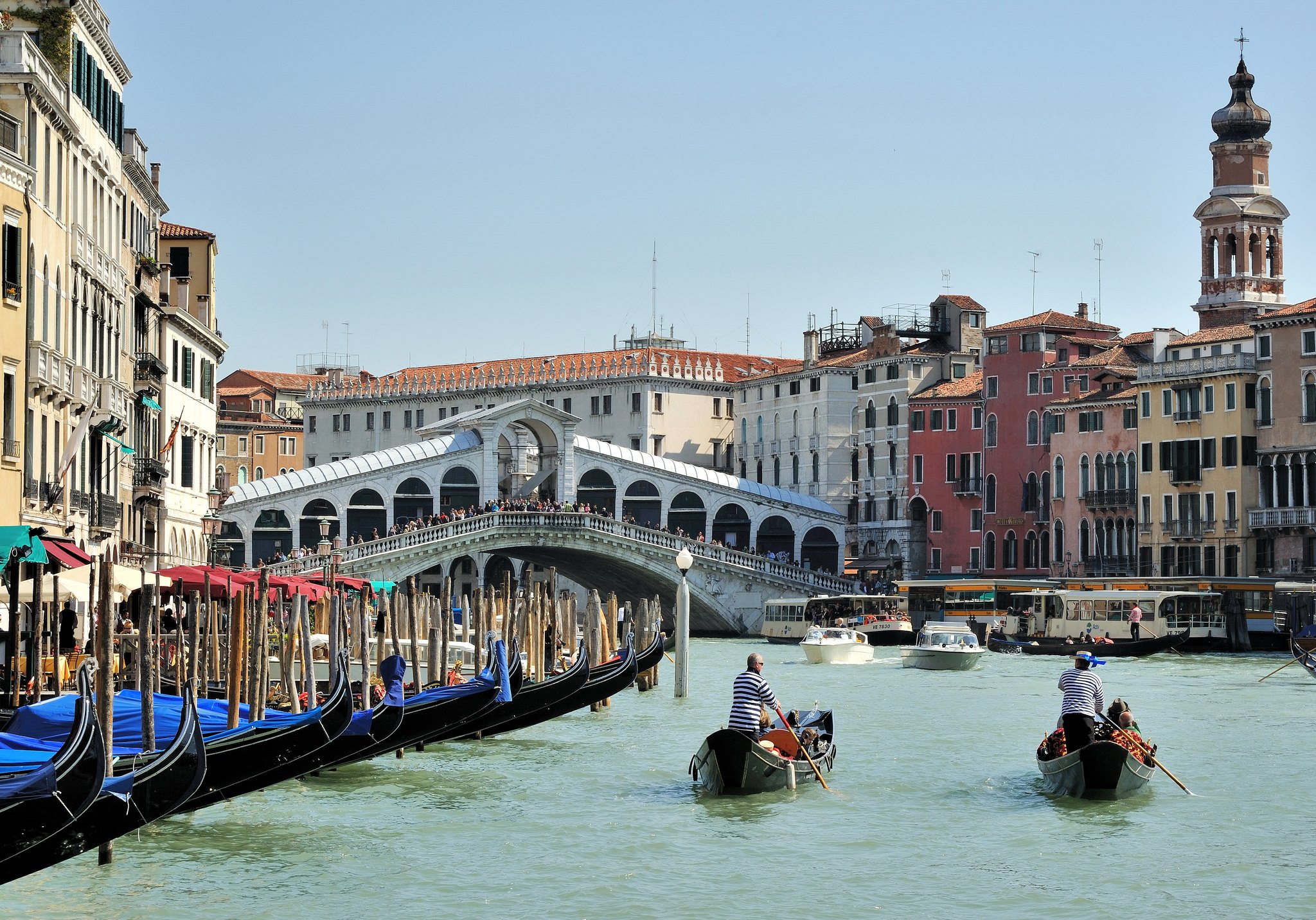
Walking is the transportPhotograph by Marc Ryckaert ( MJJR ), Wikimedia Commons, CC BY 3.0
Venice is about 3 km across at its widest and you can cross the whole city on foot in an hour.
Walking is free, it is faster than the boat for most short journeys, and it is the only way to see
the place. The yellow signs point at just two destinations — Per Rialto and
Per San Marco — and following them in reverse gets you most places.
⚠️ Distances on a map lie, because only four bridges cross the Grand Canal. Two
points a hundred metres apart on opposite banks can be a twenty-minute walk.
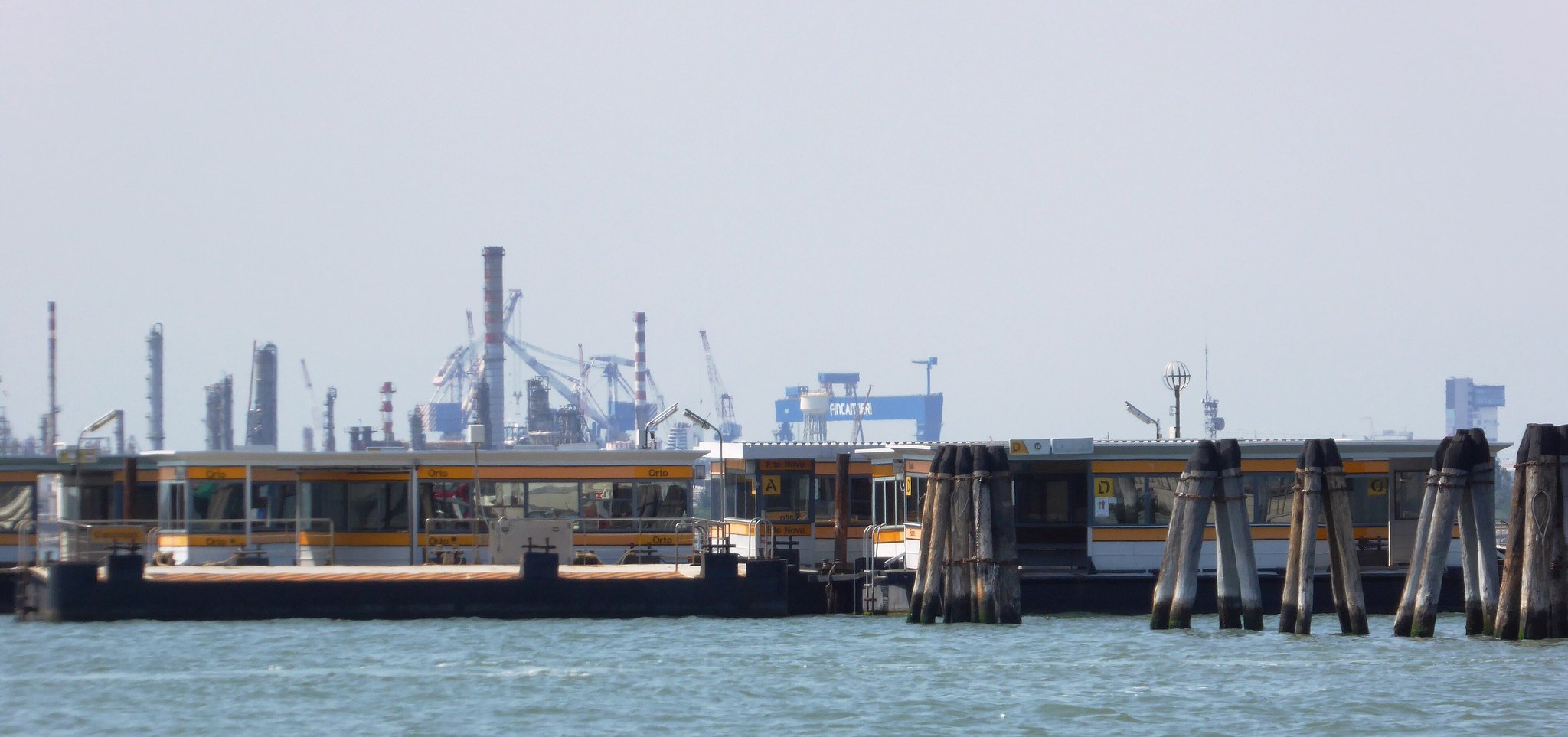
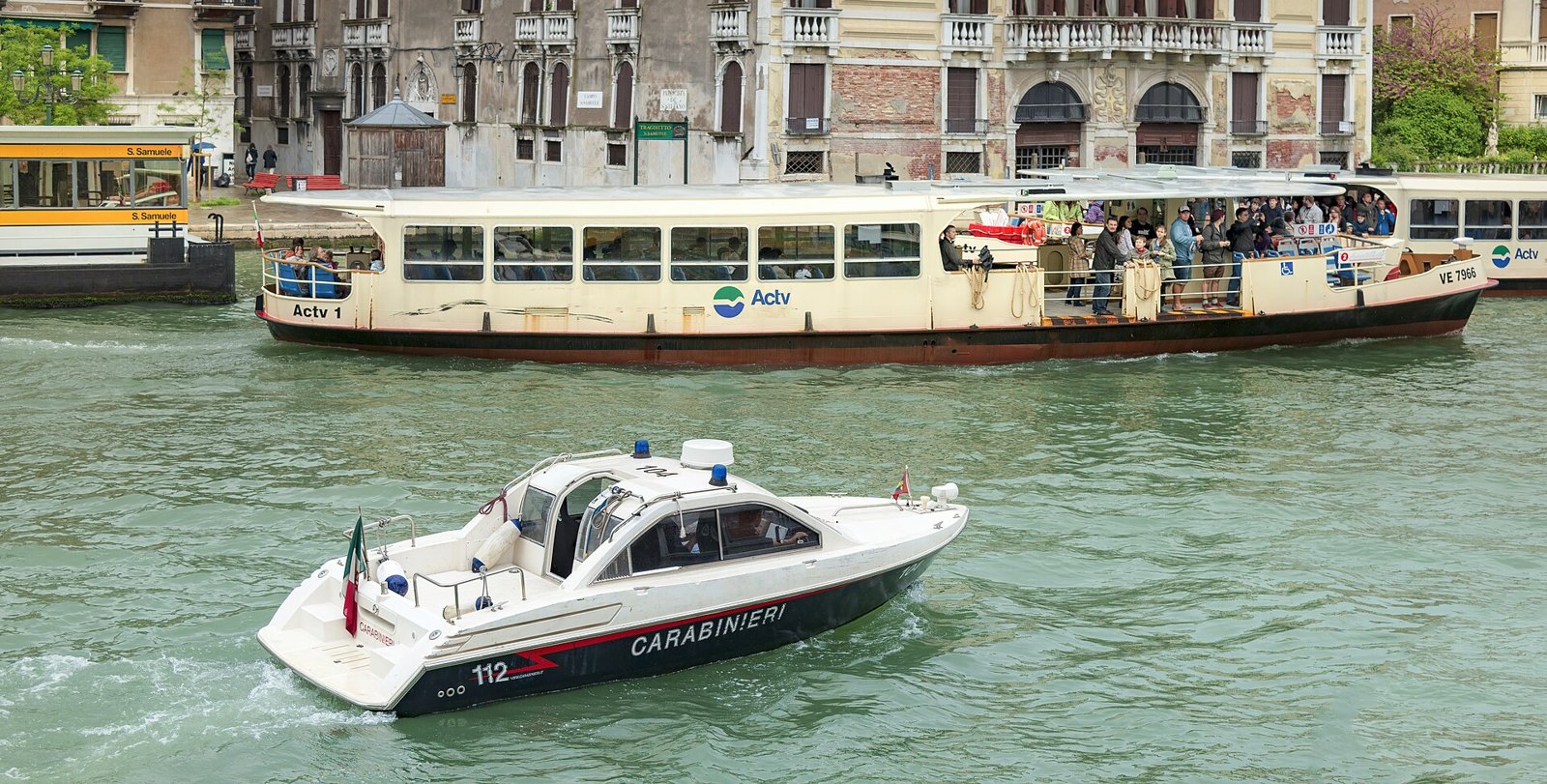
The vaporetto
The waterbus network is run by ACTV. A single ticket is valid for about 75 minutes and is
expensive — among the highest single fares in Europe — so a travel card for one,
two, three or seven days pays for itself in about three journeys and is what almost every visitor
should buy. Under-30s should look at the discounted Rolling Venice card.
Line 1 runs the length of the Grand Canal stopping everywhere and takes about forty minutes;
line 2 is the express. Validate at the reader before boarding, every time.
⭐ The traghetto, which nobody tells you about
At a handful of points along the Grand Canal, a working gondola crosses back and forth as a
ferry. It costs a couple of euros, takes two minutes, and saves the long walk to a bridge.
Traditionally you stand. It is also, for most visitors, the only gondola they will ever be in.
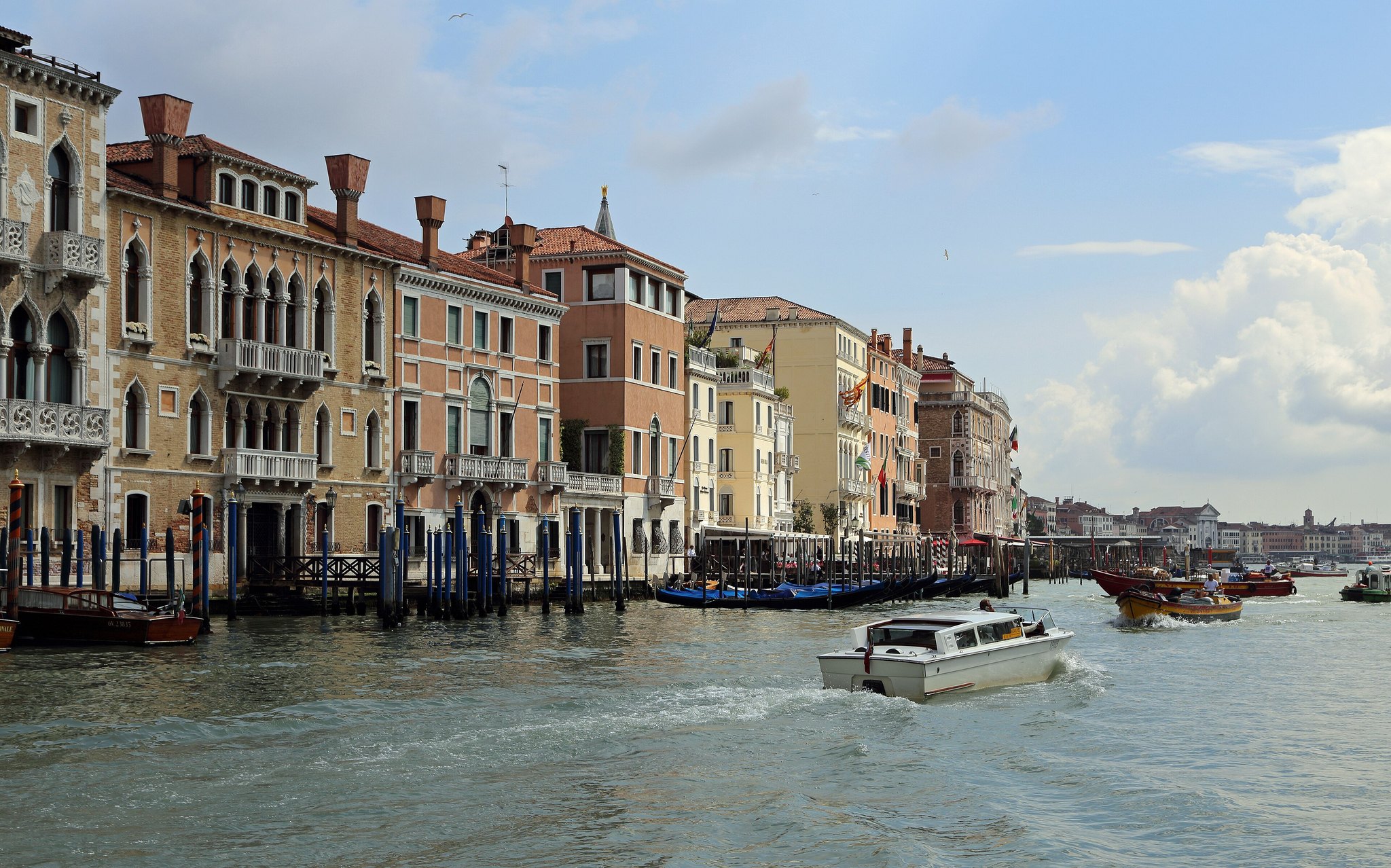
Gondolas and water taxis
The gondola fare is a fixed municipal tariff, not a negotiation: a set rate for
a set time, higher after 19:00, and priced per gondola rather than per person — so six
people pay what two people pay. Anyone quoting per person is not using the tariff.
Water taxis are private motorboats and cost several times a gondola. They are occasionally worth
it, arriving late at night with luggage, and almost never otherwise.
The vaporetto is Venice’s public transport network, run by the operator ACTV, and it exists because nothing else does: there are no cars, buses or bicycles anywhere in the historic center, so the water bus is doing the job a tram or metro does elsewhere. Fares are charged per ride or as a time-limited pass, … Read more