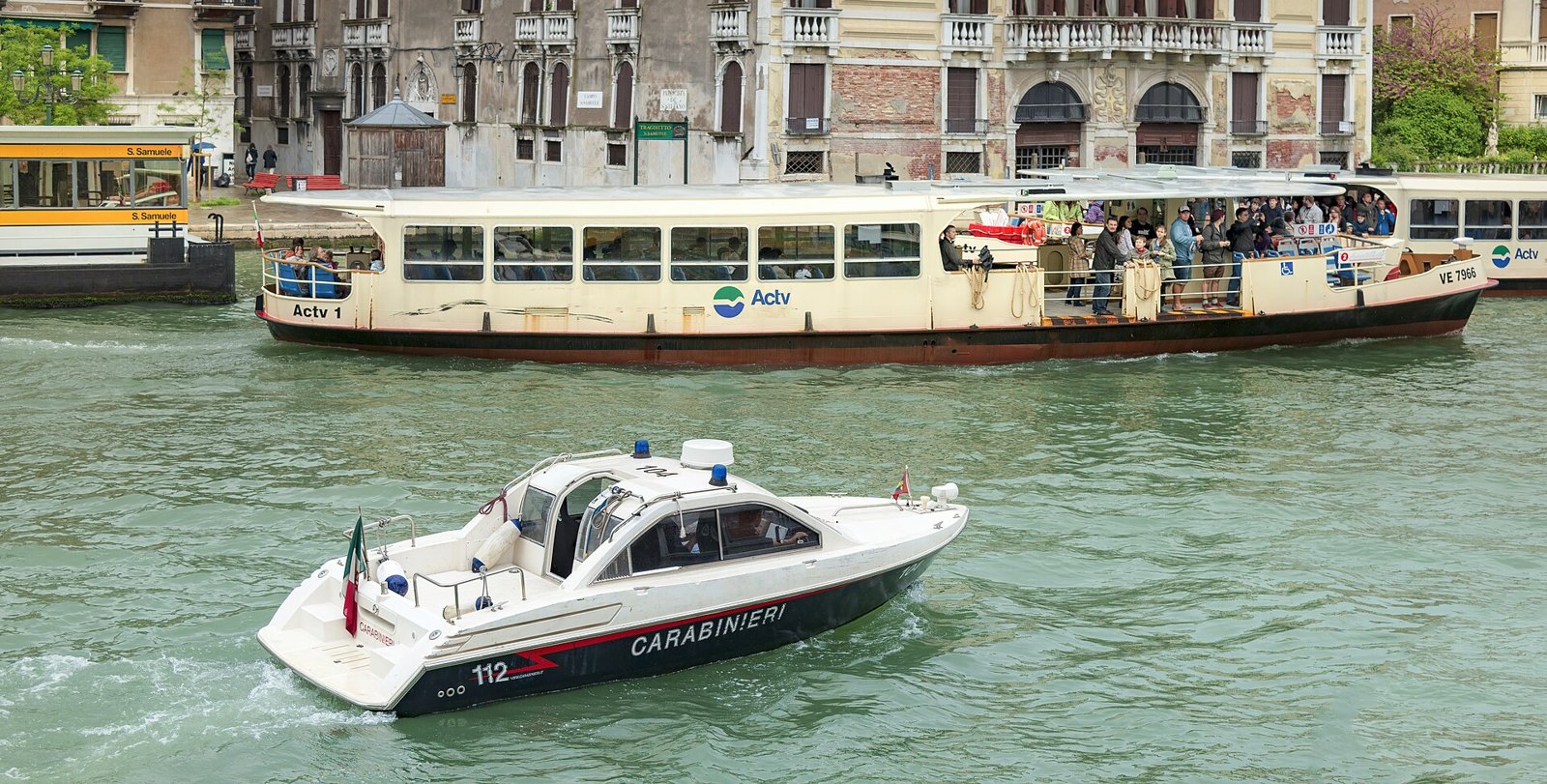
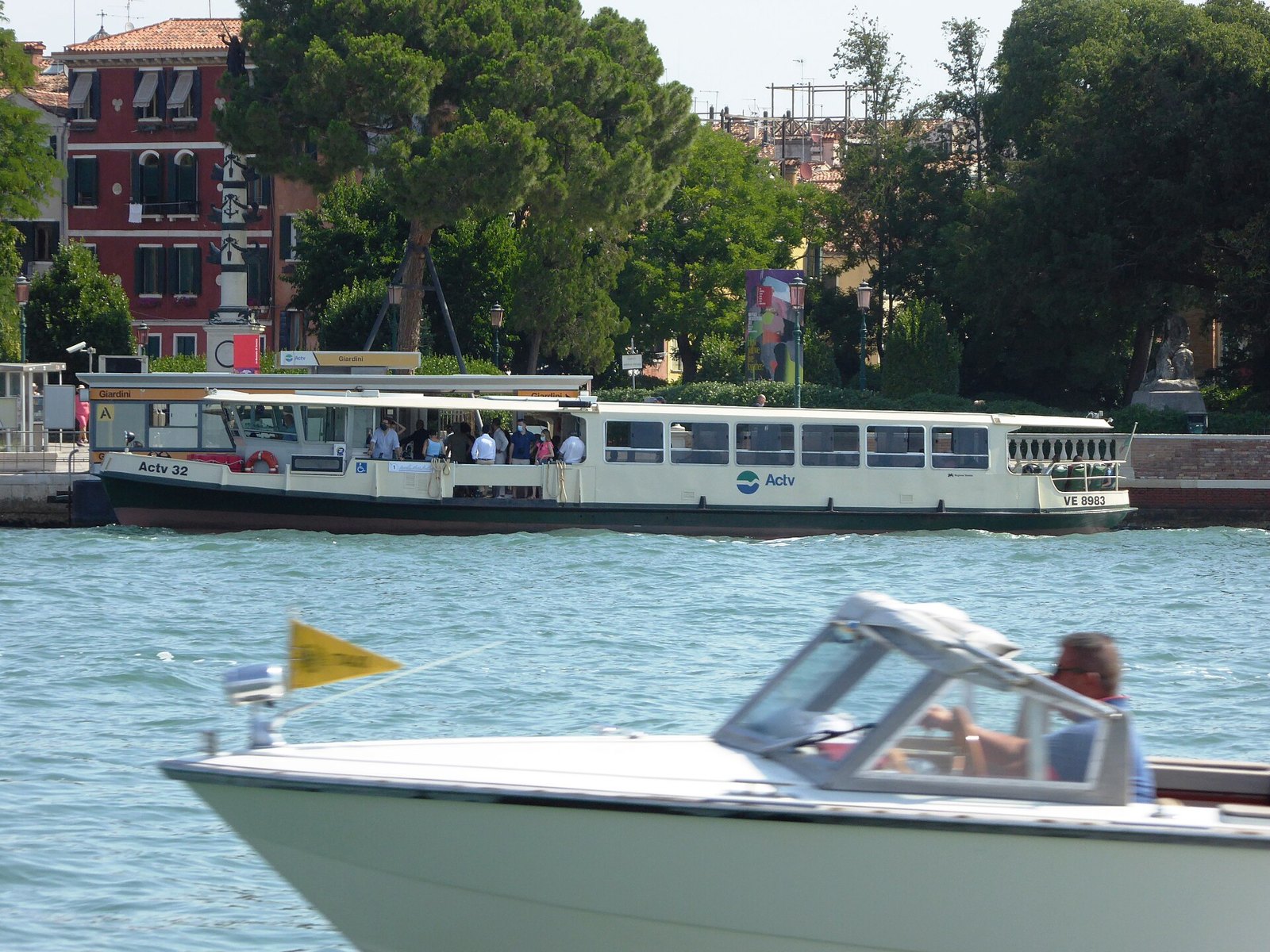
The vaporetto is Venice’s public transport network, run by the operator ACTV, and it exists because nothing else does: there are no cars, buses or bicycles anywhere in the historic center, so the water bus is doing the job a tram or metro does elsewhere. Fares are charged per ride or as a time-limited pass, and which one is cheaper depends entirely on how many times you board in a given window — a calculation this article works through in full below.
Why the fare structure looks the way it does
A single vaporetto ticket is priced for one continuous journey, validated once, valid for a set period of transfers within that journey — not for a full day. ACTV publishes the current single fare and the full list of pass durations on its own site, and that is the only place to check the actual figures, because they are revised most years. As a matter of structure rather than a specific number: Venice’s single fare sits at the high end for a public transit ride anywhere in Europe, which is precisely what makes the multi-ride passes worth doing the arithmetic on before buying anything at the dock.
The passes ACTV sells
Alongside the single fare, ACTV and the city’s official transport-and-museums portal, Venezia Unica, sell time-limited travel cards — typically bands of 24, 48, 72 and 7 days, plus a separate youth-rate card for visitors in a defined age bracket. Each pass is not “good for two calendar days” but good for a fixed number of hours from the moment it is first validated. A 48-hour pass bought and validated at 6pm on arrival day expires at 6pm two days later, not at midnight — a detail that matters more than it sounds like it should.
The break-even rule: when a pass actually saves money
The decision is arithmetic, not guesswork. Every pass has a break-even point, calculated as:
- Break-even ride count = pass price ÷ single fare, rounded up.
Because a single Venice fare is set high and a time pass is a flat rate regardless of how many times you board, the gap between the two is large — which pulls the break-even point down to a handful of rides rather than the dozen or more you’d need on a system with a cheaper single ticket. In practice, most visitors cross that line faster than they expect:
- Airport or station to hotel by water: 1 ride
- Hotel to St Mark’s Square area and back on the same day: 2 rides
- One crossing of the Grand Canal by vaporetto where no bridge is nearby: 1 ride
- A single return trip to Murano: 2 rides
Add those together and a fairly ordinary sightseeing day already reaches four rides before evening — which, given how far above four single fares most pass prices sit below, is usually enough to have already paid for a 24-hour pass. The exact ride count where this flips depends on the current single fare and pass price ACTV has published for the year, so check both figures on the operator’s own fare page before deciding — the structure above is what to apply once you have them.

The common mistake: buying too much pass
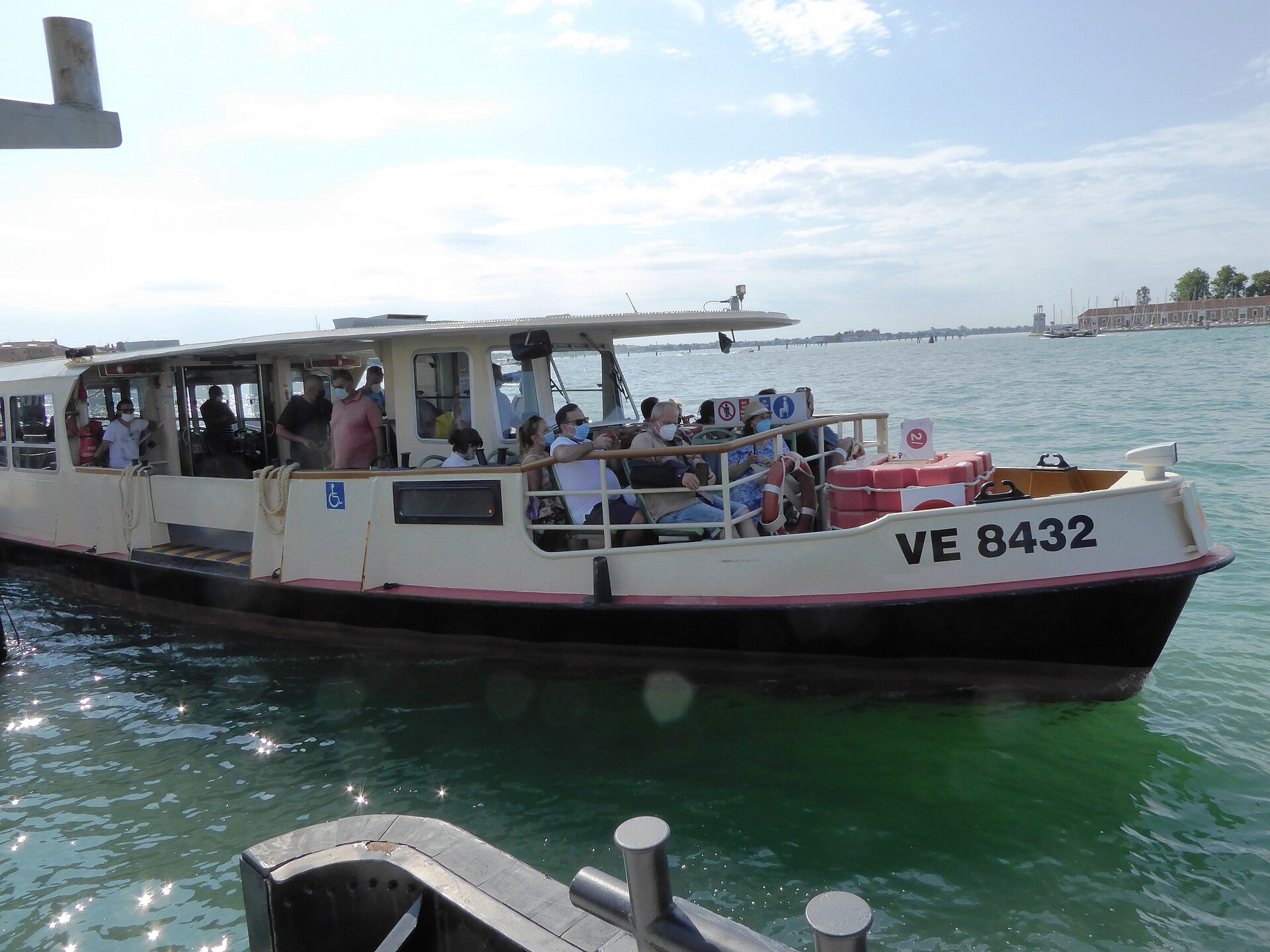
The overpay that catches visitors most often isn’t buying too little — it’s buying a 72-hour pass for a trip that’s really 48 hours or less. Because validity runs in hours from first use, not from midnight to midnight, a visitor who arrives Friday afternoon and leaves Sunday morning is covering roughly 40–44 hours of actual need. A 48-hour pass fits that trip; a 72-hour pass sold as the “safe” option leaves an entire unused day paid for and wasted. The rule is to count hours from your first vaporetto ride to your last, not days on a calendar, and match the pass band to that number.

Buying and validating
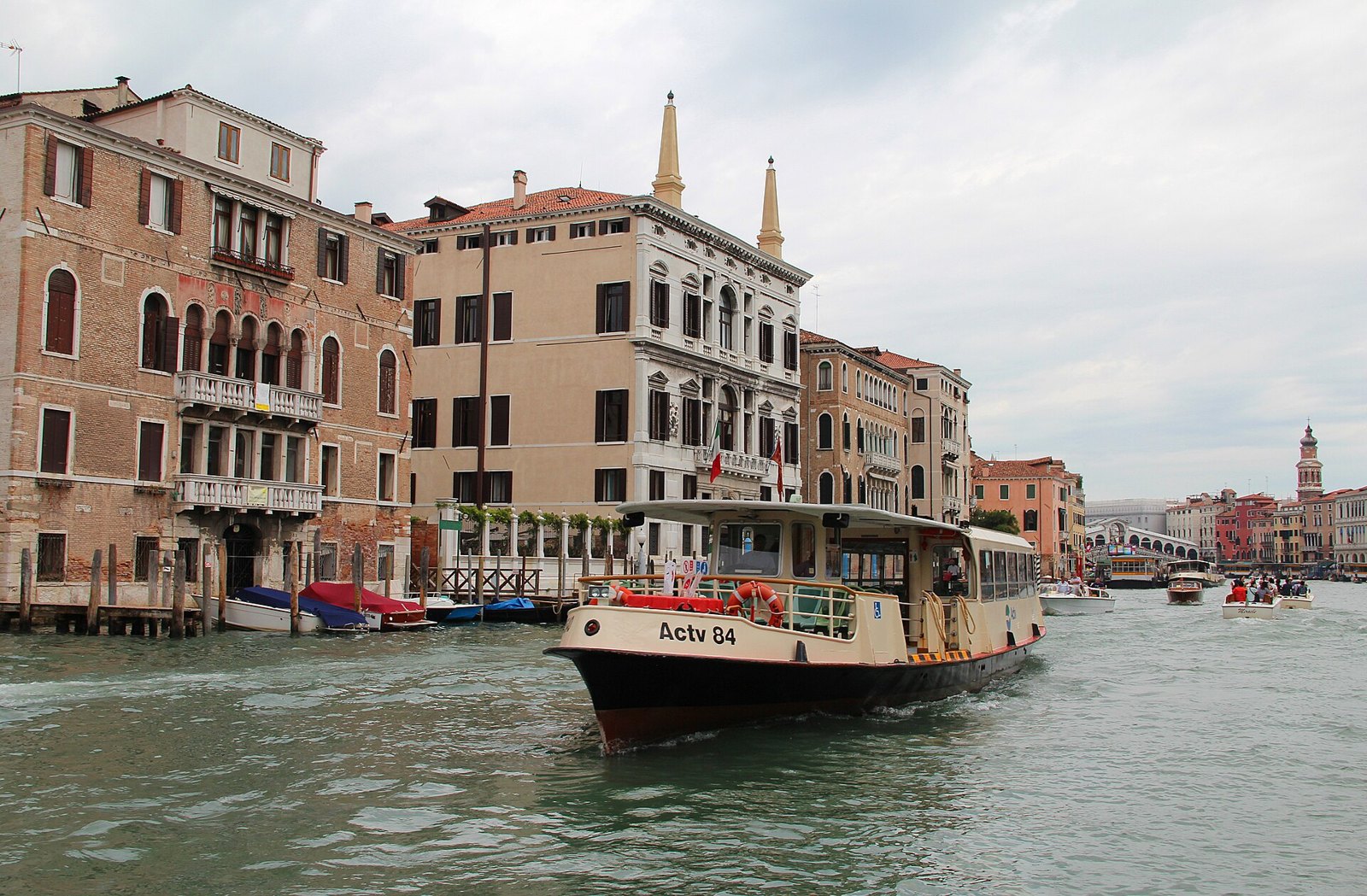
Tickets and passes are sold at ACTV booths and machines at the larger stops, through the Venezia Unica app and site, and at some tobacconists. Every ticket and every pass must be tapped on the small validation reader at the landing stage before boarding — this is true even with a multi-day pass, because the reader is what proves the pass is active and within its window, not just present in a pocket. Traveling without a validated ticket is treated as traveling without one at all, regardless of what you’re carrying.

Which line goes where
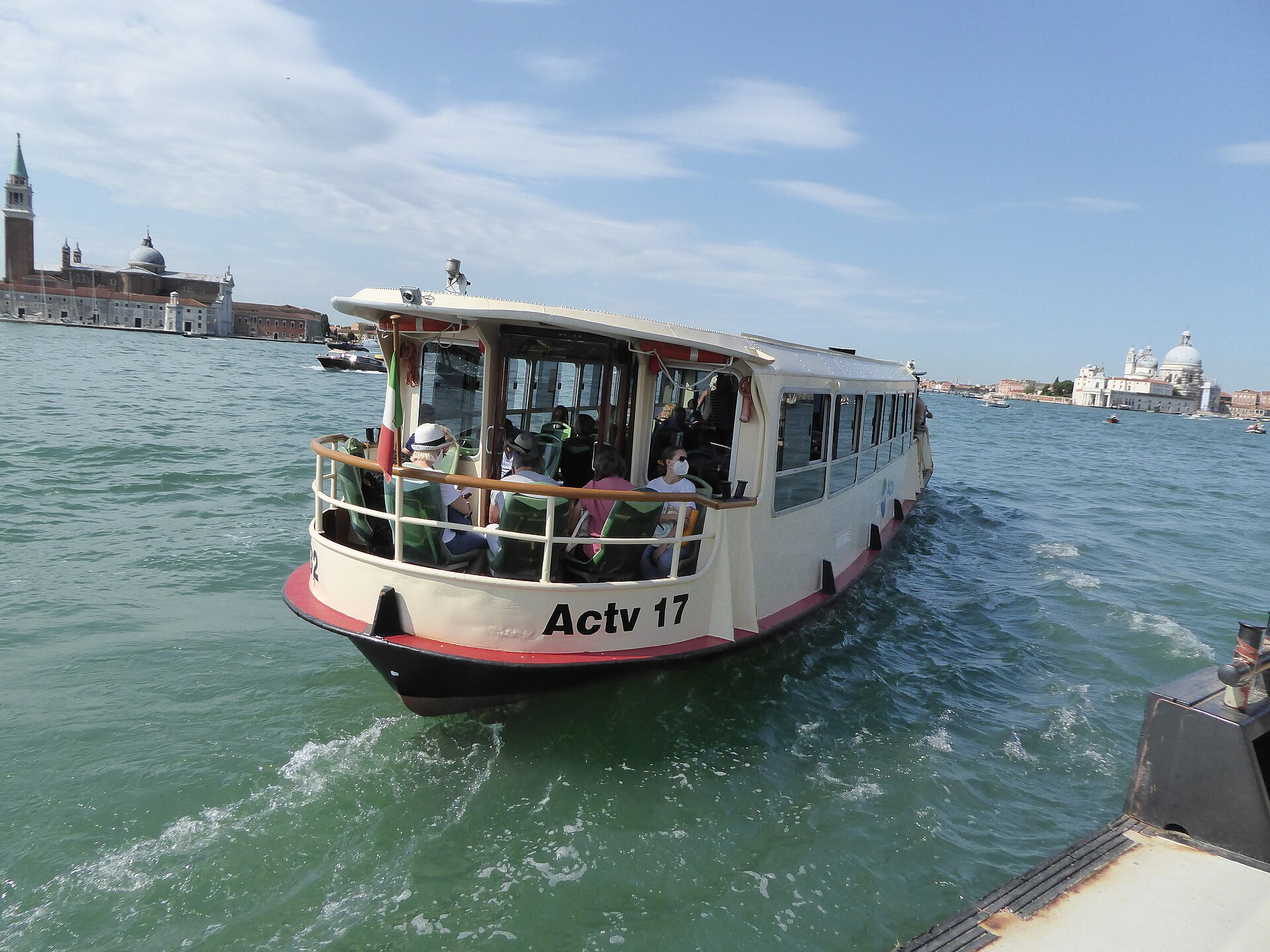
ACTV’s network is a fixed set of numbered routes, and the numbers occasionally get revised, so treat the pattern below as the current shape rather than a permanent map — ACTV’s own route page is the place to confirm today’s version:
- Line 1 runs the full length of the Grand Canal stopping at nearly every landing stage — the slow, scenic option and usually the busiest.
- Line 2 is the faster route, cutting some Grand Canal stops and extending to Giudecca and Tronchetto — the better choice when you actually need to get somewhere rather than look at it.
- Line N is the night service, covering the core Grand Canal route after the daytime lines stop running.
- Lines 4.1/4.2 circulate around Murano; line 12 is the one that continues on to Burano and Torcello — useful to know because it is easy to assume any Murano-bound boat also reaches the further islands, and it does not.
Whichever island you’re on, the evening service to Murano, Burano and Torcello thins out fast and stops altogether earlier than the mainland lines — there is no other way back once it does, so checking the last return time before setting out matters more on the lagoon islands than almost anywhere else covered on this site.
The cheaper way across the Grand Canal
Only four bridges cross the Grand Canal — Scalzi, Costituzione, Rialto and Accademia — so two points a hundred meters apart on opposite banks can mean a twenty-minute walk if no bridge is close. At several points along the canal, a traghetto — a working gondola crewed for the crossing rather than for hire — carries passengers standing, for a fare well below the vaporetto’s, and is rarely used by visitors who don’t know it exists. It is not covered by the vaporetto pass and is paid separately, in cash, at the crossing point.

What this means for residents
Anyone living in Venice year-round is on a different fare system entirely: ACTV and AVM (the transport holding company) offer resident cards — commonly discussed under the IMOB card — priced and means-tested differently from the tourist single fare and passes described above, and renewed annually rather than bought per trip. The structure is separate enough that a resident calculating their own transport cost should go directly to ACTV’s resident-fare page rather than apply anything above, which is written for a visitor passing through for days rather than living here.
The wider picture
Walking Venice itself costs nothing — most of its churches and squares are free to enter, and the city imposes no toll on a pair of feet. What costs money is every alternative to walking: the vaporetto, the water taxi, the gondola. Three of the lagoon’s best-known destinations — Murano, Burano and Torcello — are free islands that are expensive specifically because reaching them means paying for water transport, which is the whole argument for doing the break-even sum above rather than buying tickets one at a time at the dock.
This site does not sell tickets or take a share of any booking; details on how it is researched and funded are on the page explaining how Access Venice is written and checked, and what browsing this article does or does not collect is set out on the privacy policy for Access Venice. For background on how the wider site treats fares, closures and other perishable detail, see the note on how this site handles prices that change and the page on what data this site gathers from readers. General orientation on getting around the historic center on foot and by water is covered in the Access Venice editorial approach, and the same caution about unverified figures applies across every practical page on the site’s data and sourcing policy.
For the current single fare, pass prices and the official route map, ACTV publishes them directly at actv.avmspa.it, and multi-day passes can also be checked and bought through the city’s official transport and museums portal at veneziaunica.it.
Access Venice is an independent guide written from published, checkable sources. We have not visited the places described here and we do not publish personal recommendations or invented ‘local favorites’ — where something is singled out as notable, we say who says so. Opening times, fares, closures and prices change at short notice, so treat everything here as a starting point and confirm with the museum, operator or venue directly before building a day around it. We give no advice on visas, insurance, health or safety; use your own government’s official guidance for those.
Featured image: Photo by Didier Descouens, source, CC BY-SA 4.0
_Vaporetto_serie_80_-_Vaporetto_01_and_carabinieri.jpg)