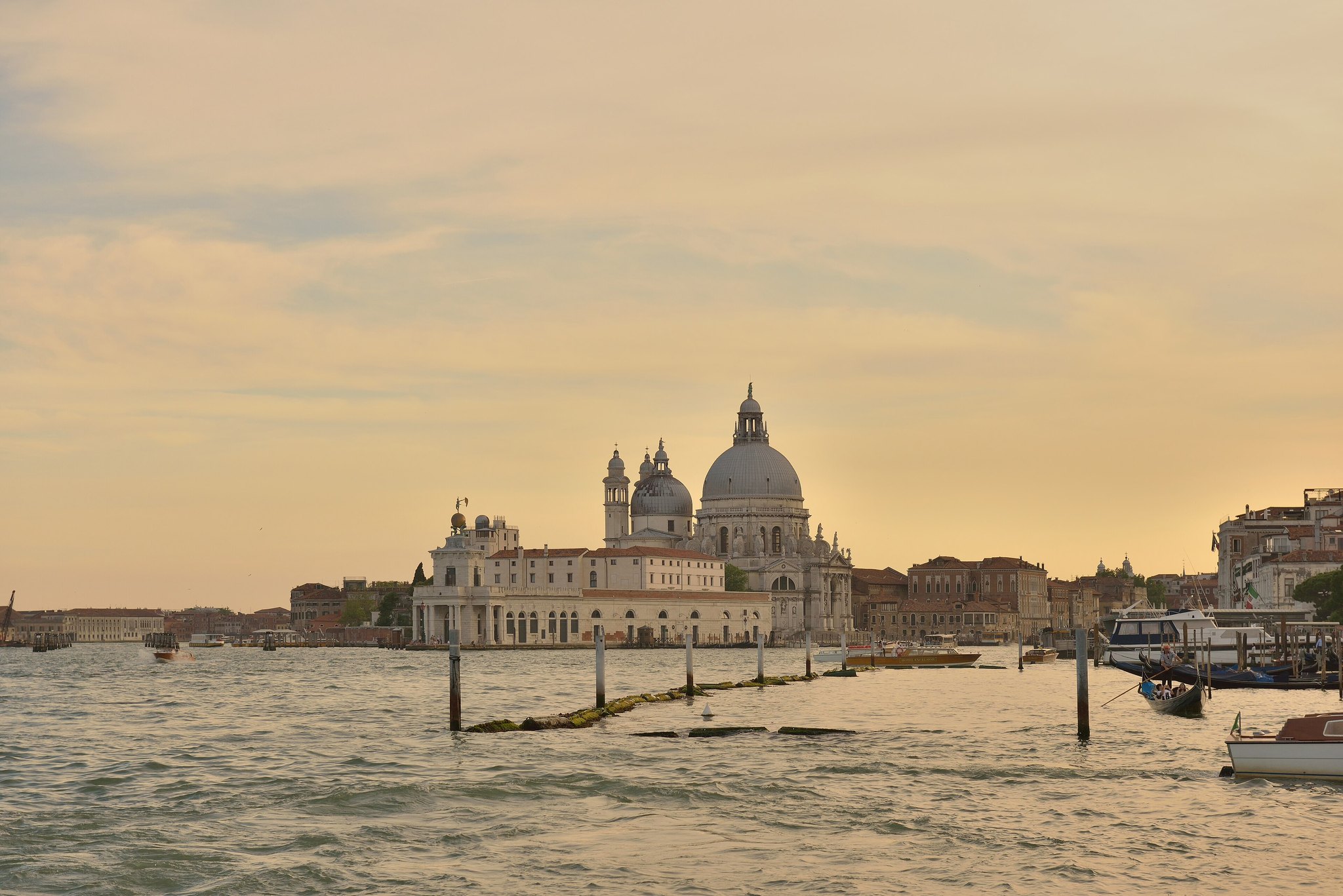

Built as a bargain. In 1630 the plague killed something near a third of the city, and the Senate promised a church to the Virgin if it stopped. It stopped, and Baldassare Longhena got the commission at twenty-six with an octagonal design nobody had asked for.
It stands on a million timber piles at the point where the Grand Canal meets the basin, which is why it appears in every painting of Venice ever made.
What it costs
The church is free. The sacristy, which holds Titians and Tintoretto’s Marriage at Cana, is a small separate charge and is the reason to go in.
It is not on the Chorus Pass — the Salute is administered separately — so the sacristy charge stands on its own.
When to go
Any time; it is rarely crowded, which is remarkable given what is in it and where it stands. It closes over the middle of the day.
On 21 November the city builds a temporary pontoon bridge across the Grand Canal to it for the Festa della Salute, and Venetians walk over to light a candle. It is the least touristic day in the Venetian year.

Getting there
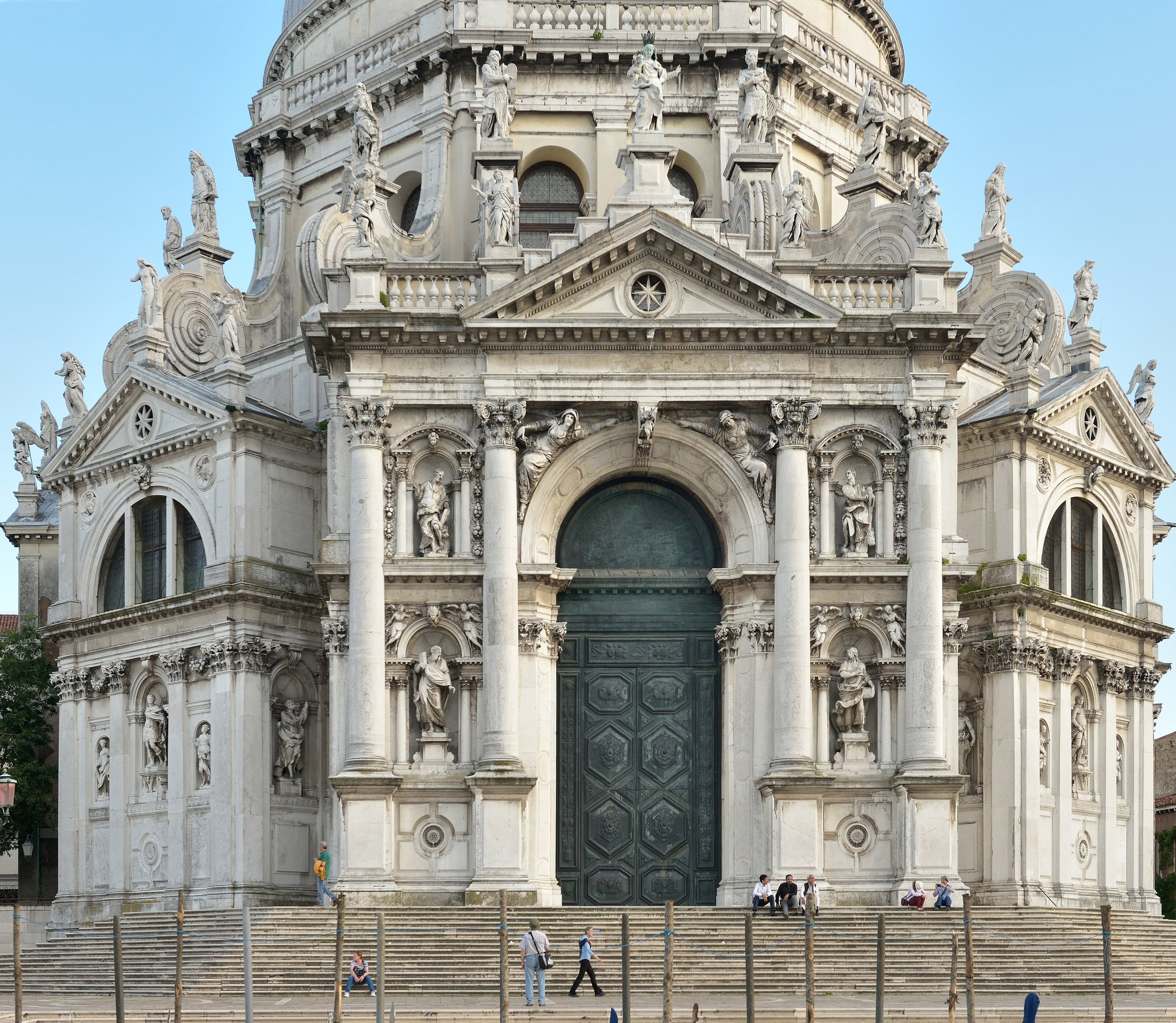
Vaporetto line 1 to Salute, which lands at the steps. Or walk from the Accademia bridge in about ten minutes along the Zattere.

If you only have an hour
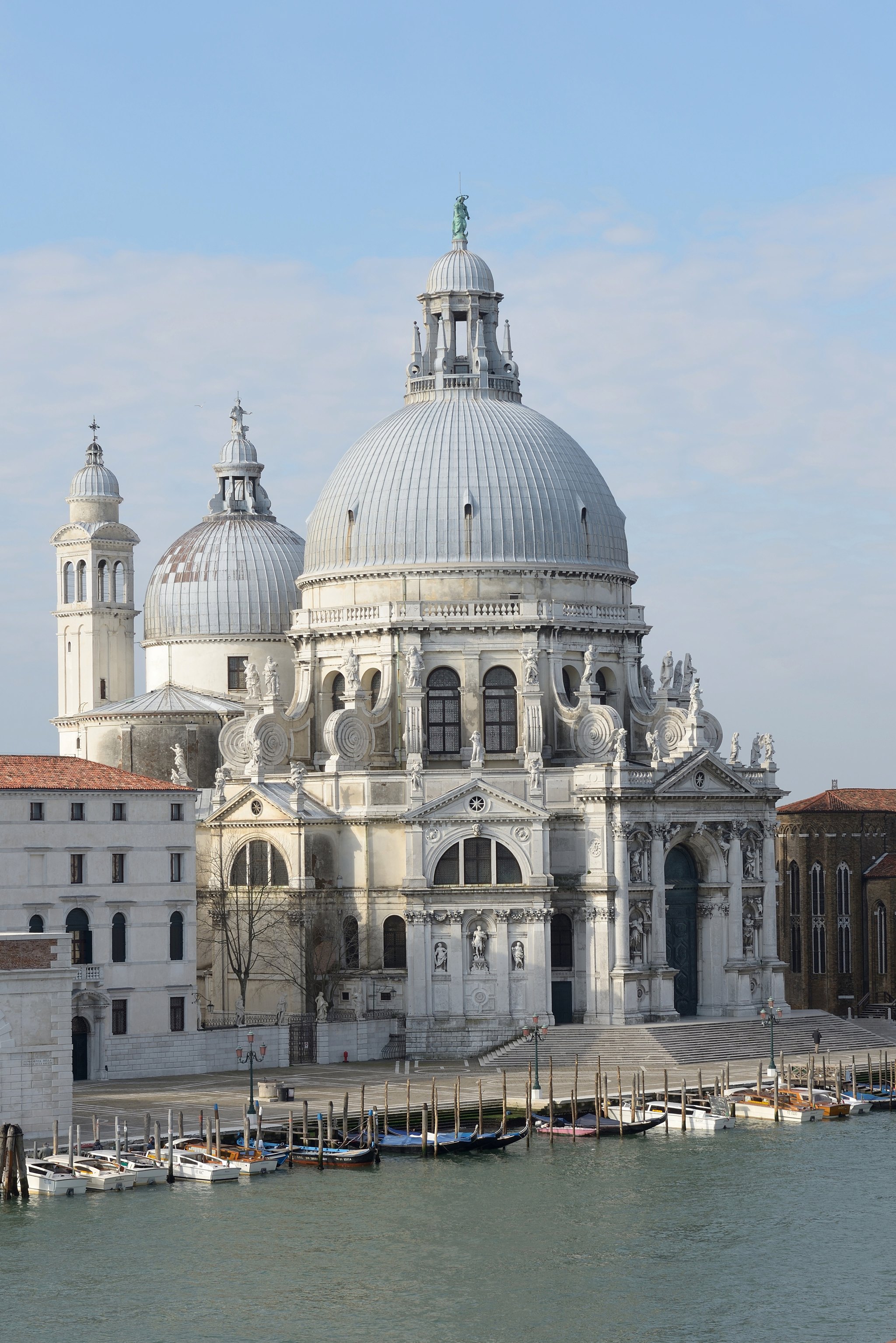
Stand in the middle under the dome and turn round once — the plan is a circle inside an octagon and it only reads from the centre. Then pay for the sacristy.
Outside, walk on to the Punta della Dogana at the very tip. It is free, it is usually empty, and it is the best place in Venice to watch the water.
What people get wrong
Photographing it and not going in. The interior is the good part and almost everyone shoots the dome from across the water and walks on.

Nearby
Ticketing arrangements, closing days and boat timetables as published and checked on 5 September 2026. These change without much warning — confirm with the place itself before you travel. More sights, and how they fit together, in Landmarks & Sights.